Beyond Fiber: How Plant Proteins and Human Metabolism Are Rewriting the Rules of Gut Health

For decades, dietary advice regarding plant-based nutrition has operated under a familiar and straightforward premise: eat more fiber. Nutritional guidelines universally highlight fruits, vegetables, whole grains, and legumes as vital components of health, attributing their benefits primarily to roughage that sweeps through the digestive tract, promotes regularity, and feeds beneficial intestinal microorganisms. However, modern biomedical research is increasingly revealing that the traditional narrative surrounding plant foods tells only half the story. A pair of groundbreaking studies led by scientists at Princeton University and the Ludwig Institute for Cancer Research has upended conventional physiological assumptions, demonstrating that plant proteins resistant to digestion—and the complex metabolic interactions of the human body itself—play a far more pivotal role in shaping human health than previously understood.
The implications of these findings extend far beyond academic curiosity. By redefining how dietary components interact with the gut microbiome and uncovering the human body’s intrinsic capacity to produce compounds once thought exclusive to intestinal bacteria, these discoveries lay the groundwork for a revolution in nutritional science. In the future, food packaging may feature metrics that go beyond standard fiber counts, and medical interventions targeting microbiome-related disorders may require a complete paradigm shift.
Unlocking the Hidden Dynamics of the Intestinal Ecosystem
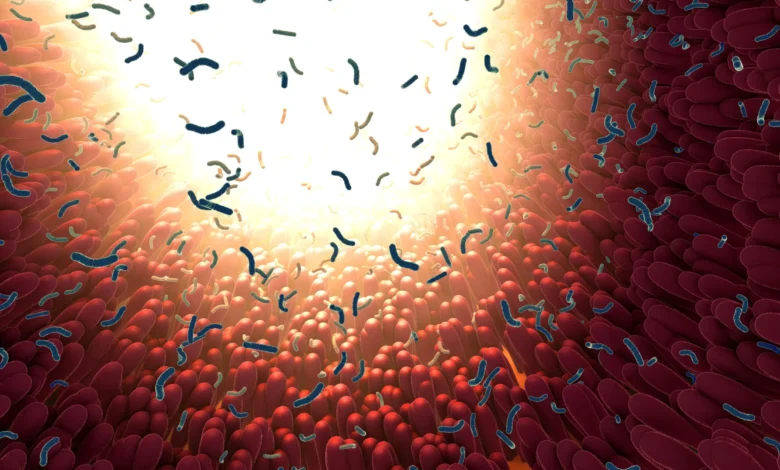
To fully appreciate the significance of the new research, one must examine the intricate ecosystem residing within the human gastrointestinal tract. Known collectively as the gut microbiome, trillions of microorganisms inhabit the intestines, forming a complex community that influences everything from immune function and metabolism to cardiovascular wellness and neurological health. These microbes act as metabolic partners, breaking down nutritional components that human enzymes cannot process independently.
Historically, dietary fiber has reigned supreme as the primary fuel source for these beneficial microbes. When fiber reaches the large intestine, bacteria ferment it, producing short-chain fatty acids and other metabolites that support intestinal integrity and systemic health. Alongside fiber, plants contain thousands of phytochemicals—naturally occurring chemical compounds responsible for vibrant pigmentation and defense against environmental stressors—which also contribute positively to human biology.
Despite these insights, the exact biochemical pathways through which specific plant foods modulate microbial behavior have remained notoriously difficult to map. The complexity of the chemical interactions occurring inside the gut has forced researchers to look closer at individual macronutrients. Two recent studies spearheaded by Jenna AbuSalim and Joshua Rabinowitz, director of the Princeton Branch of the Ludwig Institute for Cancer Research, have brought unprecedented clarity to this biochemical landscape.
The first study, published in the Proceedings of the National Academy of Sciences (PNAS), investigated how specific dietary components influence the production of phenol metabolites. Metabolites are the chemical byproducts generated when the body or its resident microbes process nutrients. While some metabolites are essential for normal biological homeostasis, others can accumulate and drive pathological processes.
Focusing on two amino acids—tyrosine and phenylalanine—the research team tracked the creation of various phenol metabolites. Phenylalanine derivatives, such as phenylpropionate and hippuric acid, are clinically associated with healthy body weight and robust gastrointestinal function. Conversely, tyrosine derivatives, including p-cresol sulfate and phenol sulfate, have been linked to adverse outcomes in oncology patients and systemic toxicity in individuals suffering from chronic kidney disease.
The central question facing AbuSalim, Rabinowitz, and their colleagues was whether specific parts of plant foods could selectively steer microbes away from producing toxic compounds and toward generating beneficial ones. The answer, verified through meticulous laboratory modeling, pointed directly to an overlooked class of dietary components.
The Emergence of Prifs: Indigestible Plant Proteins
The conventional focus on dietary fiber has long overshadowed the fate of plant proteins that successfully navigate the human upper gastrointestinal tract without being fully broken down by gastric acid or pancreatic enzymes. These overlooked macromolecules, which the Princeton researchers have designated as "proteins imitating fiber" or "Prifs," reach the colon largely intact, where they become available for bacterial fermentation.
Through innovative stable isotope tracing techniques—a method that labels molecules with non-radioactive isotopes to track their precise pathways without altering their chemical behavior—the investigators observed how Prifs interact with the gut microbiome. Working alongside dietary fiber, Prifs serve as alternative nutrient sources for bacterial metabolism, fundamentally altering microbial behavior.
"Our studies showed that both the fiber and the indigestible proteins from plants shift the balance of phenol metabolites from the harmful kind made from tyrosine to the healthful variety derived from phenylalanine," explained AbuSalim.
This discovery introduces a novel framework for evaluating nutritional quality. The biological impact of a plant-based meal depends not merely on its vitamin, mineral, and fiber content, but also on the quantity and structural composition of proteins that escape human digestion to become microbial substrates.
How Fiber Protects the Intestinal Lining
Perhaps the most startling revelation from the PNAS investigation involved the origin of the raw materials driving harmful metabolite production. When researchers tracked the metabolic journey of proteins within the digestive tracts of experimental mice, they uncovered a defensive vulnerability in the host.
Under conditions where dietary fiber was scarce, gut bacteria faced a nutrient deficit. To sustain their metabolic activity, these microbes resorted to consuming host-derived proteins, specifically targeting the mucin proteins that comprise the protective mucus layer lining the intestines. This mucous membrane is critical for human health, serving as a physical barrier that separates trillions of luminal bacteria from the delicate epithelial cells of the gut wall. The degradation of this protective layer compromises barrier function, increasing systemic inflammation and facilitating the generation of harmful tyrosine-derived phenols.
The introduction of dietary fiber and Prifs completely altered this destructive dynamic. Fiber acted as a protective buffer, suppressing the bacterial breakdown of the intestinal mucus layer and sharply curtailing the output of harmful phenols. Simultaneously, Prifs provided an abundant, alternative dietary nitrogen and protein source for the microbes, encouraging them to produce health-promoting phenylalanine derivatives instead.
"We think Prifs represent an emerging class of dietary nutrients that shape the composition of the gut microbiome and could have a far-reaching influence on metabolic health," AbuSalim noted.
The practical implications of this finding are profound. Dr. Rabinowitz suggested that as nutritional science matures, food packaging may evolve to reflect these biological realities. "Food packaging may eventually list Prif right below fiber," he remarked.
Challenging Longstanding Dogma in Metabolite Origins
While the PNAS study redefined the relationship between plant components and microbial output, a companion study published in June in Nature Metabolism challenged an even more foundational assumption in microbiology: the exclusive microbial origin of circulating metabolites.
For decades, the scientific community has operated under the consensus that key signaling molecules—particularly indole metabolites derived from the amino acid tryptophan—originate almost exclusively from the metabolic activity of gut bacteria. Tryptophan-derived indoles have garnered immense attention across multiple medical disciplines due to their heavy involvement in regulating inflammation, immune responses, and disease progression. Researchers have heavily investigated their roles in inflammatory bowel disease (IBD), neurodegenerative disorders, and oncology, where certain indoles influence tumor growth and the efficacy of immunotherapy.
Because these compounds were assumed to be manufactured solely by microbes, decades of therapeutic interventions, including the development of specialized probiotics and targeted dietary regimens, have focused on manipulating the microbiome to boost beneficial indole levels. However, this entire therapeutic framework hinged on the unproven premise that host mammalian cells played little to no role in their production.
Using sophisticated isotope tracing in mice, rats, and human cellular models, the Princeton-led research team systematically mapped the synthesis of various phenol and indole metabolites. The results proved astonishing: mammalian cells are fully capable of generating numerous metabolites independently of intestinal bacteria.
Among these autonomously produced compounds were indole-3-lactate and indole-3-acetate—biologically critical molecules that had historically been classified exclusively as products of microbial fermentation.
Antibiotic Disruption Proves Host Synthesis
To confirm these findings, the researchers analyzed metabolite concentrations following the administration of broad-spectrum antibiotics, which severely deplete the intestinal microbiome. If specific metabolites depended entirely on bacterial synthesis, their presence in the bloodstream should plummet to near-zero levels upon antibiotic treatment.
Yet, empirical data defied expectations. Many key metabolites remained at substantial concentrations in the bloodstreams of antibiotic-treated mice. Furthermore, identical patterns emerged in clinical samples obtained from human patients undergoing antibiotic regimens, including cancer patients receiving intensive medical treatments.
At the same time, certain compounds—such as indole-3-propionate and p-cresol sulfate—truly did vanish or decline sharply after antibiotic intervention, confirming that they are strictly dependent on microbial synthesis. This clear biochemical dichotomy established that the circulating pool of metabolites in the human body is a collaborative product, synthesized partly by resident microbes and partly by the host’s own metabolic machinery.
Broader Medical and Nutritional Implications
The convergence of these two studies offers a significantly more nuanced, sophisticated model of human metabolism, diet, and microbiome interaction. By identifying indigestible plant proteins (Prifs) as active partners to fiber, science has unlocked a new mechanism for directing gut chemistry away from toxicity and toward health-preservation. Simultaneously, the discovery of host-derived metabolic production clarifies that treating microbiome-related pathologies requires looking beyond the bacteria themselves to consider the metabolic capabilities of human cells.
These insights carry direct implications for future clinical trials, nutritional guidelines, and therapeutic development. As medical disciplines increasingly embrace personalized medicine and microbiome manipulation for disease treatment, therapeutic strategies must account for both microbial activity and host-driven metabolism.
Despite the excitement surrounding these findings, researchers emphasize a note of caution. Much of the foundational evidence was derived from animal models and in vitro cellular studies. Extensive human clinical trials will be required to validate these pathways and determine how dietary adjustments involving Prifs influence long-term health outcomes in diverse human populations.
Nevertheless, the trajectory of the research points toward a future of unprecedented precision in dietary science. By bridging the gap between plant biochemistry, microbial ecology, and human physiology, researchers are bringing into focus a world where food is understood not just as caloric fuel, but as a precise molecular language capable of fine-tuning the intricate systems of the human body.
"Beyond that," Rabinowitz concluded, "a clearer picture of how different foods interact with the microbiome to modulate the production of bacterial metabolites will help sharpen the guidance nutritionists and doctors can give to people for disease prevention and therapy."
Funding for these pivotal studies was provided by the Ludwig Institute for Cancer Research, the National Institutes of Health, the National Institute of Diabetes and Digestive and Kidney Diseases, the Princeton Alliance for Collaborative Research and Innovation, and Princeton University.