Mayo-Roasted Spatchcock Turkey Offers Faster, Juicier Holiday Cooking Without Overnight Brining

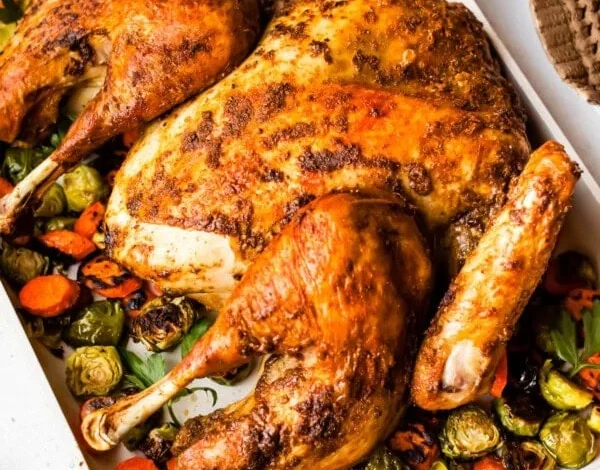
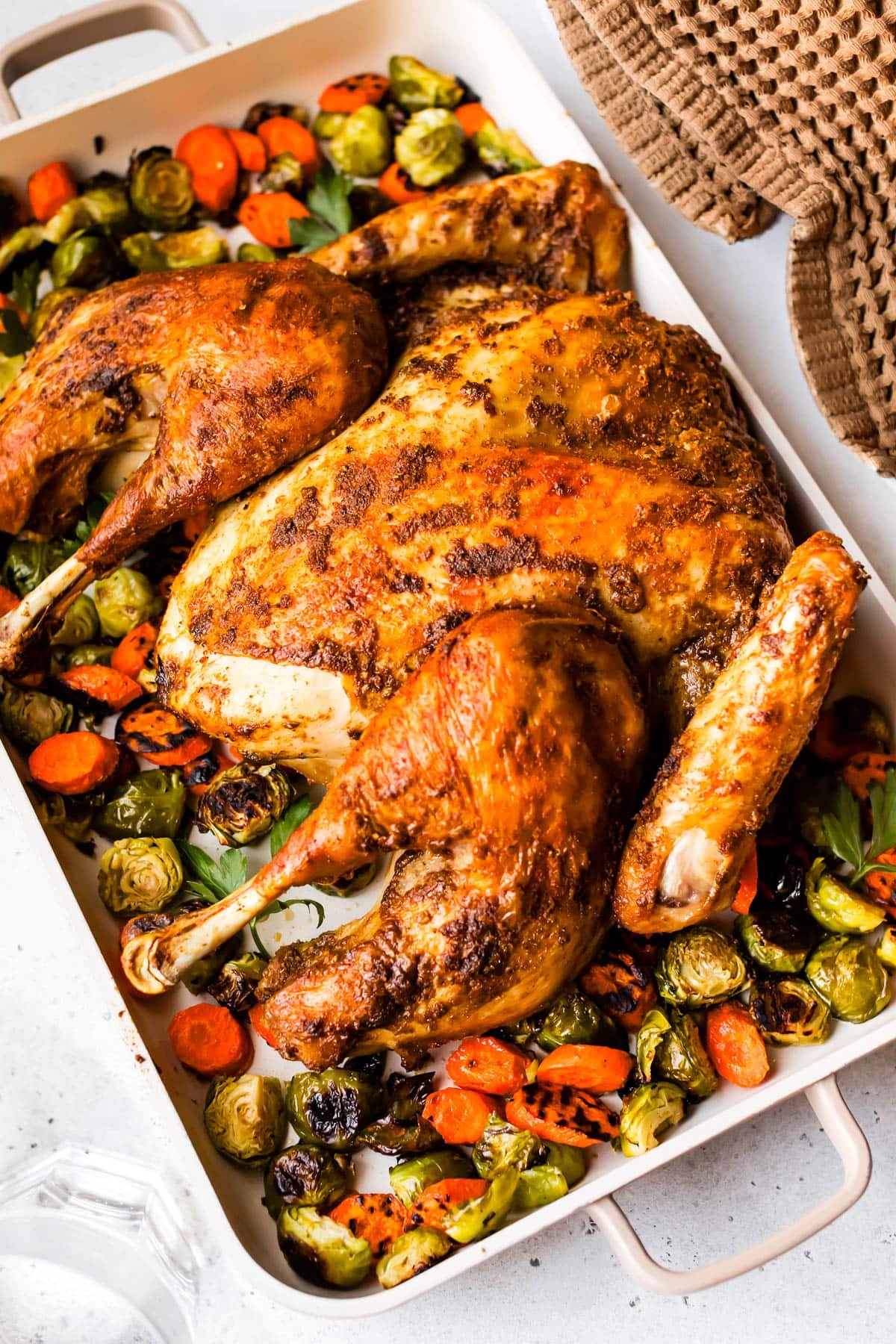
The culinary landscape of traditional holiday celebrations is undergoing a subtle yet significant evolution, driven by home cooks and food developers seeking efficiency without compromising flavor. Among the most notable innovations gaining traction ahead of the holiday season is the popularized technique of roasting a spatchcocked turkey coated in a seasoned mayonnaise base. Designed to bypass the intensive, multi-day preparation typically required for a standard Thanksgiving roast, this method achieves optimal moisture retention and crisp skin through structural modification and fat chemistry.
For decades, the standard holiday protocol for preparing a whole turkey involved cumbersome overnight wet brining or multi-day dry salting to prevent the lean white meat from drying out before the darker meat had fully cooked. Culinary experts have long noted the fundamental challenge of roasting a traditional whole bird: the breast meat and the thigh meat require different internal temperatures and cooking rates, frequently leading to overcooked white meat by the time the joints reach safety standards.
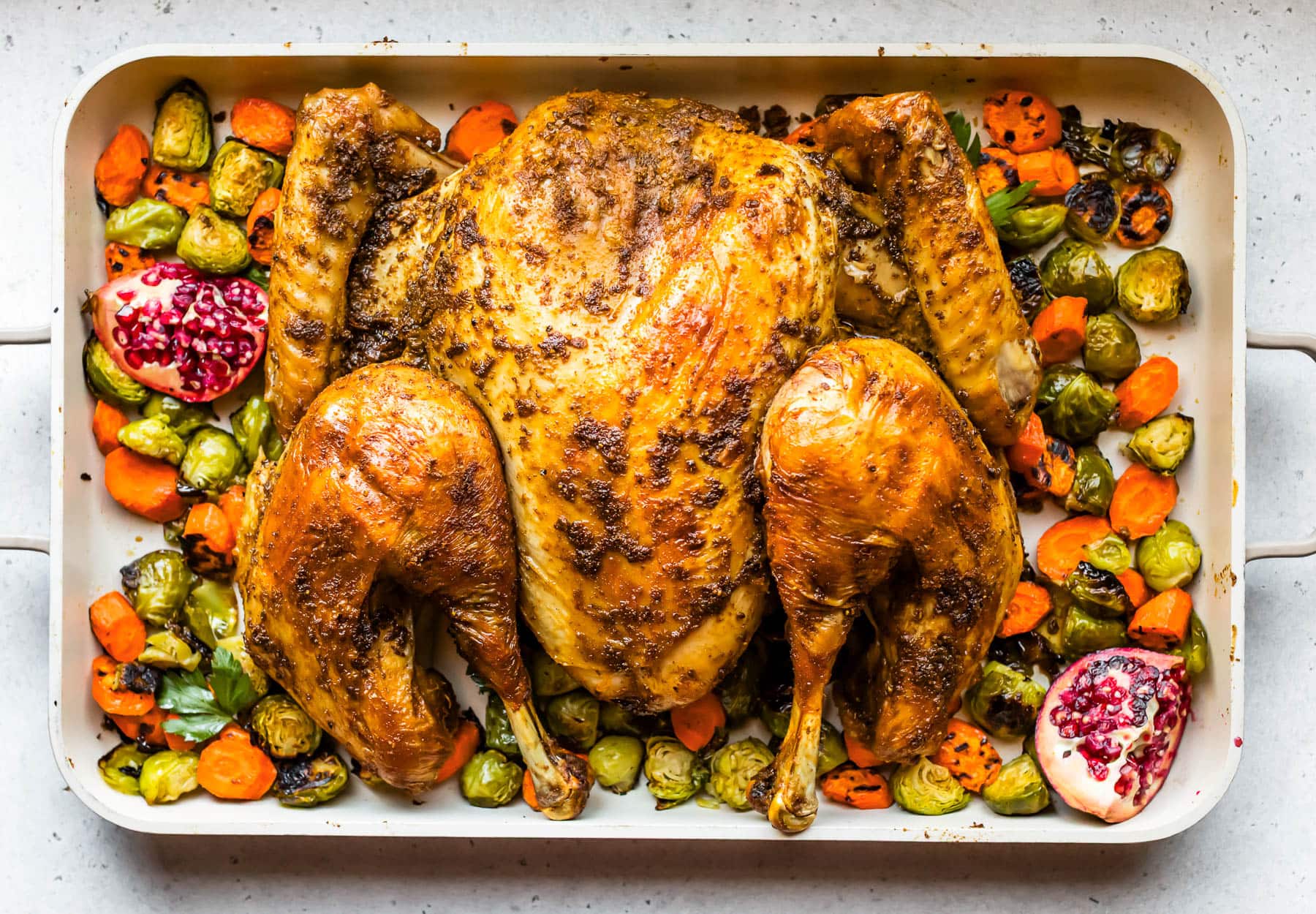
The spatchcock technique—also known as butterflying—resolves this structural dilemma. By removing the bird’s backbone with poultry shears and flattening the carcass onto a roasting pan, the entire surface area of the turkey is exposed to direct, uniform heat. This geometric adjustment drastically reduces overall roasting times. A standard 16-pound bird, which might ordinarily require hours of careful monitoring in an upright configuration, can be roasted efficiently in a fraction of the time when flattened. Furthermore, the application of a seasoned mayonnaise coating introduces a unique scientific advantage. Mayonnaise, an emulsion of oil and egg yolk, acts as a superior vehicle for distributing fat and spices evenly across the skin. As the turkey roasts, the oil and proteins in the mayonnaise promote rapid browning and moisture sealing, yielding a golden, ultra-crisp exterior while keeping the internal muscle tissue exceptionally juicy, all without the necessity of prior brining.
Background Context of Holiday Cooking Trends
In recent years, consumer preferences have shifted heavily toward time-saving kitchen methods that do not sacrifice gourmet results. Traditional Thanksgiving preparations often demand extensive advance planning, including up to 72 hours of refrigerator thawing for frozen poultry, followed by meticulous brining schedules. Culinary developers have responded by adapting restaurant-industry techniques—such as spatchcocking, which has been standard practice in professional kitchens for centuries—for home cooks managing hectic holiday schedules.

The integration of mayonnaise as a roasting medium is rooted in food science. Traditional butter or oil rubs often slide off the moist skin of raw poultry before they can render effectively. Mayonnaise adheres securely to the skin, creating an even barrier that protects the delicate breast meat underneath. The egg proteins within the emulsion undergo the Maillard reaction more efficiently at high temperatures, producing a rich, savory crust that rivals traditional methods requiring basting or rotisserie setups.
Chronology of Preparation and Cooking

Executing a spatchcocked turkey requires a specific sequence of steps designed to maximize food safety and culinary success. The process begins well in advance if utilizing a frozen bird, requiring several days of monitored thawing in a refrigerator at or below 40 degrees Fahrenheit.
Once thawed and patted completely dry, the preparation timeline follows a structured framework:
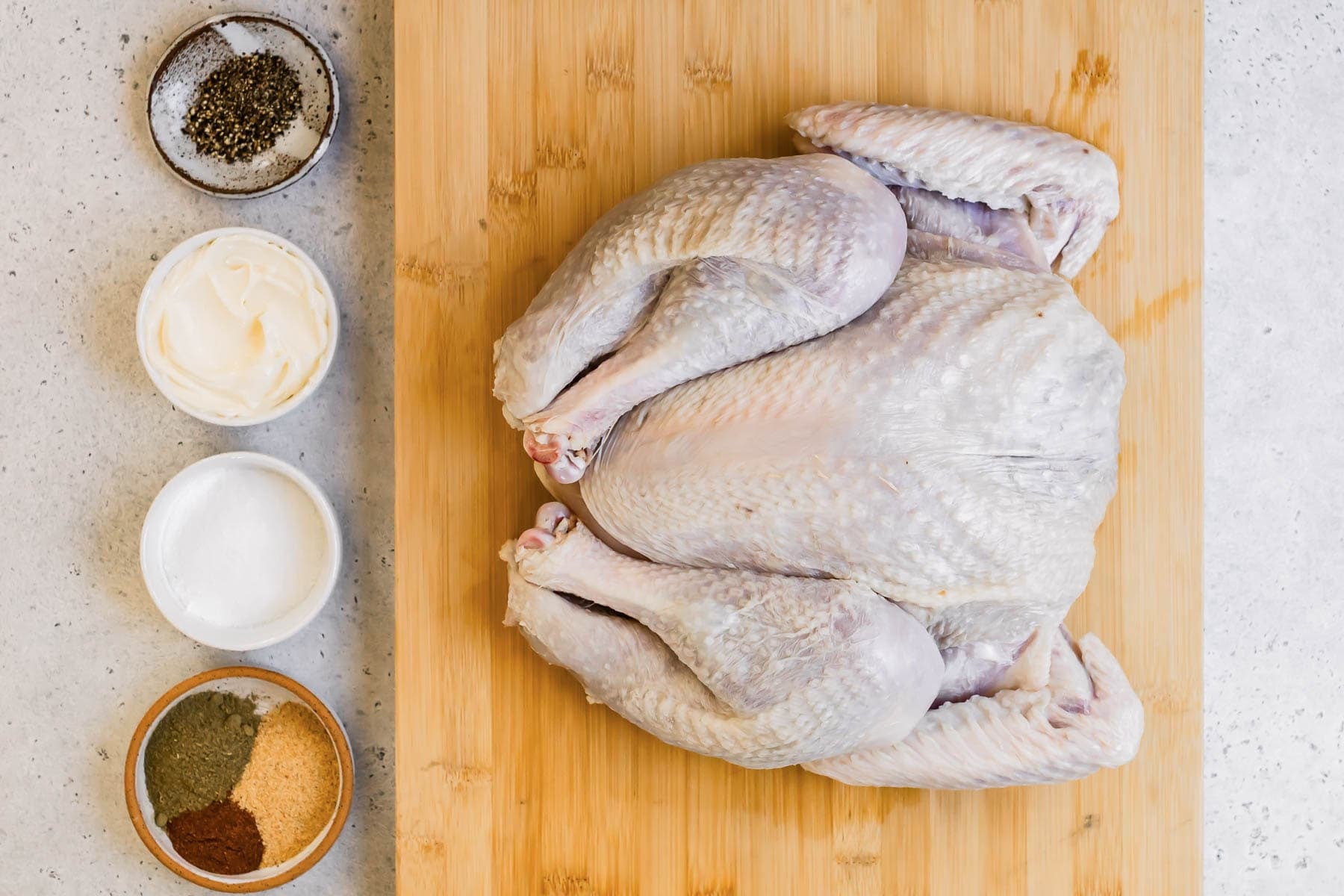
- Backbone Removal: Using heavy-duty poultry shears, the backbone is cut away from tail to neck on both sides. The turkey is then flipped and firmly pressed downward to crack the breastbone, allowing the bird to lie completely flat.
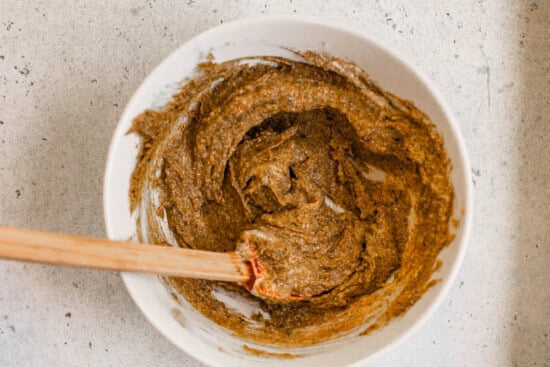
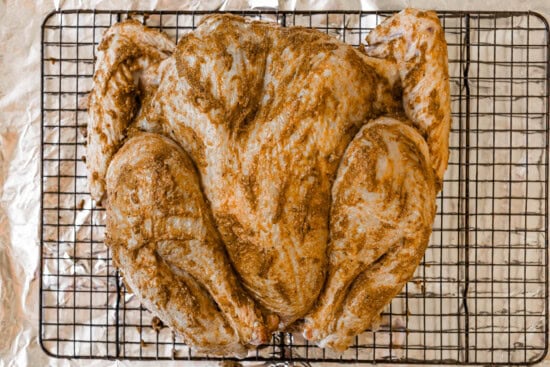
- Surface Seasoning: The flattened bird is coated thoroughly with the seasoned mayonnaise mixture, ensuring all contours of the skin are covered to promote uniform browning and seasoning penetration.
- Initial High-Heat Sear: Roasting commences at an elevated temperature, typically 425 degrees Fahrenheit, for the first 30 minutes to jump-start skin crisping and rendering.
- Temperature Reduction and Completion: The oven temperature is subsequently lowered to 350 degrees Fahrenheit for the duration of the cooking cycle, which generally spans an additional 60 to 90 minutes for a medium-sized bird.
- Rest and Carve: A critical resting period of approximately 30 minutes is observed prior to carving, allowing internal juices to redistribute throughout the muscle fibers.
Supporting Culinary Data and Nutritional Profile
From a nutritional and logistical standpoint, the spatchcock method presents distinct measurable advantages. Standard preparation protocols for a 16-pound bird often necessitate total cooking intervals exceeding three and a half hours. By contrast, the flattened surface area reduces overall oven exposure time, minimizing moisture loss through evaporation.
Nutritional analyses of the resulting skinless breast meat indicate a lean profile rich in high-quality protein. A standard six-ounce serving of roasted turkey breast contains approximately 283 kilocalories, negligible carbohydrates, and upwards of 50 grams of protein, with a moderate fat content derived from the application method. Sodium levels can be carefully controlled, with culinary guidelines advising adjustments based on whether the raw poultry has been pre-enhanced with saline solutions by the manufacturer.
Broader Impact and Culinary Implications
The widespread adoption of faster, streamlined roasting techniques reflects a broader cultural shift toward stress-reduction in holiday hosting. As multi-generational households gather and schedules become increasingly congested, the ability to produce a centerpiece holiday meal on the same day without sacrificing quality addresses a significant pain point for modern home cooks.
Culinary analysts note that simplifying core components of traditional meals—such as eliminating the brining and marinating phases—encourages novice cooks to attempt dishes that were previously viewed as intimidating or overly complex. Moreover, the versatility of the spatchcock method extends beyond Thanksgiving, paving the way for year-round poultry preparation that prioritizes efficiency, consistent texture, and robust flavor profiles.