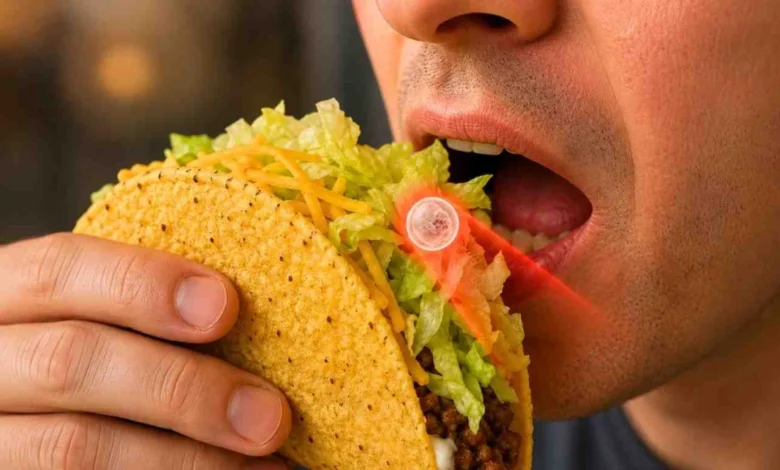
For weeks, a burgeoning wave of acute gastrointestinal illnesses, characterized by severe, "explosive diarrhea," baffled public health officials across the U.S. Midwest. The pervasive mystery surrounding the source of these cases, attributed to the parasitic infection cyclosporiasis, has begun to unravel. A significant breakthrough in the multi-state investigation now points to a specific product from a major supplier, distributed through a prominent fast-food chain: shredded iceberg lettuce supplied by Taylor Farms and served at certain Taco Bell restaurants. This development marks the most concrete lead in an investigation that has spanned several months, potentially linking hundreds of cases to this specific contamination pathway.
Unraveling the Mystery: The Investigation’s Progress
The initial reports of cyclosporiasis began surfacing earlier in the year, escalating rapidly across multiple Midwestern states. Health departments were confronted with a surge in patients presenting with similar, debilitating symptoms, but without a clear common exposure point. The nature of Cyclospora cayetanensis, a microscopic parasite, makes tracing its origin particularly challenging. Unlike bacterial pathogens such as E. coli or Salmonella, Cyclospora is not easily detected through routine laboratory tests, requiring specific requests from healthcare providers. Furthermore, its incubation period, which can range from a few days to several weeks, complicates efforts to pinpoint the exact moment of exposure.
Michigan’s health department took a leading role in the extensive epidemiological investigation, conducting interviews with over 1,000 sick patients. Through painstaking analysis of dietary histories and recent activities, a consistent pattern began to emerge: a significant number of affected individuals reported consuming lettuce or salad greens. While state officials caution against definitively stating that every illness originates from an identical exposure, the concentrated and sharp rise in cases strongly indicated a common source. This epidemiological evidence formed the bedrock upon which investigators began to narrow down potential culprits in the vast food supply chain.
The Culprit: Shredded Lettuce, Supplier, and Restaurant
The investigation’s focus eventually sharpened onto shredded iceberg lettuce. According to sources familiar with the ongoing probe, this particular product, traced back to Taylor Farms, a major produce supplier, was found to be distributed to specific Taco Bell locations. This cluster, encompassing at least 400 of the total cases identified, is predominantly concentrated in four Midwestern states where the affected Taco Bell restaurants are located. While officials are careful to note that the contaminated product may have been distributed more broadly, these identified cases represent a critical breakthrough in understanding the outbreak’s primary vector.
Taylor Farms is one of the largest producers of fresh-cut vegetables in North America, supplying a vast network of grocery stores, food service establishments, and restaurant chains. The company’s extensive reach means that any contamination event in its supply chain has the potential for widespread public health implications. The confirmation of this specific link, while still under active investigation and not yet a formal recall, provides much-needed direction for public health agencies and offers a clearer picture for affected consumers.
Understanding Cyclospora: A Persistent Public Health Challenge
Cyclospora cayetanensis is an obligate intracellular protozoan parasite that causes cyclosporiasis. Infection occurs when a person ingests food or water contaminated with sporulated Cyclospora oocysts, which are microscopic, environmentally resistant forms of the parasite. Unlike many other foodborne pathogens, Cyclospora does not spread directly from person to person. The oocysts must first sporulate outside the host, a process that typically takes 1-2 weeks in suitable environmental conditions, making direct human-to-human transmission unlikely.
Symptoms of cyclosporiasis can be severe and prolonged, often manifesting as sudden onset of watery diarrhea, which can be explosive. Other common symptoms include loss of appetite, weight loss, abdominal cramps, bloating, increased gas, nausea, and fatigue. Vomiting and low-grade fever are less common but can occur. If untreated, symptoms can last for weeks or even months, often exhibiting a relapsing course. The standard treatment is a combination of trimethoprim and sulfamethoxazole (Bactrim), an antibiotic. For individuals allergic to sulfa drugs, alternative treatments are available, though often less effective.
Historically, Cyclospora outbreaks were often linked to contaminated water sources, such as recreational swimming areas or untreated drinking water in certain regions. However, in recent decades, a growing number of outbreaks in developed countries have been associated with contaminated fresh produce, particularly leafy greens, berries, and herbs consumed raw. The challenges in tracing these outbreaks stem from the complexity of modern agricultural practices, global supply chains, and the parasite’s resilience to common sanitization methods.
A History of Contamination: Taylor Farms’ Track Record
The current investigation is not the first time Taylor Farms has been implicated in foodborne illness outbreaks. The company, a major player in the fresh produce industry, has faced scrutiny over its food safety practices in the past. In 2024, Taylor Farms products were linked to an E. coli outbreak involving slivered onions, highlighting persistent challenges in controlling bacterial contamination. More pertinently, the company was also connected to a Cyclospora outbreak in 2013 that involved contaminated lettuce, drawing parallels to the current situation.
This track record raises significant questions about the robustness of food safety protocols within the company’s supply chain. While foodborne illness outbreaks are complex and can occur in any operation, a pattern of repeated incidents involving different pathogens points to potential systemic vulnerabilities. The fresh produce industry, in general, faces inherent challenges due to the nature of farming, harvesting, and processing raw ingredients that are often consumed without further cooking. However, consumers and regulators expect suppliers to implement rigorous measures to minimize risks.
Official Responses and Industry Actions

In response to media inquiries and the evolving investigation, Taco Bell has maintained a cautious stance. The company publicly stated that "public health officials have not confirmed a link to Taco Bell or any specific ingredient, supplier, restaurant or retailer." However, in a move indicative of serious concern, Taco Bell also confirmed that it had "voluntarily and temporarily removed limited ingredients at select restaurants as a precautionary measure." This proactive step, even without a formal confirmation or recall, underscores the gravity of the situation and the company’s commitment to consumer safety, or at least, reputation management.
Taylor Farms, for its part, has reportedly not responded to specific requests for comment regarding the more precise reporting linking shredded lettuce directly to their supply chain. This silence, while not an admission of guilt, can be problematic for a company of its stature during an active public health crisis. Transparency and cooperation with public health authorities are critical in such situations to facilitate investigations and restore consumer confidence.
The Centers for Disease Control and Prevention (CDC) and the U.S. Food and Drug Administration (FDA) are typically central to multi-state foodborne illness investigations. The FDA’s role includes tracing contaminated food products through the supply chain, while the CDC focuses on epidemiological investigation and public health communication. Both agencies work in conjunction with state and local health departments. While specific statements from these federal agencies regarding the Taco Bell/Taylor Farms link were not immediately available beyond the general outbreak updates, their involvement ensures a coordinated national response aimed at identifying the source and preventing further illnesses.
The Broader Landscape: Cyclospora Outbreaks in the U.S.
The current outbreak, with nearly 7,000 cases confirmed or under investigation nationwide by July 2026, as reported by the CDC, stands to be one of the largest, if not the largest, Cyclospora outbreaks on record in the United States. This scale eclipses previous significant outbreaks. For instance, in 2013, a multi-state Cyclospora outbreak linked to a salad mix resulted in over 600 reported cases across 25 states. More recently, in 2018, an outbreak linked to pre-cut salad and other fresh produce sickened over 2,000 people across 15 states. The sheer volume of cases in the 2026 outbreak highlights an urgent public health crisis and a significant challenge for food safety systems.
The recurring nature of large-scale Cyclospora outbreaks linked to fresh produce underscores the vulnerability of the modern food supply chain. Factors such as global sourcing, reliance on agricultural workers, water quality in growing regions, and processing practices all contribute to the potential for contamination. The demand for fresh, ready-to-eat produce, while offering nutritional benefits, also presents unique food safety challenges compared to cooked foods.
Challenges in Tracing Foodborne Parasites
Tracing the source of foodborne parasitic outbreaks like cyclosporiasis is notoriously difficult. Several factors contribute to this complexity:
- Resilience of Oocysts: Cyclospora oocysts are highly resistant to common disinfectants and can survive for extended periods in the environment, including on produce surfaces.
- Lack of Routine Testing: As mentioned, Cyclospora is not typically included in routine stool panels. Doctors must specifically request a Cyclospora test, which can delay diagnosis and epidemiological data collection.
- Complex Supply Chains: Fresh produce often travels through intricate global supply chains, involving multiple farms, packing facilities, distributors, and retailers. Pinpointing the exact point of contamination can be like finding a needle in a haystack.
- Intermittent Shedding: Infected individuals may not shed oocysts consistently, and the parasite is not uniformly distributed in contaminated food, making detection challenging even with targeted testing.
- Water Contamination: While often linked to food, agricultural water used for irrigation or washing produce can be a source of contamination, making it difficult to trace back to a specific farm or even region.
These challenges necessitate a multi-pronged approach involving detailed patient interviews, advanced laboratory testing, and robust supply chain investigations to identify the source and implement control measures.
Consumer Guidance and Safety Precautions
Given that this is an active, unconfirmed investigation and not a formal recall, there are no official instructions from regulatory bodies to specifically avoid Taco Bell or Taylor Farms products. However, public health experts emphasize general food safety precautions that are always prudent, especially when consuming raw produce:
- Opt for Whole Produce: Whenever possible, choose whole heads of lettuce or other vegetables over pre-cut or bagged versions. While not foolproof, this can sometimes reduce exposure to potential cross-contamination during processing.
- Thorough Washing: Always wash produce thoroughly under running water, even if it’s pre-washed or organic. While washing may not remove all parasites, it can significantly reduce surface contaminants. Use a clean produce brush for firmer items.
- Cook if Possible: Heat destroys the Cyclospora parasite entirely. Cooking vegetables can be a definitive way to eliminate the risk of infection.
- Practice Good Hygiene: Wash hands thoroughly with soap and water before and after handling food.
- Seek Medical Attention: If you have eaten at an affected Taco Bell location in the Midwest recently and develop sudden, watery diarrhea, abdominal cramps, or other symptoms consistent with cyclosporiasis, it is crucial to consult your doctor. Be sure to specifically mention your potential exposure and ask for a Cyclospora test, as it requires a targeted diagnostic approach.
Implications for the Food Supply Chain and Regulation
This large-scale Cyclospora outbreak carries significant implications for the broader food industry and regulatory landscape. For companies like Taylor Farms and Taco Bell, the reputational and financial costs can be substantial, regardless of ultimate fault. It underscores the critical need for robust traceability systems that allow for rapid identification and isolation of contaminated products. Enhanced microbial testing throughout the supply chain, particularly for high-risk raw produce, may also come under greater scrutiny.
From a regulatory perspective, recurring outbreaks could lead to calls for stricter enforcement of existing food safety standards, or even the development of new regulations specifically targeting parasitic contamination in fresh produce. The FDA’s Produce Safety Rule, part of the Food Safety Modernization Act (FSMA), aims to prevent contamination of produce. However, challenges in implementing and enforcing these rules, especially across complex international supply chains, remain. This incident may prompt a reevaluation of current inspection protocols and the effectiveness of preventative controls.
Ultimately, the 2026 Cyclospora outbreak serves as a stark reminder of the delicate balance required to ensure a safe and abundant food supply. It highlights the constant vigilance needed from growers, processors, distributors, retailers, and regulatory agencies to protect public health in an increasingly interconnected global food system. As the investigation progresses, its findings will undoubtedly inform future food safety strategies aimed at preventing such widespread illnesses.