2026 Christmas Gifts For Men That He Will Actually Love With Stocking Stuffer Ideas


The annual holiday shopping season presents a consistent logistical challenge for consumers: selecting meaningful, high-utility gifts for men that avoid the pitfalls of waste and impersonal commerce. Market analysis from the National Retail Federation indicates that holiday spending consistently accounts for nearly 20% of annual retail sales in the United States, with a significant portion of that budget allocated to gifting. As sustainability becomes a prioritized value among modern consumers, the trend has shifted away from novelty items toward durable, high-quality goods designed for longevity.

The Evolution of Holiday Gift-Giving Trends
The historical trajectory of holiday gift-giving has transitioned from simple, utilitarian exchanges to a complex industry driven by personalization and lifestyle alignment. In the early 20th century, gifts were largely functional—tools for the home or warm clothing were the standard. By the mid-to-late 20th century, consumerism expanded to include luxury goods and electronic novelties.
As of 2026, data suggests that the "conscious consumer" movement is influencing purchasing habits. Buyers are increasingly scrutinizing supply chains, material sourcing, and the environmental footprint of their purchases. This shift is particularly evident in the men’s gift category, where there is a growing demand for items that serve a specific purpose, such as advanced filtration systems for outdoor recreation, health-monitoring technology, and high-performance, non-toxic skincare formulations.
Categorizing High-Utility Gifts
Industry experts categorize successful holiday gifts into several core pillars based on consumer interest and lifestyle requirements. By focusing on these categories, gift-givers can minimize the risk of waste—a critical concern given that the Environmental Protection Agency (EPA) reports an increase in household waste during the holiday season.
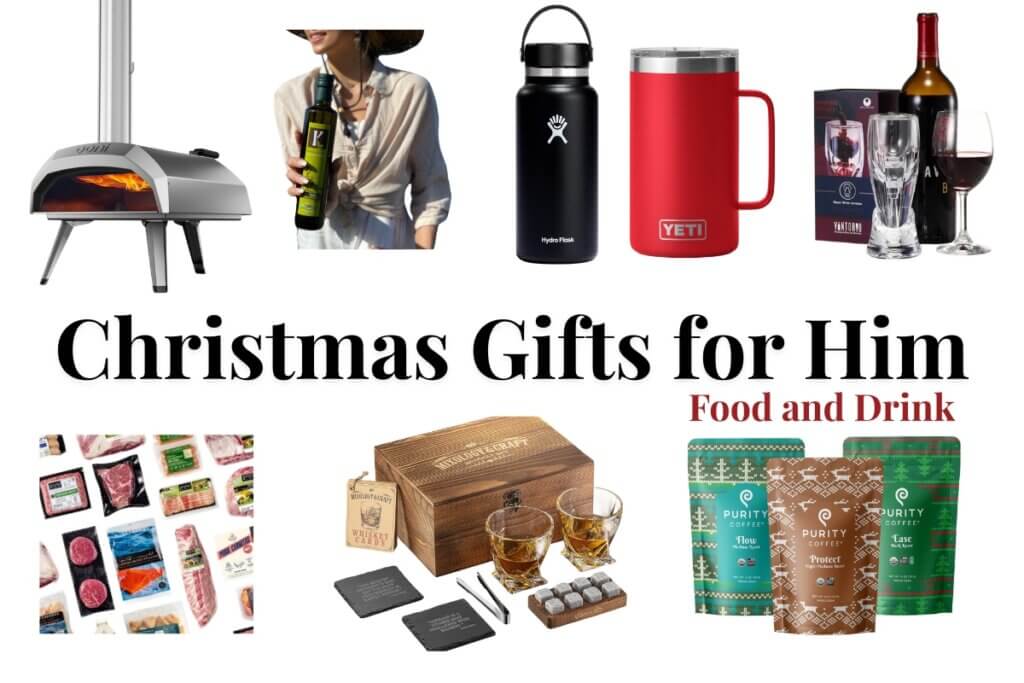
Culinary and Gastronomy
For the culinary-focused recipient, the market has seen a resurgence in artisanal tools that favor performance over aesthetics. Rather than mass-produced kitchen gadgets, the focus is on heavy-duty equipment—such as cast-iron cookware or precision-engineered grilling tools—that can last a lifetime. This aligns with the "buy it for life" philosophy, which seeks to mitigate the environmental impact of disposable consumer goods.
Wellness and Biological Optimization
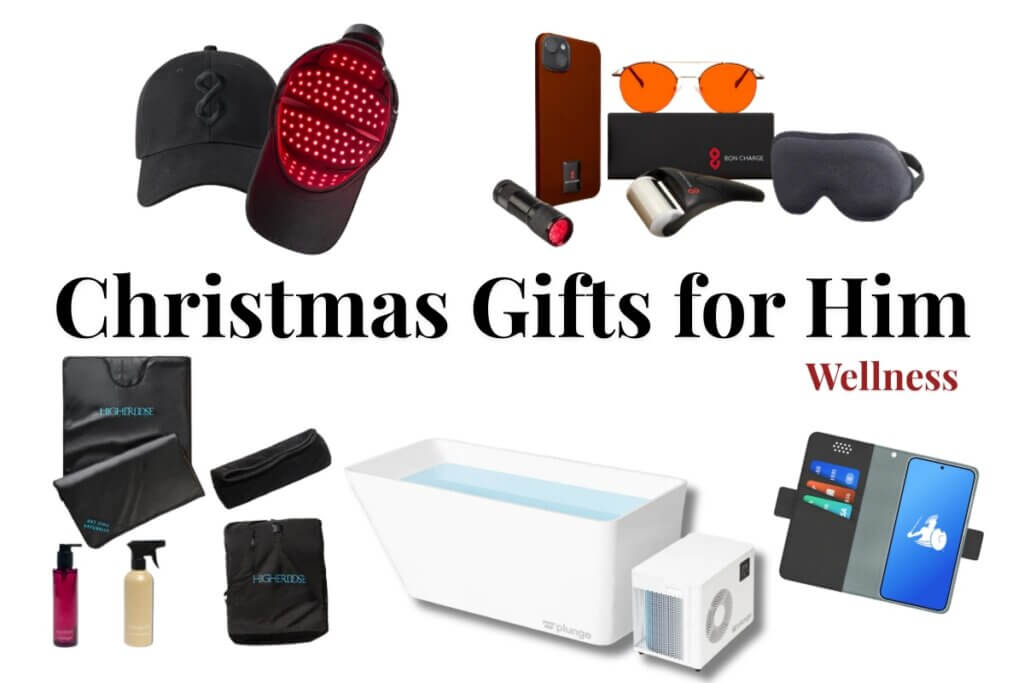
The wellness sector for men has expanded significantly in the last five years, moving beyond basic grooming to include performance-enhancing and health-protective gear. This includes items designed to reduce exposure to non-native electromagnetic fields (EMF), portable water purification systems for urban or remote use, and recovery tools designed for muscle rehabilitation. These items are frequently chosen for their evidence-based utility, appealing to demographics interested in longevity and preventative health.
Outdoor and Travel Infrastructure
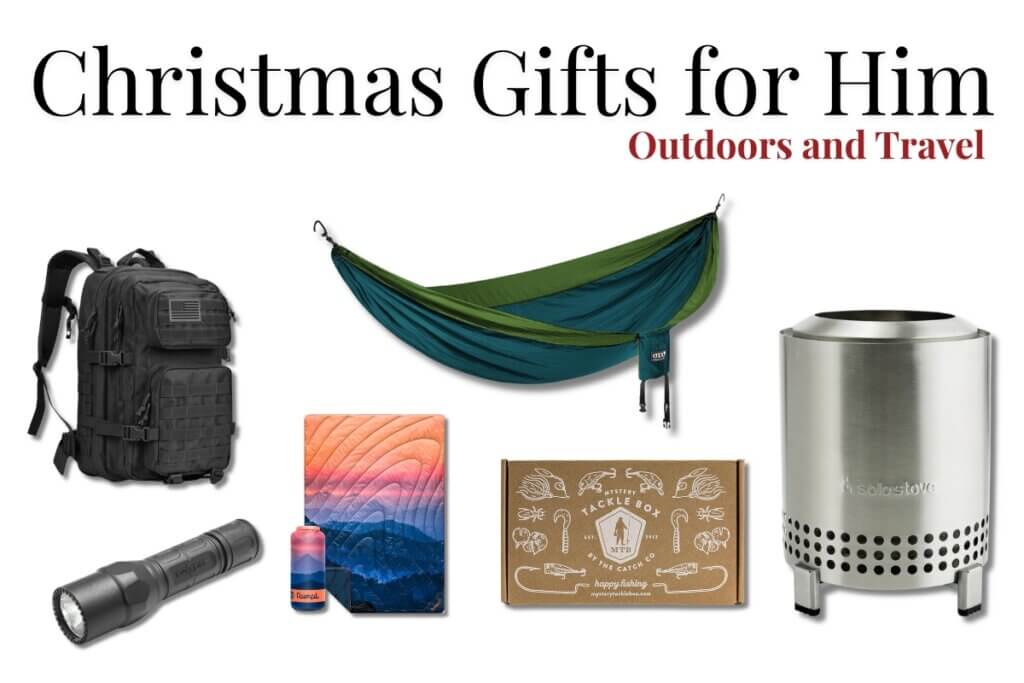
With the rise of remote work and the "digital nomad" lifestyle, the demand for modular, durable outdoor gear has peaked. Equipment that serves dual purposes—such as weather-resistant travel cases that double as gear storage or collapsible, high-capacity water filtration vessels—is increasingly popular. Analysis of market trends shows that durability and modularity are the primary drivers for this category, as consumers prioritize products that can withstand frequent use in varying environmental conditions.
Skincare and Personal Maintenance
There has been a measurable shift in the men’s grooming market, moving away from harsh synthetic fragrances and toward natural, high-performance formulations. Retail data indicates that men are increasingly receptive to skincare routines that emphasize ingredient transparency and efficacy. Products such as mineral-based sunscreens, chemical-free moisturizers, and high-quality grooming tools that reduce waste are becoming staples in the holiday gift-giving landscape.
Economic and Environmental Implications
The impact of thoughtful gift-giving extends beyond the recipient’s satisfaction. By selecting items built for durability, consumers contribute to a reduction in the volume of goods ending up in landfills. Research from the circular economy sector suggests that shifting away from "fast-gift" culture—often represented by generic gift cards or mass-produced plastic trinkets—can significantly lower the carbon footprint associated with holiday logistics.

Furthermore, the economic implications are noteworthy. Supporting companies that prioritize sustainable manufacturing creates a market signal that encourages ethical production standards. When consumers choose quality over quantity, they are effectively voting for a more sustainable retail model, forcing manufacturers to compete on the basis of product lifespan rather than just price points.
Strategic Selection and Stocking Stuffers
The challenge of the "stocking stuffer" is often the most difficult, as these items are frequently relegated to disposable or novelty status. However, experts suggest that this segment offers an opportunity to introduce recipients to high-quality, consumable goods. Examples include organic, nutrient-dense food items, sustainable grooming supplies, or essential, low-cost tools that improve daily efficiency.
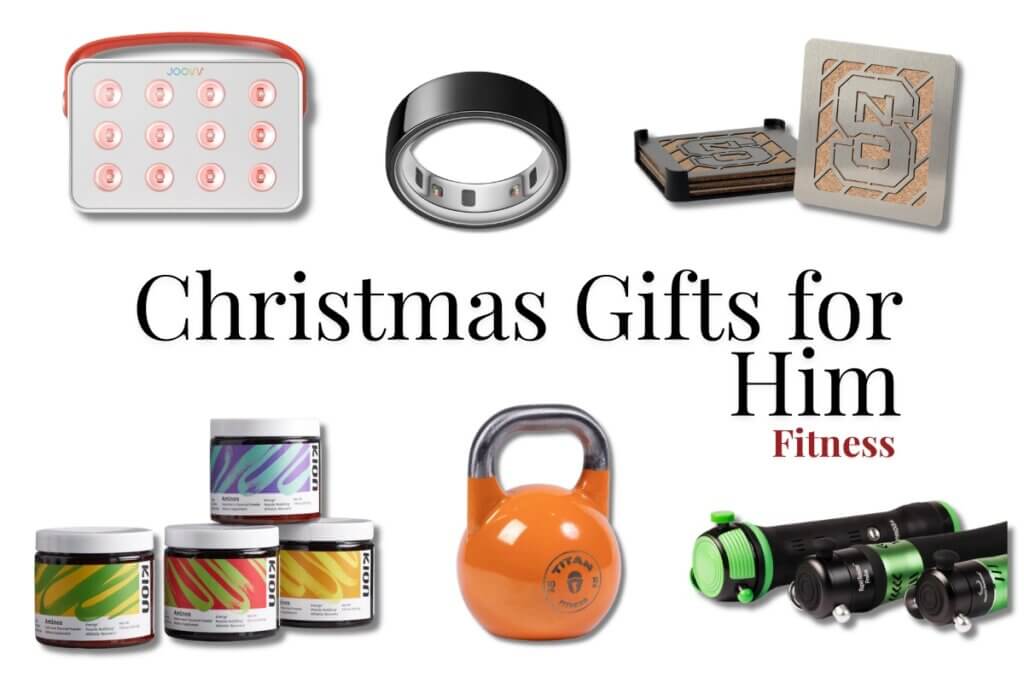
When evaluating potential gifts, the following criteria are often cited by consultants as indicators of a high-value purchase:
- Longevity: Is the product designed to last for years, or is it a seasonal novelty?
- Material Integrity: Are the materials safe, non-toxic, and sustainably sourced?
- Functionality: Does the item solve a specific problem, or does it contribute to clutter?
- Repairability: Can the item be repaired if damaged, or is it destined for the bin?
The Future of Gift-Giving
As we look toward the latter half of the 2020s, the focus on intentional gifting is expected to intensify. The convergence of technological advancement—such as the integration of health sensors in daily accessories—and a return to traditional, high-quality craftsmanship suggests a hybrid future for the gift industry.
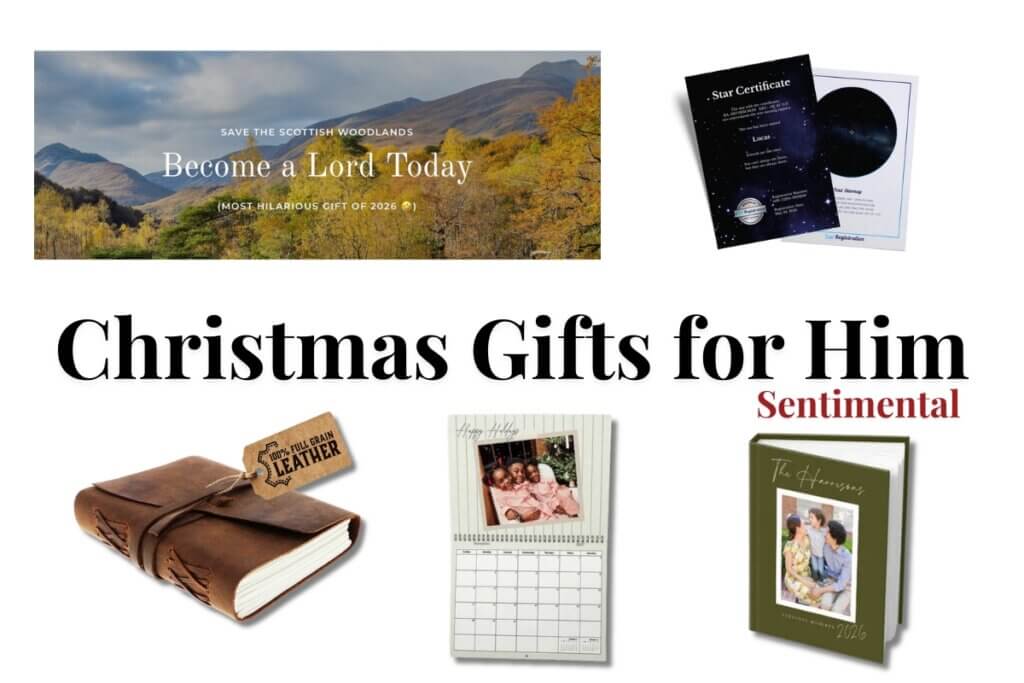
Retailers are responding by offering more comprehensive information regarding the origin of their products, providing consumers with the context necessary to make informed decisions. This transparency is crucial for the modern buyer, who is increasingly wary of greenwashing and demands proof of ethical production.
In conclusion, the most effective gifts for men in 2026 are those that transcend the traditional boundaries of the holiday season, offering lasting utility, health benefits, and environmental responsibility. Whether the recipient is an outdoor enthusiast, a home-cook, or someone focused on personal wellness, the shift toward quality-centric purchasing ensures that gifts are not merely received, but integrated into the recipient’s daily life. This transition toward mindful consumption represents a significant advancement in the way we celebrate and honor our relationships through the act of giving.
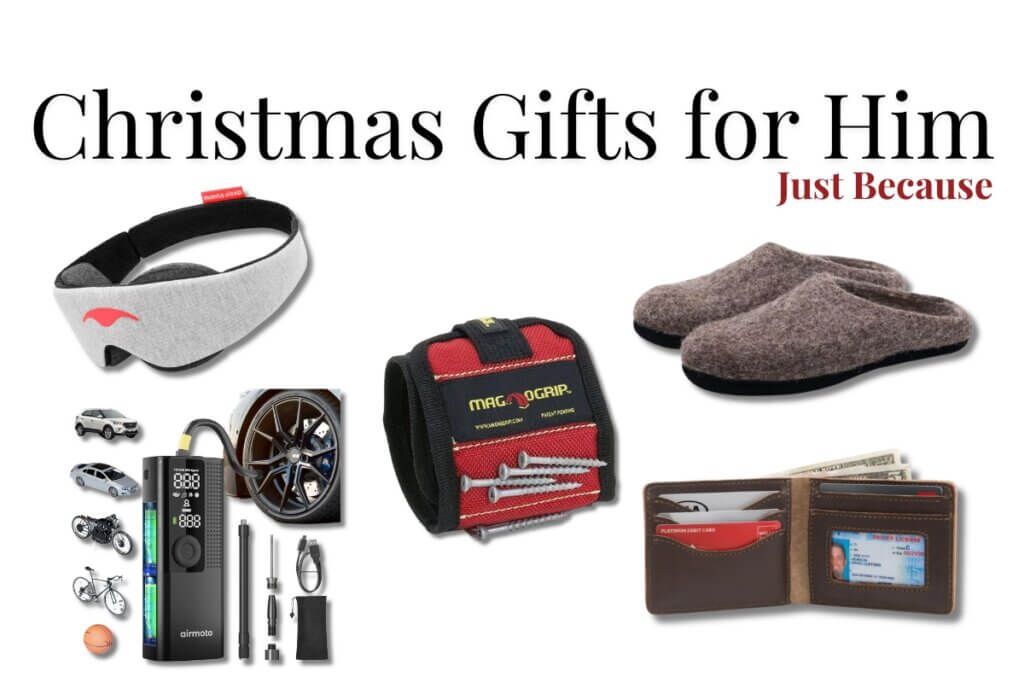
As we approach the end of the year, the recommendation remains to focus on the intersection of necessity and quality. By adhering to these standards, gift-givers can ensure their contributions are both appreciated and enduring, ultimately contributing to a more sustainable and meaningful holiday tradition.