The prevailing narrative surrounding modern adolescence often centers on a perceived deficit of empathy. Educators, parents, and social commentators frequently lament a generation supposedly desensitized by digital screens and isolated by algorithmic social silos. However, recent empirical research into the Youth Compassion Measure suggests that this diagnostic framework is fundamentally flawed. Data indicates that the overwhelming majority of adolescents are not indifferent to the suffering of their peers; rather, the challenge lies not in the capacity to care, but in the complex, high-stakes navigation of translating that internal sentiment into observable, public action.
The Anatomy of Inaction: A Shift in Understanding
For decades, the standard psychological model of compassion has been viewed as a linear progression: observation of distress, the internal experience of concern, and the subsequent execution of a supportive act. Emerging studies conducted by researchers at the Greater Good Science Center, however, indicate that for teenagers, this process is frequently interrupted by the volatile social ecosystem of the middle and high school experience.
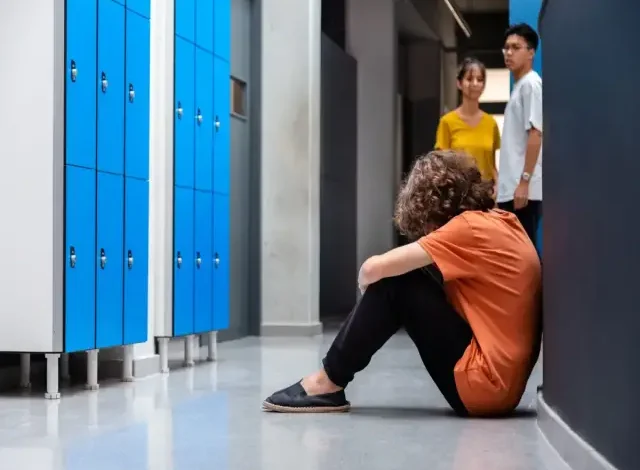
In this context, compassion acts as a secondary layer of decision-making. A teenager observing a peer eating lunch alone in a cafeteria is not merely weighing the moral imperative to intervene; they are simultaneously conducting a rapid-fire risk assessment. Factors such as social standing, the potential for peer ridicule, and the ambiguity of the situation create a "friction zone" that often halts the transition from feeling to doing.
Chronology of Social Development and Moral Reasoning
The development of compassionate response in adolescents mirrors the broader trajectory of neurobiological and social-emotional maturation.

- Early Adolescence (Ages 11–13): During this phase, peer acceptance becomes the primary driver of behavior. The "spotlight effect"—the belief that others are hyper-focused on one’s own actions—is at its peak. Research shows that during these years, adolescents are highly attuned to social risks, making them the most hesitant to act against the grain of peer norms.
- Mid-Adolescence (Ages 14–16): As identity formation solidifies, intrinsic motivations begin to rival social pressures. Teens in this bracket are more likely to act if they perceive the intervention as consistent with their personal values, though they remain highly susceptible to the influence of "social gatekeepers" within their friend groups.
- Late Adolescence (Ages 17–19): By this stage, cognitive emotional regulation skills—specifically the ability to manage distress tolerance—begin to mature, allowing for more consistent prosocial behavior even in high-pressure environments.
Data-Driven Insights into Prosocial Behavior
Recent data sets derived from the Youth Compassion Measure reveal four critical pillars that dictate whether an adolescent intervenes in a situation of distress. These factors serve as the primary barriers or facilitators for compassionate action:
- Peer Dynamics: Prosocial behavior is significantly higher when the individual in distress is a member of the actor’s inner circle. This suggests that school-wide initiatives aimed at "kindness" often fail because they ignore the relational nature of compassion. If an adolescent feels a strong sense of belonging within a group, they are statistically more likely to extend that safety to others.
- Social Risk Assessment: In many documented instances, students report that the fear of "social contagion"—being ostracized for associating with a victim—outweighs their moral inclination to help. This confirms that for the adolescent, a moral act is also a political act within the school hierarchy.
- Emotional Regulation and Distress Tolerance: Contrary to the belief that empathy is a passive state, the study highlights that remaining present during another’s suffering requires significant emotional regulation. Adolescents who lack the tools to manage the discomfort of witnessing pain are more likely to engage in "avoidance behavior," which observers often misinterpret as apathy.
- Intrinsic Prosocial Motivation: Adolescents who define themselves as "helpers" are far more likely to overcome social risks. When prosocial behavior is linked to internal identity rather than external rewards, the consistency of these actions increases dramatically.
Implications for Educational Institutions
The current model of school-based anti-bullying and empathy programs is often criticized for its reliance on external incentives. Educators frequently use public praise or reward systems to encourage kindness. However, longitudinal data suggests that these external motivators are less effective than fostering an environment where internal, intrinsic motivation is cultivated.
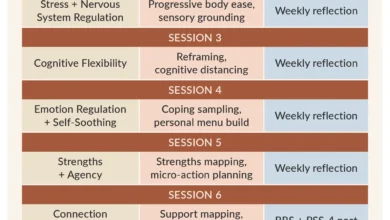
"The distance between caring and acting is filled with questions about belonging, uncertainty, responsibility, and risk," notes Dr. Tyralynn Frazier, a lead researcher in the field. This observation implies that schools should shift their focus from teaching empathy as a singular, abstract concept to teaching "compassion in action." This involves pedagogical shifts toward mindfulness, emotional regulation training, and the creation of "socially safe" zones where intervention is not just permitted but culturally rewarded by the student body.
A New Framework for Youth Development
The broader impact of these findings necessitates a move away from the "moral character" narrative. When an adolescent remains silent during a moment of bullying, it is often not a failure of character, but a failure of the surrounding social infrastructure to support them.
If we examine the "bystander effect" through the lens of developmental psychology, it becomes clear that adults must provide the framework for students to manage the internal conflict between self-protection and altruism. For parents and educators, this requires a dual approach:

First, validate the difficulty of the situation. Acknowledging that it is "scary to speak up" helps lower the pressure on the adolescent and validates their emotional experience. Second, provide concrete, actionable scripts. Role-playing social scenarios helps move the response from an impulsive, fear-based reaction to a practiced, value-based behavior.
Conclusion: The Future of Compassionate Action
The transition from a passive witness to an active helper is a sophisticated developmental milestone. By viewing compassion as a skill—one that requires emotional regulation, risk management, and relational security—we can better support the next generation.
The goal for the future of secondary education is not to demand more "caring" from students, but to construct environments that facilitate the natural translation of that care into reality. By strengthening peer networks and providing the psychological tools to remain present in uncomfortable situations, schools can bridge the gap between internal empathy and external action. The evidence is clear: the care is already present. The task ahead is to ensure that the environment is conducive to its expression, thereby transforming the silence of the bystander into the presence of the ally. Through this systematic approach, we can move beyond the surface-level assessment of adolescent behavior and address the deeper, structural needs that allow compassion to flourish in the modern age.
Related posts: