Vitamin D nearly doubled how often chemo left no detectable cancer in a breast cancer trial

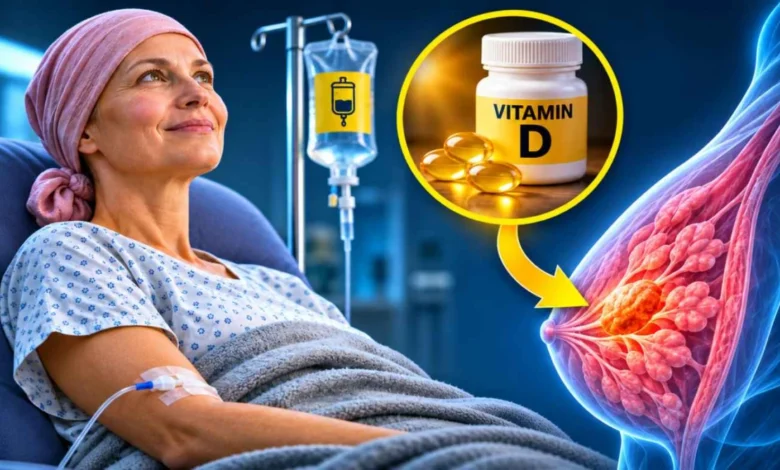
The integration of nutritional science into conventional oncology has long been a subject of intense investigation, and recent clinical data suggests a promising new synergy between a common supplement and aggressive cancer treatment. A randomized, double-blind clinical trial conducted by researchers at the Botucatu Medical School at São Paulo State University (UNESP) has demonstrated that patients undergoing neoadjuvant chemotherapy for breast cancer experienced significantly improved outcomes when supplemented with vitamin D. The findings, which were published in the peer-reviewed journal Nutrition and Cancer, indicate that the addition of this micronutrient to a standard chemotherapy protocol nearly doubled the rate of pathologic complete response (pCR)—the total disappearance of tumor tissue—compared to a control group.
The Clinical Framework and Methodology
Neoadjuvant chemotherapy, or systemic therapy administered prior to primary surgical intervention, is a standard clinical strategy designed to shrink tumors, thereby facilitating breast-conserving surgery and providing physicians with an early assessment of how the cancer responds to specific drugs. In the UNESP study, researchers enrolled 80 female participants, all over the age of 45, who were scheduled to begin this treatment regimen.
The cohort was divided into two equal groups: the intervention group received 2,000 international units (IU) of vitamin D daily, while the control group received a placebo. Of the original participants, 75 completed the rigorous six-month study duration. The primary endpoint was the measurement of pCR, a critical metric in oncology because it serves as a powerful prognostic indicator. Patients who achieve pCR—meaning that upon surgical examination, no residual invasive cancer is found in the breast or lymph nodes—generally demonstrate higher rates of long-term disease-free survival.
The results were striking: 43% of the women in the vitamin D cohort achieved a pathologic complete response, compared to only 24% in the placebo group. Furthermore, the researchers observed a dose-response relationship; those who achieved higher serum concentrations of vitamin D throughout their treatment course showed a stronger likelihood of tumor eradication.
Chronology of Evidence: A Converging Consensus
The Brazilian trial does not stand alone in the scientific landscape. Its findings are bolstered by a separate, independently conducted randomized controlled trial in Turkey, involving a larger pool of 227 women. This secondary study utilized a different delivery mechanism—administering 50,000 IU of vitamin D3 weekly rather than the lower daily dose used in the UNESP trial. Despite these variations in protocol, the Turkish researchers reported a remarkably similar outcome: a significantly higher rate of pCR among those who received the supplement.
The convergence of results from two distinct patient populations and two different dosing strategies provides a higher degree of scientific confidence than a single, small-scale trial could offer. By replicating these outcomes, the studies shift the discussion from a theoretical potential to a tangible area for future clinical guidelines. This alignment of findings suggests that the protective or synergistic effect of vitamin D in the context of chemotherapy is not an isolated phenomenon but rather a robust biological interaction worthy of large-scale, multi-center validation.
Mechanistic Foundations: Why Vitamin D May Enhance Chemotherapy
The biological rationale behind these findings is rooted in the known physiological roles of vitamin D. Beyond its traditional association with bone density and calcium homeostasis, vitamin D functions as a secosteroid hormone that influences gene expression throughout the body.

In the context of oncology, preclinical research—including studies on cell cultures and murine models—has suggested several pathways through which vitamin D may sensitize cancer cells to chemotherapy. One hypothesis involves the modulation of cell-signaling pathways that govern apoptosis, or programmed cell death. Chemotherapy drugs work by inducing damage to cancer cells, triggering them to die; however, cancer cells often develop mechanisms to resist these signals. Vitamin D may interfere with these survival mechanisms, effectively "lowering the threshold" for the drugs to be effective.
Additionally, vitamin D plays a foundational role in immune system regulation. By promoting a more favorable immune environment, the supplement may assist the body’s internal defenses in identifying and destroying residual malignant cells that survive the initial chemical assault. While the exact molecular pathways in human patients remain a subject of active mapping, the clinical data suggests that the presence of sufficient vitamin D creates a more hostile environment for tumor persistence.
Implications for Modern Oncology
The implications of these findings are substantial for clinical practice. Pathologic complete response is a gold standard in breast cancer research, and any intervention that can safely increase these rates—without significantly increasing the toxicity profile of the primary treatment—represents a meaningful advancement in patient care.
However, the medical community remains cautious regarding the immediate application of these results. It is essential to distinguish between the clinical use of a targeted, monitored dose in a trial setting and the practice of self-prescribing supplements. Excess vitamin D intake can lead to hypercalcemia, a condition marked by dangerously high levels of calcium in the blood, which can cause kidney damage, cardiac arrhythmias, and confusion. The researchers at UNESP were careful to state that their intervention was a specific, moderate dose well below the threshold of toxicity, and they explicitly warned against "megadosing" without professional medical supervision.
Future Research and Clinical Recommendations
As the oncological community digests these findings, the path forward involves rigorous verification. Experts in the field are calling for larger, multi-center, phase-III trials to establish the optimal, standardized dosing protocols. These future studies must also account for baseline vitamin D levels, as patients who are significantly deficient at the start of treatment may respond differently than those with sufficient levels.
For patients currently undergoing breast cancer treatment, the most effective takeaway is to initiate a conversation with their oncology team. Checking baseline vitamin D levels is a simple, cost-effective blood test that many oncologists already perform as part of a comprehensive health assessment. If a deficiency is identified, oncologists can prescribe appropriate, medically supervised supplementation that aligns with the patient’s existing treatment plan.
The integration of nutritional support into cancer care is transitioning from an anecdotal "lifestyle" concern to a focus of high-level clinical research. The UNESP and Turkish trials serve as a critical bridge, suggesting that by optimizing the patient’s underlying biological state, clinicians may be able to maximize the efficacy of existing chemotherapy drugs. While more data is required before widespread adoption of these protocols occurs, the current findings provide a compelling argument for the role of vitamin D as a potential adjuvant in the battle against breast cancer.
As cancer treatment becomes increasingly personalized, the ability to tailor not only the chemical cocktail of chemotherapy but also the supporting nutritional environment represents the next frontier in improving survival outcomes and quality of life for those facing a breast cancer diagnosis. Through continued, evidence-based research, the scientific community moves closer to defining exactly how much of a difference this common, affordable vitamin can make in the lives of patients worldwide.