New Mathematical Modeling from the University of Waterloo Reveals Vitamin C May Block Cancer-Causing Digestion Compounds

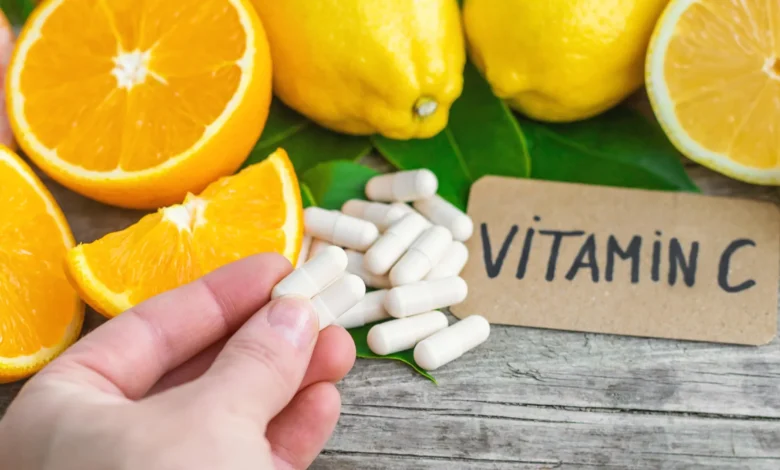
The ongoing scientific quest to untangle the complex relationship between human nutrition and long-term health has taken a significant step forward, courtesy of a novel study conducted by researchers at the University of Waterloo. Published in the Journal of Theoretical Biology under the title Vitamin C as a nitrosation inhibitor: A modelling study across dietary patterns and water quality, the research suggests that vitamin C plays a vital, previously underappreciated role in digestion. According to the mathematical simulations developed by the Waterloo team, the essential antioxidant may actively prevent the formation of potentially carcinogenic chemicals within the human digestive tract, offering a fresh perspective on how everyday dietary choices influence cancer risk.
For decades, nutritional science has grappled with paradoxical findings regarding the health impacts of specific dietary compounds. While observational studies have frequently associated certain chemicals with elevated disease risks, other foods containing those exact same compounds appeared to offer protection. This new research provides a compelling mechanistic framework that may finally resolve these long-standing scientific inconsistencies, pointing toward antioxidant intake and meal timing as critical variables in the chemical reactions occurring inside the stomach.
The Changing Landscape of Dietary Nitrates and Nitrites
Over the past several decades, dietary exposure to nitrates and nitrites has experienced a steady increase across North America and other industrialized regions. These nitrogen-based compounds are ubiquitous in the modern food supply. They are heavily utilized in the preservation and curing of processed meats such as bacon, salami, hot dogs, and deli slices, where they serve the dual purpose of enhancing flavor and inhibiting the growth of dangerous bacteria like Clostridium botulinum. Beyond processed meats, nitrates and nitrites are naturally occurring elements found abundantly in various fruits and vegetables, including spinach, lettuce, celery, and beets, which absorb these compounds from soil and water influenced by natural nutrient cycles and agricultural runoff.
From a physiological standpoint, nitrates and nitrites are not inherently toxic; in fact, they play crucial roles in maintaining optimal human health. Once ingested, they contribute to important biological functions, including the regulation of blood pressure, the enhancement of cardiovascular performance, and the support of cognitive health via the body’s nitrate-nitrite-nitric oxide pathway.
However, a chemical Catch-22 occurs once these compounds reach the acidic environment of the stomach. Under specific gastric conditions, nitrates and nitrites can participate in a chemical process known as nitrosation. During nitrosation, these compounds interact with secondary amines derived from protein digestion to produce N-nitroso compounds (NNCs). Decades of toxicological and epidemiological research have strongly suspected that many of these nitrosation products possess carcinogenic properties, potentially contributing to the development of gastrointestinal cancers.
Understanding the precise triggers that govern nitrosation—and identifying dietary or physiological factors that might arrest the process—has remained a formidable challenge for toxicologists, oncologists, and nutritional epidemiologists alike.
Unlocking the Puzzle: The University of Waterloo Mathematical Model
To address this complex biochemical puzzle, a research team at the University of Waterloo approached the problem through the lens of applied mathematics. Led by Dr. Gordon McNicol, a post-doctoral researcher in applied mathematics and the primary author of the study, alongside senior researcher Dr. Anita Layton, a professor of applied mathematics and Canada 150 Research Chair, the team developed a sophisticated mathematical model designed to simulate the journey of nitrates and nitrites through the human body.
The model does not look at the stomach in isolation; instead, it incorporates a comprehensive, interconnected network of human physiological systems. The simulation tracks chemical and biological changes as compounds pass through the salivary glands, the oral cavity, the stomach, the small intestine, and the blood plasma. By accounting for variables such as stomach acidity, enzyme activity, the composition of the oral microbiome, and the timing of food consumption, the model provides a dynamic, whole-body simulation of digestive chemistry.
When the researchers ran their simulations, a clear pattern emerged regarding the presence of dietary antioxidants, specifically vitamin C (ascorbic acid). The mathematical modeling revealed that when vitamin C is present in the digestive tract alongside nitrates and nitrites, it acts as a powerful reducing agent that can effectively short-circuit the nitrosation reaction. By interfering chemically with the transformation of nitrites into potentially harmful N-nitroso compounds, vitamin C significantly suppresses their formation.
This mechanistic insight offers a rational explanation for the long-standing epidemiological paradox concerning dietary nitrates. For instance, leafy green vegetables such as spinach are naturally rich in nitrates, yet populations consuming high-vegetable diets consistently exhibit lower rates of cancer compared to those consuming diets high in processed meats. According to the Waterloo model, the simultaneous presence of vitamin C and other protective antioxidants naturally co-packaged within these vegetables counteracts the potential risks of the nitrates, neutralizing the chemical pathway before harmful compounds can materialize.
Examining the Timing: Can Post-Meal Supplements Help?
Building upon their foundational findings regarding whole foods, the research team expanded their mathematical simulations to explore a practical clinical question: Could taking vitamin C supplements immediately after a meal yield a similar protective effect? This question carries significant public health implications, particularly for individuals who consume diets high in cured and processed meats.
The simulation results suggest that introducing vitamin C shortly after eating can indeed provide a moderate reduction in the formation of nitrosation products. When supplemental ascorbic acid enters the stomach during the active digestion of foods containing high levels of nitrites—such as a breakfast containing bacon or an evening meal featuring cured salami—it can successfully intercept the chemical precursors necessary for N-nitroso compound synthesis.
Nevertheless, the researchers emphasize a critical caveat regarding these supplement findings. The results are derived entirely from advanced mathematical simulations and theoretical modeling, rather than randomized, double-blind clinical trials involving human subjects. While the model robustly predicts that vitamin C disrupts the chemical mechanics of nitrosation in silico, extensive clinical research is urgently required to determine whether this biochemical interruption translates into a measurable, clinically significant reduction in cancer risk for living human populations.
A Mechanistic Roadmap for Future Cancer Prevention Research
The broader implications of the University of Waterloo study extend far beyond the immediate dietary advice regarding vitamin C and processed meats. By successfully modeling the intricate feedback loops between diet, digestive chemistry, and human physiology, the researchers have provided the scientific community with a valuable tool for future investigations.
"This work provides a mechanistic roadmap for future clinical and laboratory studies by identifying the key interacting drivers of these potentially harmful chemical reactions, including nitrite exposure, antioxidant intake, meal timing, gastric conditions, and oral microbiome activity," stated Dr. Anita Layton, co-author and Canada 150 Research Chair.
Dr. Layton noted that the complexity of the digestive system has historically hindered researchers from isolating the exact conditions under which nitrosation poses a genuine clinical threat. By accounting for the interplay between oral bacteria—which help convert dietary nitrates into nitrites before they even reach the stomach—and gastric acid levels, the model offers a high-resolution framework.
Future researchers can utilize this mathematical architecture to design highly targeted laboratory experiments and human clinical interventions. Instead of casting a wide net, scientists can now focus on specific questions: At what exact concentration does vitamin C lose its efficacy against high-nitrite loads? How do variations in individual oral microbiomes alter initial nitrite exposure? Which demographic or metabolic subgroups are most vulnerable to nitrosation, and who stands to benefit the most from targeted antioxidant interventions?
Context and Chronology of Nitrosation Research
The publication of this study in the Journal of Theoretical Biology represents the latest chapter in a multi-decade scientific inquiry. The hypothesis that dietary N-nitroso compounds might play a role in human carcinogenesis first gained widespread traction in the 1970s and 1980s, driven by toxicological studies on cured meat preservatives. Throughout the 1990s, epidemiological investigations attempted to establish definitive links between dietary nitrate intake and cancers of the stomach, esophagus, and colorectum.
However, these early epidemiological studies frequently produced conflicting and confusing results. Some population-based surveys indicated a positive correlation between processed meat consumption and cancer incidence, while studies examining high-vegetable diets rich in nitrates showed neutral or even protective health associations. These contradictions frustrated researchers, who lacked a dynamic model capable of accounting for the multi-organ journey of nitrates, the modulating effects of the oral microbiome, and the presence of protective co-nutrients like vitamin C.
The University of Waterloo’s mathematical approach bridges this historical gap by shifting the scientific focus from static dietary intake numbers to dynamic, real-time chemical interactions inside the body. By demonstrating that the chemical outcome of nitrate ingestion depends heavily on the simultaneous presence of antioxidants and the precise timing of consumption, the study successfully reconciles decades of disparate epidemiological data.
Implications for Public Health and Nutritional Guidelines
While public health agencies globally—including the World Health Organization’s International Agency for Research on Cancer (IARC)—have previously classified processed meats as carcinogenic to humans, the mechanistic details revealed by the Waterloo study offer nuanced avenues for dietary modification and future intervention strategies.
The findings do not grant a free pass for the unlimited consumption of heavily processed, high-nitrite meats, nor do they suggest that vitamin C supplements can entirely erase the multifaceted health risks associated with poor dietary habits. Processed meats contain a wide array of other compounds, including sodium, saturated fats, and advanced glycation end-products, that contribute to cardiovascular disease and metabolic disorders independently of nitrosation.
Instead, the research underscores the profound importance of dietary synergy—the concept that whole foods are biochemically greater than the sum of their isolated parts. When individuals consume nitrates within a matrix of natural antioxidants, such as leafy greens and colorful vegetables, internal biological safeguards are naturally activated. For populations whose diets inevitably include processed foods, the potential of post-meal antioxidant strategies offers an intriguing avenue for risk mitigation, pending future clinical validation.
As nutritional science continues to evolve, the integration of advanced mathematical modeling with biological experimentation promises to refine our understanding of how daily dietary choices echo through our internal chemistry. The University of Waterloo study stands as a crucial milestone in this endeavor, illuminating the delicate chemical balances that govern human digestion and opening new doors for targeted, science-based cancer prevention.