Maintaining stable blood glucose levels is a fundamental pillar of metabolic health, yet for many individuals, the modern lifestyle—characterized by prolonged sedentary behavior and high-glycemic diets—often leads to significant postprandial (after-meal) glucose excursions. While pharmaceutical interventions and rigorous dietary protocols are standard treatments for glycemic control, emerging clinical research suggests that strategic, low-intensity physical movement performed in the immediate window following a meal can significantly mitigate these blood sugar spikes. Insights from experts, including Dr. Mitch Rice, highlight that these brief physical maneuvers act as a powerful, non-pharmacological tool for managing metabolic flux.
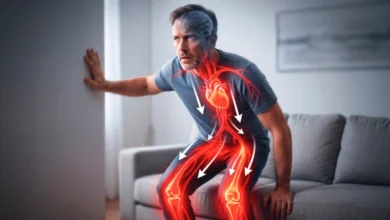
The physiological rationale behind this strategy is rooted in the body’s demand for glucose during and after digestion. When an individual consumes carbohydrates, the digestive system breaks them down into glucose, which enters the bloodstream. In a healthy metabolic state, the pancreas releases insulin to facilitate the transport of this glucose into the muscles and liver. However, when the body remains sedentary after a meal, this process can be sluggish, leading to a rapid rise in blood sugar. By activating large muscle groups shortly after eating, individuals can effectively increase glucose uptake, essentially using the muscles as a "sink" to pull excess sugar out of the bloodstream.
The Chronology of Glycemic Control
The timing of physical activity relative to meal ingestion is a critical variable that researchers have begun to isolate. Historical data and recent controlled studies suggest that there is a narrow window of opportunity to maximize the blunting effect on blood glucose.
In studies comparing various exercise timings, a consistent pattern has emerged: the earlier the movement begins, the more profound the effect. Research observing participants who engaged in a 10-minute walk immediately following a meal showed a significant reduction in postprandial glucose levels compared to those who waited 30 minutes to begin their activity. The delay proved detrimental; by the time the exercise commenced, the blood sugar spike had already peaked, rendering the physical effort less effective at blunting the glycemic load. This chronological evidence suggests that the post-meal period—specifically the first 10 to 30 minutes—is the most vital time to initiate movement to prevent metabolic stress.
Clinical Evidence and Data Breakdown
Several specific modalities have been examined for their efficacy in regulating blood glucose. While most of these studies involve relatively small cohorts, the data consistently point toward significant metabolic benefits.
1. The Efficacy of Squatting
A notable study involving 18 young men identified as overweight explored the impact of intermittent resistance exercise. Participants were asked to perform 10 squats every 45 minutes throughout the day. The results were striking, with the intervention group experiencing a 21% reduction in blood sugar spikes. This reduction was notably higher than that achieved by a continuous 30-minute walk. The mechanism here is likely the recruitment of the gluteal and quadriceps muscles, which are the largest in the human body and possess a high capacity for glucose storage and utilization. For individuals with mobility limitations, the study suggests that a "sit-to-stand" motion—utilizing a chair for support—provides similar benefits.
2. Stair Climbing Protocols
Stair climbing serves as a high-efficiency alternative to traditional cardio. Research indicates that just one minute of stair climbing can lower post-meal glucose spikes by approximately 14 points, while extending that effort to three minutes yields an 18-point reduction. These findings underscore the concept of "exercise snacking," where small, intense bursts of activity are integrated into daily routines. Medical professionals emphasize that this should be performed with caution, recommending that individuals utilize handrails and avoid this activity if they suffer from significant joint degradation or cardiovascular instability.

3. The Soleus Push-Up Mechanism
Perhaps the most intriguing development in recent metabolic research is the "soleus push-up." The soleus, a deep muscle in the calf, is unique in its metabolic profile. In a landmark lab study, researchers monitored participants who remained seated for several hours but were required to perform rhythmic, repetitive heel raises—lifting the heels while keeping the toes anchored to the floor. This specific movement engages the soleus muscle in a way that is highly oxidative and resistant to fatigue. The findings were extraordinary: participants experienced a 52% lower rise in blood sugar and a 60% reduction in the insulin response compared to those who remained entirely sedentary. This has profound implications for office workers and those with limited mobility, as it demonstrates that metabolic health can be improved even without standing up.
Broader Implications for Public Health
The clinical consensus is that while these movements are highly effective, they are intended to complement—not replace—traditional medical treatments for diabetes, such as insulin therapy or glucose-lowering medications. For patients managed by endocrinologists, the integration of "exercise snacking" into a daily regimen represents a paradigm shift. Instead of viewing exercise as a singular, hour-long event, patients are being encouraged to view physical movement as a metabolic regulator that can be "dosed" throughout the day.
The implications for the general population are equally significant. As metabolic syndrome and insulin resistance continue to rise globally, simple, accessible, and free interventions that require no equipment provide a scalable solution for public health departments. By lowering the "peak" of glucose spikes, individuals may also reduce the inflammatory response associated with high blood sugar, potentially lowering the long-term risk of cardiovascular disease, nerve damage, and other chronic complications associated with hyperglycemia.
Safety Protocols and Expert Recommendations
Despite the simplicity of these movements, medical experts urge caution, particularly for those with pre-existing conditions. The primary risk associated with post-meal activity is not the movement itself, but rather the potential for hypoglycemia in patients taking insulin or secretagogues.
Key safety guidelines include:
- Medical Clearance: Individuals with known heart disease, peripheral neuropathy, or significant balance issues should consult their primary care physician before incorporating new exercises.
- Symptom Monitoring: If an individual experiences dizziness, lightheadedness, chest pain, or shortness of breath during these activities, they should stop immediately.
- The "Meter" Test: Because individual metabolic responses vary, health experts suggest that patients with diabetes use their continuous glucose monitors (CGMs) or blood glucose meters to observe how their body responds to different types of movement. This allows for a personalized approach to glycemic management.
- Consistency over Intensity: The data suggests that consistency is the most important factor. Engaging in a 10-minute walk after every major meal is more effective for long-term glucose management than a single, high-intensity workout performed once a week.
Future Directions in Metabolic Research
As technology advances, the ability to monitor the direct impact of these movements on blood sugar in real-time will likely lead to more personalized exercise prescriptions. Currently, the evidence is skewed toward healthy, young populations, and there is a clear need for larger, more diverse clinical trials to determine if these results hold true across different demographics, including the elderly and those with long-standing type 2 diabetes.
Furthermore, the rise of wearable technology, such as CGMs, is transforming the way people interact with their own biology. By providing immediate visual feedback on how a squat or a walk affects their glucose levels, individuals are more likely to adhere to these simple, life-changing habits. The shift toward "metabolic flexibility"—the ability of the body to switch efficiently between fuel sources—is becoming a central goal in modern wellness, and simple, post-meal movement is arguably the most accessible tool in the shed to achieve it.
Ultimately, while the modern world is designed to encourage inactivity, the biology of the human body remains tethered to the necessity of movement. Whether through a brisk walk, a few flights of stairs, or the subtle engagement of the soleus muscle, the integration of these four simple moves represents a robust strategy for maintaining metabolic integrity in an age of sedentary abundance. By leveraging the body’s natural response to exercise, individuals can regain a measure of control over their internal health, one meal at a time.
Related posts: