A traditional Chinese herbal formula killed chemo-resistant cancer cells in the lab

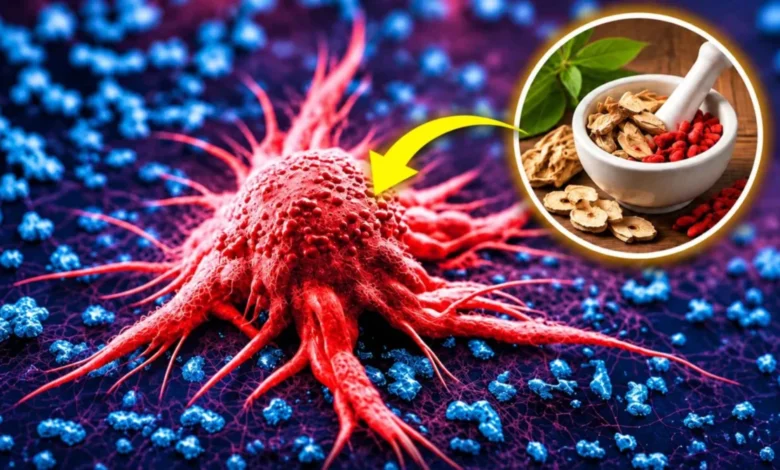
The landscape of oncology is frequently defined by the challenge of chemo-resistance, a phenomenon where malignant cells develop mechanisms to survive standard pharmacological interventions. A new study conducted by researchers at Shaoxing University in China has unveiled that a traditional Chinese herbal formula, known as Huayu Wan, exhibits significant potential in neutralizing chemo-resistant esophageal squamous cell carcinoma (ESCC). By triggering a specific biological pathway known as ferroptosis, this ancient formulation has demonstrated the ability to inhibit tumor progression in laboratory and animal models, offering a potential new strategy for clinical drug development.
Esophageal squamous cell carcinoma remains a formidable health challenge, representing the most prevalent form of esophageal cancer globally. While cisplatin-based chemotherapy remains the standard-of-care, the development of resistance often renders these treatments ineffective, leading to poor clinical outcomes for patients. The investigation into Huayu Wan—a complex blend of 15 distinct botanical ingredients derived from historical medical texts—seeks to bridge the gap between traditional herbal medicine and modern molecular oncology.
The Mechanism of Ferroptosis
At the core of the research is the discovery of how Huayu Wan interacts with the cellular machinery of cancer. Traditionally used in Chinese medicine to address "abdominal masses," the formula was found to disrupt the internal balance of cancer cells. The research team observed that the treatment actively weakened the antioxidant defense systems within the malignant cells. By reducing the cells’ capacity to neutralize reactive oxygen species, the formula facilitated the release of stored iron.
This release of iron is a critical component of ferroptosis, a form of programmed cell death distinct from apoptosis. Once the iron is liberated, it reacts with the cellular environment to induce oxidative damage specifically to the cell’s outer membrane. This catastrophic damage leads to the rapid demise of the cancer cell. Because many resistant cancer cells have evolved to bypass the traditional pathways that chemotherapy targets, the activation of ferroptosis represents a promising, alternative "kill switch" that these tumors may not yet have developed defenses against.
Chronology and Experimental Framework
The study, which emerged in late 2026, followed a rigorous multi-stage laboratory protocol. Initial investigations began with the isolation of the chemical constituents of Huayu Wan to determine which combinations were most effective against localized cell cultures.
- Phase I (In Vitro Analysis): Researchers established cultures of both human and murine ESCC cells. These cells were specifically bred or selected for their resistance to cisplatin. Upon exposure to various concentrations of the Huayu Wan extract, the researchers monitored cell viability and membrane integrity.
- Phase II (Mechanism Mapping): Having confirmed that the formula reduced cell viability, the team performed molecular assays to identify the metabolic shifts. They identified the depletion of glutathione and the elevation of lipid peroxidation as markers of the ferroptotic process.
- Phase III (In Vivo Validation): The findings were further tested in mouse models harboring cisplatin-resistant tumor xenografts. Results indicated a measurable reduction in tumor volume and weight compared to control groups that received no treatment, suggesting that the systemic administration of the formula could translate to living organisms.
Supporting Data and Scientific Context
While the full peer-reviewed data set provides granular details on dosing, the study underscores a broader movement in pharmacological research known as "systems biology." This approach acknowledges that complex diseases like cancer are rarely solved by single-molecule drugs. Huayu Wan, by virtue of its multi-component nature, may exert synergistic effects that a single synthetic compound cannot replicate.
Historically, the use of traditional herbal medicine (THM) in cancer care has been met with skepticism due to the lack of standardized molecular evidence. However, this study aligns with a growing body of literature from the National Center for Complementary and Integrative Health (NCCIH), which supports the investigation of botanical compounds that may serve as "sensitizers"—substances that make cancer cells more susceptible to traditional chemotherapy or radiation, even if they are not used as a standalone cure.

Implications for Future Drug Development
The potential implications for this discovery are significant, though researchers are careful to temper expectations. If the active compounds within Huayu Wan can be isolated and synthesized into a standardized, pharmaceutical-grade drug, it could provide a secondary line of defense for patients who have exhausted standard protocols.
The transition from a laboratory "hit" to a clinical "lead" requires extensive further investigation. Future trials must determine the pharmacokinetic profile of the formula—how the body absorbs, distributes, and excretes these compounds. Furthermore, researchers must identify the specific toxicity thresholds to ensure that the induction of ferroptosis is limited to tumor cells and does not cause systemic harm to healthy tissue, particularly in organs like the liver or kidneys where botanical extracts are metabolized.
Official Perspectives and Medical Warnings
The oncology community maintains a cautious stance regarding the integration of herbal products into cancer care. Dr. Elena Rossi, an oncologist not involved in the study, noted that "while the discovery of a ferroptosis-inducing agent in a traditional formula is scientifically intriguing, it is vital to distinguish between a laboratory observation and a clinical recommendation."
Experts emphasize three major risks associated with the premature use of herbal remedies during active cancer treatment:
- Drug-Herb Interactions: Many herbal supplements contain compounds that alter the liver’s cytochrome P450 enzyme system. This can either accelerate the metabolism of chemotherapy drugs, rendering them ineffective, or slow their clearance, leading to dangerous levels of toxicity in the patient’s blood.
- Lack of Standardization: Unlike regulated pharmaceuticals, herbal preparations can vary widely in potency based on the soil conditions, harvest time, and processing methods of the raw materials. This makes it impossible to guarantee that a patient is receiving the same dose twice.
- Contamination Risks: Raw botanical products, if not sourced from pharmaceutical-grade suppliers, can occasionally contain heavy metals, pesticides, or microbial contaminants that are particularly dangerous for immunocompromised patients.
Broader Impact on Integrative Oncology
The shift toward studying traditional formulas through a molecular lens reflects a global trend in medical research. As modern medicine hits the "ceiling" of efficacy with traditional chemotherapy, the search for novel pathways like ferroptosis is leading scientists to re-examine ancient pharmacopeias with high-throughput screening technologies.
This study does not suggest that patients should replace their current treatment regimen with herbal alternatives. Rather, it advocates for a collaborative approach where the active principles of traditional medicine are subjected to the same scrutiny as synthetic drugs. If the pathway identified by the researchers at Shaoxing University is validated in human clinical trials, it could revolutionize the treatment of refractory cancers.
For now, patients and practitioners are advised to view this research as a foundation for future development. Anyone currently undergoing chemotherapy who is interested in complementary therapies should engage in a transparent, evidence-based dialogue with their medical team. The priority remains the safety and stability of the patient’s treatment plan, ensuring that no experimental compound undermines the progress made by established, FDA-approved therapies.
As the scientific community continues to analyze the molecular fingerprints of Huayu Wan, the focus will likely shift toward isolating the specific "active ingredients" responsible for the ferroptotic effect. By stripping away the variables of a raw herbal mix and focusing on the identified compounds, researchers hope to create a potent, safe, and reliable therapeutic option for those facing the most difficult-to-treat cancer cases.