When Hormones and Diets Collide: New Study Reveals How Low Testosterone and Fructose Accelerate Fatty Liver Disease

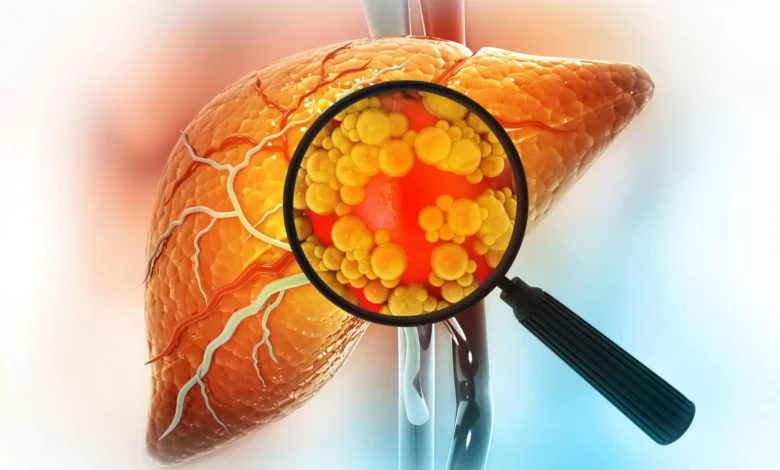
The modern global health landscape faces an escalating crisis in metabolic health, with metabolic dysfunction-associated steatotic liver disease (MASLD) standing out as one of the most pervasive chronic conditions of the 21st century. Affecting approximately 40% of the adult male population worldwide, MASLD encompasses a spectrum of liver disorders ranging from simple hepatic steatosis to severe non-alcoholic steatohepatitis, cirrhosis, and hepatocellular carcinoma. While the primary drivers of this condition have long been identified as obesity, insulin resistance, type 2 diabetes, and poor dietary habits, researchers continue to uncover complex, multi-system interactions that accelerate disease progression. Among these emerging risk factors, declining testosterone levels in aging men and high consumption of dietary fructose—ubiquitous in modern processed foods and sugary beverages—have drawn intense scientific scrutiny.
Until recently, the precise biological mechanisms governing how hormonal deficiencies and specific dietary components synergize to damage the liver remained poorly understood. However, a breakthrough preclinical study conducted by a research team at a prominent Graduate School of Agriculture has shed critical light on this phenomenon. Led by graduate student Hiroki Takahashi and Associate Professor Naoki Harada, the research team investigated the intricate biochemical pathways linking reduced testosterone, high fructose intake, and gut microbiome alterations to the rapid accumulation of fat in the liver. Published in the American Journal of Physiology-Endocrinology and Metabolism, the findings not only explain why this specific combination is exceptionally hazardous to hepatic health but also point toward novel therapeutic and dietary strategies for combating one of modern medicine’s most stubborn metabolic challenges.
Background Context: The Growing Burden of MASLD and Endocrine Health
Metabolic dysfunction-associated steatotic liver disease has evolved from a relatively obscure medical diagnosis into a leading cause of chronic liver disease globally. The condition is fundamentally characterized by the abnormal accumulation of triglycerides within hepatocytes—the primary functional cells of the liver—exceeding 5% of the organ’s total weight in the absence of significant alcohol consumption. This initial phase, commonly referred to as fatty liver or steatosis, is often asymptomatic, allowing the disease to progress silently for years before manifesting clinically.
Simultaneously, public health officials have raised alarms over declining testosterone levels among adult men across industrialized nations. Epidemiological data gathered over the past several decades suggest a steady downward trend in baseline serum testosterone levels independent of aging, a phenomenon frequently attributed to environmental endocrine disruptors, sedentary lifestyles, and widespread metabolic syndrome. Low testosterone, or hypogonadism, is independently associated with increased visceral adiposity, insulin resistance, chronic systemic inflammation, and an elevated risk of cardiovascular mortality.
Compounding these endocrine shifts is the dramatic surge in dietary fructose consumption. Unlike glucose, which is metabolized by virtually every cell in the human body, fructose is processed almost exclusively by the liver. When consumed in excessive quantities—particularly through high-fructose corn syrup in sodas, energy drinks, and processed snacks—fructose overwhelms normal metabolic pathways, readily converting into hepatic fat via de novo lipogenesis. While public health campaigns have successfully highlighted the individual dangers of both sugary diets and hormonal imbalances, medical science has increasingly focused on how these concurrent risk factors interact within the human body. Prior to the work conducted by Takahashi, Harada, and their colleagues, researchers lacked empirical data demonstrating whether the simultaneous presence of low testosterone and high fructose intake exerted a simple additive effect or a synergistic, exponentially more dangerous acceleration of liver pathology.
Experimental Chronology and Research Methodology
To unravel the complex interplay between endocrine status, diet, and hepatic fat accumulation, the research team designed a meticulously controlled preclinical study utilizing male murine models. The experimental framework was established using eight-week-old male mice, an age corresponding to young adulthood, ensuring that the subjects’ physiological responses would closely mirror those of adult human populations facing similar metabolic pressures.
The chronology of the study began with the strategic division of the animal subjects into six distinct experimental cohorts to isolate and test the variables of interest. To simulate the clinical reality of low testosterone, a subset of the mice underwent surgical castration, while a control group underwent a sham operation to control for surgical stress. Following recovery, the cohorts were subjected to specific dietary and therapeutic regimens, creating the following six experimental groups: Sham/Control, Sham/Fructose, Sham/Fructose plus Antibiotics, Castration/Control, Castration/Fructose, and Castration/Fructose plus Antibiotics.
The inclusion of antibiotic-treated groups was a critical methodological choice designed to test the hypothesis that the gut microbiome plays a mediating role in metabolic regulation. By administering broad-spectrum antibiotics, the researchers could effectively deplete or significantly alter the gut bacterial populations, allowing them to observe whether microbial communities were necessary for the observed physiological changes.
Over the course of the feeding trials, the mice were maintained under strict environmental conditions with controlled access to food and specialized water sources containing high concentrations of fructose. Upon the conclusion of the feeding phase, a comprehensive multi-omics and biochemical analysis was initiated. The research team harvested and analyzed liver cells and tissues, collected blood plasma samples to assess systemic metabolic markers, extracted organic acids from the cecum, and performed high-throughput sequencing on gut bacteria samples. This exhaustive data collection protocol enabled the team to trace the metabolic cascade from the gut environment all the way to the molecular machinery inside the liver cells.
Uncovering the Dangerous Synergy of Low Testosterone and Fructose
The analytical phase of the study yielded stark and definitive evidence regarding the hazards of combined hormonal deficiency and high-fructose diets. When the researchers examined the physical characteristics of the harvested organs, they observed that mice with reduced testosterone levels developed significantly heavier livers when exposed to the high-fructose diet compared to their non-castrated counterparts. However, this abnormal organ enlargement was substantially mitigated in the mice that had received the antibiotic regimen, providing the first major clue that intestinal bacteria were actively participating in the disease process.
Further biochemical assays revealed a profound synergistic effect between the two risk factors. When evaluated independently, neither low testosterone nor high fructose intake alone produced more than modest changes in liver triglyceride concentrations. When combined, however, the dual exposure triggered a dramatic, statistically significant surge in hepatic fat accumulation, accelerating the progression of fatty liver far beyond what would be expected from the sum of the individual factors.
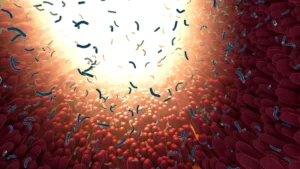
Alongside this accelerated fat storage, the research team documented profound alterations in the composition of the gut microbiome, distinct shifts in liver gene expression profiles, and markedly elevated levels of pyruvate within the cecum of the mice exposed to both reduced testosterone and dietary fructose. These converging lines of evidence pointed decisively toward the gastrointestinal tract as a critical mediator in the pathogenesis of the condition.
The Gut Microbiome and Pyruvate: Decoding the Hidden Mechanism
To bridge the gap between gut microbial alterations and lipid accumulation in the liver, Takahashi and Harada designed a secondary tier of in vitro experiments utilizing mouse-derived primary hepatocytes. This reductionist approach allowed the scientists to observe the direct cellular effects of the metabolic byproducts identified in the living animal models.
"Upon examining this mechanism, we found that changes in the gut microbiota led to increased levels of pyruvate within the intestine," Takahashi explained, detailing the breakthrough realization. Pyruvate is a central intermediate compound in cellular energy metabolism, typically produced during glycolysis and subsequently channeled into the mitochondria for energy generation. However, the study demonstrated that specific shifts in gut bacteria composition resulting from the combination of low testosterone and fructose significantly elevated intestinal pyruvate levels.
To confirm how this elevated pyruvate interacted with liver tissue, the team introduced pyruvate and fructose to the isolated primary hepatocytes in a controlled laboratory environment. The results were striking: pyruvate acted synergistically with fructose to actively promote neutral lipid accumulation within the liver cells. This direct cellular interaction explained the biochemical pathway through which altered gut bacteria could drive accelerated hepatic steatosis. The discovery established a novel mechanistic axis linking endocrine health, dietary sugars, and intestinal microbial metabolism in the development of MASLD.
Broader Implications and Future Therapeutic Horizons
The publication of these findings in the American Journal of Physiology-Endocrinology and Metabolism marks a significant step forward in the scientific community’s understanding of metabolic disease etiology. By mapping the precise biochemical crosstalk between hormones, diet, and the microbiome, the research opens new avenues for both the prevention and treatment of fatty liver disease.
Medical professionals and nutritionists have long emphasized lifestyle modifications—such as reducing sugary beverage consumption and engaging in regular physical activity to boost metabolic health—as the primary defense against MASLD. However, for patients whose conditions are compounded by age-related testosterone declines or intrinsic hormonal imbalances, lifestyle interventions alone often prove insufficient. The identification of pyruvate as a key pathological mediator provides pharmaceutical researchers with a specific molecular target for drug development.
Reflecting on the future direction of this research, Associate Professor Naoki Harada outlined the team’s upcoming initiatives: "Going forward, we hope to clarify the mechanism by which pyruvate promotes triglyceride accumulation to pioneer the development of therapeutic drugs and establishment of preventive methods through dietary interventions."
Potential clinical applications stemming from this research could include targeted microbiome therapeutics—such as specific prebiotics, probiotics, or precision antibiotics designed to suppress pyruvate-producing bacterial strains—as well as pharmacological inhibitors that block the synergistic lipogenic pathways activated by pyruvate and fructose within hepatocytes. Furthermore, clinicians treating hypogonadal men may need to place a heightened emphasis on dietary counseling, specifically screening and counseling patients regarding their intake of fructose-containing foods and beverages to mitigate their compounded risk of rapid liver deterioration.
While the current study was conducted primarily in murine models and isolated cells—necessitating further clinical trials in human populations to fully validate the therapeutic targets—the implications for public health are profound. As the global prevalence of metabolic dysfunction-associated steatotic liver disease continues to rise, unravelling the complex synergies between endocrine health, dietary choices, and internal microbial ecosystems remains essential for halting the progression of this widespread and potentially life-threatening condition.
Related posts: