The Avocado Oil On Your Shelf Probably Isn’t What The Label Says — Here’s What A Real UC Davis

The UC Davis Investigations: A Timeline of Deception
The first major alarm was raised in 2020, when researchers at the UC Davis Oils Lab, led by Professor Selina Wang, published an extensive analysis of the avocado oil market. The study tested 22 different brands of avocado oil sold in the United States, representing a mix of domestic and international producers. The findings were staggering. Researchers discovered that approximately 82% of the samples tested were either rancid before their listed "best by" date or had been adulterated with significant amounts of other vegetable oils, such as soybean, sunflower, or safflower oil.
In three specific instances, products explicitly labeled as "pure" or "extra virgin" avocado oil were found to be comprised of nearly 100% soybean oil. This revelation was not a one-time anomaly. In a follow-up study conducted by the same team, researchers examined 36 private-label avocado oil products. The results were consistent with their previous findings, with roughly 70% of the tested oils showing signs of rancidity or contamination. This ongoing issue suggests that the problem is systemic rather than confined to a few bad actors, indicating that the supply chain is plagued by a lack of oversight and fraudulent labeling practices.
The Regulatory Gap: Why Adulteration Thrives
The primary reason for this widespread deception is a fundamental regulatory void. Unlike the olive oil industry, which benefits from internationally recognized standards of identity and rigorous testing protocols established by the International Olive Council, the avocado oil market in the United States remains largely unregulated. The Food and Drug Administration (FDA) has not yet adopted formal standards of identity for avocado oil.
Without a legal definition of what constitutes "extra virgin" or "pure" avocado oil, manufacturers are not held to any specific extraction or quality standards. This lack of oversight allows companies to market highly processed, low-quality products as premium health foods. Furthermore, the industry lacks a mandatory, standardized testing mechanism to ensure that the product in the bottle matches the claims on the label. Because the dilution of avocado oil with other vegetable oils—and the presence of oxidized, rancid fats—can often be masked through chemical deodorization and refining processes, the average consumer has no reliable way to verify the quality of the product they are purchasing.
The Chemistry of Degradation: Oxidation and Deodorization
Understanding the health implications of this fraud requires a look at the chemistry of lipids. Avocado oil, when extracted from the fruit’s pulp, is naturally rich in vitamin E and chlorophyll. These compounds serve as natural antioxidants, protecting the oil from the "rusting" process known as oxidation. When oil is exposed to light, heat, or excessive time, it undergoes a chemical breakdown that degrades its nutritional value and creates free radicals.
The consumption of oxidized fats has been linked by various nutrition studies to systemic inflammation and other adverse health outcomes. When manufacturers use low-quality oil, they often subject it to intense refining and deodorization to remove the off-putting smells associated with rancidity. While this makes the oil palatable to the consumer, it does nothing to reverse the chemical degradation. In effect, consumers may be purchasing an oil that tastes neutral but has already lost its nutritional integrity and potentially poses health risks associated with degraded fatty acids.

Misleading Labels and the Illusion of Origin
The issue of transparency extends beyond the quality of the oil to the geographic origins of the fruit. Many bottles bear labels claiming "Product of the US," which leads many shoppers to believe they are supporting domestic agriculture. However, under current labeling regulations, a product can be labeled as a "Product of the US" even if the raw materials were grown, harvested, and partially processed in another country, provided that the final blending or bottling occurs within the United States.
This creates a significant disconnect between consumer expectation and reality. Similarly, the "best by" dates on these bottles are often arbitrary. Without a legal requirement to disclose the date of processing or harvest, consumers have no way of knowing how long the oil has been sitting in a warehouse or on a retail shelf before it enters their pantry.
Beyond the Bottle: Guacamole and Cosmetics
The lack of integrity in the avocado supply chain is not limited to bottled oils. Past investigations into the food service industry have uncovered that some "guacamole" products offered by major restaurant chains contain very low percentages of actual avocado. In some instances, the product was found to be a mixture of green peas, hydrogenated oils, and chemical thickeners.
The cosmetic industry is similarly affected. Products that market themselves as "avocado oil" moisturizers or hair treatments often prioritize cheaper, mass-produced oils like mineral oil or soy oil, placing them higher on the ingredient list than the avocado oil itself. This deceptive marketing relies on the "health halo" surrounding the avocado, using its reputation for quality to sell products that are primarily composed of inexpensive, low-grade fillers.
Navigating the Market: How to Shop with Caution
Given the lack of regulation, consumers must adopt a more skeptical and informed approach to purchasing avocado oil. While it is impossible to guarantee quality without lab testing, experts suggest several strategies to minimize the risk of purchasing fraudulent products:
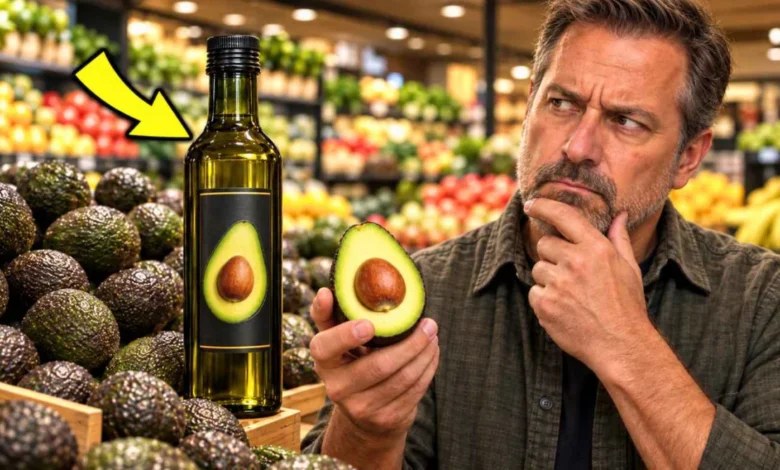
- Packaging Matters: Look for oils sold in dark, opaque glass bottles. Light exposure is a primary driver of oxidation; clear or plastic packaging significantly increases the risk that the oil has degraded.
- Prioritize Provenance: Seek out brands that provide clear information regarding the origin of their avocados and, ideally, a harvest date. Small-scale producers are more likely to have traceable supply chains than mass-market private labels.
- Price and Quality: While a higher price does not always guarantee quality, extremely cheap "avocado oil" is almost certainly adulterated. The high cost of harvesting and processing avocados makes it impossible to sell genuine, unrefined oil at the price points of common soybean or canola oils.
- Taste and Texture: While difficult for the untrained palate, genuine cold-pressed, unrefined avocado oil often has a slight, pleasant green tint and a distinct, buttery aroma. Highly refined or adulterated oils are typically pale yellow and completely odorless.
Conclusion: The Continued Value of the Whole Fruit
Despite the widespread fraud within the commercial oil market, it is vital to distinguish between processed oils and the fruit itself. Whole, fresh avocados remain a nutritional powerhouse. They are rich in potassium—often providing significantly more than a banana—as well as magnesium and monounsaturated fats. Unlike many seed oils, which are high in pro-inflammatory omega-6 fatty acids, the fats in a whole avocado are relatively stable and beneficial.
The crisis in the avocado oil market is a cautionary tale regarding the limitations of food labeling and the importance of consumer vigilance. As the industry currently operates, the "premium" label on an avocado oil bottle is often more of a marketing strategy than a guarantee of quality. Until such time as the FDA mandates strict standards of identity for this product, the onus remains on the consumer to demand transparency and to prioritize the purchase of whole foods over highly processed, unregulated derivatives.