Why Bringing Your Own Yoga Props Has Become the New Standard for Studio Practitioners

The evolution of modern yoga culture has introduced a subtle yet significant shift in how practitioners approach studio hygiene, personal equipment, and anatomical optimization. For decades, communal yoga studios provided everything a student needed to walk through the door empty-handed: mats, blocks, straps, blankets, and bolsters. However, a growing segment of dedicated practitioners is moving away from shared studio inventory, opting instead to curate and transport their own personalized toolkits to every class. This trend, which began as a matter of personal comfort and infection control, has expanded into a broader movement regarding hygiene awareness, ergonomic optimization, and psychological safety in group fitness environments.
The Hygiene Paradigm Shift and the Post-Pandemic Studio
The transition from communal reliance to personal ownership is rooted in both practical health concerns and changing consumer habits. Long before global sanitation protocols were thrust into the spotlight by public health crises, everyday fitness spaces faced silent scrutiny regarding the cleanliness of porous and non-porous equipment alike. Yoga mats, dense foam blocks, and woven blankets absorb sweat, skin cells, and ambient moisture over the course of multiple daily classes.
Dermatologists and podiatrists have long noted that shared fitness equipment serves as a potential vector for dermatophytes and human papillomavirus (HPV), which are responsible for conditions such as athlete’s foot and plantar warts. While studios typically employ cleaning staff or mandate post-class wipe-downs, the efficacy and frequency of these sanitization routines vary widely from one establishment to another.
For many practitioners, the turning point arrives unexpectedly. A diagnosis of a stubborn foot infection or a lingering realization of how many hundreds of feet have traversed a loaner mat often serves as the catalyst for change. The friction of hauling a heavy mat and a bundle of accessories from a vehicle to the studio floor is frequently outweighed by the peace of mind that comes with controlling one’s hygienic environment. Industry analysts note that this behavioral shift aligns with a broader consumer preference for personal wellness autonomy, where individuals prefer to curate their own protective barriers against shared biological elements.
Ergonomics and the Evolution of Yoga Equipment
Beyond infection control, the move toward personal props is driven by a sophisticated understanding of biomechanics and equipment diversity. To the uninitiated, a yoga block is simply a block, and a strap is merely a tether designed to bridge the gap between hand and foot. However, the commercial fitness market offers an extensive array of materials, densities, and dimensions tailored to specific anatomical needs.
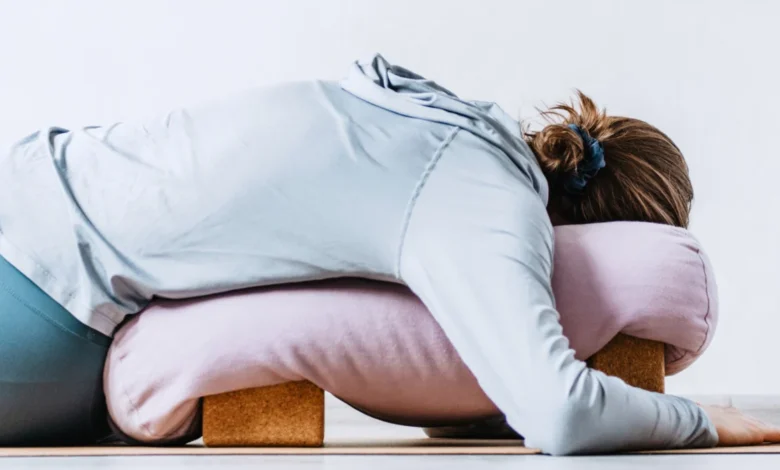
Yoga blocks are now manufactured from high-density foam, sustainable cork, natural wood, and recycled plastics, each offering a distinct level of feedback, stability, and weight. Similarly, yoga blankets range from tightly pressed wool designed to bear weight and provide firm support during restorative postures to loosely woven cotton textiles meant for warmth and draping. Bolsters vary wildly in shape—cylindrical, rectangular, flat, or contoured—and are filled with materials ranging from traditional cotton batting to buckwheat hulls that conform to the contours of the body.
When a practitioner relies entirely on studio inventory, they are subject to the lottery of whatever equipment remains on the shelves. A restorative class might leave a student with a compressed, lumpy bolster that fails to support the thoracic spine adequately, or a foam block that compresses too much under heavy body weight, compromising joint alignment. By bringing curated personal equipment, practitioners ensure consistent tactile feedback, weight distribution, and structural support across every session.
Chronology of a Studio Practice: From Novice to Purist
The adoption of a personal prop inventory typically follows a predictable trajectory over a practitioner’s timeline in the discipline.
Phase one usually involves absolute reliance on studio infrastructure. New students, uncertain of their long-term commitment to the practice, hesitate to invest financial capital in specialized gear. They utilize studio mats and grab whichever blocks are closest to the exit.
Phase two marks the acquisition of the first major personal asset: the yoga mat. Driven by a desire for stability—as studio mats frequently stretch, slide, or bunch up on hardwood floors—practitioners purchase a mat tailored to their grip and cushioning preferences. This single upgrade radically transforms standing postures, balances, and inversions by providing a reliable foundation.
Phase three represents the comprehensive expansion into auxiliary props. As practitioners deepen their anatomical awareness, they begin to view studio blankets and straps with the same scrutiny they once applied to loaner mats. They recognize that straps can be pre-configured, knotted at specific intervals to match arm length, and left permanently adjusted for complex peak poses such as Natarajasana (Dancer Pose) or Supta Padangusthasana (Reclined Hand-to-Big-Toe Pose).
By phase four, the practitioner operates as an independent agent within the communal space. Lugging a customized assortment of mats, cork blocks, straps, and specialized bolsters becomes second nature.
Industry Response and Market Implications
Manufacturers of yoga equipment have noted a steady rise in retail sales of portable, lightweight accessories designed specifically for transit. Brands now produce travel-specific cork blocks that are twenty percent lighter than standard models, foldable travel mats that fit inside standard backpacks, and specialized carrying harnesses designed to bundle mats, blankets, and straps into a single ergonomic load.
Studio owners and managers have offered mixed responses to the influx of personal equipment. While some studio administrators appreciate the reduced wear and tear on their communal inventory—which lowers replacement costs—others note spatial challenges. As more students arrive bearing oversized bolsters and multiple blocks, storage cubbies and practice floor footprints must adapt to accommodate the extra gear without compromising fire safety regulations or personal space during packed classes.
Fitness and wellness researchers point out that this trend reflects a broader psychological phenomenon within group fitness: the creation of a "portable sanctuary." By surrounding oneself with familiar textures, weights, and colors, the practitioner constructs a psychological cocoon. The sterile, potentially intimidating environment of a commercial gym or multi-purpose studio is effectively neutralized, replaced by a controlled micro-environment that fosters deeper focus, reduced anxiety, and enhanced mind-body connection.
Broader Impact on the Modern Wellness Experience
The evolution toward personal prop curation highlights a maturing fitness consumer base that values precision over convenience. While hauling heavy equipment requires physical effort and organizational planning, the dividends paid in physical safety, hygienic peace of mind, and biomechanical optimization are substantial.
As the wellness industry continues to innovate around personal hygiene and customized performance gear, the image of the minimalist yogic traveler carrying only a water bottle is being replaced by the fully equipped independent practitioner. Whether this trend ultimately alters how commercial studios provision their spaces remains to be seen, but for millions of students worldwide, the path to inner peace now begins with packing their own equipment.
Related posts: