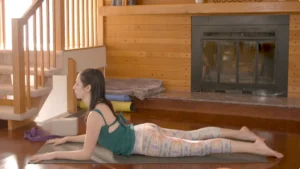
Modern life frequently places unprecedented demands on the human nervous system, often manifesting physically as a clenched jaw, shallow thoracic breathing, and persistent mental fatigue. As clinical research increasingly underscores the physiological toll of chronic stress—ranging from elevated cortisol levels to disrupted sleep cycles—health practitioners and fitness experts continue to explore targeted somatic interventions. Among these, yin yoga has emerged as a scientifically backed practice for encouraging parasympathetic nervous system dominance. Certified yin yoga instructor Katie McGrath has outlined a targeted sequence of five grounding postures designed to help individuals decelerate, mitigate physical tension, and signal safety to an overstimulated nervous system.
Understanding the Mechanics of Stress and Somatic Release
The human stress response is evolutionarily designed to protect individuals from acute physical threats, releasing hormones such as adrenaline and cortisol to prepare the body for fight or flight. However, contemporary stressors—such as constant digital connectivity, professional deadlines, and economic uncertainties—prolong this activation without providing a physical outlet. When the body remains in a state of chronic sympathetic overdrive, individuals frequently report physical bracing, muscular tightness, and mental exhaustion.
Fast-paced physical exercise, while beneficial for cardiovascular health and muscular endurance, can sometimes maintain elevated heart rates and nervous system stimulation. In contrast, yin yoga utilizes prolonged, passive holds close to the floor, requiring minimal muscular engagement, coordination, or balance. This structural simplicity allows the nervous system to register physical safety, a critical prerequisite for deep somatic release. According to movement specialists, holding a pose for several minutes without active muscular contraction prompts the body to release tension stored within the fascia—the connective tissue surrounding muscles, joints, and organs.
Physiological Implications and Nervous System Regulation
The primary objective of a yin yoga practice is the deliberate stimulation of the parasympathetic nervous system, commonly referred to as the "rest and digest" system. Clinical studies in sports medicine and psychology indicate that prolonged, low-intensity stretching combined with controlled, diaphragmatic breathing significantly reduces sympathetic activity, lowers blood pressure, and decreases heart rate variability.
McGrath emphasizes that practicing yoga for stress management should not be viewed as a definitive cure, but rather as a regulatory tool that positions the body to settle naturally. Practitioners are encouraged to approach each posture at roughly 50 to 60 percent of their maximum physical capacity, avoiding intense sensations that might trigger a defensive physiological reaction. Furthermore, elongating the exhalation relative to the inhalation serves as a direct neural cue, signaling the vagus nerve to slow the heart rate and promote relaxation.
Essential Equipment and Preparation for Practice
Before initiating a yin yoga sequence aimed at stress relief, practitioners should gather supportive props designed to eliminate muscular strain and facilitate total surrender to gravity. Essential items include a firm bolster or cushion, two woolen or cotton blankets, one or two yoga blocks, and access to a clear wall space. The inclusion of an eye pillow can further minimize sensory input, enhancing the introspective quality of the practice.
Unlike dynamic styles of yoga that emphasize muscular strength and alignment precision, yin yoga prioritizes internal sensation and comfort. Props are not utilized as crutches, but rather as essential tools to ensure that joints remain unstressed and muscles can completely soften throughout the duration of the hold.
Detailed Chronology and Execution of the Five-Pose Sequence
To maximize the therapeutic benefits of the practice, each posture should be maintained for three to five minutes, interspersed with a one-minute resting period in a flat, supine position. This transitional minute is an integral component of the sequence, allowing the body to process somatic shifts and blood flow adjustments between shapes.
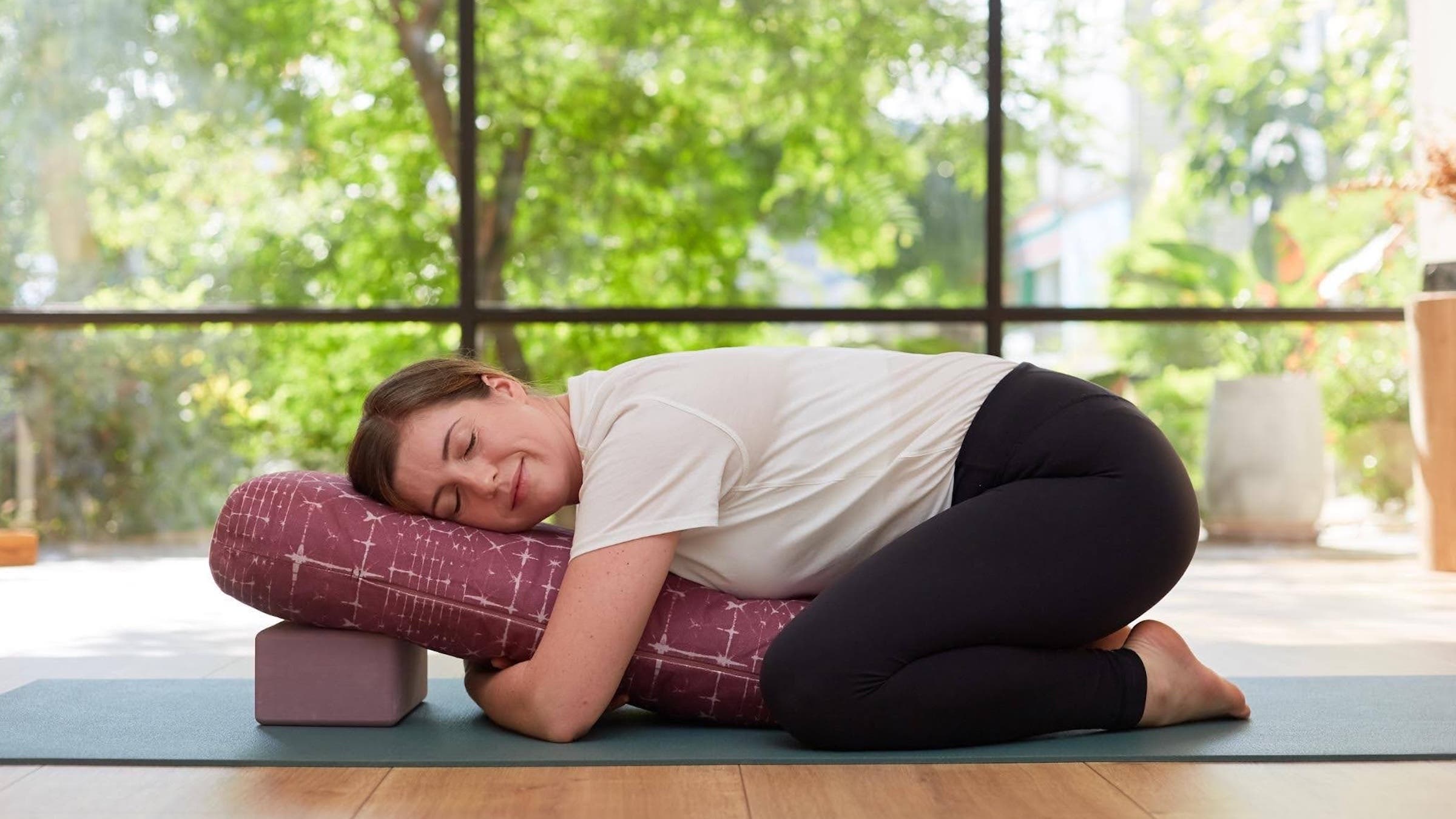
- Supported Child’s Pose (Balasana)
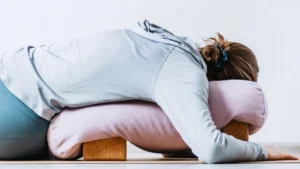
Supported Child’s Pose serves as a foundational restorative shape that encourages internal focus and tactile grounding. By bringing the forehead into contact with a solid surface, the practice stimulates the vagus nerve receptors located in the brow, which are closely linked to relaxation responses.
To execute the posture, the practitioner kneels with knees positioned wide and big toes touching. A bolster is placed lengthwise between the thighs, allowing the torso to rest completely forward. The head is turned to one side for the first half of the duration, then switched to the opposite side to ensure symmetrical neck elongation. Props such as yoga blocks beneath the bolster or blankets beneath the hips can accommodate varying levels of joint mobility. The recommended duration for this posture is four minutes total, evenly divided between both head placements.
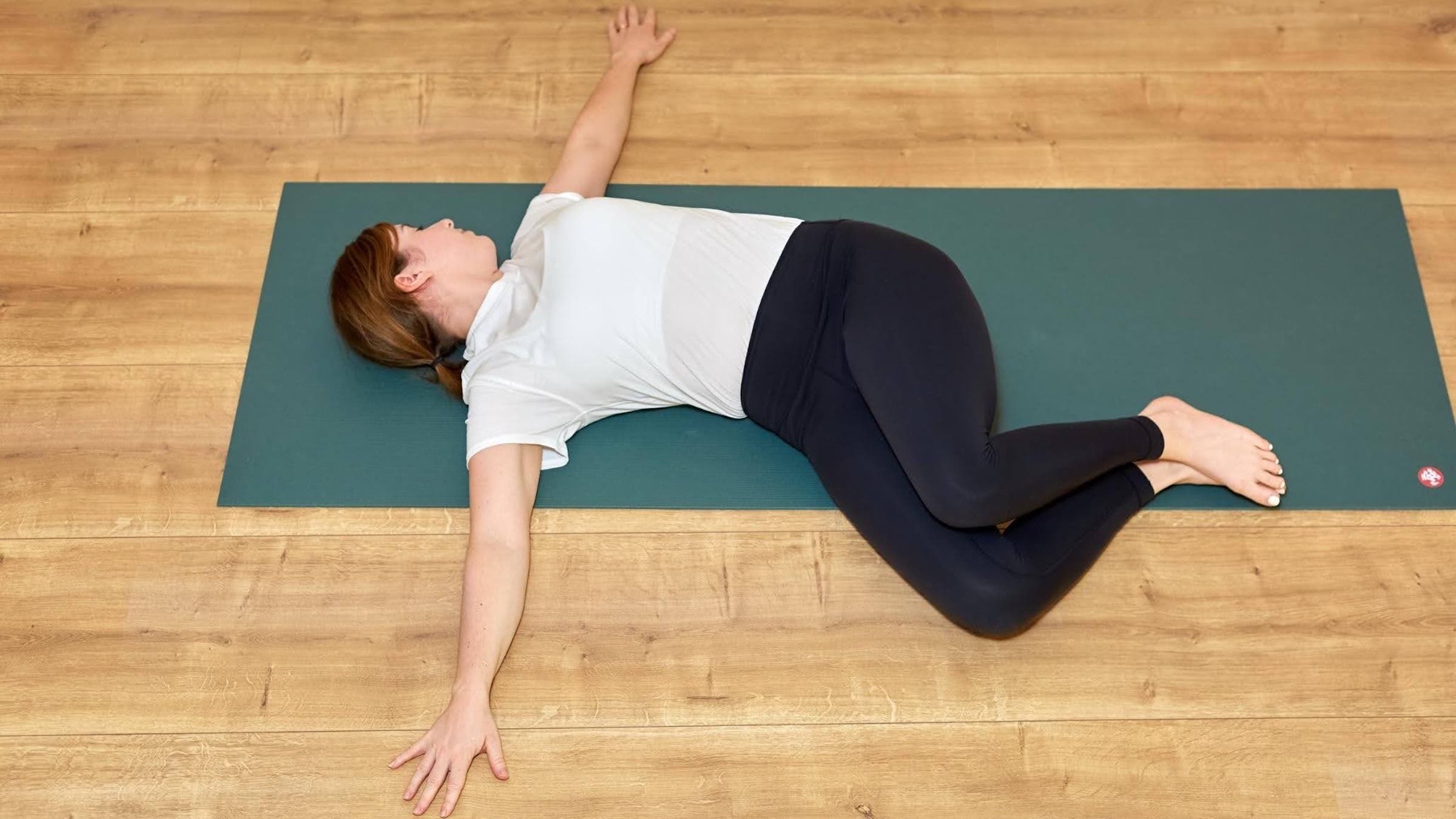
- Two-Knee Reclined Twist (Supta Matsyendrasana)
The two-knee reclined twist targets the lower back and the outer hip complex while maintaining a fully supported supine position. Because the practitioner lies flat on the back, gravity performs the work of spinal rotation without requiring muscular stabilization.
The posture begins by lying supine, drawing both knees toward the chest, and gently lowering them to one side while extending the arms outward in a ‘T’ formation. To protect the spinal alignment and prevent joint strain, a bolster or blanket can be placed underneath the knees, while an additional prop can support an elevated shoulder. This shape is maintained for three minutes on each side, promoting rotational mobility in the thoracic and lumbar spine.
- Supported Fish Pose (Matsyasana)
Supported Fish Pose counteracts the forward-folding postural habits common in modern sedentary lifestyles, characterized by prolonged desk work and smartphone usage. By opening the chest and ribcage, the pose expands thoracic volume, facilitating deeper and more efficient respiratory patterns.
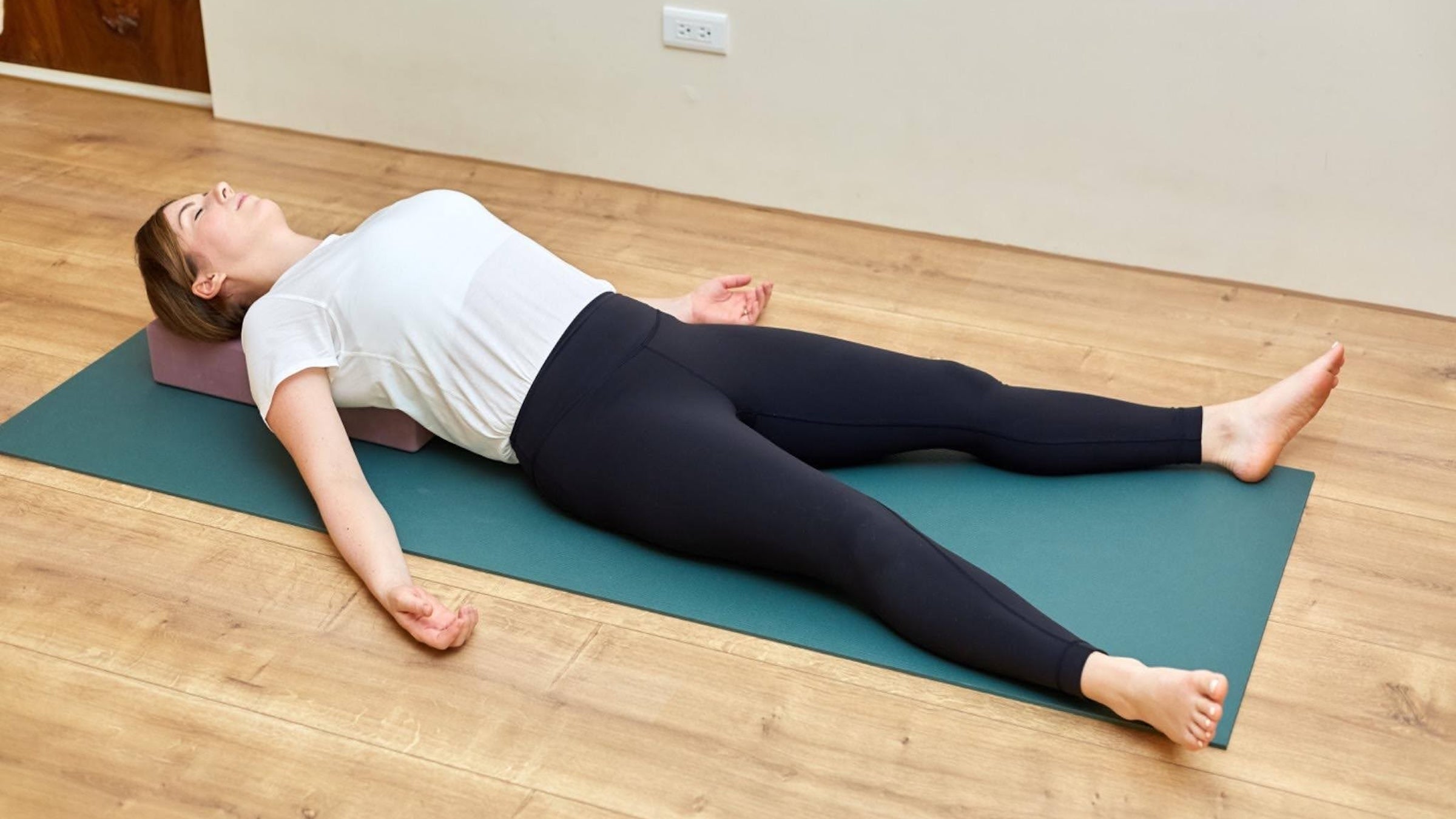
To set up the posture, a yoga block is placed on its lowest setting horizontally across the mat, with a second block positioned to cradle the head. The practitioner reclines so that the lower edge of the shoulder blades aligns with the first block, allowing the arms to fall open to the sides. Adjustments such as placing a bolster beneath the knees or adjusting block heights ensure lumbar comfort. The recommended duration is four minutes, followed by a slow and deliberate exit.
- Banana Pose (Asanasana Lateralis)
Banana Pose introduces lateral flexion, a plane of movement frequently neglected in daily activities. By gently curving the body into a crescent shape resembling a banana, the practitioner lengthens the lateral torso, intercostal muscles, and outer hip structures, thereby increasing thoracic expansion capacity during inhalation.
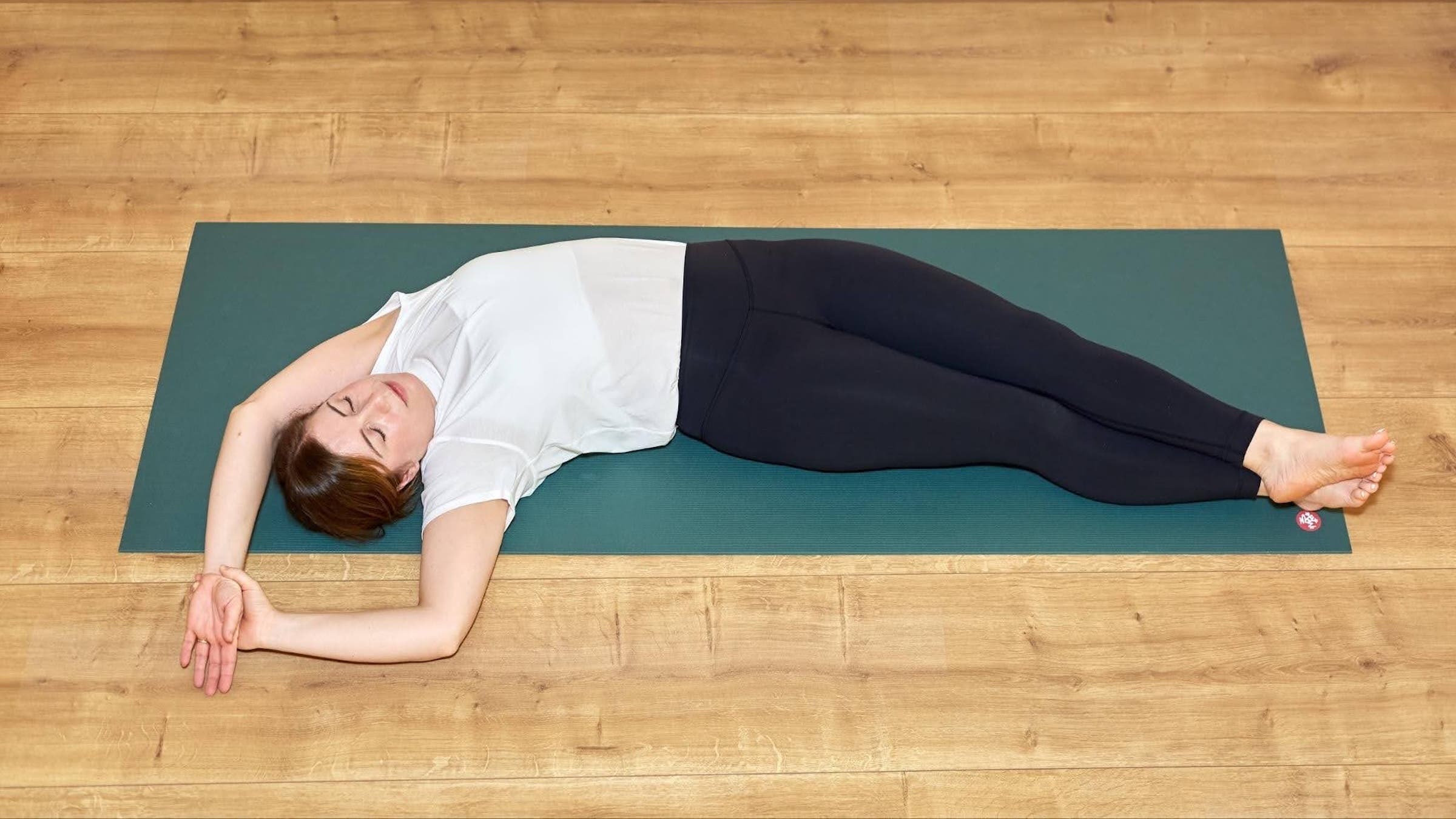
Beginning in a supine position with legs extended, the practitioner shifts both heels to one side while keeping the hips centered and level on the mat. The arms are then extended overhead, grasping the opposite wrist to deepen the lateral stretch. Avoiding excessive intensity is crucial; the ankle cross can be omitted if the outer hip sensation is too pronounced. The pose is held for three minutes on each side.
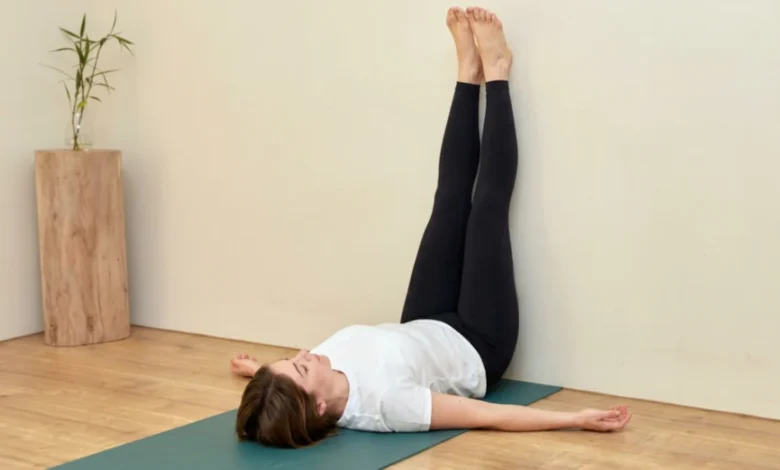
- Legs Up the Wall (Viparita Karani)
Legs Up the Wall is widely recognized in restorative yoga and physical therapy as one of the most accessible and effective postures for activating the parasympathetic nervous system. By elevating the lower extremities above the level of the heart, the posture assists venous return, reduces fluid retention in the lower legs, and encourages profound muscular relaxation.
To enter the pose, the practitioner sits with one hip pressed against a vertical wall, then swings the legs upward as the torso reclines onto the floor. The hips can rest directly against the baseline or be positioned a few inches away depending on hamstring flexibility. A folded blanket beneath the lumbar spine can alleviate lower back tension. This final posture is maintained for five to ten minutes, serving as the culminating integration of the practice.
Broader Implications and Long-Term Integration
The integration of regular yin yoga practices into a weekly routine offers measurable benefits for psychological resilience and physiological health. Public health initiatives and workplace wellness programs increasingly incorporate somatic mindfulness techniques to combat burnout and stress-related disorders. By dedicating time to quiet, prop-supported postures, individuals can actively recalibrate their nervous systems, reduce resting muscle tension, and cultivate an enhanced awareness of physical sensations. Concluding the practice with a seated period of quiet breathing ensures a seamless transition from the mat back into the demands of daily life, reinforcing the physiological gains achieved during the sequence.