How Becoming a Parent Can Change Your Childhood Memories and Reshape Family Dynamics


The transition into parenthood is frequently categorized by physical, financial, and logistical adjustments, yet psychologists are increasingly identifying a profound, often overlooked psychological phenomenon: the involuntary reconstruction of childhood memories. For many new parents, the arrival of a child acts as a cognitive trigger, surfacing long-buried recollections or casting familiar childhood events in an entirely new, often unsettling, light. This shift, which can lead to sudden anxiety or, conversely, a surge of empathy for one’s own parents, represents a complex neurological and emotional recalibration that occurs during the perinatal period.
The Phenomenon of Autobiographical Reconstruction
Memory is not a static repository of historical facts. Contrary to the popular "filing cabinet" metaphor, cognitive research—including foundational work by psychologists Daniel L. Schacter and Donna Rose Addis—suggests that memory is a constructive process. When an individual recalls an event, the brain does not simply retrieve a video file; it reconstructs the scene using current context, emotional state, and immediate goals. This explains why an individual might remember a childhood conflict differently after they have occupied the role of the parent themselves.
In the perinatal phase, the brain enters a state of heightened neuroplasticity. The surge in hormones and the intense, singular focus on infant survival can alter how a parent perceives their own history. When a person becomes a primary caregiver, they are tasked with attunement—the ability to sense and respond to a child’s emotional needs. This biological imperative can inadvertently trigger "somatic memory," where the adult parent suddenly feels the visceral sensations—such as the paralysis of fear or the isolation of neglect—that they experienced at their child’s current age.

Chronology of an Emotional Shift
For many, the process begins in the months immediately following childbirth, often during the transition from the "newborn bubble" to the integration of family life. A common timeline for this experience typically involves three distinct stages:
- The Trigger Phase: This often occurs between the first and sixth month postpartum. As the infant moves toward developmental milestones, the parent may notice intrusive thoughts or sudden, vivid memories of themselves at that same age.
- The Cognitive Dissonance Phase: During this stage, the individual struggles to reconcile their established "narrative of childhood"—often one of normalcy or relative happiness—with these surfacing, often painful memories. This dissonance frequently manifests as acute insomnia, generalized anxiety, or feelings of unreality.
- The Integration Phase: This is the period of resolution. Whether through therapy, dialogue with family, or personal reflection, the individual begins to synthesize these new memories with their current identity. For some, this leads to a sense of reconciliation; for others, it necessitates the establishment of firm boundaries to protect the next generation.
Supporting Data and Psychological Implications
Clinical observations within perinatal psychology suggest that this phenomenon is far from anomalous. While large-scale statistical data on "spontaneous memory reconstruction" in new parents is an emerging field, studies on attachment theory consistently show that parenthood is a "re-parenting" experience. Research published in journals such as Developmental Psychology indicates that parents who achieve a "coherent narrative" regarding their own childhoods are more likely to foster secure attachment with their infants.
The struggle often arises when that narrative is interrupted. When a parent’s current reality (protecting a child) clashes with a suppressed past (feeling unsafe as a child), the brain forces a reconciliation. If this process is managed through professional support, it can lead to what psychologists term "earned security," where the parent effectively heals past wounds through the act of parenting their own child differently than they were parented.
The Spectrum of Parental Perspective
The impact of this cognitive shift varies widely. For some, the transition fosters a profound sense of compassion. Upon experiencing the exhausting, unrelenting nature of raising a child, many adults gain a newfound perspective on their own parents’ shortcomings. They may begin to view their parents not as monolithic figures of authority, but as flawed, overwhelmed individuals who were likely navigating their own crises.

Conversely, for those who experienced significant childhood trauma, the birth of a child can act as a catalyst for protective distancing. This is often characterized by a defensive reaction where the new parent identifies "red flags" in their own parents’ behavior that were previously ignored. This shift is not necessarily negative; it is often a critical survival mechanism that allows the new parent to define their own standards of care, even if that means severing or limiting ties with their family of origin.
Clinical Perspectives on Moving Forward
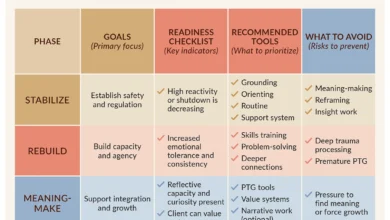
Therapists working in this field emphasize that the emergence of these memories is not a sign of mental instability, but a normal, albeit difficult, component of the identity shift into parenthood. When these memories become overwhelming, the clinical recommendation generally follows a multi-pronged approach:
- Externalizing the Experience: Engaging with a therapist or a support group to "socially construct" a new understanding of the past. By speaking these memories aloud, the individual moves them from a chaotic, internal state into a coherent, manageable narrative.
- Validated Communication: If appropriate, initiating structured conversations with parents can bridge the gap between perceptions. When a parent is able to acknowledge a child’s experience, it often provides the closure necessary for the new parent to move forward.
- Boundary Management: If parents are unable or unwilling to acknowledge the past, the new parent must prioritize their current family unit. This may involve setting clear expectations regarding childcare, physical proximity, and emotional involvement.
Broader Societal Impact
The societal implications of this phenomenon are significant. As more families grapple with intergenerational trauma and the shifting dynamics of childcare, there is a growing demand for specialized perinatal mental health support. The recognition that parenting is a psychological catalyst suggests that public health initiatives should focus not just on physical recovery from childbirth, but on the cognitive and emotional health of the new parent as they navigate their own history.
Ultimately, the act of becoming a parent is an invitation to revisit the past. Whether that visit results in healing, frustration, or a new understanding of one’s lineage, the process is a fundamental part of the human experience. By meeting these surfacing memories with curiosity rather than shame, new parents can ensure that they are not merely repeating the past, but actively shaping a future that reflects their own values and hard-won insights. As clinical consensus suggests, the goal is not to suppress these memories, but to integrate them, using them as a compass to guide the next generation with greater awareness and intentionality.