The concept of the detox bath, a practice rooted in historical hydrotherapy, has evolved from ancient folk traditions into a modern, accessible wellness protocol. While the human body possesses a sophisticated, inherent detoxification system—primarily managed by the liver, kidneys, and lymphatic system—contemporary environmental stressors have led many health practitioners to explore supportive therapies designed to augment these biological processes. Therapeutic bathing, specifically utilizing mineral-rich additives, is increasingly recognized for its role in promoting transdermal absorption of minerals, skin health, and physiological relaxation.
Historical Context and Physiological Mechanisms
Hydrotherapy, the external use of water for therapeutic purposes, dates back to the Roman and Greek eras, where public baths were considered essential for public health and hygiene. The modern iteration of the detox bath focuses on the principle of reverse osmosis and the stimulation of the integumentary system. The skin, the body’s largest organ, acts as a semi-permeable membrane. Through the application of warm water infused with specific solutes, individuals may facilitate the draw of toxins outward while simultaneously absorbing essential minerals.
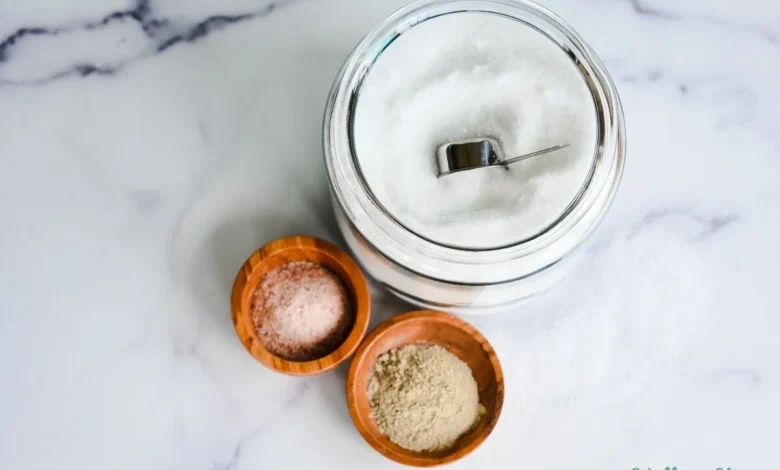
Magnesium sulfate, commonly known as Epsom salt, serves as the cornerstone of most contemporary detox bath protocols. Physiologically, magnesium is a cofactor in over 300 enzymatic reactions in the human body. Research suggests that while oral supplementation is common, transdermal absorption via warm water immersion may provide an effective method for raising cellular magnesium levels, which are critical for muscle function, nervous system regulation, and inflammation reduction.
Categorized Therapeutic Bath Protocols
Medical and wellness literature identifies several specific bath formulations, each targeting distinct physiological needs. These practices are typically categorized by their primary active ingredients.
The Epsom Salt Protocol
The Epsom salt bath remains the gold standard for muscle recovery and systemic relaxation. Clinical interest in magnesium sulfate centers on its ability to reduce C-reactive protein levels, a marker of inflammation. When dissolved in hot water, the salt ions dissociate, theoretically allowing for better mineral uptake. It is widely recommended for those experiencing post-exertional muscle soreness or chronic stress, as the magnesium helps regulate cortisol levels and promote parasympathetic nervous system dominance.
Bentonite Clay for Heavy Metal Chelation
Bentonite clay, a naturally occurring volcanic ash, is utilized for its strong negative electrical charge. In environmental science, clay is frequently used to sequester contaminants; in a therapeutic bath context, it is believed to act similarly. By binding to positively charged heavy metals and impurities on the skin’s surface, the clay acts as a mechanical exfoliant and a chemical chelator. Practitioners advise the use of a drain trap during these baths, as the high viscosity of the clay can lead to plumbing obstructions if not properly filtered.
Oxygen and Ginger Infusions
The oxygen-based or ginger-infused bath is primarily indicated for respiratory and circulatory support. Ginger (Zingiber officinale) contains gingerol and shogaol, compounds known for their thermogenic properties. When added to a bath, ginger induces peripheral vasodilation, increasing blood flow to the skin and surface tissues. This systemic warming effect is frequently utilized during the onset of seasonal illnesses, such as the common cold or influenza, to promote sweating—a natural thermoregulatory process that aids in cooling and symptom management.
Acidic Balance: The Vinegar Bath
Apple cider vinegar baths are often recommended for dermatological health. The human skin has a natural acidic mantle with a pH typically ranging between 4.5 and 5.5. Modern soaps and detergents can strip this barrier, leading to dryness, eczema, and microbial imbalances. The acetic acid in vinegar helps restore the skin’s natural pH, providing an inhospitable environment for pathogenic bacteria and fungi. This makes the vinegar bath a common recommendation for those managing chronic skin irritations, sunburn, or scalp issues such as dandruff.
Chronology of Implementation and Safety Considerations
The application of these baths is generally viewed as a complementary rather than a replacement therapy. For individuals seeking to integrate these practices into a routine, a systematic approach is recommended:
- Initial Assessment: Individuals with underlying cardiovascular conditions, hypotension, or those who are pregnant or breastfeeding should consult a medical professional before engaging in heat-based therapies, as rapid changes in body temperature can affect heart rate and blood pressure.
- Frequency and Duration: Most protocols suggest beginning with a 15-to-20-minute soak. Extended exposure, particularly in high-heat water, can lead to dehydration.
- Post-Bath Integration: The recovery phase is as important as the soak itself. Many practitioners suggest a cool rinse to close pores and seal in moisture, followed by adequate hydration to assist the body in processing the physiological shift induced by the bath.
Clinical Perspectives and Broader Implications
Dr. Madiha Saeed, a board-certified family physician, emphasizes that while the body is highly efficient at self-detoxification, modern lifestyles—characterized by high-processed food consumption, exposure to synthetic chemicals, and chronic stress—can overwhelm these pathways. "The goal of these therapeutic baths is not to replace the liver or kidneys," notes Dr. Saeed, "but to provide the necessary environment for these organs to function at peak capacity."
The implications of these practices extend to the broader conversation regarding preventative healthcare. As the cost of chronic disease management rises, low-cost, home-based interventions gain traction. The accessibility of pantry staples like vinegar, baking soda, and ginger allows for an equitable approach to wellness. Furthermore, these baths serve as a psychological "off-switch" in a high-stimulation environment, contributing to improved sleep hygiene, which is scientifically linked to better immune function and cognitive clarity.
Risks and Environmental Best Practices
While these methods are largely considered safe for the general population, vigilance regarding ingredient quality is necessary. Essential oils, for instance, should be chosen based on therapeutic grade standards, and individuals should perform patch tests to avoid allergic contact dermatitis. Regarding the environment, while Epsom salts and vinegar are generally safe for wastewater systems, the accumulation of high-density clays requires caution.
Conclusion: The Future of Home-Based Hydrotherapy
The trend toward "low-tox" living and evidence-based self-care reflects a growing desire for agency in health outcomes. Detox baths represent a synthesis of historical wisdom and modern biological understanding. By providing targeted support to the body’s largest organ, individuals can effectively manage symptoms of inflammation, skin distress, and nervous system overstimulation. As research continues to explore the transdermal delivery of minerals and the benefits of thermal therapy, these simple, traditional methods remain a cornerstone of accessible, integrative wellness.
In summary, the transition from traditional bathing to therapeutic detox baths is supported by both historical application and modern physiological principles. Whether through the magnesium-rich properties of Epsom salts or the pH-balancing effects of vinegar, these practices offer a scalable, inexpensive, and effective means of supporting the body’s innate detoxification systems. However, as with all wellness interventions, success is contingent upon consistency, safety precautions, and a clear understanding of one’s own health status.
Related posts: