Natural Dietary Interventions: Cranberries and Pumpkin Seeds Show Promise for Benign Prostatic Hypertrophy Management

More than 50% of men in their 50s and at least 70% of men over age 60 suffer from benign prostatic hypertrophy, or BPH, commonly known as an enlarged prostate, a condition that significantly impacts quality of life through burdensome lower urinary tract symptoms. These symptoms frequently include nocturia, the need to wake up multiple times at night to urinate, alongside urgency, frequency, and a weak stream. While conventional medical treatments offer clinical efficacy, their associated side effects and often low patient compliance rates compromise their overall effectiveness. The spectrum of reported side effects can be severe, encompassing sexual dysfunction, a potential link to high-grade prostate cancer, and psychological distress such as depression, explaining the observed poor adherence to prescribed regimens. When medication fails to alleviate symptoms, surgical procedures, notably transurethral resection of the prostate (TURP), become a consideration, representing a more invasive intervention. This widespread challenge underscores a pressing need for safer, more tolerable, and equally effective alternative or complementary approaches to BPH management.
Understanding Benign Prostatic Hypertrophy (BPH)
Benign prostatic hypertrophy is a non-cancerous enlargement of the prostate gland, a small gland located just below the bladder in men, surrounding the urethra. As the prostate grows, it can compress the urethra, obstructing the flow of urine from the bladder. This obstruction leads to a collection of symptoms often referred to as lower urinary tract symptoms (LUTS). The prevalence of BPH increases with age, making it a significant public health concern in aging male populations worldwide. Beyond the direct discomfort of urinary symptoms, BPH can lead to serious complications if left untreated, including urinary tract infections, bladder stones, bladder damage, and kidney damage. The economic burden of BPH, including direct medical costs and indirect costs related to lost productivity and reduced quality of life, is substantial, highlighting the imperative for effective and sustainable management strategies.
Current Medical Approaches and Their Limitations
The conventional medical landscape for BPH primarily involves pharmaceutical interventions such as alpha-blockers (e.g., tamsulosin, prazosin, terazosin) and 5-alpha reductase inhibitors (e.g., finasteride, dutasteride). Alpha-blockers work by relaxing the smooth muscles in the prostate and bladder neck, thereby improving urine flow. While generally effective in symptom relief, they can cause side effects like dizziness, orthostatic hypotension, and retrograde ejaculation. 5-alpha reductase inhibitors, on the other hand, reduce the size of the prostate by blocking the conversion of testosterone to dihydrotestosterone (DHT), a hormone involved in prostate growth. These drugs are effective in reducing prostate volume and preventing BPH progression but are associated with side effects such as decreased libido, erectile dysfunction, and breast tenderness. The necessity for long-term adherence to these medications, coupled with the potential for adverse effects, often leads to patient non-compliance, undermining treatment outcomes. For severe cases or when medical therapy is insufficient, surgical options like TURP remove excess prostate tissue, offering significant symptomatic improvement but carrying risks of bleeding, infection, and long-term complications such as erectile dysfunction or urinary incontinence.
The Search for Natural and Dietary Alternatives
Given the limitations of conventional treatments, there has been a burgeoning interest in exploring natural and dietary interventions for BPH. Population studies have long suggested a correlation between dietary habits and prostate health. Specifically, a low intake of animal protein and a high intake of fruits and vegetables have been hypothesized to be protective against BPH. However, this observation is not a blanket recommendation against all animal proteins; research indicates that eggs and poultry, along with refined grains, might be particularly detrimental, while no significant association has been consistently found for red meat or dairy products in relation to BPH risk.
One widely publicized herbal remedy for prostate issues, saw palmetto (Serenoa repens), has been the subject of extensive research. Despite its popularity and historical use, more than 30 randomized controlled trials have consistently demonstrated that saw palmetto is largely ineffective in treating BPH symptoms, proving to be "totally useless" in rigorous scientific testing. This highlights the critical importance of subjecting traditional remedies to robust scientific scrutiny.

Cranberries: A Historical Remedy Under Scientific Scrutiny
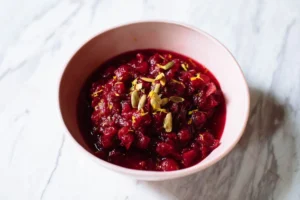
Cranberries, long utilized by Native Americans for treating various urinary ailments, have garnered attention for their potential role in BPH management. The effectiveness of this traditional use, however, remained anecdotal until subjected to modern scientific investigation. Studies have begun to shed light on their potential benefits.
In a significant randomized controlled trial, participants consuming approximately one teaspoon (around 3 grams) of powdered whole cranberries daily experienced notable improvements in their BPH symptoms, overall quality of life, and various urination parameters. It is crucial to distinguish this from processed cranberry products like "craisins," which are often laden with sugar and oils, diminishing their therapeutic potential. The powdered whole cranberry form ensures the delivery of the full spectrum of beneficial compounds.
Further research has explored dose-response relationships. Even smaller quantities, such as a third or a sixth of a teaspoon of powdered cranberries, were found to be beneficial, indicating that relatively modest intakes could yield positive effects. This flexibility in dosage could enhance patient compliance and make cranberries a more accessible dietary intervention. The primary mechanism of action for cranberries in urinary health is often attributed to their high concentration of proanthocyanidins (PACs), which are believed to prevent bacteria from adhering to the urinary tract walls. While this mechanism is well-established for preventing urinary tract infections (UTIs), ongoing research is exploring how these potent antioxidants and anti-inflammatory compounds might directly influence prostate health and reduce BPH symptoms. The studies often use cranberry powder, which is essentially concentrated cranberry without the added sugars or processing found in many commercial cranberry products. This suggests that while supplements can be effective, purchasing bulk cranberry powder and integrating it into daily smoothies or other foods could be a more cost-effective and natural approach. Conversely, not all fruit-based interventions are equally effective; for instance, studies on purple grape juice have shown no discernible benefit for prostate issues.
Pumpkin Seeds: From Folk Medicine to Clinical Trials
Pumpkin seeds have a long history in folk medicine, revered for centuries as a remedy for prostate disorders across various cultures. This traditional wisdom has prompted scientific inquiry into their potential therapeutic properties. In vitro studies have demonstrated promising results, showing that extracts from pumpkin seeds can significantly inhibit the growth of BPH prostate cells in a petri dish, cutting their proliferation by half. Early animal studies, such as injecting pumpkin seed extracts into rabbits, further supported the notion of their biological activity.
The transition to human clinical trials has been particularly insightful. Pumpkin seed oil has shown promise in alleviating prostate issues. In head-to-head comparisons against conventional BPH drugs like Prazosin and Terazosin, pumpkin seed oil appeared to perform comparably, suggesting a therapeutic efficacy akin to pharmaceutical interventions. However, a limitation of some of these earlier studies was the absence of a placebo group, which makes it challenging to definitively ascertain the specific efficacy of the pumpkin seed oil beyond a potential placebo effect.
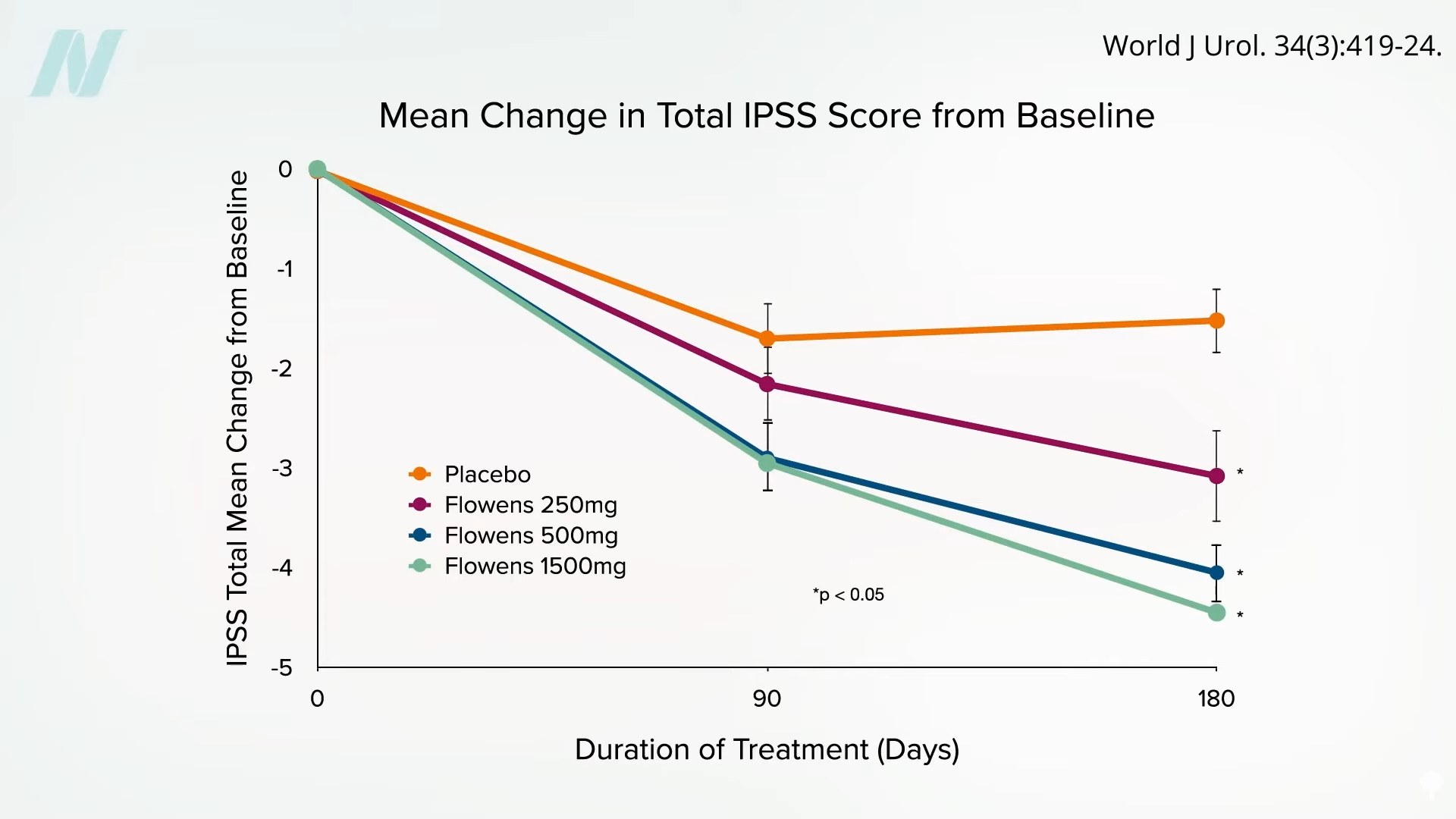
A more comprehensive study involving over a thousand men provided crucial data. Participants were randomized into three groups: one receiving pumpkin seed extract, another a placebo, and a third consuming approximately one tablespoon (about 7.5 grams) of plain whole pumpkin seeds daily. This study, despite being funded by a drug company developing a supplement, yielded unexpected results: the pumpkin seed extract supplement performed no better than the placebo. However, the plain whole pumpkin seeds themselves demonstrated significant efficacy in reducing BPH symptoms. This finding is critical, suggesting that the benefits are not solely attributable to isolated compounds or oils, but rather to the synergistic action of various components within the whole seed. Subsequent research has even indicated that an oil-free extract of pumpkin seeds could be effective, further supporting the idea that the beneficial compounds are multifaceted.
The consensus among researchers from this pivotal study was that pumpkin seeds could be confidently recommended for patients experiencing mild-to-moderate BPH symptoms. This conclusion has been further reinforced by regulatory bodies, including the European equivalent of the U.S. Food and Drug Administration (EMA). The EMA has officially endorsed pumpkin seeds for the relief of lower urinary tract symptoms associated with an enlarged prostate, with the important caveat that more serious underlying conditions must first be ruled out by a medical professional. The therapeutic effects of pumpkin seeds are often attributed to their rich composition of phytosterols (like beta-sitosterol), zinc, fatty acids, and antioxidants, all of which are believed to play a role in modulating prostate health and reducing inflammation.
Integrating Dietary Strategies into BPH Management
The emerging evidence for cranberries and pumpkin seeds presents a compelling case for integrating dietary interventions into a holistic approach to BPH management. These natural remedies offer the potential for symptom improvement with a favorable side-effect profile, contrasting sharply with the limitations of conventional pharmacotherapy. For patients seeking less invasive options or those struggling with the side effects of medications, incorporating whole cranberries (preferably powdered form) and pumpkin seeds into their daily diet could provide significant relief.
The implications of these findings extend beyond individual patient care. From a public health perspective, promoting dietary changes could be a cost-effective and accessible strategy for managing a widespread condition. It also empowers patients to take a more active role in their health management. However, it is crucial to emphasize that dietary interventions should complement, not replace, professional medical advice and oversight. A thorough diagnosis by a medical doctor is essential to rule out other serious conditions that may present with similar symptoms, such as prostate cancer.
Future Directions and Expert Perspectives
While current research offers encouraging results, further large-scale, independently funded randomized controlled trials are needed to solidify the evidence base, clarify optimal dosages, and fully elucidate the mechanisms of action for cranberries and pumpkin seeds in BPH. Longitudinal studies could also shed light on their long-term efficacy and potential preventative roles.
Medical professionals and nutritionists increasingly advocate for a comprehensive approach to prostate health that includes a balanced diet rich in fruits, vegetables, and whole grains, alongside regular physical activity. The research on flaxseeds, which have shown therapeutic efficacy comparable to some commonly used drugs for prostate health with only beneficial side effects, further underscores the power of whole foods. Similarly, the broader impact of cranberries on cancer prevention and their role in managing bladder infections are areas of ongoing scientific interest, highlighting the diverse health benefits these natural ingredients may offer.
In conclusion, the journey from traditional folk remedies to evidence-based interventions for BPH is illuminated by the compelling research on cranberries and pumpkin seeds. These natural powerhouses offer a promising avenue for improving the quality of life for millions of men grappling with an enlarged prostate, paving the way for a more integrated and patient-centric approach to prostate health.
Related posts: