Beyond Muscle and Maple Syrup: The Expanding Scientific Understanding of Fenugreek and Human Endocrinology

Fenugreek, an ancient herb long utilized in traditional medicine and culinary practices across South Asia and the Mediterranean, has increasingly captured the attention of modern endocrinologists and clinical researchers. While initial contemporary Western studies primarily investigated the herb’s capacity to enhance athletic performance and elevate testosterone levels in men, subsequent randomized controlled trials have revealed a much broader spectrum of hormonal and physiological impacts. From alleviating the debilitating symptoms of dysmenorrhea and menopause to significantly enhancing lactation in nursing mothers, this versatile legume derivative is shedding its status as a niche supplement and entering the mainstream of evidence-based nutritional science.
Historical Context and Botanical Background
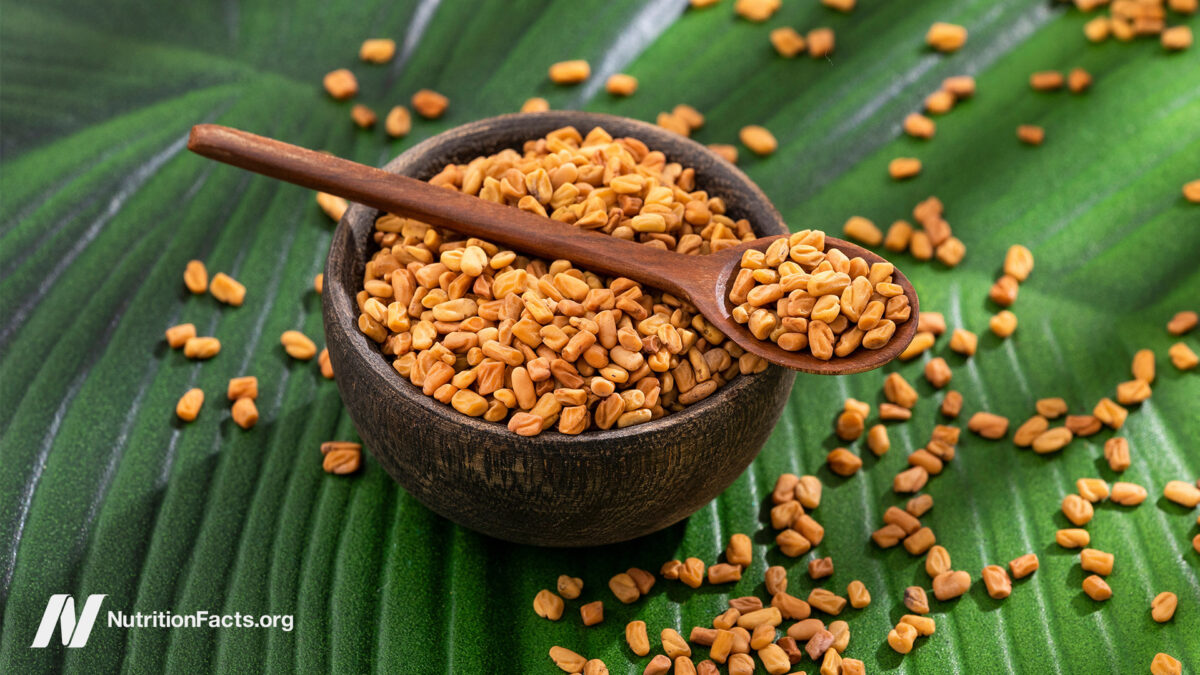
The history of Trigonella foenum-graecum, commonly known as fenugreek, dates back thousands of years. Ancient Egyptian texts, including the Ebers Papyrus dating to approximately 1500 BCE, document its use for treating various inflammatory conditions and inducing labor. Throughout traditional Ayurvedic and Unani systems of medicine, fenugreek seeds have been prescribed as a restorative tonic, a digestive aid, and a galactagogue. Despite its deep historical roots, rigorous clinical investigation into the specific mechanisms of action driving these traditional uses remained sparse until the late 20th and early 21st centuries.
In recent decades, nutritional scientists and pharmacologists have sought to isolate the active compounds within the seeds—such as galactomannan, steroidal saponins, and various alkaloids—to understand how they interact with the human endocrine system. This scientific pivot has transformed public perception of the herb, moving it from a culinary spice to a potent botanical agent capable of measurable hormonal modulation.
Chronology of Clinical Discoveries
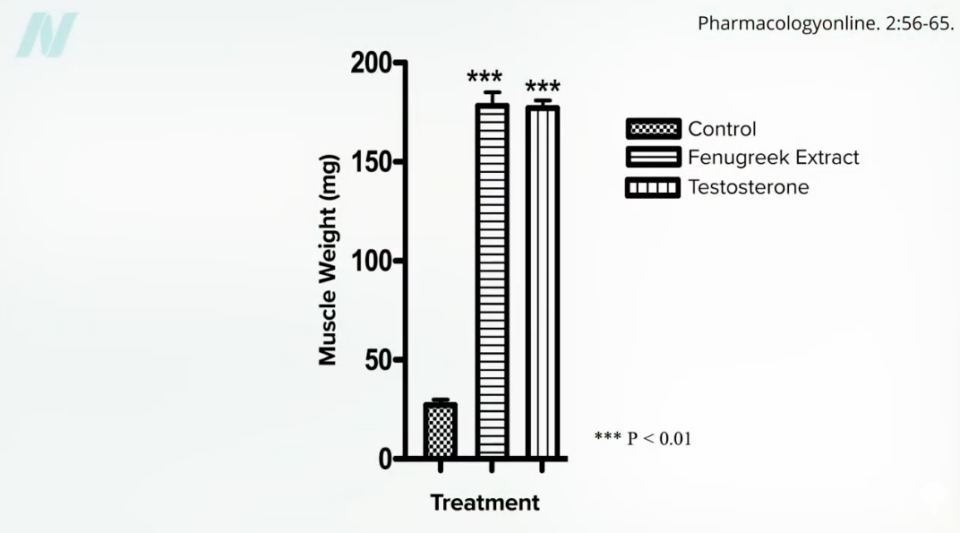
The modern scientific inquiry into fenugreek began in earnest with animal studies in the early 2000s, which observed significant anabolic and androgenic activities in rodents. These foundational animal trials suggested that certain constituents in fenugreek could mimic or stimulate hormonal pathways, prompting human clinical trials.
By the late 2000s and early 2010s, researchers launched randomized controlled trials (RCTs) involving human subjects. A landmark eight-week study published around 2010 evaluated young male participants randomized to receive either a placebo or fenugreek capsules. The findings demonstrated statistically significant improvements in upper and lower body strength, favorable shifts in body composition, and a reduction in body fat percentage. Subsequent multi-trial analyses confirmed that these physical enhancements correlated with a measurable increase in total blood testosterone.
Following these male-centric studies, clinical researchers shifted their focus toward female endocrinology. Between 2015 and 2020, a series of double-blind, placebo-controlled trials investigated specialized fenugreek seed extracts on healthy menstruating women, menopausal women, and lactating mothers. These studies systematically documented improvements in female sexual desire, reductions in vasomotor menopausal symptoms such as hot flashes, significant relief from primary dysmenorrhea, and dramatic increases in breast milk production.
Comprehensive Breakdown of Clinical Data and Findings
The physiological impacts of fenugreek are wide-ranging, substantiated by specific clinical metrics across multiple demographics:
-
Athletic Performance and Androgen Levels in Men
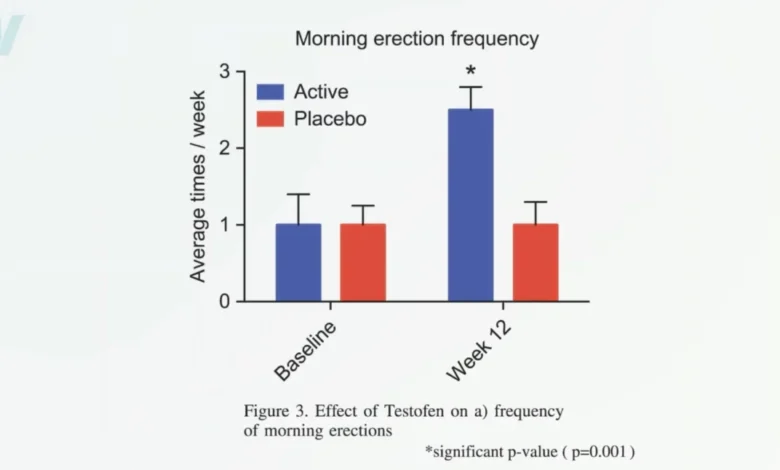
Clinical trials involving male participants consistently demonstrate that standardized fenugreek extracts can elevate bioavailable and total testosterone. This hormonal uptick facilitates greater neuromuscular efficiency, supporting the strength gains and fat-loss metrics observed in resistance-trained men. Researchers have noted a distinct side effect during these trials: a harmless alteration in body odor and excretion, specifically causing sweat and urine to carry a distinct aroma reminiscent of maple syrup, due to the metabolic excretion of sotolon. -
Female Sexual Function and Desire
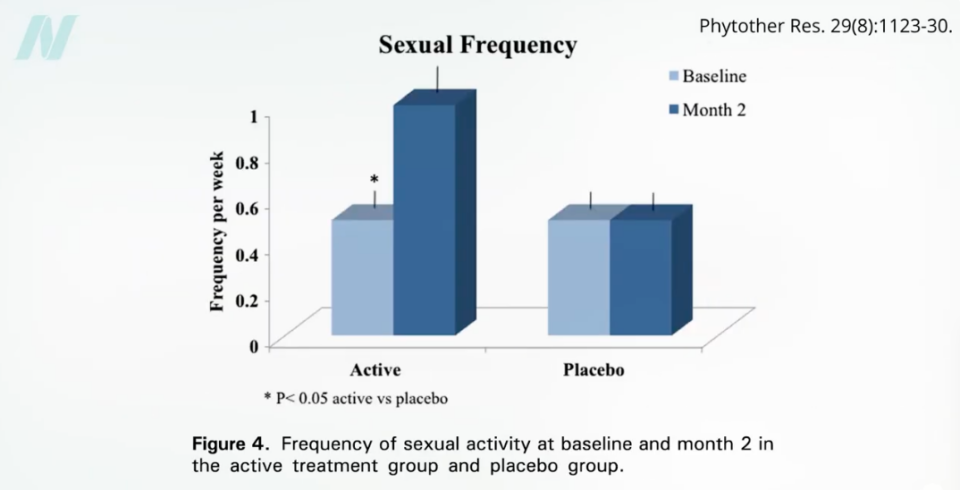
While estrogen—specifically estradiol—plays a primary role in physiological arousal, lubrication, and blood flow in women, testosterone remains a key driver of libido in both sexes. Pharmaceutical attempts to use testosterone patches in women have historically been hampered by cardiovascular and clotting concerns. Clinical trials evaluating specialized fenugreek extracts (such as Libifem) in women revealed a statistically significant rise in both testosterone and estradiol levels. This hormonal synergy translated into a self-reported and clinically observed doubling of sexual desire and overall sexual activity compared to placebo cohorts, without the adverse safety profiles associated with synthetic hormone replacement. -
Menopausal Symptom Management
Vasomotor symptoms, including night sweats and hot flashes, significantly disrupt the quality of life for women undergoing menopause. A double-blind, randomized, placebo-controlled investigation evaluating a de-husked fenugreek seed extract demonstrated a significant reduction in menopausal symptoms across all measured domains. Over a three-month intervention period, participants experienced a cutting-in-half of weekly hot flashes and night sweats, indicating strong phytoestrogenic or endocrine-balancing properties. -
Alleviating Dysmenorrhea (Painful Periods)
Primary dysmenorrhea affects millions of menstruating individuals globally. Clinical trials investigating plain, commercially available fenugreek powder—rather than proprietary or expensive extracts—administered in simple capsule form have yielded promising results. In these studies, participants ingested approximately one-third of a teaspoon of fenugreek powder three times daily during the first three days of their menstrual cycle. The intervention yielded a statistically significant decrease in pain scores, alongside concurrent reductions in associated systemic symptoms such as fatigue, nausea, and headaches. Given the low cost of the raw material, researchers have highlighted this intervention as an economically accessible therapeutic option.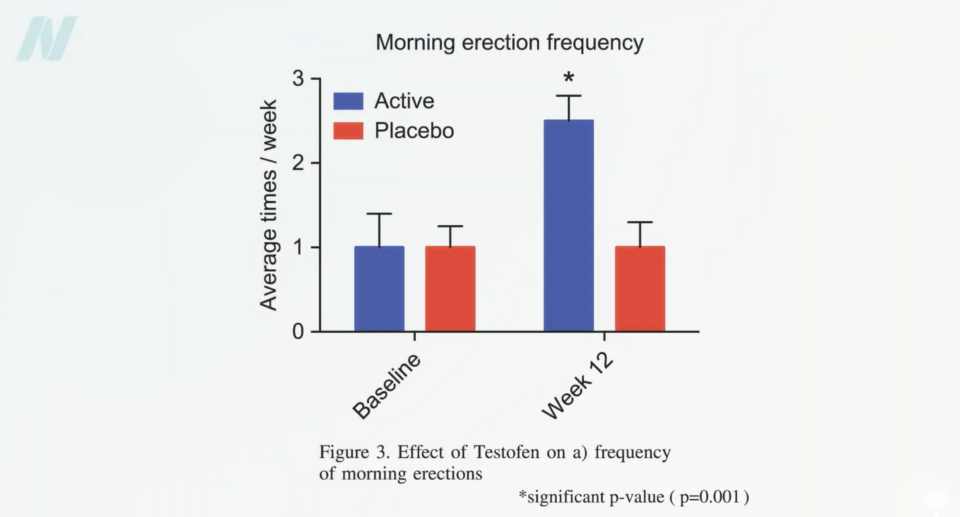
-
Lactation and Galactagogue Efficacy
The ability of certain substances to stimulate breast milk production is vital in pediatric nutrition and maternal health. Clinical research has validated fenugreek’s traditional reputation as a potent galactagogue. In a rigorous randomized, double-blind, placebo-controlled trial, breastfeeding women who consumed a botanical blend containing a fraction of a teaspoon of fenugreek, alongside minor quantities of ginger and turmeric, successfully doubled their milk production within a four-week period. Documented milestones included an approximate 50 percent increase by the end of the second week and a 100 percent increase by the conclusion of the fourth week.
Safety Profile, Contraindications, and Usage Precautions
Despite the favorable outcomes demonstrated in clinical literature, medical professionals emphasize the necessity of appropriate dosing and strict adherence to safety guidelines.
The primary contraindication involves pregnancy. Data derived from laboratory animal models indicate that certain constituents of fenugreek possess uterine-stimulating properties. Consequently, clinical guidelines strongly advise against the consumption of medicinal doses of fenugreek during pregnancy to prevent potential complications, prioritizing patient safety despite the absence of extensive human teratogenicity data.
Furthermore, individuals managing diabetes or taking anticoagulant medications should exercise caution and consult healthcare providers prior to supplementation, as fenugreek has demonstrated mild hypoglycemic and antiplatelet effects in secondary pharmacological evaluations.
Implications and Future Outlook
The expanding body of peer-reviewed literature surrounding fenugreek underscores a broader shift in modern medicine toward investigating whole-food derivatives and botanical extracts through rigorous scientific frameworks. By validating traditional uses via randomized controlled trials, researchers are providing clinicians with low-cost, low-risk adjunct therapies for common physiological challenges ranging from metabolic conditioning to age-related hormonal shifts and maternal health needs.
As clinical trials continue to refine optimal dosing strategies and isolate specific active compounds, fenugreek stands out as a prime example of how traditional ethnobotany can successfully inform contemporary evidence-based practice. Future research will likely focus on long-term safety tracking and the standardization of extracts to ensure consistent therapeutic efficacy across diverse patient populations.