Navigating the Weight Loss Landscape: Harnessing Your Body’s Natural GLP-1 for Sustainable Health

The current health landscape is dominated by a pervasive buzz surrounding a new generation of weight loss injectables, with drugs like Ozempic, Mounjaro, and Zepbound capturing headlines and reshaping the dialogue around weight management. These pharmaceutical interventions, known as GLP-1 receptor agonists, have surged in popularity, generating tens of billions of dollars in revenue, with a significant portion of this growth stemming from the American market. For individuals grappling with persistent weight challenges, these medications can appear to be a revolutionary solution. However, a growing cohort of health professionals and individuals are exploring whether there exists a more inherent, sustainable pathway to achieving metabolic health without the extensive list of potential adverse effects associated with these synthetic compounds. This article delves into the mechanisms of natural GLP-1 production and outlines a holistic approach to harnessing the body’s innate capabilities for weight regulation and overall vitality, drawing insights from experts like Dr. Bobby Price.
The Rise of GLP-1 Agonists: A Medical and Economic Phenomenon
The introduction of GLP-1 receptor agonists initially marked a significant advancement in the treatment of type 2 diabetes. Semaglutide (Ozempic, Wegovy) and tirzepatide (Mounjaro, Zepbound) mimic the action of glucagon-like peptide-1 (GLP-1), a hormone naturally produced in the gut in response to food intake. These drugs work by enhancing insulin secretion, suppressing glucagon release, slowing gastric emptying, and signaling satiety to the brain, collectively leading to reduced appetite and subsequent weight loss.
Their efficacy in weight reduction quickly led to their approval for chronic weight management, transforming them into a cultural phenomenon. The market for these drugs is projected to reach unprecedented levels, driven by high demand and aggressive marketing. However, this pharmaceutical "shortcut" comes with a considerable array of potential complications. Reported side effects range from common gastrointestinal issues like nausea, vomiting, and diarrhea, to more severe conditions such as acute pancreatitis, gallbladder problems, and vision-threatening strokes. Gastroparesis, a condition where stomach emptying is significantly delayed, has also been linked to these medications, leading to severe discomfort and nutritional deficiencies. Furthermore, the aesthetic side effect dubbed "Ozempic face," characterized by sagging and brittle skin due to rapid fat loss, has become a notable concern for many users. Perhaps most critically, studies indicate that 40% to 50% of the weight shed on these medications is often lean muscle mass, including vital cardiac tissue. This muscle loss can have profound long-term health implications, particularly given that the weight almost invariably returns once the medication is discontinued, often without the compensatory regrowth of lost muscle.
The Body’s Own "Cheat Code": Understanding Natural GLP-1 Production
The human body possesses an intricate system of hormonal regulation designed to maintain metabolic balance. GLP-1 is a prime example of this inherent intelligence, acting as a crucial communicator between the gut and the brain. It signals satiety, slows the rate at which food leaves the stomach, and stabilizes blood sugar levels by stimulating insulin release and inhibiting glucagon. Unlike synthetic GLP-1 agonists, the body’s natural production and utilization of this hormone are integrated within a complex network of physiological processes, minimizing the risk of adverse, systemic imbalances.
The fundamental truth is that one does not necessarily require a pharmaceutical intervention to tap into these metabolic benefits. By strategically influencing the body’s natural GLP-1 production through targeted dietary, movement, and lifestyle modifications, individuals can achieve sustainable weight management and improved metabolic health, circumventing the risks associated with synthetic drugs. This approach empowers the body to heal and regulate itself from within, fostering long-term well-being rather than creating dependency on external compounds.
Strategic Pillars for Natural GLP-1 Enhancement
Empowering the body to naturally produce and utilize GLP-1 involves a multi-faceted approach, emphasizing whole foods, a thriving gut microbiome, consistent physical activity, mindful eating practices, and systemic detoxification.
1. Boosting Your Soluble Fiber Intake
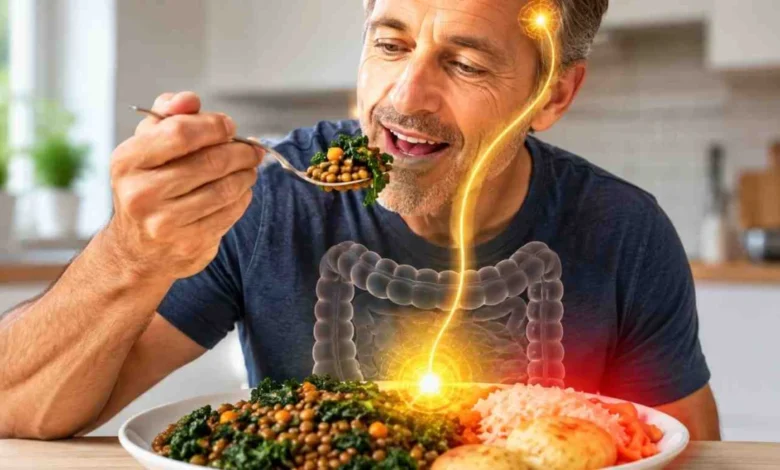
Soluble fiber is a cornerstone of natural GLP-1 production. When consumed, soluble fibers form a gel-like substance in the digestive tract, slowing digestion and nutrient absorption. More importantly, they serve as a vital food source for beneficial gut bacteria, which ferment these fibers into short-chain fatty acids (SCFAs), such as butyrate, propionate, and acetate. These SCFAs act as direct triggers for the enteroendocrine cells in the gut lining to release GLP-1.
Incorporating foods rich in soluble fiber is critical. Excellent sources include lentils, chickpeas, peas, oats, barley, apples, citrus fruits, and dark green leafy vegetables like spinach and kale. Aiming for a daily intake of 25-38 grams of fiber, with a significant portion from soluble sources, can profoundly impact GLP-1 secretion. This dietary strategy not only dampens post-meal glucose spikes, which are notorious for triggering cravings and promoting fat storage, but also fosters a healthy gut microbiome, which is intrinsically linked to metabolic health. For example, studies have shown that individuals with higher soluble fiber intake tend to have better glycemic control and lower body mass indices.
2. Prioritizing Healthy Fats and Omega-3s
The type and quality of fats consumed play a crucial role in metabolic efficiency and hormonal signaling, including GLP-1 production. Healthy fats, particularly those abundant in monounsaturated and polyunsaturated fatty acids, especially omega-3s, provide essential building blocks for cellular function and hormone synthesis.
Foods like avocados, extra virgin olive oil, raw walnuts, chia seeds, flaxseeds, and fatty fish (salmon, mackerel, sardines) are rich in these beneficial fats. Omega-3 fatty acids, in particular, have anti-inflammatory properties and are known to support gut barrier function and modulate gut microbiota, indirectly influencing GLP-1 release. Replacing inflammatory processed seed oils (e.g., soybean, corn, cottonseed oil) with these whole-food, high-quality fats provides the necessary biochemical signals for sustained satiety and stable energy levels, preventing the roller-coaster effect of blood sugar fluctuations. Research consistently demonstrates that diets rich in healthy fats contribute to improved insulin sensitivity and weight management.
3. Cultivating a Diverse Microbiome
The gut microbiome is often referred to as the body’s "second brain" due to its extensive influence on various physiological processes, including metabolism and hormone regulation. A diverse and robust community of gut bacteria is paramount for optimal GLP-1 production. High-probiotic and fermented foods introduce beneficial microorganisms, while prebiotic fibers nourish them.
Incorporate foods such as kimchi, sauerkraut, kefir, yogurt (with live active cultures), and kombucha into your diet. Additionally, polyphenol-rich foods, particularly dark chocolate (at least 70% cacao), berries, and colorful vegetables, act as prebiotics and fuel beneficial bacteria. When the internal ecosystem is balanced, the gut becomes more efficient at producing SCFAs, which in turn stimulate GLP-1 release. A disrupted or imbalanced microbiome (dysbiosis) can impair this process, contributing to metabolic dysfunction and weight gain. Studies have shown a direct correlation between gut microbial diversity and metabolic health markers.
4. Optimizing Exercise for Metabolic Health
Physical activity is a potent, natural stimulant for GLP-1 hormone release and a critical component of metabolic health. Consistent movement, rather than intense, sporadic workouts, is key. The goal is to accumulate approximately 150 minutes of moderate-intensity aerobic or resistance training per week, as recommended by major health organizations.

Whether it’s brisk walking, swimming, cycling, or weightlifting, these activities send crucial signals to the body to optimize glucose uptake and maintain muscle tone. Resistance training, in particular, is vital as it builds and preserves lean muscle mass, which is metabolically active tissue. This directly counters the concerning muscle wasting often observed with rapid, drug-induced weight loss. Regular exercise not only enhances GLP-1 secretion but also improves insulin sensitivity, boosts energy expenditure, and supports cardiovascular health, all contributing to sustainable weight management and overall vitality.
5. Master the Art of Mindful Eating
Beyond what one eats, how one eats profoundly impacts digestive processes and hormonal signaling. In today’s fast-paced world, many individuals rush through meals, barely chewing, which significantly hampers the body’s ability to register fullness and properly digest food.
Mindful eating involves slowing down, savoring each bite, and thoroughly chewing food until it reaches a soft, almost liquid consistency. This deliberate act initiates the release of digestive enzymes in the mouth and allows sufficient time for the gut to communicate with the brain. The process of chewing and the presence of food in the stomach are crucial cues that trigger the release of GLP-1. If food is swallowed too quickly, the brain doesn’t receive the "I’m full" signal promptly, often leading to overeating. Making meals a meditative practice, rather than a race, enhances satiety, improves digestion, and supports the body’s natural appetite-suppression mechanisms.
6. Practice Strategic Food Sequencing
A simple yet highly effective strategy for managing blood sugar and supporting GLP-1 release is the order in which foods are consumed during a meal. The general recommendation is to eat protein and fibrous vegetables before consuming carbohydrates.
By front-loading fiber and protein, one can significantly blunt the post-meal glucose spike that typically occurs after eating carbohydrates. The fiber and protein create a physical barrier and slow down the absorption of sugars, leading to a more gradual and controlled rise in blood glucose. This, in turn, helps to optimize the insulin response and allows for a more sustained release of natural GLP-1, contributing to prolonged satiety and stable energy levels. Viewing carbohydrates as the final component of a meal, akin to a "dessert," can make weight management feel considerably more effortless and physiologically efficient. Studies have demonstrated the effectiveness of this sequencing in improving glycemic control, especially in individuals with insulin resistance.
7. Clear the Pathway: Detoxification
The often-overlooked barrier to sustainable weight loss and metabolic health is the accumulation of toxins in the body. Modern living exposes individuals to countless environmental chemicals, plasticizers, heavy metals, and persistent organic pollutants. Many of these toxins are lipophilic, meaning they are fat-soluble and tend to accumulate in adipose tissue as a protective mechanism, shielding vital organs from their harmful effects.
When the body attempts to shed fat without adequate support for detoxification pathways, it may resist releasing these fat stores to prevent a surge of toxins into the bloodstream. This can create a state of metabolic stagnation, making weight loss exceptionally challenging, regardless of diet or exercise efforts. Supporting the body’s natural detoxification organs—the liver, kidneys, and lymphatic system—is foundational for safe and effective fat burning. This doesn’t necessarily mean radical "cleanses" but rather a focus on nutrient-dense foods, adequate hydration, and specific herbs that support liver function (e.g., milk thistle, dandelion root), kidney health, and lymphatic drainage. Ensuring these elimination channels are functioning optimally allows the body to release stored toxins safely, thereby facilitating fat loss and restoring metabolic flexibility.
Comparing Approaches: Risks, Benefits, and Sustainability
The stark contrast between pharmaceutical GLP-1 agonists and natural GLP-1 enhancement lies in their mechanisms, risks, and sustainability. While drugs offer rapid weight loss, they often come with significant side effects, the loss of crucial muscle mass, and the inevitability of weight regain upon cessation. The economic burden of these medications is also substantial, raising questions about accessibility and long-term healthcare costs.
Conversely, the natural approach, though requiring consistent effort and lifestyle adjustments, fosters a deeper understanding and alignment with the body’s innate biological rhythms. It promotes overall health beyond just weight loss, improving gut health, increasing energy levels, enhancing nutrient absorption, and building sustainable habits. This holistic method empowers individuals to become active participants in their health journey, reducing dependency on external interventions and cultivating resilience against chronic metabolic diseases. The benefits extend far beyond the scale, contributing to improved mental well-being and a greater sense of vitality.
Expert Perspectives and Public Health Implications
Health experts, including Dr. Bobby Price, advocate for integrating these natural strategies as a primary line of defense against metabolic dysfunction and obesity. The current global obesity epidemic presents a significant public health challenge, with rising rates of type 2 diabetes, cardiovascular disease, and other weight-related comorbidities. While GLP-1 drugs offer a powerful tool for certain populations, particularly those with severe obesity or complex medical conditions, the widespread reliance on them overlooks the foundational role of lifestyle interventions.
Public health initiatives increasingly emphasize preventive care and empowering individuals with the knowledge and tools to manage their health naturally. The implications of a pharmaceutical-first approach to weight loss include escalating healthcare costs, potential for long-term unknown side effects, and a missed opportunity to address the root causes of metabolic imbalance through sustainable lifestyle changes. Encouraging the natural enhancement of GLP-1 aligns with a more proactive and preventative healthcare model.
Conclusion
The journey to a lean, energetic, and truly healthy life is not about finding the next synthetic injection but about harmonizing one’s lifestyle with the natural biological rhythms designed to maintain optimal health. By prioritizing soluble fiber, healthy fats, cultivating a diverse gut microbiome, engaging in consistent movement, practicing mindful eating, strategically sequencing food, and supporting the body’s detoxification pathways, individuals can activate their inherent capacity for weight regulation. This path offers a sustainable, side-effect-free alternative to pharmaceutical interventions, empowering individuals to reclaim their vitality and embark on a journey of genuine, long-term well-being. The choices made today lay the foundation for a healthier tomorrow.
Source: Dr. Bobby Price, via YouTube.
Related posts: