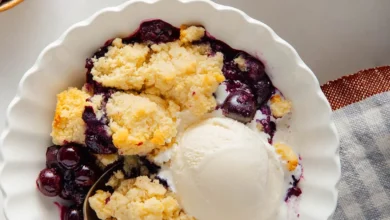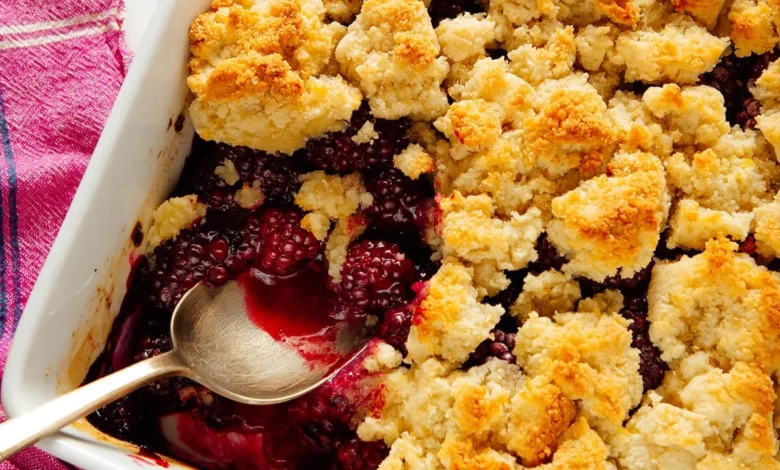
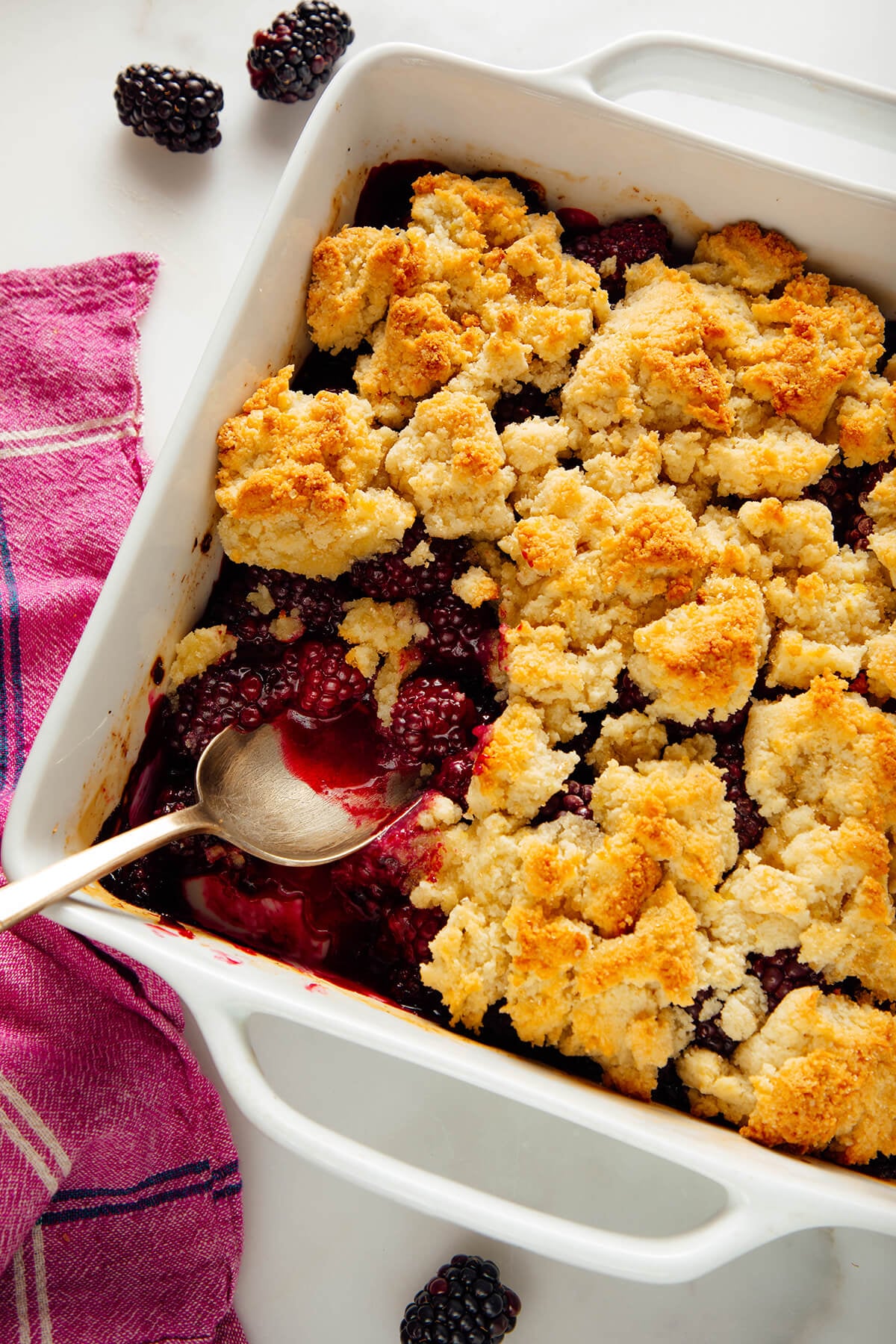
The preparation of a classic blackberry cobbler serves as a quintessential example of traditional seasonal baking, utilizing peak-summer produce to create a complex, textural dessert that balances acidity and sweetness. This specific preparation method, which relies on a dual-stage baking process and the integration of almond flour as a gluten-free alternative to traditional wheat-based binders, has gained traction in contemporary home kitchens as a solution for dietary inclusivity without compromising the structural integrity of the dish.
Historical and Culinary Context of the Cobbler
The cobbler, a North American dessert variant, dates back to the early British colonies in the United States. Historical culinary records indicate that settlers, lacking the necessary ingredients or equipment to construct traditional puddings or pies, developed the cobbler as a "dump-and-bake" style alternative. The term "cobbler" likely derives from the archaic English word meaning to "cobble together," referring to the haphazard, rustic placement of dough mounds over a base of fruit.
While early iterations relied heavily on suet or lard-based biscuit doughs, modern culinary evolution—driven by increased consumer demand for gluten-free options—has shifted the focus toward almond flour and nut-meal alternatives. Almond flour provides a high-fat, low-carbohydrate profile that, when combined with leavening agents and moisture-retaining dairy or dairy-substitute ingredients, creates a crumb structure similar to traditional scones.
Technical Analysis of the Two-Stage Baking Method
A critical component in the success of this specific recipe is the implementation of a two-stage baking cycle. Culinary technicians note that baking fruit fillings and dough toppings simultaneously often leads to inconsistent results: the sugar content in the fruit can caramelize and burn before the dough has fully hydrated and set, or conversely, the topping may steam rather than crisp if the fruit releases excessive moisture early in the process.
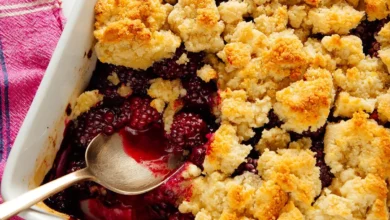
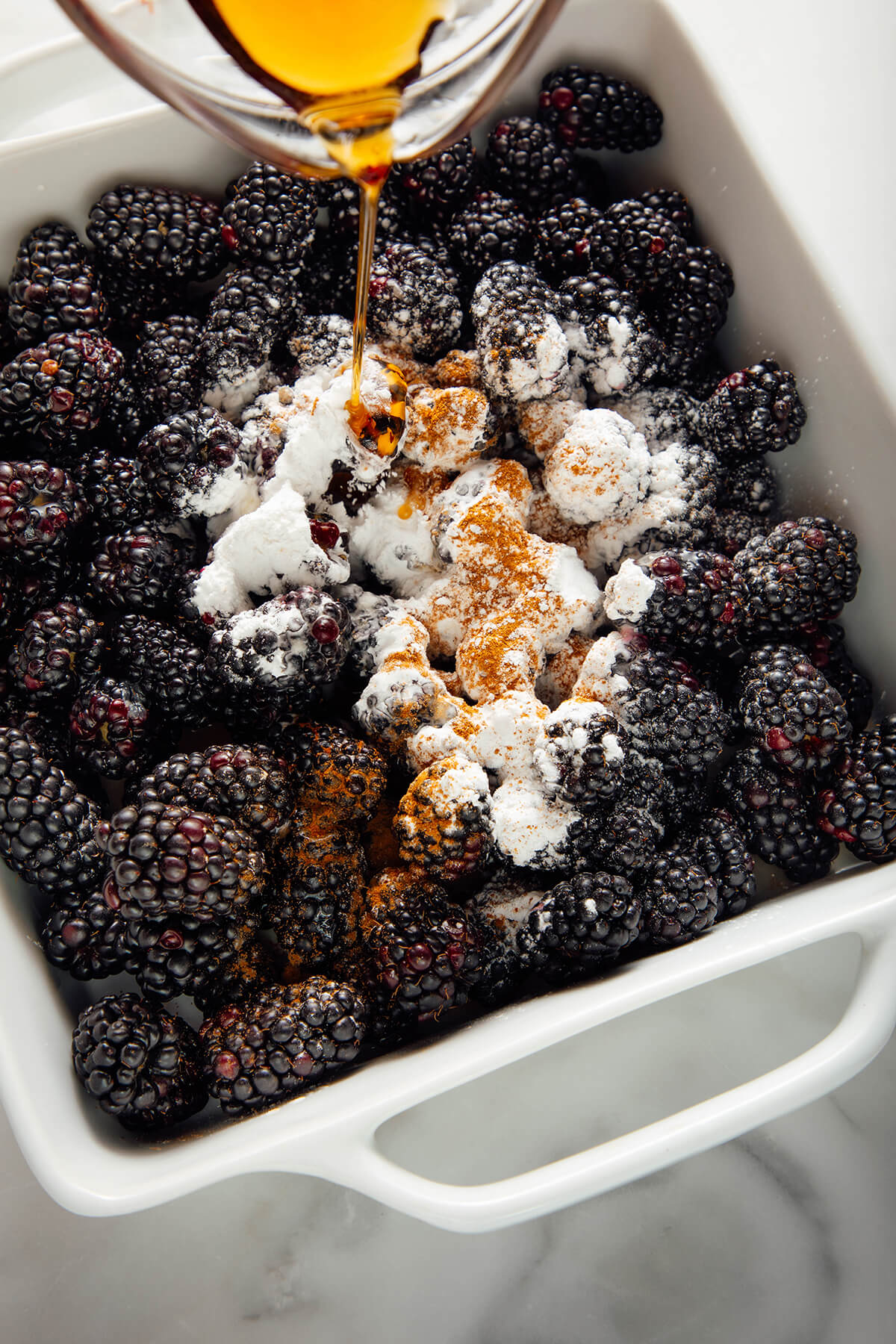
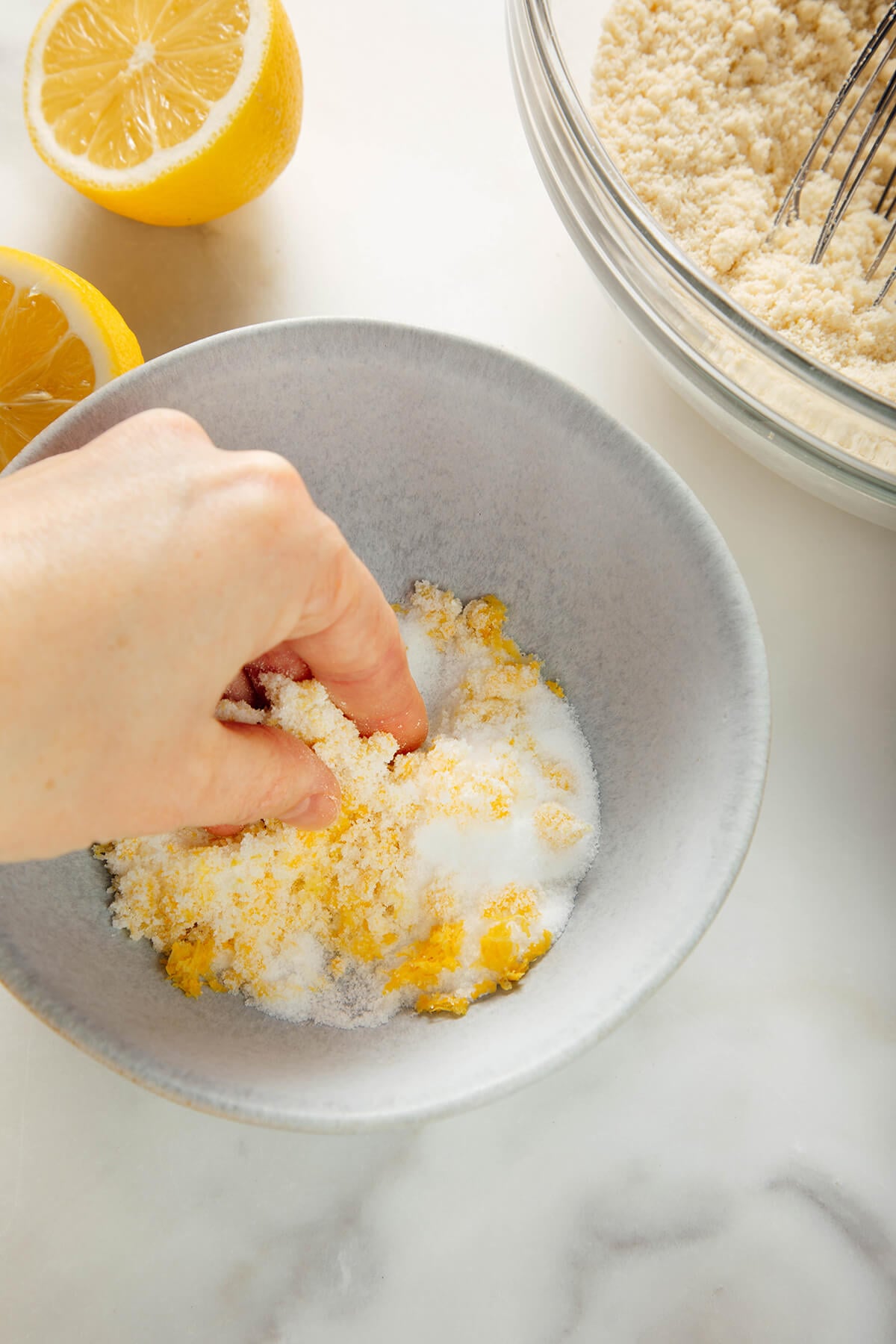
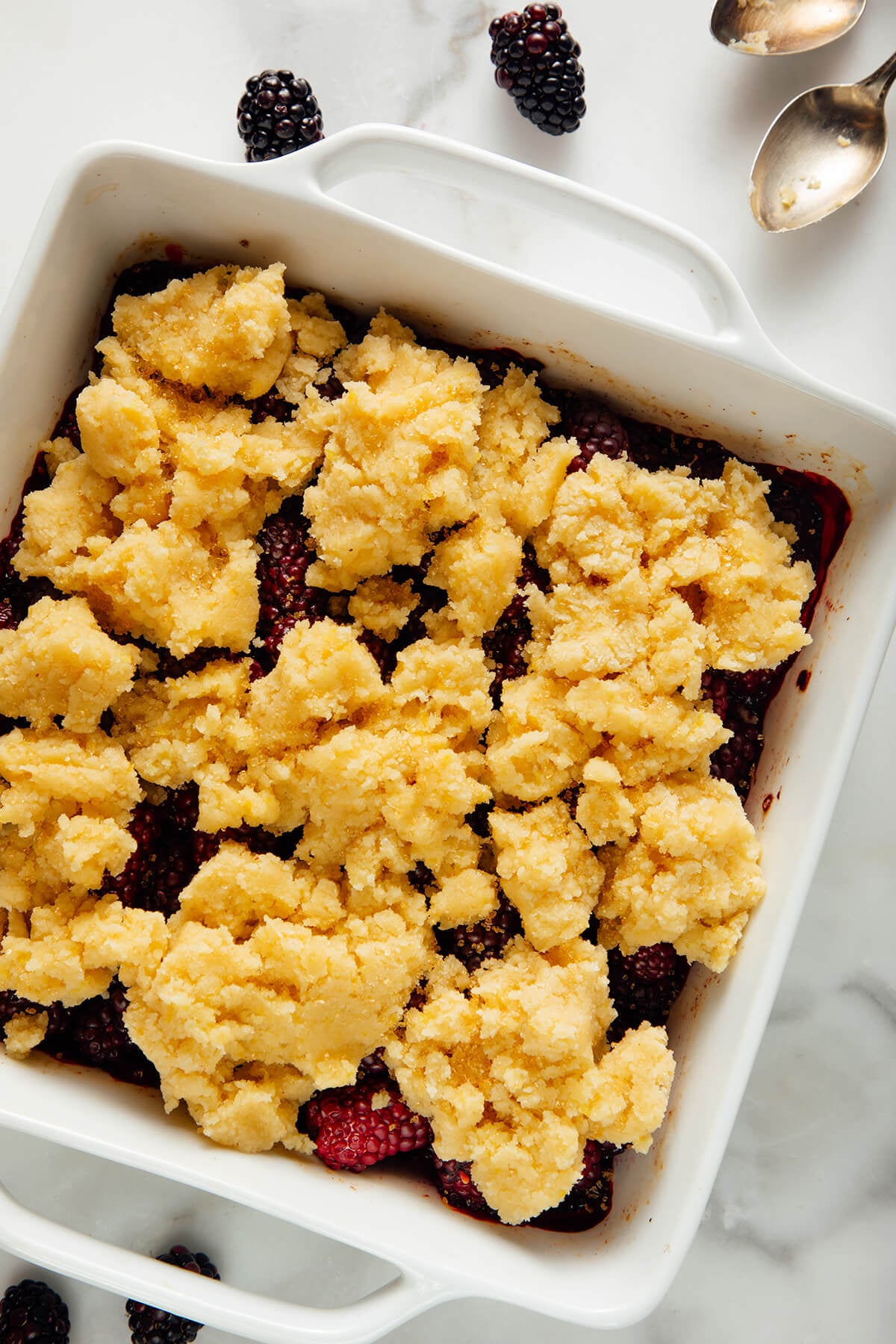
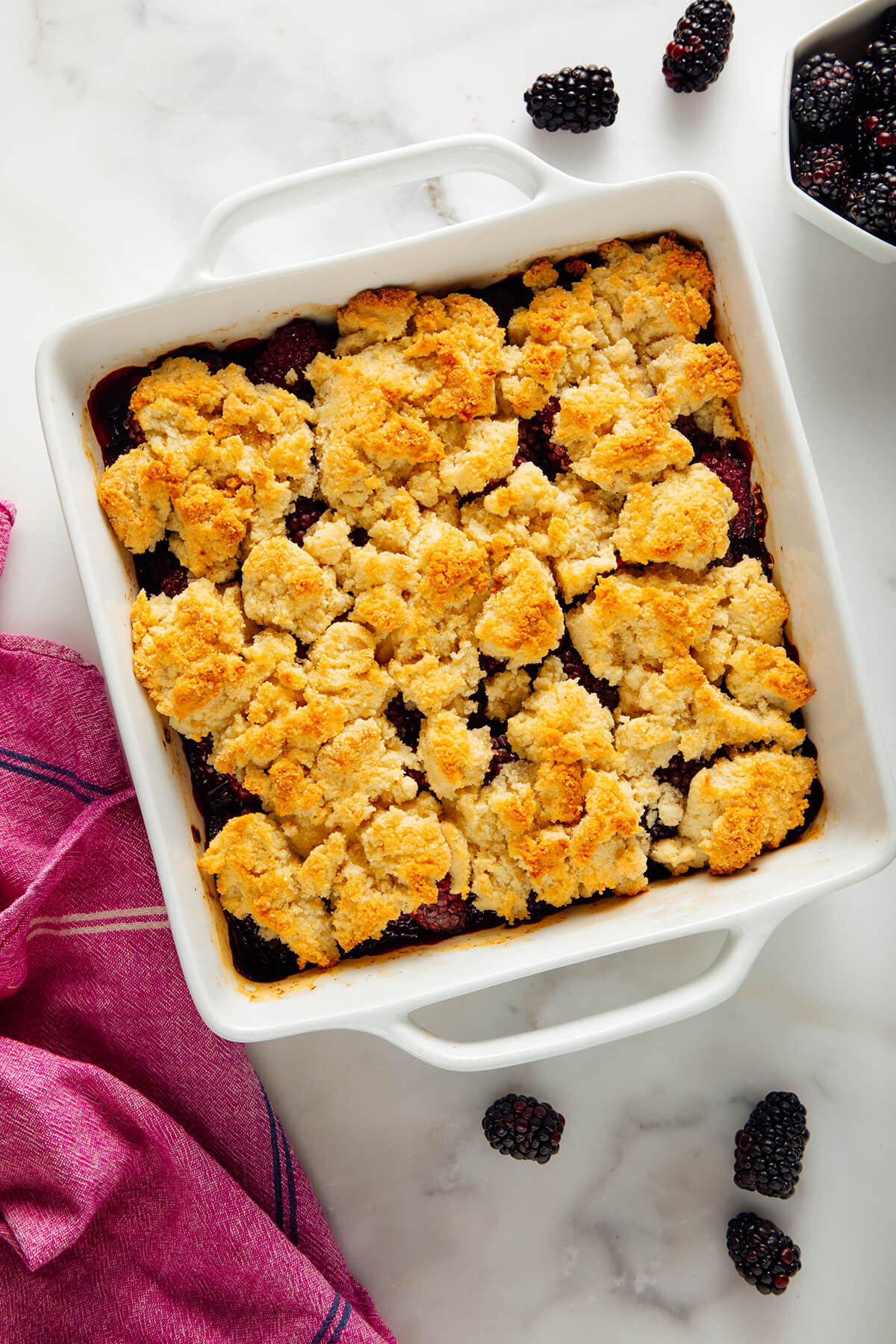
By pre-baking the fruit—typically seasoned with lemon zest to enhance the floral notes of the blackberries and cinnamon to provide warmth—the moisture is partially evaporated, concentrating the natural pectins. This "jamming" process ensures that the filling achieves a viscous, syrupy consistency. Once the filling has reached the desired state of readiness, the application of the almond-flour topping creates a protective thermal barrier, allowing the crust to achieve a golden-brown finish while the fruit finishes its transition into a stable, jellied base.
Nutritional and Dietary Considerations
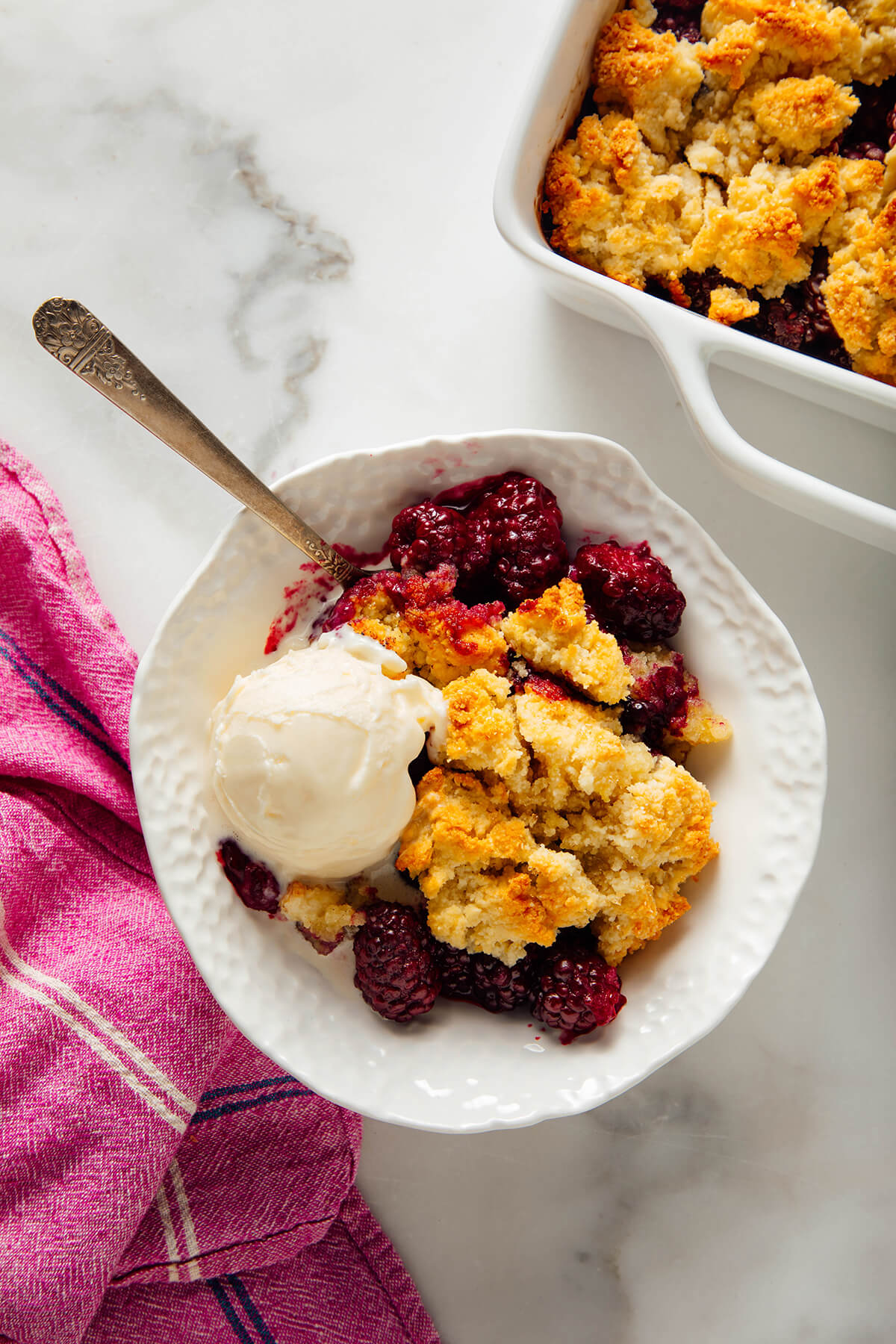
The shift toward almond-based toppings is supported by nutritional data highlighting the benefits of replacing refined flours with nut-based alternatives. Almond flour is rich in vitamin E, magnesium, and monounsaturated fats. For individuals managing celiac disease or non-celiac gluten sensitivity, this recipe provides a viable alternative that maintains the "mouthfeel" of a wheat-based cobbler.
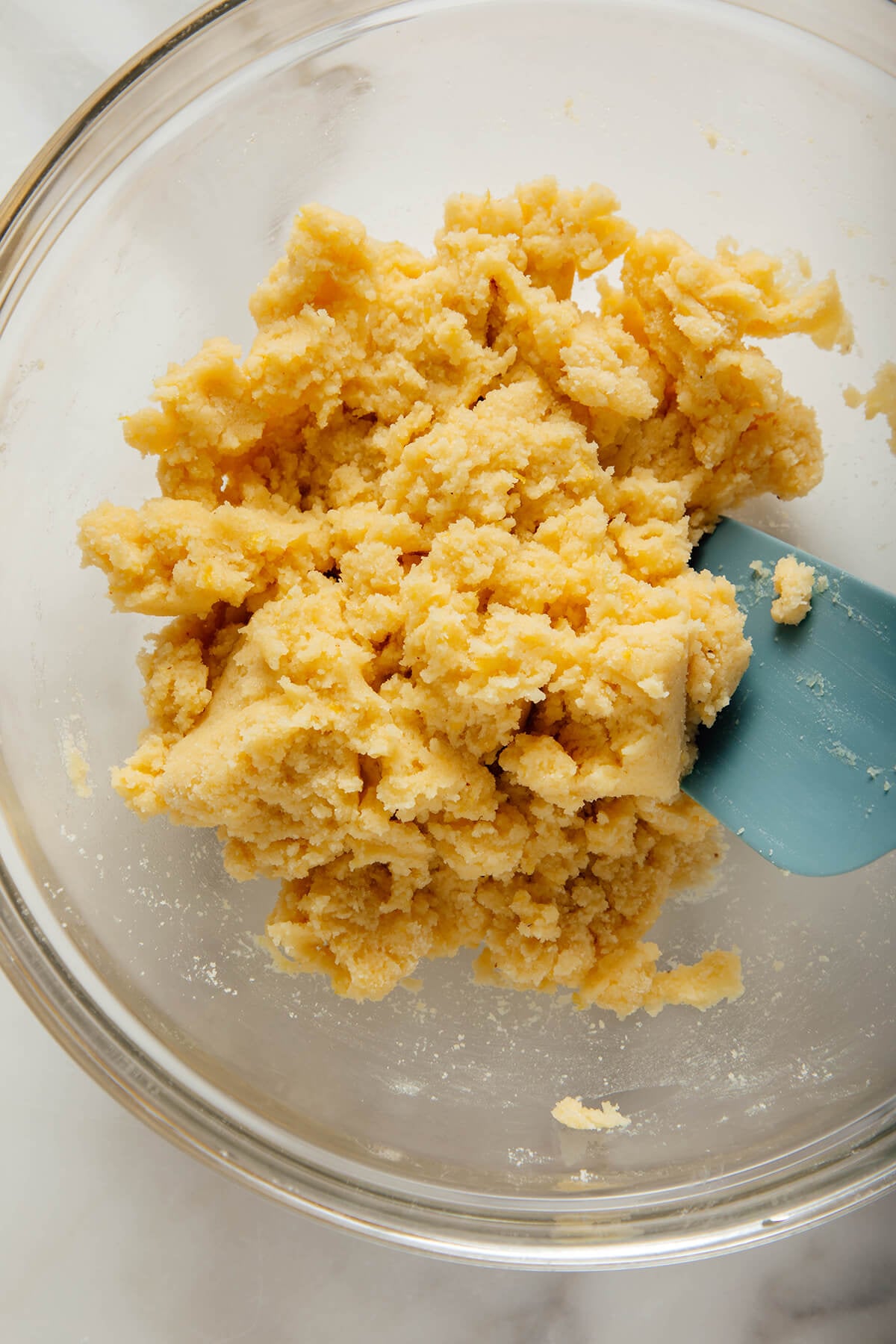
Furthermore, the inclusion of Greek yogurt in the topping formulation serves a functional purpose beyond flavor. The lactic acid present in the yogurt reacts with chemical leaveners—such as baking powder or soda—to create a lighter, more aerated crumb. This interaction is essential in gluten-free baking, where the absence of protein strands (gluten) often results in a dense or gummy product.
The Science of Blackberry Ripening and Heat Application
Blackberries, specifically the Rubus fruticosus species, contain high concentrations of anthocyanins, which are responsible for their deep purple-black pigmentation. These compounds are sensitive to pH levels and heat. In a culinary environment, the heat of the oven triggers a Maillard reaction—a chemical reaction between amino acids and reducing sugars—that enhances the natural flavor profile of the fruit.
When blackberries are heated, the cell walls break down, releasing internal juices. The addition of lemon zest is not merely a flavor enhancement; the citric acid helps to stabilize the color of the berries and prevents the fruit from becoming overly syrupy or cloying. The incorporation of a small amount of sweetener, such as maple syrup, serves to balance the inherent tartness of the berries, which can fluctuate significantly based on the timing of the harvest.
Standardized Ingredient Profiles and Sourcing
For optimal results in this preparation, the selection of fruit is paramount. Culinary experts recommend using berries that are firm but fully ripened, as under-ripe berries will lack the necessary sugar content, while over-ripe berries will disintegrate into an unappealing puree.
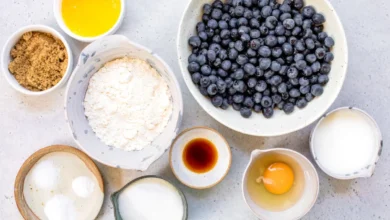
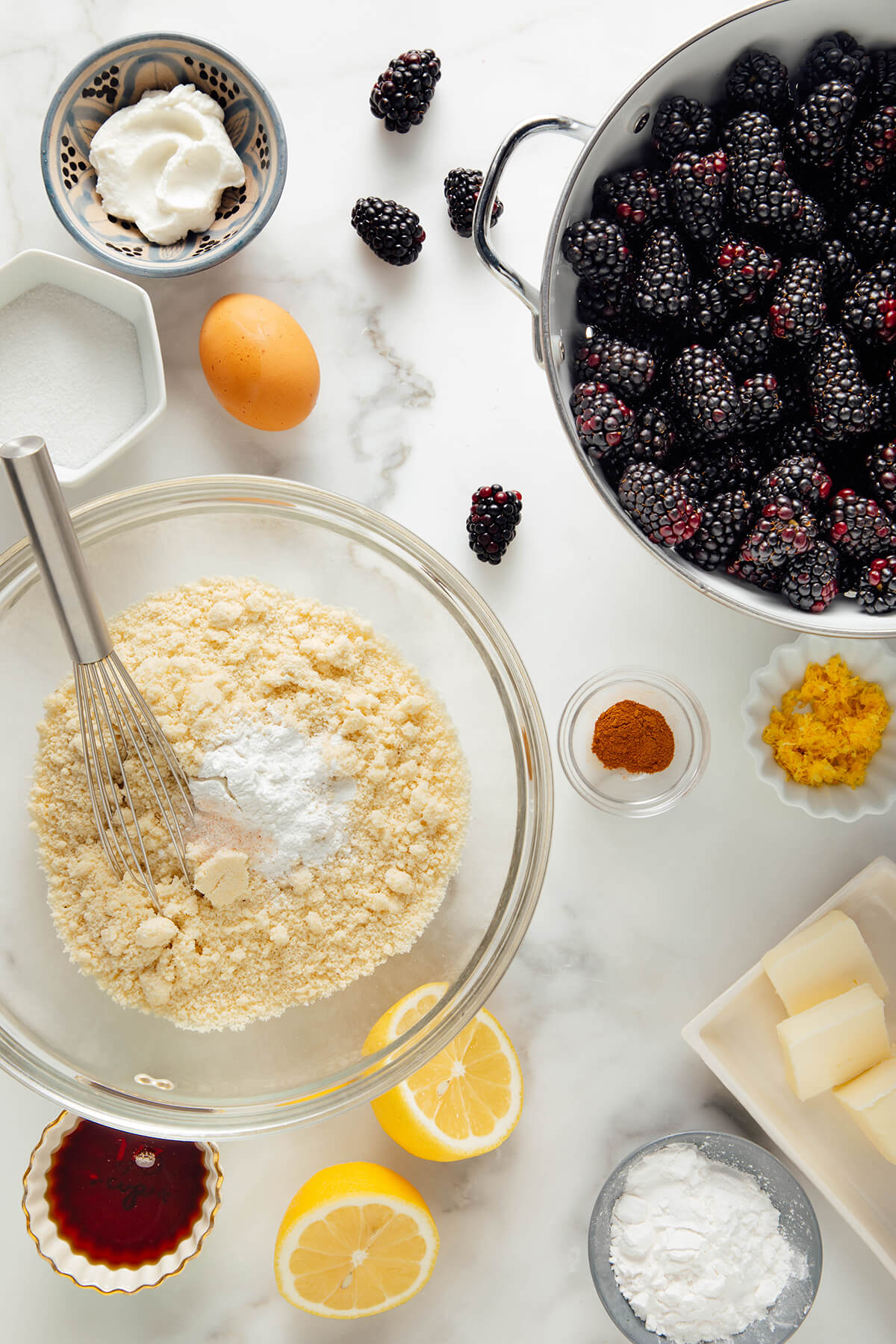
The standard ingredient ratio for a 9-inch square format typically includes:
- Fruit Base: 4 to 6 cups of fresh or properly thawed frozen blackberries.
- Binding Agents: 2 to 3 tablespoons of starch (such as cornstarch or arrowroot) to manage juice viscosity.
- Topping Base: 1.5 to 2 cups of superfine blanched almond flour.
- Leavening: 0.5 to 1 teaspoon of baking powder.
- Lipids/Dairy: 1 large egg and 2 to 3 tablespoons of Greek yogurt or a similar cultured dairy product to maintain moisture.
Operational Challenges: The Frozen Berry Factor
One of the most frequent challenges in preparing this dish is the use of frozen berries. Unlike fresh fruit, frozen berries undergo cellular damage during the freezing process, causing them to release significantly more liquid upon thawing.
Professional kitchen protocols dictate two specific methods to mitigate this:
- Refrigerated Thawing: Slow thawing in a controlled environment allows for a more gradual release of juices, which can be partially drained if the volume is excessive.
- Oven-Initiated Thawing: By placing the frozen berries in the baking dish and exposing them to heat before adding the topping, the chef can monitor the evaporation rate of the juices. This ensures that the bottom of the cobbler remains firm rather than becoming saturated and soggy.
Broader Economic and Seasonal Impact
The popularity of recipes such as this highlights a growing consumer preference for "scratch cooking" that aligns with local, seasonal agricultural cycles. Blackberries generally peak in the mid-summer months, and the proliferation of cobbler recipes in media during this window suggests a synchronized culinary calendar.
The economic implications are notable: by utilizing seasonal produce, home cooks can reduce their grocery expenditures while maximizing nutritional intake. Furthermore, the longevity of this recipe—often passed down or shared via digital platforms—demonstrates the continued relevance of traditional baking techniques in an era of rapid, processed food production.
Conclusion: Future Trends in Home Baking
As the culinary landscape continues to evolve, the integration of science-based baking techniques—such as understanding pH balance, leavening reactions, and the structural properties of nut flours—will likely continue to define the standard for home-cooked desserts. The blackberry cobbler, with its blend of historical roots and modern, inclusive ingredient profiles, serves as a microcosm of this broader trend. By focusing on ingredient quality and precise, multi-stage cooking methods, even simple dishes can reach a standard of excellence that satisfies both the traditionalist and the health-conscious modern diner. As of the current season, the reliance on these refined, gluten-free, and nutrient-dense formulations suggests a long-term trajectory for this style of dessert in the domestic and artisanal baking spheres.