Skinnytaste Releases Free 7-Day High-Protein Meal Plan Focused on Seasonal Ingredients and Balanced Nutrition

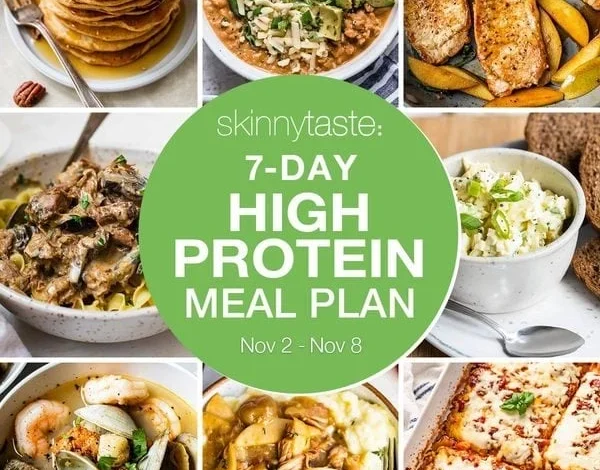
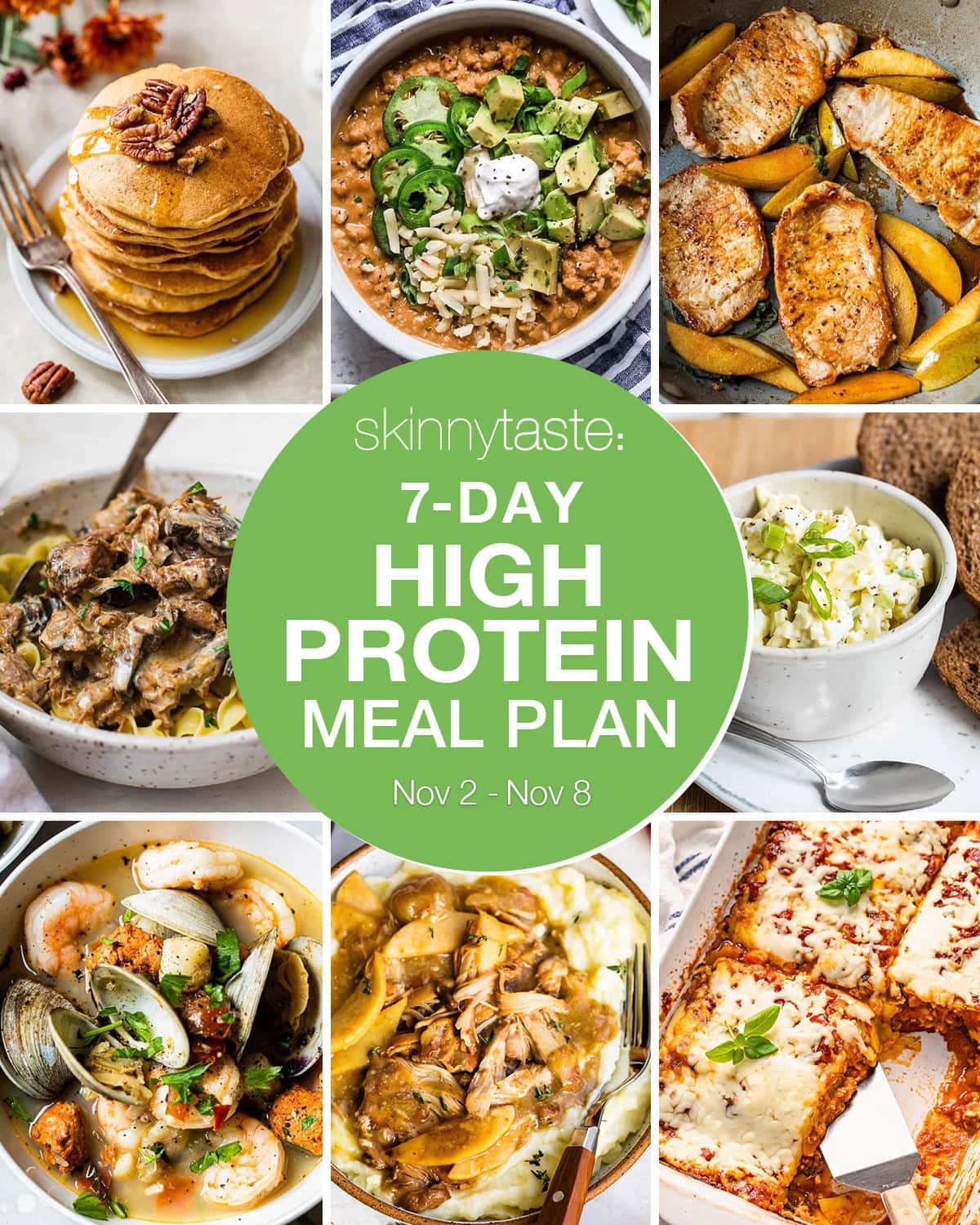
The popular wellness and culinary platform Skinnytaste has officially released a comprehensive, free 7-day high-protein meal plan tailored for the autumn season. Designed to help individuals meet daily nutritional targets without sacrificing flavor, the newly published guide features breakfast, lunch, and dinner ideas complete with macro-nutrient breakdowns and updated Weight Watchers (WW) points. As consumer interest in high-protein diets continues to surge due to its benefits for muscle retention and satiety, this structured menu aims to simplify weekly food preparation for health-conscious households.
Background Context of the High-Protein Movement
In recent years, nutritional science and dietary trends have placed a pronounced emphasis on adequate protein intake. Beyond traditional associations with athletic bodybuilding, higher protein consumption has become widely recognized by dietitians for its role in metabolic health, muscle preservation during weight management, and enhanced satiety. Studies consistently demonstrate that protein triggers the release of satiety hormones while suppressing ghrelin, the hormone responsible for hunger. This biological response helps curb mindless snacking on processed sweets and chips, particularly during late-afternoon and evening hours.
Recognizing these physiological benefits, wellness content creators have increasingly shifted their focus toward macro-balanced recipes. The Skinnytaste initiative responds directly to this consumer demand by structuring a weekly caloric intake hovering around 1,500 calories while maintaining a minimum threshold of roughly 120 grams of protein daily. This approach divides protein consumption evenly across primary meals—targeting approximately 30 grams per meal—supplemented by protein-rich snacks.
Seasonal Ingredients and Nutritional Highlights
The newly launched meal plan heavily incorporates seasonal autumn produce, specifically winter squash, which is currently at peak harvest. Nutritional experts note that winter squash varieties are exceptionally rich in vitamins A and C, essential micronutrients that bolster immune function, support ocular health, and promote skin integrity. Furthermore, these gourds provide substantial amounts of dietary fiber and beneficial antioxidants, supporting both gastrointestinal motility and cardiovascular wellness.
To showcase these seasonal advantages, the curated weekly menu highlights recipes such as Stuffed Turkey Breasts with Butternut Squash and Figs, alongside an Autumn Kale Salad with Chicken. These dishes deliberately merge high protein counts with the micronutrient density of seasonal vegetables, offering a balanced plate that aligns with autumnal culinary traditions.
Weight Watchers Integration and Program Updates
Navigating dietary point systems can often prove challenging for participants following commercial weight-management programs. Addressing recent adjustments made by Weight Watchers—which introduced new zero-point foods such as oatmeal—the Skinnytaste platform has taken steps to ensure recipe compatibility. While updating archival recipes is an ongoing process spanning content published between 2018 and 2025, the platform has integrated its digital index with the official WW recipe builder. Participants utilizing mobile devices can access automatic point recalculations seamlessly, minimizing tracking friction for community members.

Structured 7-Day Chronological Overview
The 7-day meal plan is meticulously organized to balance culinary variety, preparation efficiency, and nutritional targets. Weekday breakfast and lunch portions are engineered for individual servings, whereas dinners and weekend schedules cater to households of four, often generating practical leftovers for subsequent meals.
Monday sets the baseline with an Egg White Grill breakfast, a Tuna and White Bean Salad for lunch, and a comforting Ratatouille Lasagna for dinner, culminating in approximately 1,236 calories and 120 grams of protein.
Tuesday maintains the Egg White Grill and Tuna and White Bean Salad rotation, transitioning into a hearty White Bean Turkey Chili garnished with Greek yogurt, Monterey Jack cheese, avocado, and crumbled tortilla chips. This brings the daily intake to roughly 1,364 calories and 120 grams of protein.
Wednesday introduces efficiency through chili leftovers at lunch, followed by a Slow Cooker Beef Stroganoff for dinner, registering 1,390 calories and 126 grams of protein.
Thursday continues with the beef stroganoff leftovers and transitions into Pork Chops with Pears and Spicy Mustard Greens, achieving 1,335 calories and 128 grams of protein.
Friday wraps up the standard workweek with an Air Fryer Breakfast Banana Split, beef stroganoff leftovers for lunch, and a Portuguese Seafood Stew served alongside a multigrain baguette, totaling 1,442 calories and 125.5 grams of protein.
The weekend schedule adjusts for lifestyle flexibility. Saturday features Whole Wheat Pumpkin Pancakes with Pecans for breakfast, a Cheeseburger Crunch Wrap with baby carrots for lunch, and an open evening for dining out, resulting in a lighter calculated baseline of 668 calories and 44 grams of protein.
Sunday concludes the weekly cycle with a Breakfast Taco Scramble, a High-Protein Egg Salad on whole grain toast with cucumbers, and a comforting Crockpot Chicken with Apples paired with Garlic Mashed Potatoes and Garlic String Beans, delivering 1,481 calories and 123 grams of protein.
Medical Considerations and Professional Guidance

While high-protein diets offer substantial benefits for muscle maintenance and metabolic health, medical professionals emphasize that such regimens are not universally appropriate. Individuals with pre-existing renal impairments, liver disease, gout, or specific metabolic disorders must exercise caution when elevating protein consumption. Excess protein metabolism places increased physiological demands on the kidneys and liver, which can exacerbate underlying medical conditions.
Nutritionists and dietitians consistently recommend consulting a primary healthcare provider or a registered dietitian prior to undertaking significant dietary overhauls. Furthermore, caloric targets—such as the 1,500-calorie baseline utilized in the Skinnytaste guide—serve strictly as general estimates. Individual caloric and macronutrient requirements fluctuate considerably based on factors including age, biological sex, current body composition, daily physical activity levels, and personal health objectives.
Broader Impact and Community Engagement
The release of structured, macro-conscious meal plans reflects a broader consumer shift toward practical, home-cooked nutrition management. By providing comprehensive shopping lists categorized by grocery department—spanning produce, meats, spices, dairy, and grains—the initiative removes common logistical barriers associated with meal preparation.
Beyond individual meal execution, the program fosters a sense of shared accountability through digital communities. Platforms such as dedicated Facebook groups allow participants to share photographic evidence of completed dishes, exchange culinary modifications, and maintain motivation throughout their wellness journeys. Coupled with physical organizational tools like spiral-bound meal planners, these resources underscore a growing market demand for holistic, community-supported approaches to healthy living.