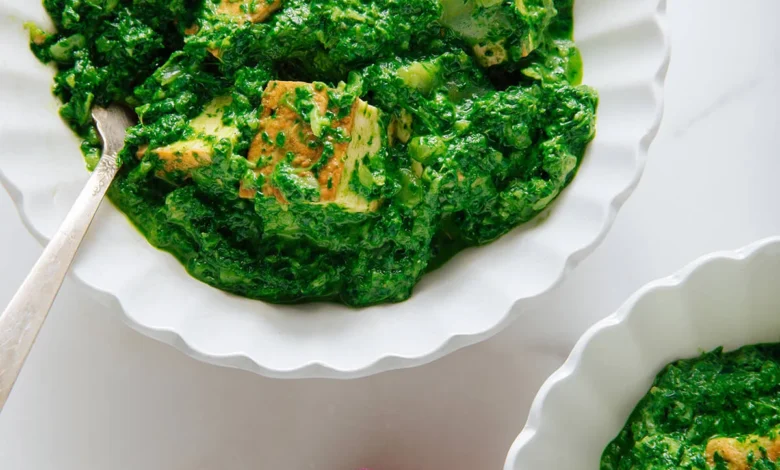
Palak paneer, a beloved vegetarian staple, represents the vibrant and comforting flavors of Northern Indian cuisine, particularly hailing from the Punjab region. This dish, characterized by tender cubes of paneer cheese enveloped in a silky, well-seasoned spinach gravy, has become a favorite on menus worldwide, including in the author’s own kitchen. The name itself, "Palak Paneer," directly translates to "spinach and cheese," highlighting its core components.

The author’s personal connection to palak paneer stems from its status as a go-to order at Indian restaurants. This enthusiasm has inspired a dedicated effort to recreate its authentic taste at home, a pursuit amplified by a desire for healthier, home-cooked meals during pregnancy. The choice to emphasize organic spinach was driven by concerns over pesticide residues, a factor highlighted by organizations like the Environmental Working Group (EWG), which has identified spinach as a produce item frequently carrying higher pesticide loads.
Developing this recipe involved meticulous testing, with the author reporting no less than six iterations to achieve a balance of maximum flavor and streamlined preparation. The goal was to make palak paneer an accessible weeknight meal, achievable within approximately 45 minutes from start to finish. This commitment to culinary precision underscores the dish’s potential as a wholesome and quick option for families.

The Genesis of a Beloved Dish
The origins of palak paneer are deeply rooted in the agricultural bounty and culinary traditions of Punjab, a state in Northern India renowned for its rich, hearty cuisine. Historically, the region’s focus on dairy and abundant green vegetables has led to the creation of dishes like palak paneer, which are both nutritious and satisfying. The incorporation of paneer, a non-melting Indian cheese, provides a unique textural contrast to the smooth spinach base.
While the author’s personal journey to recreating palak paneer was influenced by diverse restaurant experiences, the fundamental elements of the dish have remained consistent across generations and regions. The use of aromatic spices, ginger, garlic, and often a touch of chili, forms the flavor foundation that makes palak paneer so distinctive. The process of creating a smooth, vibrant gravy from fresh spinach is a testament to Indian culinary techniques that maximize flavor and nutrition from humble ingredients.

Key Components and Culinary Adaptations
The preparation of palak paneer typically involves a sequence of steps designed to build layers of flavor. Fresh spinach is often blanched and then puréed to create the characteristic green base. Aromatics such as onions, garlic, and ginger are sautéed, forming the initial flavor profile, which is then enhanced with a blend of Indian spices like cumin, coriander, turmeric, and garam masala. The paneer, usually cut into cubes, can be added directly to the gravy or, in some variations, lightly fried or pan-seared to enhance its texture and prevent it from becoming too soft.
The recipe presented offers several considerations for home cooks, catering to different preferences and dietary needs.

Fresh vs. Frozen Spinach: A Matter of Convenience and Flavor
While fresh spinach is favored for its "lively flavor," the recipe acknowledges that frozen spinach is a perfectly viable and often more economical alternative. Proper storage of frozen spinach is crucial to avoid freezer burn, which can negatively impact the final taste. The nutritional content of spinach, whether fresh or frozen, remains largely intact when handled correctly.
Paneer: The Creamy Heart of the Dish
Paneer, a firm, non-melting cheese made by curdling milk with an acidic ingredient like lemon juice or vinegar, is central to palak paneer. It is typically available in packages ranging from 8 to 12 ounces, and the recipe suggests using the full amount for a richer, cheesier outcome. The texture of paneer, firm yet yielding, complements the smooth spinach gravy.

Fat Choices: Ghee, Oil, and Their Impact
Traditionally, ghee, or clarified butter, is often used in palak paneer, imparting a distinct nutty and caramel-like flavor. However, the recipe demonstrates flexibility by confirming that olive oil or avocado oil can be used effectively. These oils do not significantly alter the flavor profile of the finished dish, making them suitable alternatives for those who may not have ghee readily available.
Creamy Elements: Yogurt vs. Cream
The choice between Greek yogurt and heavy cream introduces nuanced variations in the dish’s texture and taste. Greek yogurt adds a pleasant tang, lending a brighter flavor profile. However, its incorporation requires tempering – a process of gradually introducing the yogurt to the hot mixture to prevent curdling, a common concern with dairy in hot liquids. Heavy cream, on the other hand, offers a richer, more mellow taste and does not require tempering due to its higher fat content. This offers cooks a choice based on their desired richness and flavor complexity.

Differentiating Palak Paneer from Saag Paneer
A common point of discussion in Indian cuisine is the distinction between palak paneer and saag paneer. "Palak" specifically refers to spinach, while "saag" is a broader term encompassing various leafy greens. This means that while palak paneer is always spinach-based, saag paneer can be prepared with a diverse range of greens, including mustard greens, kale, or collard greens, either individually or in combination with spinach. The recipe’s adaptability allows for this substitution, enabling the creation of a true "saag paneer" by swapping out the spinach for other leafy vegetables, with frozen kale noted as a successful alternative.
Culinary Techniques and Enhancements
The provided recipe highlights specific techniques to elevate the palak paneer experience. The author’s adaptation includes inspiration from other culinary approaches, such as the concept of roasted paneer, which can introduce a slightly firmer texture and deeper flavor to the cheese. This suggests a growing trend in Indian cooking to experiment with traditional recipes and incorporate modern culinary methods.

The method of puréeing the spinach, often after a brief blanching, is key to achieving the signature silky texture of the gravy. The sautéing of aromatics, followed by the careful addition of spices, ensures that each flavor component is fully developed. The tempering of yogurt, while an extra step, is crucial for a smooth, integrated sauce when yogurt is used as the creamy element.
Serving and Accompaniments
Palak paneer is traditionally served with Indian flatbreads like naan or roti, or alongside steamed basmati rice. The latter provides a neutral canvas that allows the complex flavors of the palak paneer to shine. For a complete Indian meal experience, it can be paired with a variety of other dishes, such as lentil dals, vegetable curries, or cooling raitas (yogurt-based side dishes).

Nutritional Considerations
Spinach is a nutritional powerhouse, rich in vitamins A, C, and K, as well as iron and folate. Paneer, being a dairy product, provides protein and calcium. When prepared with moderate amounts of oil or ghee and yogurt or cream, palak paneer can be a balanced and nutritious meal. The inclusion of spices like turmeric and ginger also offers potential health benefits due to their anti-inflammatory and antioxidant properties.
The estimated nutritional information for this recipe, as provided by an online calculator, offers a guide to its macronutrient and micronutrient content. It is important to note that these figures are estimates and can vary based on specific ingredient choices and preparation methods.

Broader Impact and Cultural Significance
Palak paneer is more than just a dish; it is a cultural touchstone, representing the warmth, hospitality, and rich culinary heritage of India. Its widespread popularity speaks to its universal appeal, transcending geographical and cultural boundaries. The ability to adapt the recipe to various dietary needs and preferences, such as making it vegetarian, gluten-free, or nut-free, further solidifies its place as an inclusive and beloved dish in the global culinary landscape. The ongoing evolution of traditional recipes, incorporating new techniques and ingredient variations, ensures that dishes like palak paneer continue to be relevant and enjoyed by new generations of food enthusiasts.