A Lighter Take on a Comfort Food Classic: How Modern Home Cooks Are Reinventing Traditional Creamed Corn Without Heavy Cream or Flour


The culinary landscape of traditional comfort food is undergoing a quiet

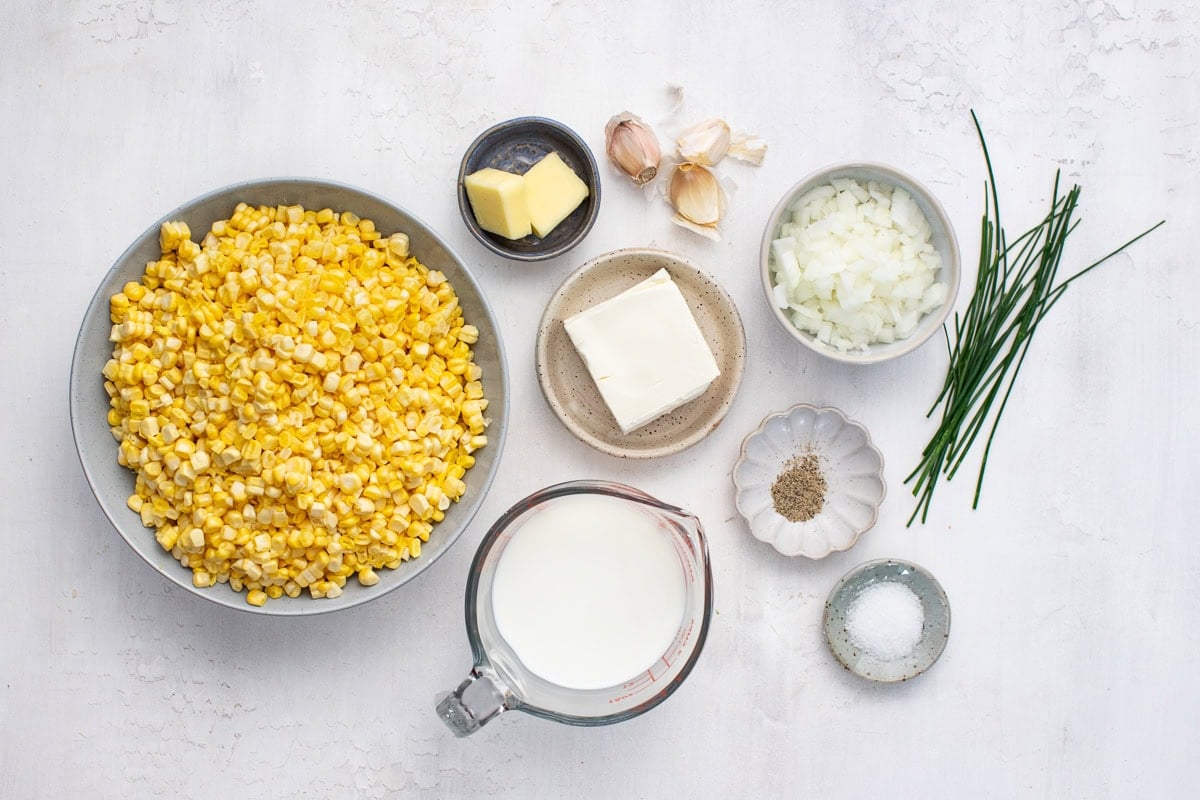
yet significant transformation as home cooks and culinary developers seek out lighter, more nutritionally balanced alternatives to heavy seasonal staples. Among the recent innovations in this space is a modernized recipe for homemade creamed corn that eliminates traditional thickening agents like all-purpose flour and heavy whipping cream, substituting them instead with nutrient-conscious alternatives such as reduced-fat cream cheese, fresh milk, and a carefully blended base of sweet corn kernels.
This development reflects a broader consumer trend toward ingredient transparency, dietary adaptability, and the reduction of excess saturated fats in classic side dishes traditionally reserved for holiday gatherings and weeknight family dinners.
Background and Culinary Evolution
Creamed corn has long occupied a foundational place in North American cuisine, particularly within Midwestern and Southern culinary traditions. Historically, commercial preparations of creamed corn—popularized in cans since the late 19th century—relied on pureed starches, added sugars, and heavy dairy to achieve a thick, velvety consistency. While flavorful, these canned or heavy-restaurant-style variants often carried high caloric densities and sodium levels that conflicted with contemporary dietary guidelines advocating for reduced processed sugar and fat intake.
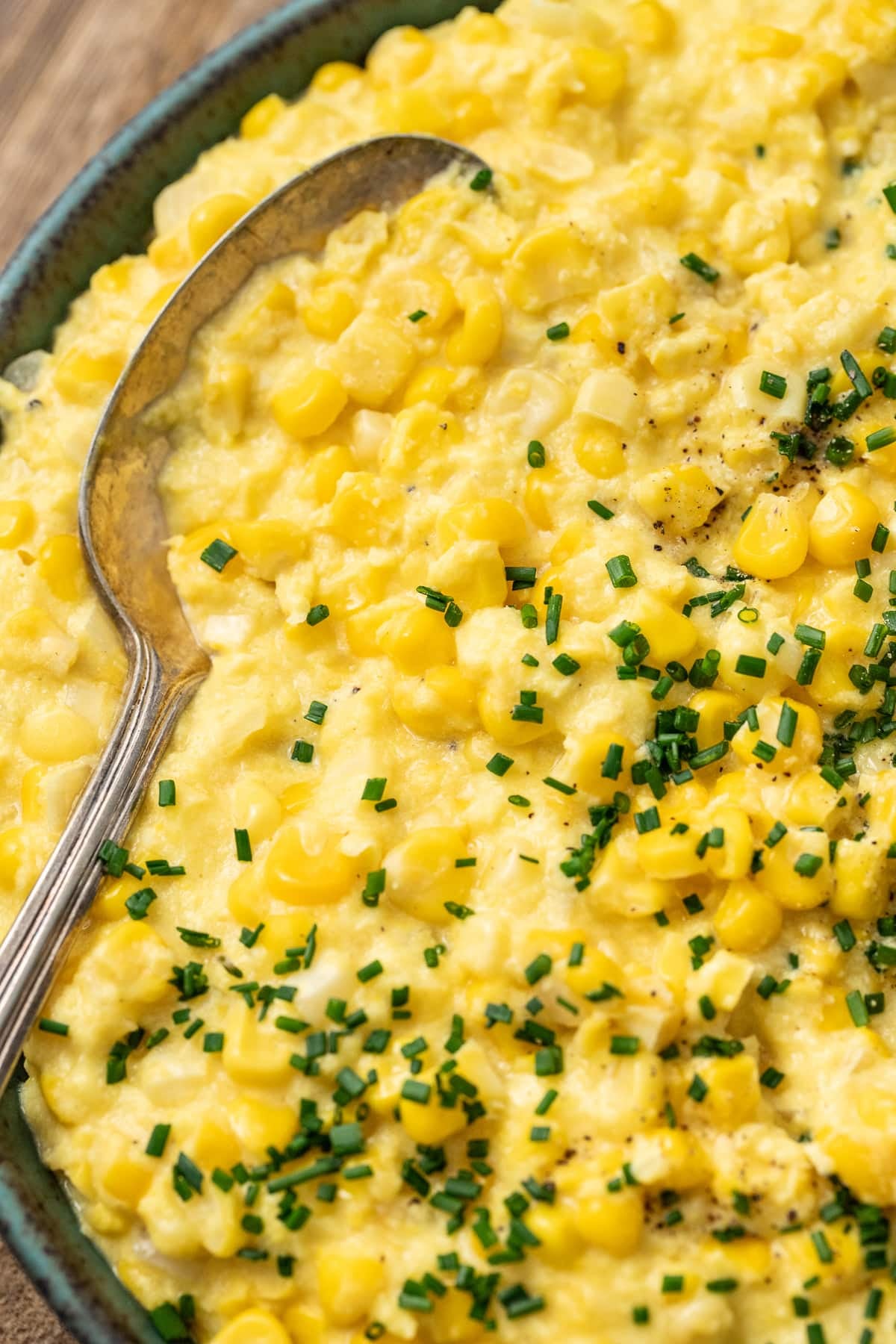
In recent years, home-cooking platforms and culinary recipe developers have turned their attention toward upgrading these nostalgic staples. By leveraging natural starches found within fresh or frozen sweet corn and utilizing a blending technique, modern recipes achieve the desired velvety mouthfeel without relying on refined white flour or high-fat cream. This method highlights the inherent sweetness of the vegetable, minimizing the need for added refined sweeteners while maintaining the rich texture consumers expect from a classic comfort food side dish.

Nutritional Analysis and Ingredient Methodology
The transition away from heavy cream and flour toward lighter dairy components yields distinct nutritional advantages while preserving the sensory profile of the dish. According to nutritional data corresponding to this modernized preparation method, a standard three-quarter cup serving contains approximately 229 calories, 39 grams of carbohydrates, 8 grams of protein, and 7.5 grams of total fat, with saturated fat kept to roughly 4 grams. Furthermore, the inclusion of whole sweet corn kernels contributes roughly 4 grams of dietary fiber per serving, offering a distinct advantage over heavily processed, strained commercial varieties.
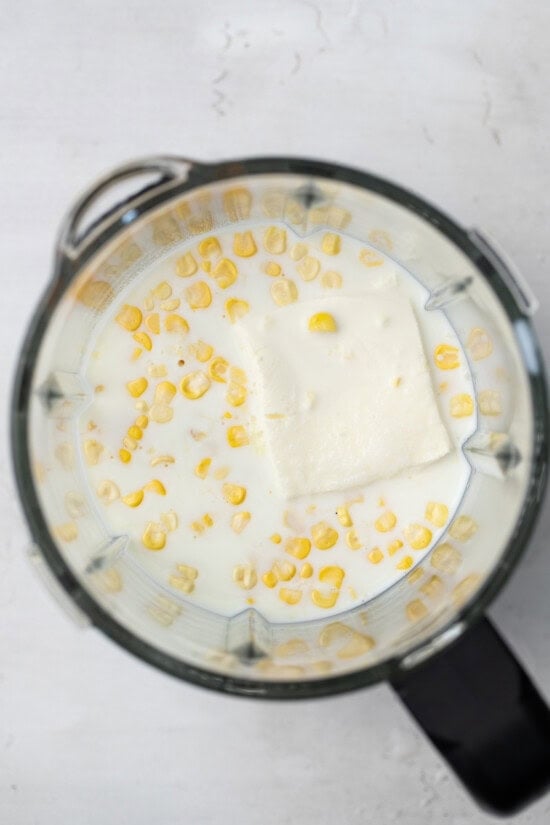
The preparation relies on a specific mechanical technique: rather than creating a roux with butter and flour, a portion of the sweet corn kernels is separated and puréed directly with milk and reduced-fat cream cheese. This puréed mixture forms a natural emulsion that coats the remaining whole kernels. Aromatics such as onions and garlic are gently sautéed in a minimal amount of butter to build a savory foundation, balancing the natural sugars of the corn without the introduction of artificial additives or refined cane sugar.

Additionally, the absence of wheat flour renders the dish naturally gluten-free, addressing the rising consumer demand for allergen-friendly side dishes that do not require specialized, costly substitute ingredients.
Broader Economic and Seasonal Implications
The timing of this culinary shift coincides with shifts in agricultural supply chains and consumer purchasing habits regarding fresh and frozen produce. Sweet corn remains one of the most widely cultivated and accessible crops across North America, with peak harvesting occurring during the late summer months. However, advancements in flash-freezing technology allow consumers to access high-quality, nutrient-dense sweet corn year-round, decoupling recipes like creamed corn from strict seasonal constraints.
Culinary analysts note that versatile vegetable side dishes experiencing adaptations for health-conscious diets often see a surge in popularity during major holiday periods—most notably Thanksgiving and the autumn festive season—when consumers look for ways to lighten traditionally heavy multi-course meals. By substituting heavy cream with reduced-fat dairy and eliminating flour-based thickeners, hosts can accommodate various dietary restrictions, including vegetarianism and gluten intolerance, without preparing multiple distinct side dishes.
Practical Considerations for Preparation and Scaling
For home cooks executing this recipe, adherence to specific thermal management techniques is critical for success. Culinary experts advise maintaining a moderate, controlled heat source when simmering the blended dairy and corn mixture to prevent curdling or scorching of the reduced-fat cream cheese and milk base.
The standard recipe yields approximately eight three-quarter cup servings, requiring a preparation time of roughly 15 minutes and a cooking duration of under 30 minutes. The formulation can also be easily scaled down to accommodate smaller households of four, or prepared ahead of time and stored safely in refrigerated or frozen containers for subsequent weeknight meal integration.
As consumer preferences continue to favor ingredient simplicity and nutritional mindfulness, the ongoing reinvention of classic side dishes demonstrates that traditional comfort foods can successfully adapt to modern dietary standards without sacrificing flavor, texture, or cultural heritage.