Mediterranean Bean Salad: A Nutritional Analysis of Sustainable Meal Prep Solutions

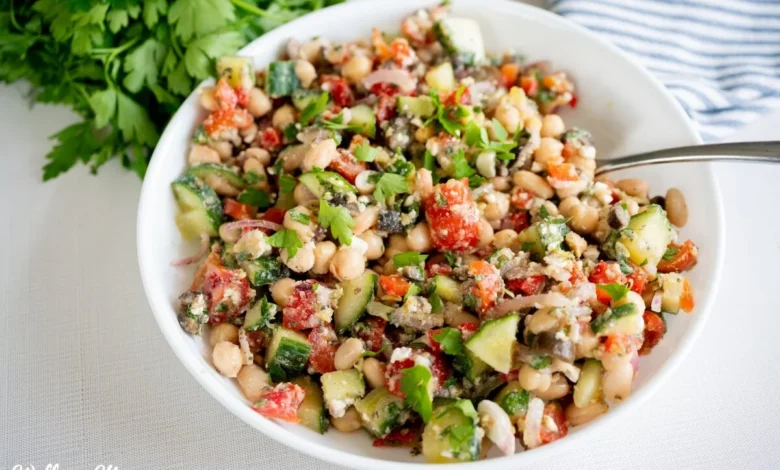
The modern culinary landscape is witnessing a significant shift toward nutrient-dense, shelf-stable, and efficient meal preparation strategies, a trend epitomized by the rising popularity of the Mediterranean bean salad. As dietary guidelines increasingly emphasize the consumption of plant-based proteins and healthy fats, this specific dish has emerged as a cornerstone of organized meal planning. Unlike traditional leafy green salads, which are prone to oxidative degradation and moisture-induced spoilage, the Mediterranean bean salad utilizes a structure of fibrous legumes and firm vegetables, allowing for extended refrigeration without compromising texture or structural integrity.
Nutritional Architecture and Dietary Impact
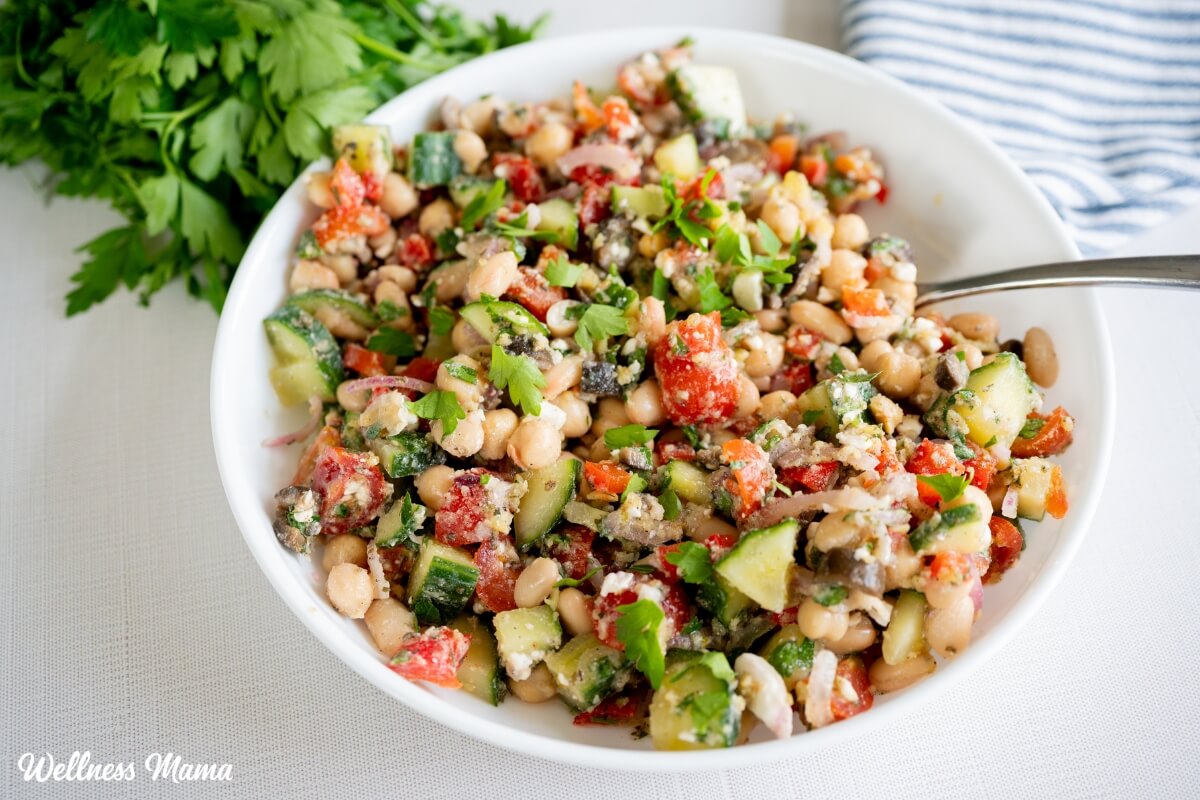
At the core of the Mediterranean bean salad is a precise balance of macronutrients. By combining chickpeas—scientifically known as Cicer arietinum—with cannellini beans, the dish provides a robust profile of plant-based protein and dietary fiber. According to nutritional data, a single one-cup serving contains approximately 200 calories, 8 grams of protein, and 6 grams of fiber. The inclusion of fiber is particularly significant, as it aids in glycemic control and supports gastrointestinal health, aligning with the dietary patterns traditionally associated with the Mediterranean region, which has long been linked to lower rates of cardiovascular disease.
The lipid profile of the salad is dominated by monounsaturated fatty acids, derived primarily from high-quality extra virgin olive oil. Omega-3 fatty acids, essential for neurological function and inflammation reduction, are complemented by the inclusion of fresh herbs such as parsley and oregano, which provide secondary metabolites and antioxidants. The addition of feta cheese, while contributing to the dish’s sodium content, provides essential calcium and phosphorus.
Chronology of Culinary Preparation and Storage Stability
The efficacy of the Mediterranean bean salad as a meal-prep staple is largely attributed to its unique preservation characteristics. Unlike salads composed of delicate lettuces, the structural density of chickpeas and cannellini beans remains stable for three to four days when stored at temperatures between 35°F and 40°F (1.6°C–4.4°C).
The preparation timeline generally follows a systematic approach:
- Dressing Emulsification: Utilizing a closed container, such as a glass jar, to emulsify olive oil, lemon juice, and aromatics ensures a uniform distribution of flavor compounds.
- Vegetable Preparation: The mechanical breakdown of cucumbers, tomatoes, and bell peppers provides the necessary crunch, while the low moisture content of the beans prevents the rapid leaching of fluids that typically leads to spoilage in vegetable-heavy dishes.
- Maceration Period: A minimum of 15 minutes of resting time is required to initiate the osmotic process, wherein the acidic components of the dressing facilitate the breakdown of cellular walls in the herbs and vegetables, deepening the flavor profile.
- Storage: The salad is typically refrigerated in an airtight container. Longitudinal observations suggest that the flavor profile continues to evolve and harmonize over the first 24 hours, making the dish a preferred option for next-day consumption.
Broader Implications of Batch-Cooking in Modern Households
The integration of such dishes into the domestic routine reflects a broader societal transition toward efficiency-driven nutrition. With the increasing demands of modern professional and personal schedules, the ability to front-load food preparation has become a critical tool for maintaining dietary standards. This practice, often referred to as "batch-cooking," effectively mitigates the reliance on processed, pre-packaged convenience foods that are often high in sodium, preservatives, and refined sugars.
From an economic perspective, the ability to substitute ingredients—such as swapping cannellini beans for butter beans or Great Northern beans—allows consumers to adapt their nutritional intake based on seasonal availability and market price fluctuations. This modularity reduces food waste by enabling the utilization of excess inventory, thereby contributing to more sustainable household management practices.
Analytical Perspectives on Mediterranean Dietary Patterns
The Mediterranean diet has been extensively studied for its impact on metabolic health. A 2022 review published in the Journal of the American College of Cardiology indicated that individuals adhering to a Mediterranean-style dietary pattern exhibit a significantly lower risk of major adverse cardiovascular events. The Mediterranean bean salad acts as a micro-representation of this broader diet, offering a concentrated source of the nutrients required to achieve these health outcomes.
The use of lemon juice as a primary acidulant serves a functional role beyond flavor enhancement. The ascorbic acid (Vitamin C) present in the lemon juice acts as a natural antioxidant, helping to preserve the color and freshness of the vegetables while simultaneously increasing the bioavailability of non-heme iron found in the beans. This biochemical synergy is a hallmark of Mediterranean culinary techniques, where simple ingredients are combined to achieve a sophisticated nutritional profile.
Official Guidelines and Food Safety Considerations
While the Mediterranean bean salad is considered a safe and nutritious meal option, food safety experts emphasize the importance of proper handling and storage. Given that the dish contains fresh produce and dairy (feta), the "danger zone" of temperature (between 40°F and 140°F) must be strictly avoided.
When preparing this dish in large quantities for potlucks or social gatherings, it is advisable to keep the salad chilled until the moment of service. If the salad is intended to be served at room temperature, it should not remain in the ambient environment for more than two hours. Furthermore, the use of a vegetable wash is recommended to minimize the risk of foodborne illnesses associated with fresh produce, particularly regarding pesticide residues and soil-borne pathogens.
Future Directions for Plant-Based Meal Planning
The versatility of the Mediterranean bean salad demonstrates the potential for further innovation in the meal-prep sector. As consumer interest in plant-forward diets continues to climb, the demand for recipes that offer high "shelf-life" and nutritional density is projected to grow. Future iterations of this dish may incorporate ancient grains like farro or quinoa, further increasing the protein density and fiber content, or utilize fermented vegetables to enhance the gut-health benefits of the meal.
Ultimately, the Mediterranean bean salad represents the intersection of convenience and quality. By stripping away the unnecessary complexity often associated with healthy cooking and focusing on the fundamental components of whole-food nutrition, the dish provides a template for sustainable, long-term health management. As households continue to navigate the challenges of time-constrained living, the focus will likely remain on these types of adaptable, nutrient-rich, and durable recipes that serve as both a practical solution and a foundation for physical well-being.
The widespread adoption of this recipe by various health-conscious communities serves as an indicator of a growing public consensus: that the most effective health interventions are often the simplest ones, rooted in the consistent application of sound nutritional principles. Through the strategic use of legumes, fresh aromatics, and healthy fats, individuals can achieve a standard of diet that supports both daily energy requirements and long-term metabolic health, all while maintaining the flexibility necessary to accommodate a modern, fast-paced lifestyle.