The Silent Epidemic: Alarming Dietary Deficiencies in Potassium and Excessive Sodium Intake Drive Global Health Crisis

A staggering 99.99% of Americans currently fail to achieve the minimum recommended potassium intake while simultaneously exceeding the recommended sodium intake, a critical dietary imbalance that stands in stark contrast to our natural physiological needs. This pervasive nutritional shortfall is not merely a statistical anomaly but a significant contributor to the global burden of disease, with unhealthy diets accounting for nearly 20 times the years of healthy life lost due to physical inactivity worldwide. Hundreds of millions of disability-free years are annually curtailed by suboptimal dietary patterns, underscoring a public health crisis that demands immediate and comprehensive attention.
The Stark Reality of Modern Diets
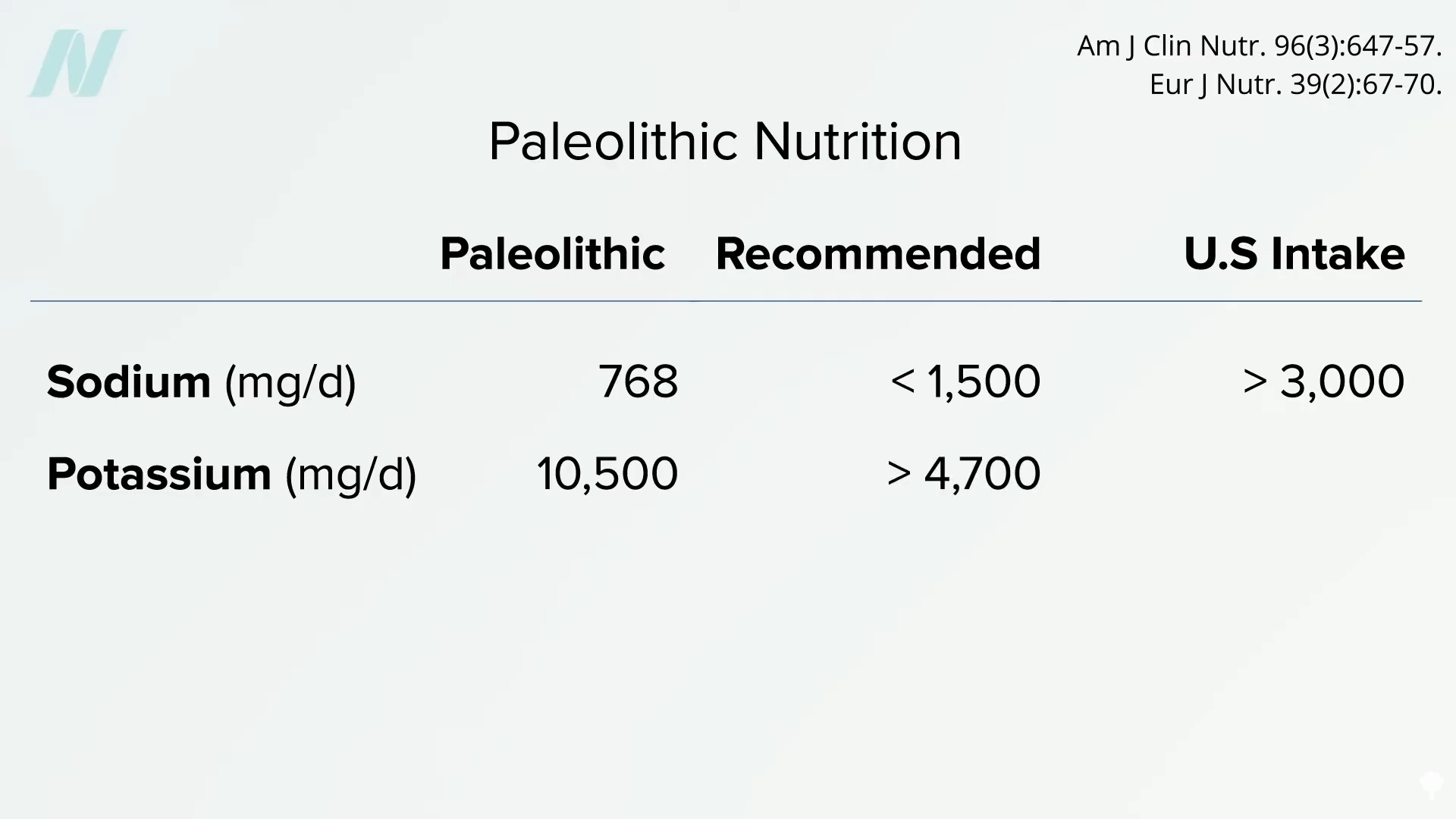
The vast majority of adults in the United States find themselves trapped in a dietary paradox: consuming far too much sodium while simultaneously ingesting alarmingly low levels of potassium. Our bodies, having evolved over millennia to thrive on an estimated 750 mg of sodium and over 10,000 mg of potassium daily, are now subjected to an environment where sodium intake frequently surpasses 3,000 mg per day—more than four times our ancestral exposure—and potassium intake often falls well below half of even conservative modern recommendations. This profound disconnect between our biological heritage and contemporary eating habits is reflected in startling statistics: fewer than 2% of U.S. adults consume the recommended daily minimum intake of potassium, meaning over 98% subsist on potassium-deficient diets. When considering both sodium and potassium guidelines, a mere 0.015% of the U.S. population, or roughly 1 in 6,000 Americans, manages to meet the combined dietary recommendations, indicating an almost universal non-compliance. This alarming trend has not improved; indeed, sodium consumption has shown an upward trajectory over the past decade, further exacerbating an already critical situation.
The Unseen Killers: Dietary Imbalances and Their Impact
The impact of these dietary imbalances is profound and far-reaching, manifesting as a leading cause of preventable illness and premature death. The Global Burden of Disease study, a comprehensive epidemiological effort, consistently identifies dietary risks as the top contributors to disability-adjusted life years (DALYs) lost globally. DALYs, a measure of overall disease burden, quantify the sum of years of life lost due to premature mortality and years lived with disability. While physical inactivity accounts for over 10 million DALYs annually, the collective impact of unhealthy diets dwarfs this figure, leading to nearly 200 million DALYs lost each year.
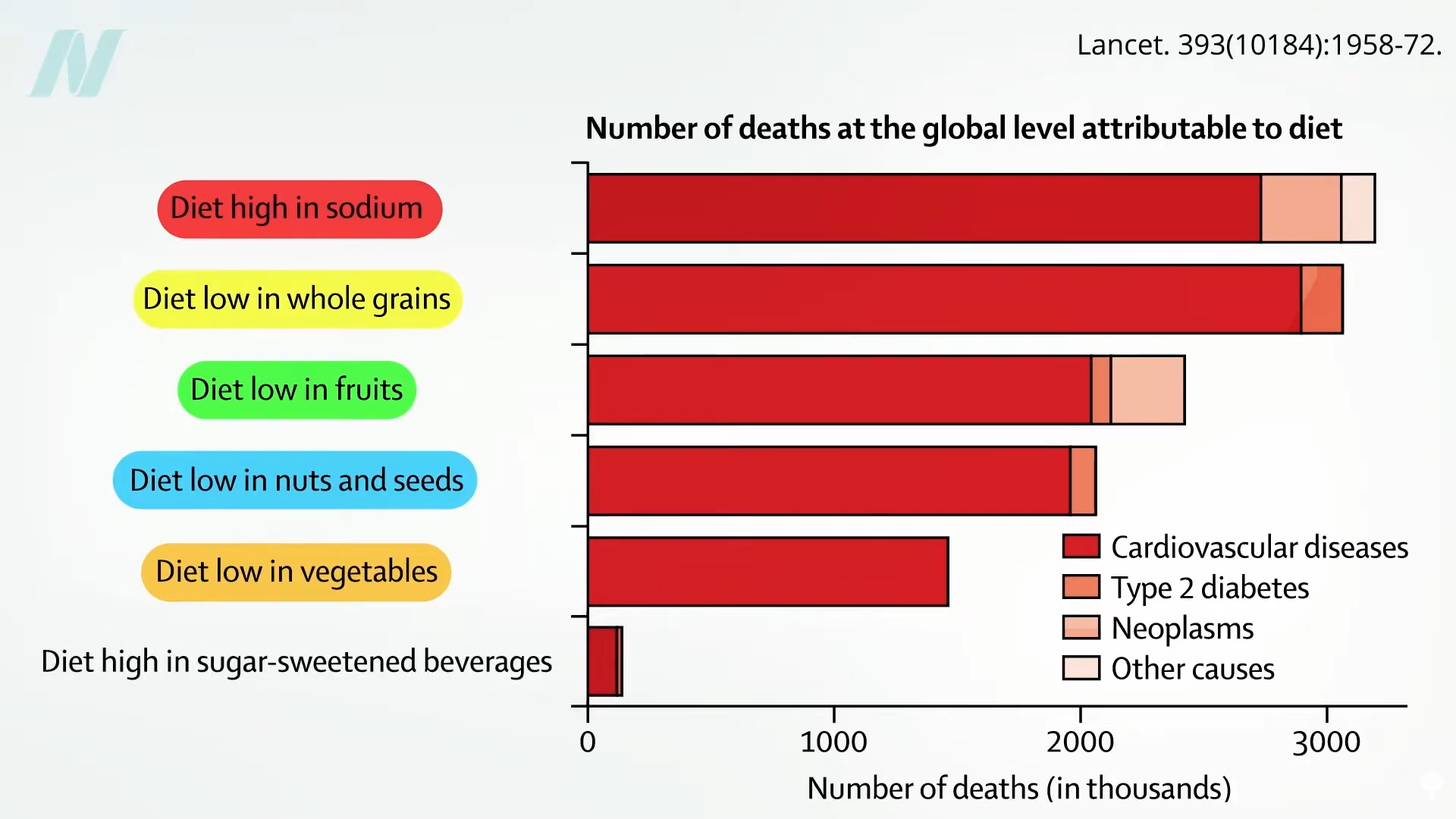
Analysis of global dietary patterns reveals the most detrimental aspects of our modern eating habits are not always what one might intuitively suspect. While the spotlight often falls on overt indulgences like sugary beverages, the most fatal dietary flaws are predominantly rooted in deficiencies rather than excesses—with one critical exception. Four of the five deadliest dietary traps involve insufficient intake of crucial food groups: a lack of whole grains, inadequate consumption of fruits, too few nuts and seeds, and insufficient vegetables. These foundational components of a healthy diet are consistently underrepresented in the average American’s daily intake. However, towering above these deficiencies as the single most fatal dietary flaw is excessive salt consumption. Research indicates that diets too high in salt are approximately 15 times deadlier than those excessively high in soda, offering a stark perspective on the relative dangers of various dietary missteps. The prevalence of processed and restaurant foods, which are notoriously high in sodium, largely explains this pervasive issue.

A Historical Perspective: Our Evolutionary Mismatch
Understanding the gravity of our current dietary predicament requires a look back at human evolutionary history. For hundreds of thousands of years, our ancestors consumed diets rich in plant-based foods, wild game, and fish. These diets were naturally abundant in potassium and remarkably low in sodium. Early humans, for instance, might have consumed diets providing upwards of 10,000 mg of potassium daily, primarily from fresh fruits, vegetables, tubers, and lean protein sources. Sodium intake, conversely, was minimal, derived naturally from whole foods rather than added as a preservative or flavor enhancer.
The dramatic shift began with the advent of agriculture, accelerating with the industrial revolution and, most profoundly, with the rise of modern food processing in the 20th century. As societies transitioned from agrarian to industrialized, diets became increasingly reliant on processed, packaged, and prepared foods. Salt, a potent preservative and flavor enhancer, became ubiquitous in the food supply. Simultaneously, the consumption of fresh, potassium-rich plant foods declined, replaced by calorie-dense but nutrient-poor alternatives. This historical timeline illustrates a profound evolutionary mismatch, where our ancient physiology, optimized for a low-sodium, high-potassium environment, is now struggling to cope with a diet diametrically opposed to its genetic programming.
The Multifaceted Health Toll of Excessive Sodium
The detrimental effects of excessive sodium intake are well-documented and far-reaching. The most widely recognized consequence is its direct link to hypertension, or high blood pressure, a condition affecting nearly half of all adults in the United States. High blood pressure is a silent killer, significantly increasing the risk of cardiovascular diseases, including heart attacks, strokes, and heart failure. It also places immense strain on the kidneys, potentially leading to chronic kidney disease. A former commissioner of the U.S. Food and Drug Administration (FDA) unequivocally stated that there remains "no single more effective public health action related to nutrition than the reduction of sodium in the diet." This assertion is supported by over a hundred randomized controlled trials demonstrating a clear cause-and-effect relationship: reducing added salt leads to a measurable fall in blood pressure, with greater reductions in salt yielding better outcomes.
Beyond its impact on blood pressure, excessive sodium has been implicated in a spectrum of other serious health issues. It is a known contributor to increased inflammation throughout the body. For example, studies have linked higher sodium intake to increased disease activity in multiple sclerosis (MS), an inflammatory autoimmune nerve condition. Individuals with medium or high sodium intakes have been observed to experience approximately three to four times the exacerbation rate compared to those consuming less than a teaspoon of salt per day. Similarly, elevated sodium levels have been detected in the tissues of individuals suffering from lupus, another severe inflammatory autoimmune disease, and high sodium levels in the spinal cord of MS patients correlate with disease progression and decreased structural integrity.
Emerging research also suggests that salt may exert its harmful effects by damaging the gut microbiome, the complex community of friendly bacteria residing in our digestive system. A healthy microbiome is crucial for immune function, nutrient absorption, and overall well-being. Disruptions to this delicate ecosystem by factors like excessive sodium could have systemic inflammatory consequences, further contributing to various chronic diseases. While sodium is predominantly found in highly processed and "crappy" foods, making it challenging to isolate its effects from a generally unhealthy diet, the robust evidence from controlled trials confirms its independent role as a significant health hazard.
Potassium: The Neglected Mineral
In stark contrast to the pervasive problem of sodium excess, the widespread deficiency of potassium represents another critical dimension of the modern dietary crisis. Potassium is an essential mineral that plays a vital role in numerous bodily functions, acting as a crucial counterbalance to sodium. It helps regulate fluid balance, nerve signals, and muscle contractions, and is particularly important for maintaining a healthy blood pressure. While sodium raises blood pressure, potassium actively works to lower it, making the sodium-potassium ratio in the diet a critical determinant of cardiovascular health.
The current recommended daily minimum intake for potassium is significantly lower than our ancestral intake of over 10,000 mg per day, yet even these reduced modern targets are met by less than 2% of U.S. adults. This severe deficiency is a direct consequence of diets lacking in whole, unprocessed foods. Potassium is abundant in fruits, vegetables, legumes, whole grains, and certain nuts and seeds. However, the typical Western diet, characterized by a high intake of processed foods and a low intake of plant-based whole foods, virtually guarantees potassium deficiency for the majority of the population. The implications of this deficiency are substantial, contributing to the burden of hypertension and other chronic diseases, even independent of high sodium intake.
Official Calls to Action and Policy Debates
Recognizing the immense public health threat posed by dietary imbalances, national and international health organizations have issued strong recommendations and called for decisive action. The World Health Organization (WHO), the American Heart Association (AHA), and the U.S. Food and Drug Administration (FDA) consistently advocate for significant reductions in sodium intake and increased consumption of potassium-rich foods. The AHA, for instance, recommends that individuals consume no more than 2,300 mg of sodium per day, ideally aiming for an even lower limit of 1,500 mg for most adults, especially those with hypertension.
To address the pervasive issue of excessive sodium, there have been calls for innovative public health interventions, including warning labels on salt packets and salt shakers. These proposed labels, similar to those used on tobacco products, would explicitly communicate the health risks associated with high sodium intake. Messages such as "Too much sodium in the diet causes high blood pressure and increases risk of stomach cancer, stroke, heart disease, and kidney disease. Limit your use," aim to empower consumers with critical information at the point of decision. While such policies face industry resistance, proponents argue that they are a necessary step to shift consumer behavior and foster a healthier food environment. Public health bodies continue to explore strategies ranging from voluntary food industry reformulation targets to mandatory labeling requirements and educational campaigns, all aimed at nudging populations towards healthier dietary patterns.
The Economic and Societal Burden
The widespread dietary deficiencies in potassium and excesses in sodium impose an enormous economic and societal burden. The direct and indirect costs associated with diet-related chronic diseases—including cardiovascular disease, type 2 diabetes, certain cancers, and kidney disease—amount to hundreds of billions of dollars annually in healthcare expenditures, lost productivity, and diminished quality of life. For instance, hypertension alone costs the U.S. economy billions of dollars each year in medical care, medications, and missed workdays. These figures do not even fully capture the intangible costs of suffering, reduced vitality, and the strain on families and communities. Addressing this dietary crisis is not merely a matter of individual health but a critical investment in national economic stability and societal well-being.
Innovation in the Face of Crisis: Salt Substitutes
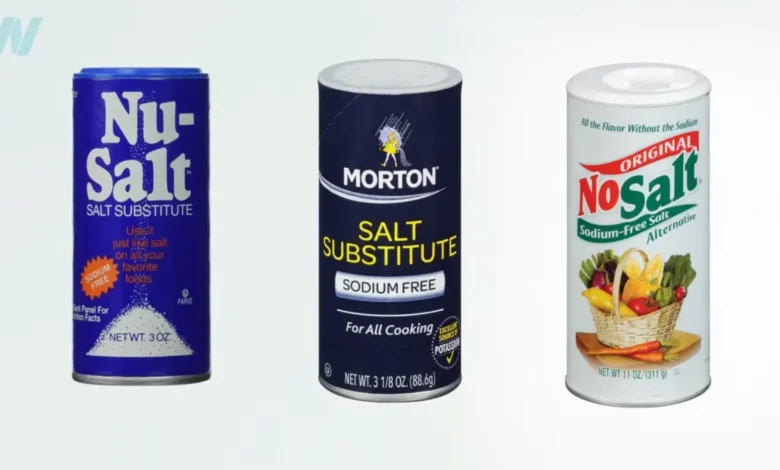
In the face of such pervasive dietary challenges, innovative solutions are continually being explored. One promising avenue involves the use of potassium-based salt substitutes. These products replace all or a portion of sodium chloride (common table salt) with potassium chloride. The appeal is clear: potassium chloride offers a similar salty taste profile, allowing consumers to reduce their sodium intake without sacrificing flavor, while simultaneously increasing their potassium intake. This dual benefit has positioned salt substitutes as a potential tool in the public health arsenal against hypertension and related conditions.
However, as with any dietary intervention, questions of safety and effectiveness are paramount. Are potassium-based salt substitutes genuinely safe for widespread consumption, particularly for individuals with pre-existing health conditions? Do they offer a truly effective long-term solution, or are they merely a temporary band-aid? These critical inquiries warrant thorough scientific investigation and public discourse to ensure that proposed solutions genuinely contribute to improved public health outcomes without introducing unforeseen risks. The exploration of such substitutes forms a crucial part of the ongoing effort to find practical ways to rebalance the modern diet.
Looking Ahead: Towards a Healthier Dietary Future
The stark reality of nearly universal non-compliance with sodium and potassium guidelines presents one of the most significant public health challenges of our time. Addressing this crisis requires a multifaceted approach that transcends individual dietary choices and encompasses broader systemic changes. Comprehensive strategies must include enhanced public education campaigns to raise awareness of the critical roles of sodium and potassium, continued advocacy for food industry reformulation to reduce sodium in processed foods and increase potassium-rich ingredients, and the implementation of robust public health policies like clearer food labeling and potential warning systems.
While individual responsibility plays a role, the pervasive nature of this dietary imbalance underscores the need for environmental changes that make the healthy choice the easy choice. This includes fostering food environments where whole grains, fruits, vegetables, nuts, and seeds are affordable, accessible, and promoted. Ongoing research will continue to illuminate the intricate mechanisms by which diet impacts health and inform more effective interventions. The urgency of addressing this silent epidemic cannot be overstated; rebalancing our dietary intake of sodium and potassium is not just about extending life, but about enriching it with years of health and vitality, thereby alleviating a substantial global burden of disease.
Related posts: