Unlocking Arterial Health: How Plant-Based Diets, Berries, and Walnuts Offer Significant Protection Against Cardiovascular Damage

The quest for optimal health often leads to a fundamental question: when faced with less-than-ideal dietary choices, are there complementary foods that can mitigate the potential harm? Recent scientific inquiry suggests that while a consistently healthy diet remains paramount, certain plant-based foods possess remarkable properties capable of bolstering arterial function and reducing cardiovascular risk. This exploration delves into the compelling evidence comparing dietary patterns, the nuanced impact of different fats, and the potent protective effects offered by specific fruits and nuts.
The Silent Threat: Understanding Arterial Dysfunction and Cardiovascular Disease
Cardiovascular disease (CVD) remains the leading cause of mortality worldwide, claiming millions of lives annually. At its core, CVD often begins with endothelial dysfunction—the impaired ability of the inner lining of blood vessels (endothelium) to perform its crucial roles, particularly vasodilation, which is the widening of arteries to allow increased blood flow. Healthy arteries are flexible and can dilate efficiently, responding to the body’s needs, such as during exercise. Conversely, impaired vasodilation is an early marker of atherosclerosis, the hardening and narrowing of arteries, which can lead to heart attacks, strokes, and peripheral artery disease.
Dietary habits play a profound role in either promoting or preventing this dysfunction. Modern Western diets, often characterized by high intakes of saturated fat, processed foods, and animal products, are frequently implicated in the progression of endothelial damage. Understanding how specific dietary components influence arterial health is therefore critical for public health strategies and individual well-being.

The Plant-Based Advantage: A Deeper Dive into Arterial Resilience
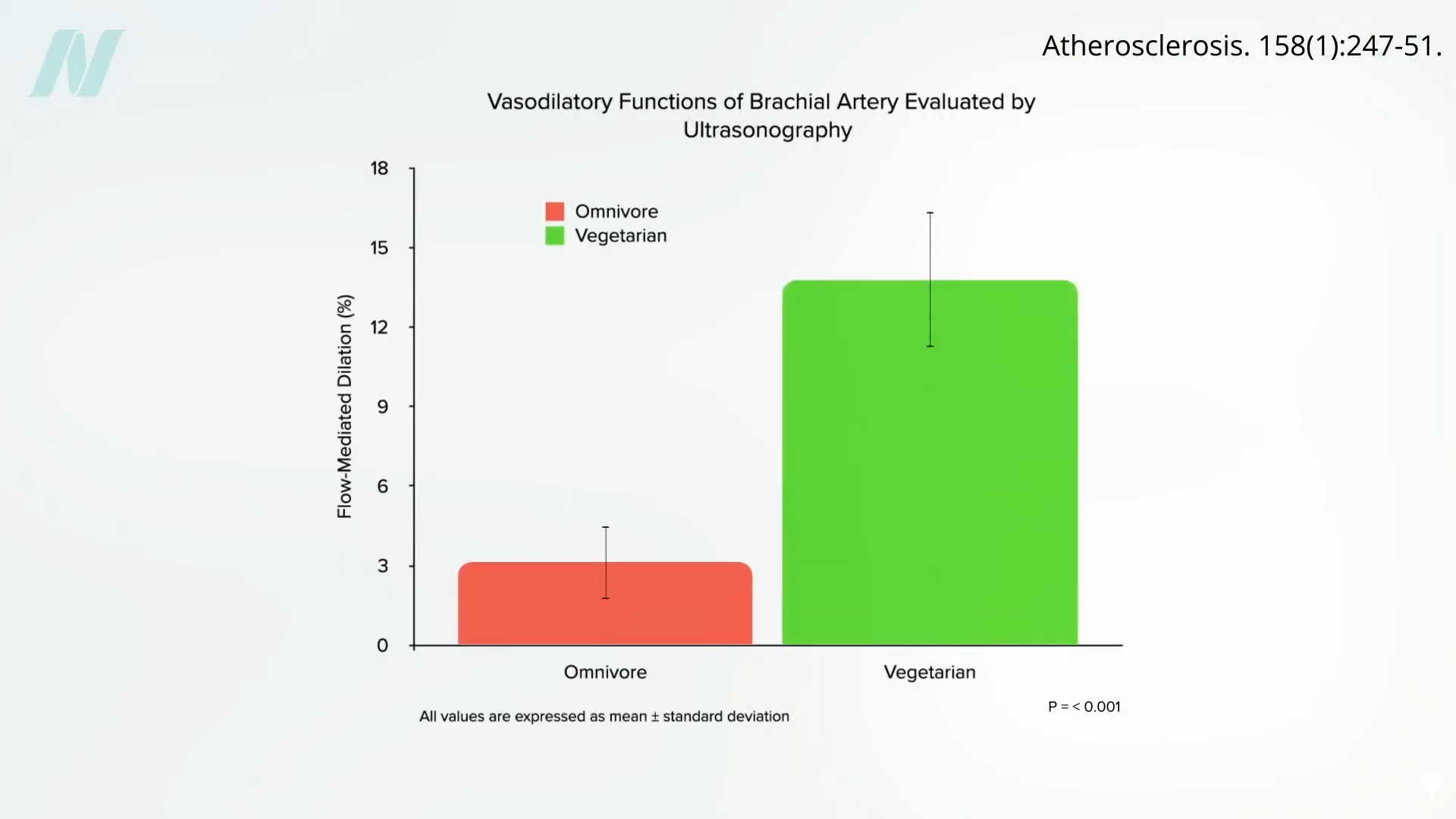
A landmark study comparing the artery function of vegetarians and meat-eaters provided compelling evidence of the profound impact of diet on vascular health. The research revealed that the healthy ability of arteries to dilate and facilitate increased blood flow was significantly superior among individuals adhering to a vegetarian diet. This was not a marginal difference; the study indicated a fourfold improvement in arterial function for vegetarians compared to their meat-eating counterparts.
What makes this finding particularly robust is the meticulous control for various confounding factors. Researchers acknowledged that vegetarians often exhibit healthier lifestyle patterns—they tend to be younger, smoke less, maintain slimmer physiques, and have lower rates of prevalent chronic conditions such such as diabetes, high cholesterol, high blood pressure, and heart disease. To isolate the direct dietary impact, the study design was rigorous. It specifically recruited healthy nonsmokers and carefully matched a group of meat-eaters who were similarly slim, with comparable blood pressure readings and nearly identical cholesterol levels to the vegetarian cohort. Despite these controls, the omnivores, even those with otherwise healthy profiles, consistently demonstrated significantly poorer arterial function when compared to the vegetarians.
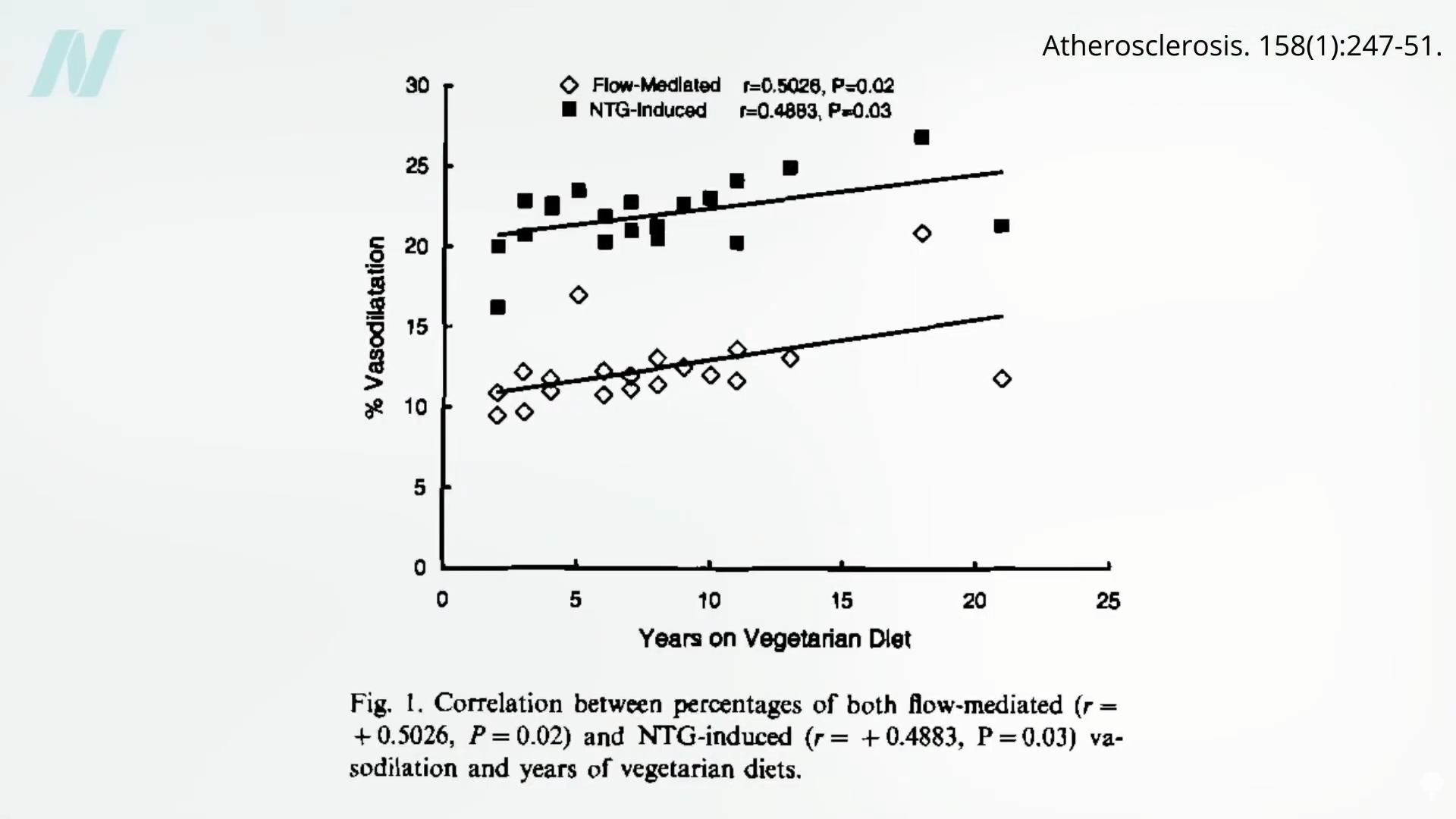
Furthermore, the study illuminated a remarkable correlation between the duration of a meat-free diet and improved arterial health. The longer an individual had abstained from meat, the better their artery function appeared to be. Intriguingly, instead of a natural decline in artery function over time as individuals aged—a common physiological trend—the arterial health of long-term vegetarians actually improved, demonstrating a progressive benefit linked directly to their dietary choices. This suggests that vegetarian diets exert a direct and sustained beneficial effect on artery function, offering a plausible explanation for the observed lower rates of atherosclerosis and cardiovascular mortality in plant-based populations. The implications of this long-term protective effect are substantial, highlighting the potential for dietary intervention not just to prevent, but possibly to reverse or significantly slow, the progression of arterial damage.
Dissecting Dietary Culprits: Animal Fat vs. Plant-Based Alternatives
With the clear advantage of vegetarian diets established, the next logical step for researchers was to identify the specific dietary components responsible for these stark differences. Was it simply the absence of harmful elements found in meat, or was it the increased presence of beneficial compounds in whole, healthy plant foods? Both factors likely contribute. For instance, vegetarians are often found to consume up to an additional serving of vegetables per day, suggesting a higher intake of protective nutrients.
Further research has attempted to pinpoint the culprits by comparing the immediate physiological effects of different types of meals. One study contrasted two commonly consumed "unhealthy" meals: a fatty fast-food combination (Egg McMuffin, Sausage McMuffin, and hash brown patties) against a sugary cereal meal (Frosted Flakes). The findings were stark: the fatty fast-food meal profoundly impaired artery function within hours of consumption, whereas the sugary cereal meal did not produce the same acute negative effect. Initial conclusions often pointed to fat as the primary antagonist. However, a crucial distinction emerged: it might specifically be animal fat that is most detrimental.
This hypothesis is supported by evidence concerning high-fat whole plant foods. Unlike animal fats, consumption of plant-based fats found in foods like nuts does not lead to the same adverse effects on arterial function. In fact, a systematic review encompassing numerous randomized controlled trials on nut consumption and artery function consistently demonstrated that nuts actually lead to significant improvements in vascular health over time. This highlights the critical difference between sources of fat and underscores the need for a nuanced understanding of dietary fats beyond simple categorization. Saturated fats, predominantly found in animal products, have long been linked to increased LDL cholesterol levels and endothelial dysfunction, whereas unsaturated fats from plant sources, particularly monounsaturated and polyunsaturated fatty acids, are known to confer cardiovascular benefits.
The Power of Nuts: Walnuts as a Cardiovascular Ally
Among the diverse family of nuts, walnuts have garnered particular attention for their potent cardiovascular benefits. Research has sought to determine if these benefits are substantial enough to counteract the artery-crippling effects of a typically unhealthy meal, such as a salami sandwich. The answer, surprisingly, varies depending on the type of nut. Walnuts demonstrated a significant ability to mitigate the negative impact of such a meal, whereas almonds, despite their general health benefits, did not exhibit the same protective capacity in this specific context.
This distinction suggests that, much like some fruits offer superior nutritional profiles (e.g., blueberries over bananas), certain nuts stand out for their specific vascular benefits. Walnuts, rich in alpha-linolenic acid (ALA), a plant-based omega-3 fatty acid, along with antioxidants like polyphenols and phytosterols, appear to be the "blueberries of nuts" in terms of their profound impact on arterial health. Regular walnut consumption has been associated with improved endothelial function, reduced inflammation, and better lipid profiles, all contributing to a healthier cardiovascular system. These findings encourage the integration of walnuts into daily diets as a strategic component for heart health.
Berries: Nature’s Vascular Protectors
Berries, celebrated for their vibrant colors and rich antioxidant content, have emerged as another powerful ally in the fight for arterial health. Studies consistently demonstrate their ability to improve endothelial function and protect against vascular damage.
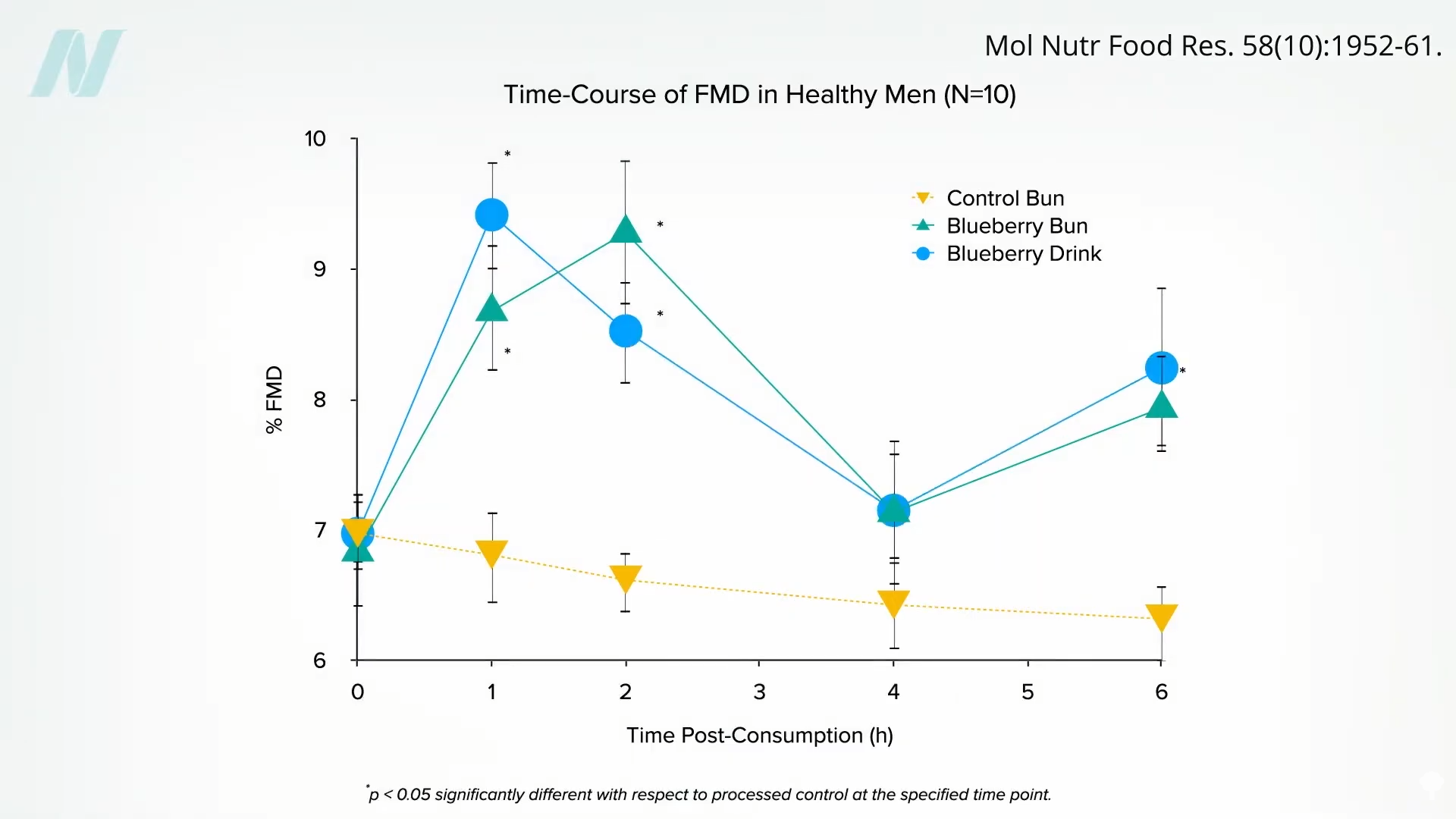
Blueberries, often hailed as a superfood, exemplify this protective capacity. A randomized, controlled crossover trial investigated the effects of blueberries when consumed with an otherwise unhealthy meal. Participants were given buns made from white flour, eggs, butter, and salt—primarily sugar and eggs—which typically cause a gradual drop in artery function over several hours. However, when the equivalent of a cup of wild blueberries was incorporated into the same bun, a remarkable boost in artery function was observed. The blueberries appeared to largely neutralize the detrimental effects of the bun, almost as if they had been consumed with water, indicating a direct and potent protective action. This suggests that blueberries contain bioactive compounds, such as anthocyanins, which rapidly improve vascular reactivity.
While blueberries show strong protective effects, the ability of other berries to counteract highly unhealthy meals varies. For instance, a similar amount of strawberries failed to rescue artery function from an extremely heavy and rich meal consisting of two cheese blintzes, whipped cream, sugary syrup, egg, and bacon. This highlights the intensity of the dietary challenge and suggests that even potent superfoods have limits when faced with an overwhelming load of detrimental ingredients.
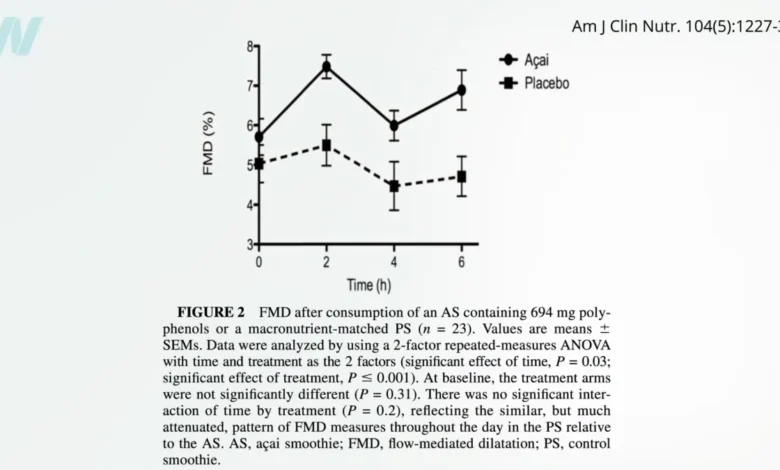
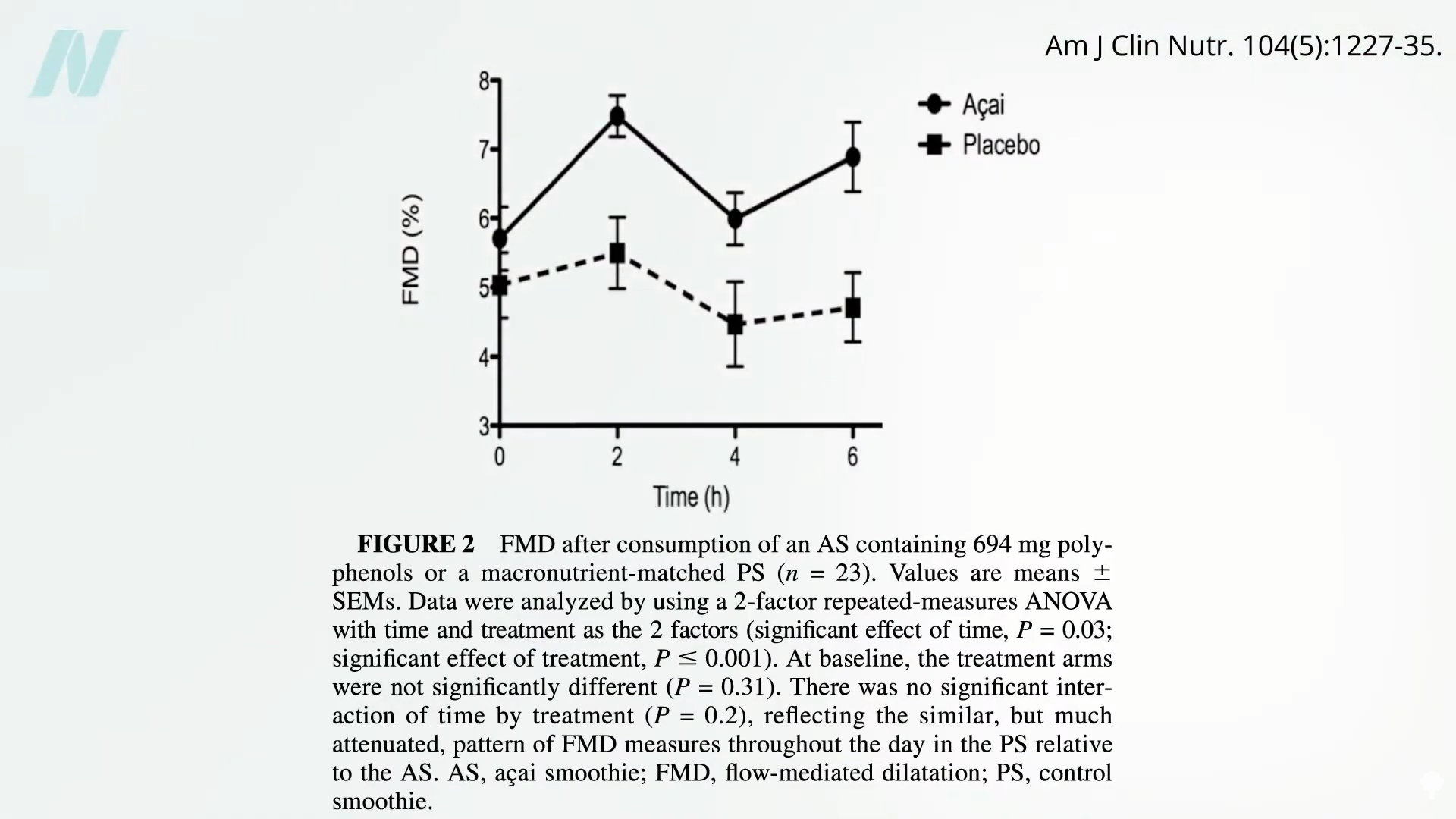
Acai berries have also been explored for their vascular benefits. In a study, participants consumed a high-fat meal followed by either a smoothie made from one and a half frozen acai smoothie packs blended with half a small banana in water, or a control smoothie with the same banana and water, artificially colored to resemble the acai version. The acai smoothie significantly rehabilitated arterial function compared to the control, demonstrating its acute positive impact on vascular health even in the context of a fatty meal.
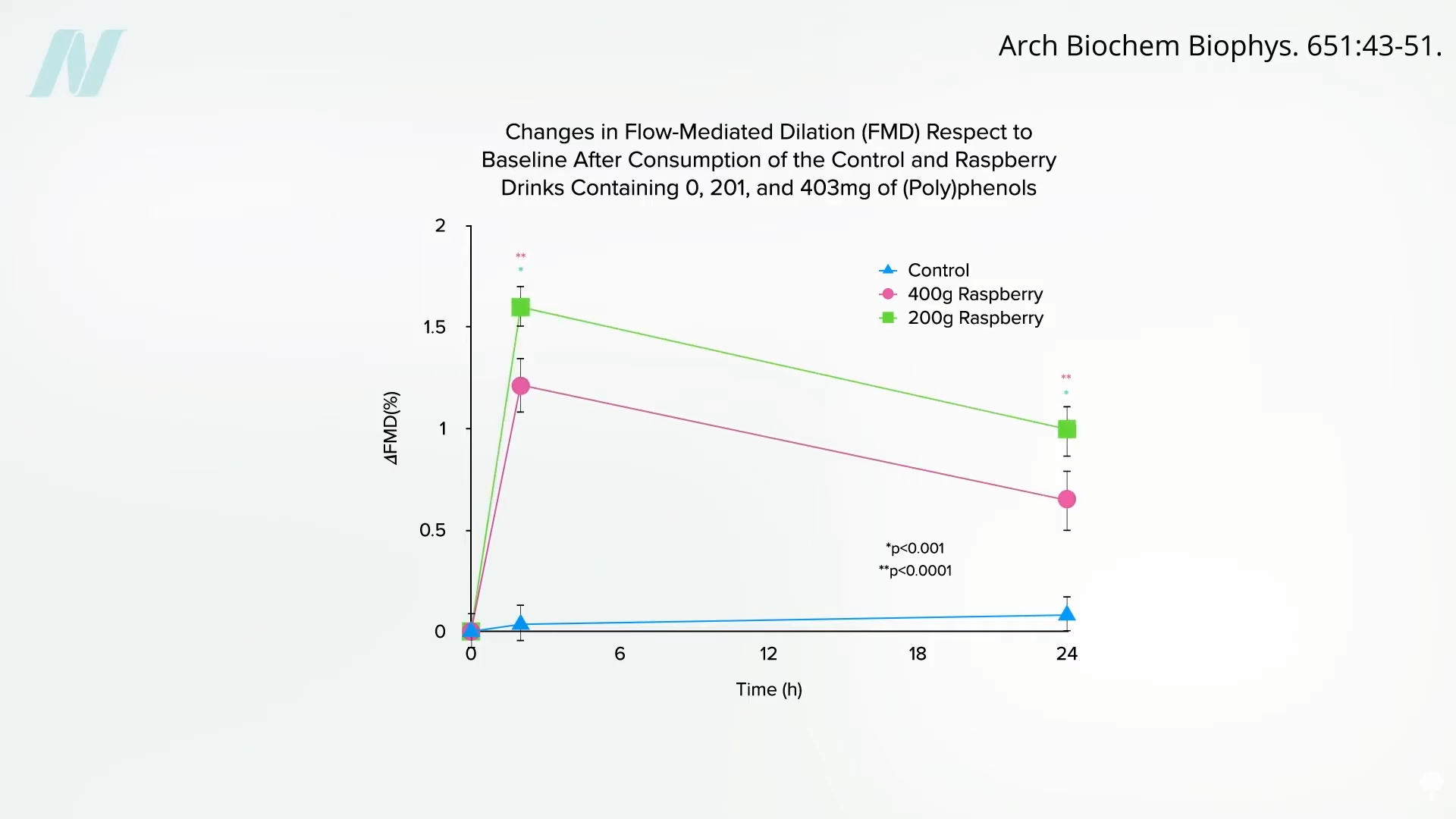
Further strengthening the case for berries, a rigorous double-blind, randomized, controlled trial investigated the effects of raspberries. Participants consumed smoothies containing either approximately ¾ cup or 1½ cups of frozen red raspberries blended with water, or a placebo drink matched for color and taste. The fake berry drink had no effect, but both raspberry doses significantly improved artery function at both 2 and 24 hours post-consumption. Interestingly, the ¾ cup dose proved to be as effective as the 1½ cup dose, indicating a plateau effect after a certain intake level, a pattern also observed with blueberries.
The clinical implications of even a modest improvement in artery function are substantial. Consuming "dietarily achievable amounts of red raspberries acutely improves" artery function for up to 24 hours, leading to approximately a 1% increase in function. While seemingly small, at a population level, each 1% increase in artery function is associated with a significant 12% reduction in the risk of a major cardiovascular event such as a heart attack or stroke. This underscores the cumulative power of small, consistent dietary improvements.
Berry Juices: A Mixed Bag of Effects
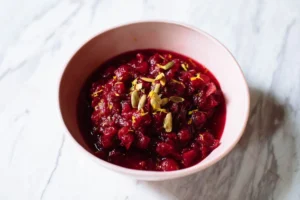
The efficacy of whole berries extends to their juice forms, albeit with important considerations. Researchers tested five different concentrations of cranberry juice, alongside an indistinguishable placebo, on artery function. The 25% cranberry juice drink provided a modest improvement at two hours, while the 50% juice showed sustained benefits eight hours later. Higher concentrations—75%, nearly pure juice, and ultraconcentrated juice—also improved artery function within hours of consumption. However, similar to the raspberry study, these trials involved the consumption of berries or their juice alone, without an accompanying "artery-crushing" meal.
When berry juice cocktails are pitted against high-fat meals, the picture becomes less clear. A study involving a blend of grapes, blueberries, strawberries, lingonberries, and black aronia berries in juice form showed no significant change in artery dysfunction caused by a high-fat meal. While drinking the berries alone would likely improve artery function, this suggests that a potent berry mix might not be strong enough to fully counteract the immediate damaging effects of a very unhealthy meal.
The Limitations of "Healthy" Drinks with Unhealthy Meals
The idea that certain "healthy" beverages can simply negate the effects of an unhealthy meal is largely a misconception, as further research illustrates. In one study, participants consumed a high-fat meal of ham and cheese croissants, accompanied by either a cup of water, orange juice, green tea, or red wine. Disappointingly, neither orange juice, green tea, nor red wine demonstrated any significant ability to counter the negative impact of the croissants on arterial function. This reinforces the primary message that avoiding such detrimental meals in the first place is the most effective strategy.
Even more concerning is the potential for some seemingly healthy drinks to exacerbate problems when consumed with fatty meals. For example, when study participants were given bacon and cheese muffins with or without orange juice, researchers observed that the inclusion of orange juice led to a longer period of elevated fat levels in the blood. This paradoxical effect is likely due to the body preferentially burning the rapidly absorbed free sugars present in the juice for energy. Unlike the sugars in whole fruit, which are encased in cell walls and absorbed more slowly, the free sugars in juice provide a quick energy source, causing the body to delay the metabolism of dietary fats. This prolonged elevation of fat levels in the blood can be more detrimental to vascular health than the fatty meal alone.
Broader Implications and Dietary Recommendations
The collective body of research underscores a critical message for public health and individual dietary choices: a whole-food, plant-based diet offers substantial, direct, and long-term benefits for arterial health, significantly reducing the risk of cardiovascular disease. The superior arterial function observed in vegetarians, even after controlling for numerous lifestyle factors, provides compelling evidence for the protective power of plant-centric eating.
While the absence of harmful animal products undoubtedly contributes to these benefits, the increased consumption of nutrient-dense plant foods, particularly specific nuts like walnuts and a variety of berries, plays a proactive role in promoting vascular resilience. These foods, rich in antioxidants, phytonutrients, and beneficial fatty acids, can acutely improve endothelial function and, in some cases, even mitigate the immediate damage caused by less healthy dietary choices.
However, the research also provides a crucial caveat: these beneficial foods are not a license for uninhibited indulgence in unhealthy eating. While blueberries can help counteract a sugary bun, and walnuts can mitigate a salami sandwich, a consistently poor diet cannot be fully redeemed by simply adding a few "superfoods." The studies on mixed berry juice and various beverages consumed with high-fat meals clearly demonstrate that there are limits to the protective capacity of even the most potent plant foods when faced with a profoundly unhealthy dietary load.
Health organizations globally, including the American Heart Association and the World Health Organization, consistently advocate for dietary patterns rich in fruits, vegetables, whole grains, legumes, and nuts, while limiting saturated and trans fats, added sugars, and processed foods. The findings discussed here provide robust scientific backing for these recommendations, emphasizing the importance of overall dietary patterns over isolated food items. Future research will likely continue to explore the specific molecular mechanisms by which these plant compounds exert their effects and to identify optimal dietary strategies for maintaining peak cardiovascular health throughout life. Ultimately, the evidence strongly suggests that a proactive approach to diet, prioritizing whole plant foods, is the most effective path to unlocking and sustaining arterial health.
Related posts: