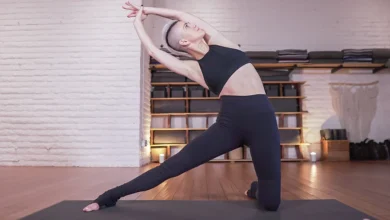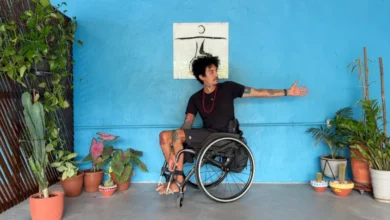
In contemporary wellness culture, the demand for high-efficiency, time-compressed physical conditioning has surged dramatically. As modern professionals and fitness enthusiasts juggle increasingly demanding schedules, the traditional one-hour exercise session is frequently rendered impractical. Addressing this shift in lifestyle and fitness paradigms, longtime yoga instructor Kassandra Reinhardt, creator of the widely followed digital platform Yoga With Kassandra, has released a specialized 10-minute core-strengthening sequence designed to maximize muscular engagement without requiring an extensive time commitment. Published in September 2026, the routine targets the abdominal region and deep stabilizing muscles, offering both functional fitness benefits for daily life and critical preparation for advanced arm balances.
The integration of abbreviated, high-intensity movement regimens reflects broader trends in exercise physiology and public health. According to recent fitness industry data and physical therapy guidelines, short-duration routines that emphasize core stability can yield significant improvements in postural alignment, lower back pain mitigation, and overall neuromuscular coordination. Reinhardt’s latest sequence is meticulously structured to bypass the monotony of traditional, repetitive abdominal exercises—such as standard crunches—by infusing traditional yoga lineages with contemporary biomechanical principles. This professional analysis explores the anatomy of the sequence, the broader context of time-efficient physical conditioning, and the physiological implications of targeted core training.
Background Context and the Rise of Micro-Workouts
Over the past decade, digital fitness platforms have transformed how individuals consume and execute health routines. Channels like Yoga With Kassandra have capitalized on the democratization of wellness, providing accessible instruction to millions of global viewers. However, as viewership data indicates, retention rates and completion metrics often favor shorter, targeted content over full-length classes. Users frequently report time constraints as the primary barrier to maintaining a consistent physical practice.
In response, fitness educators have increasingly turned toward "micro-workouts"—sessions lasting between 5 and 15 minutes that deliver high-density physical stimuli. While critics initially questioned the efficacy of such brief routines, exercise science research increasingly supports their validity. Cumulative daily movement, when executed with proper intensity and alignment, contributes meaningfully to cardiovascular health, metabolic function, and muscular endurance. Reinhardt’s 10-minute core sequence operates squarely within this framework, strategically pairing isometric holds with dynamic movements to fatigue the abdominal wall rapidly.
Anatomy of the 10-Minute Sequence
The sequence is methodically divided into progressive phases, moving from restorative activation to dynamic muscular loading, and concluding with deep stretches and stabilization. Requiring only a standard yoga mat and a single yoga block, the routine is accessible to practitioners of varying experience levels.
Phase 1: Neuromuscular Activation and Centering
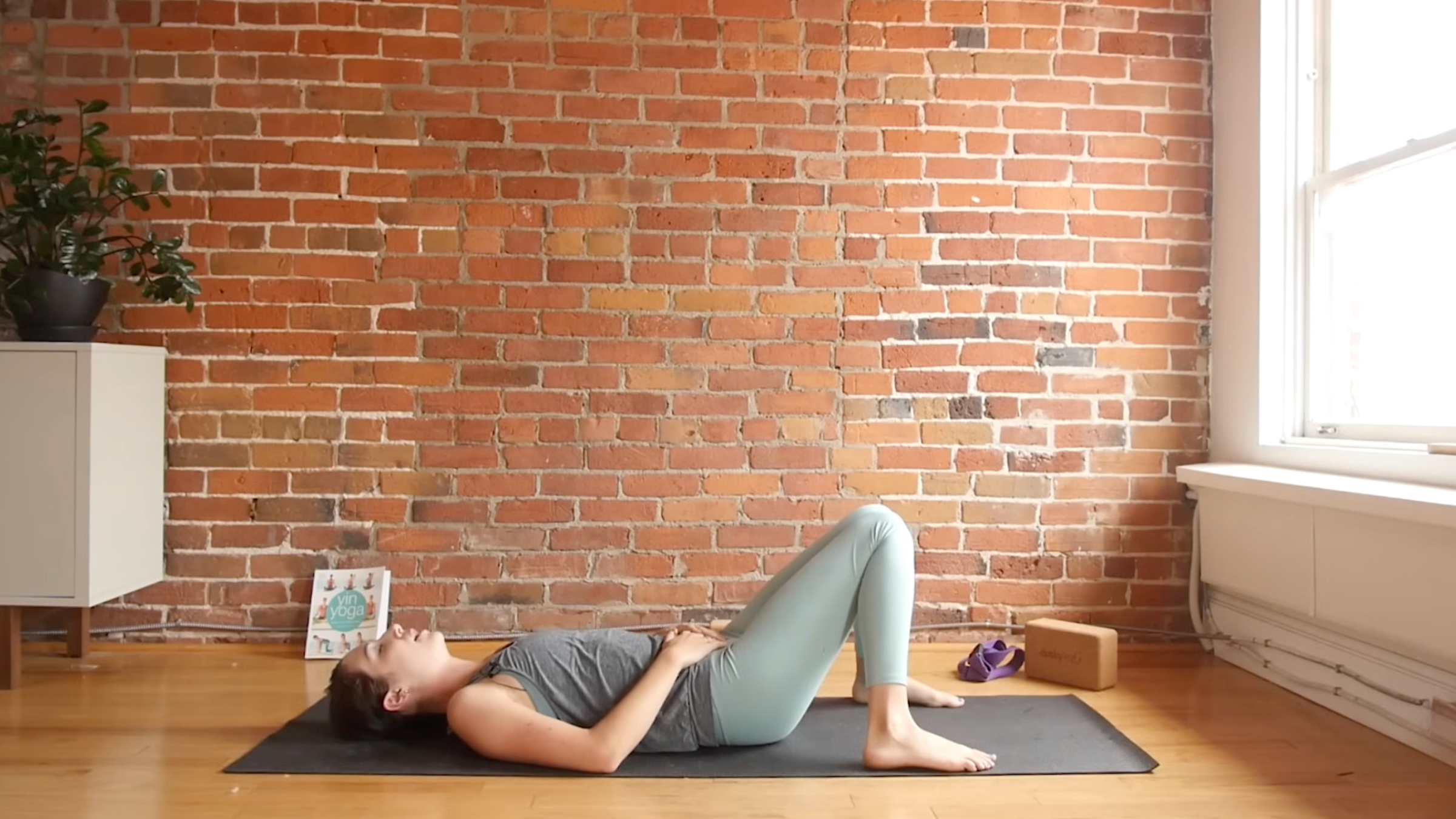
The practice commences with Constructive Rest, a foundational restorative pose designed to reset the nervous system and encourage diaphragmatic breathing. By lying supine with the feet widened and knees falling inward, the practitioner neutralizes the spine and brings conscious awareness to the transverse abdominis. This initial phase is critical; research in motor control demonstrates that diaphragmatic engagement prior to load-bearing exercise primes the core musculature for safer, more efficient activation.
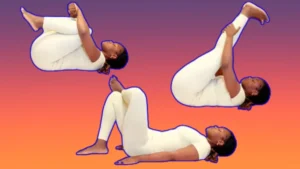
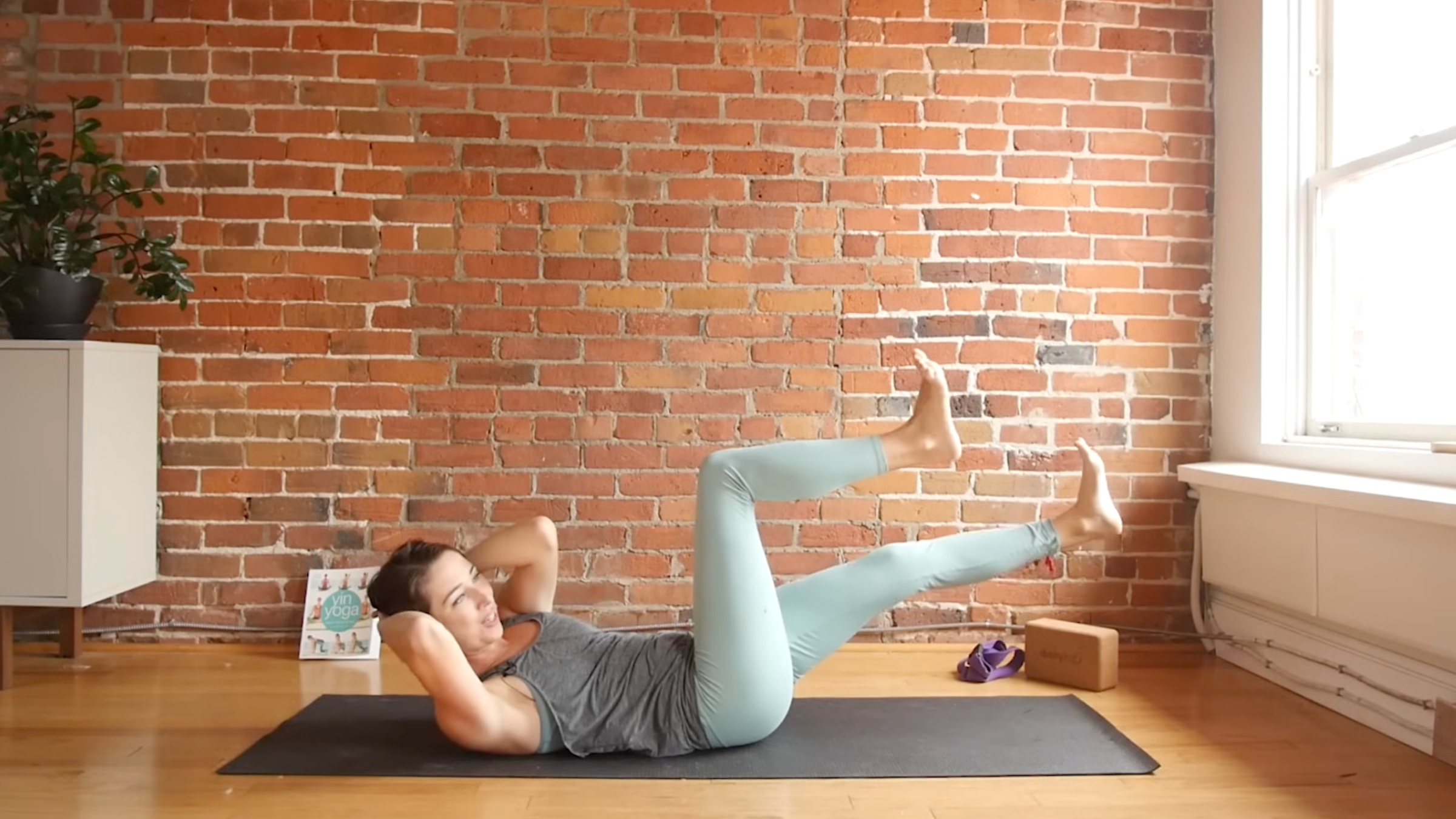
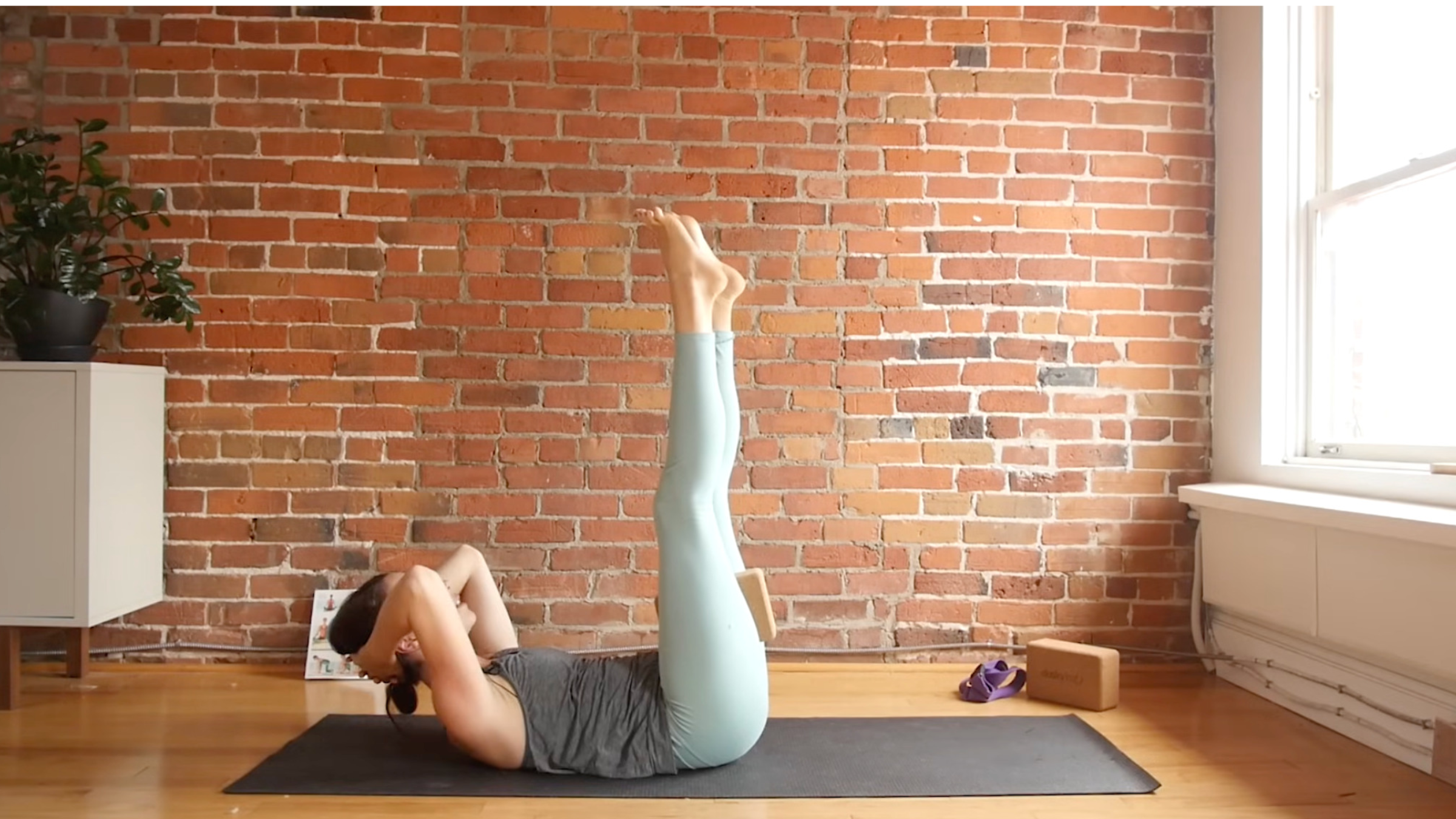
Transitioning directly into Yoga Bicycles, the sequence introduces rotational mechanics while demanding strict lumbopelvic stability. Unlike conventional gym bicycles that often encourage momentum and cervical strain, Reinhardt emphasizes slow, controlled movements. By gluing the lower back to the mat and lifting the shoulder blades toward the ceiling rather than pulling on the neck, the practitioner isolates the obliques and rectus abdominis while safeguarding the lumbar spine from hyper-extension.
Phase 2: Isometric Loading and Proprioceptive Feedback
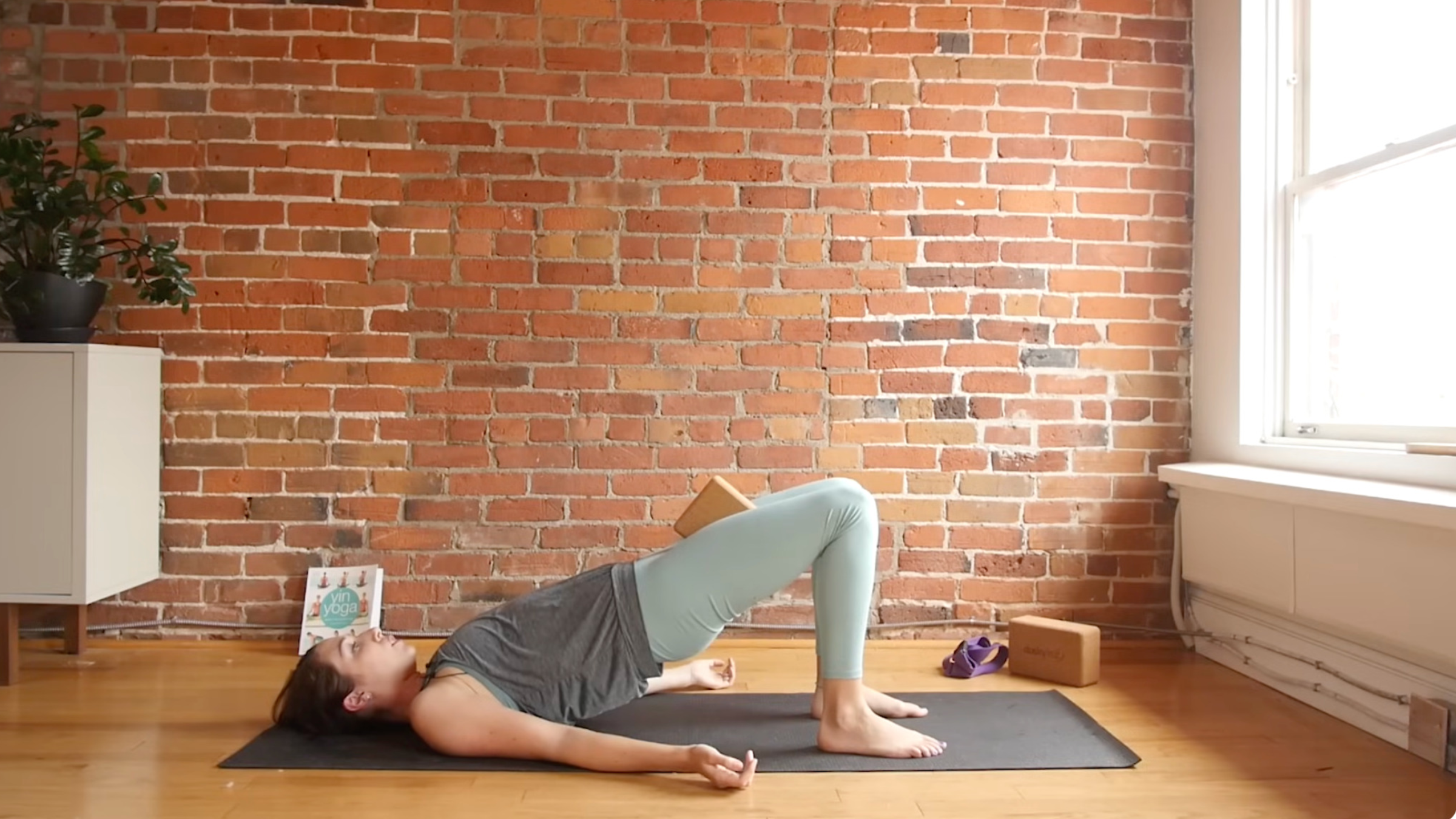
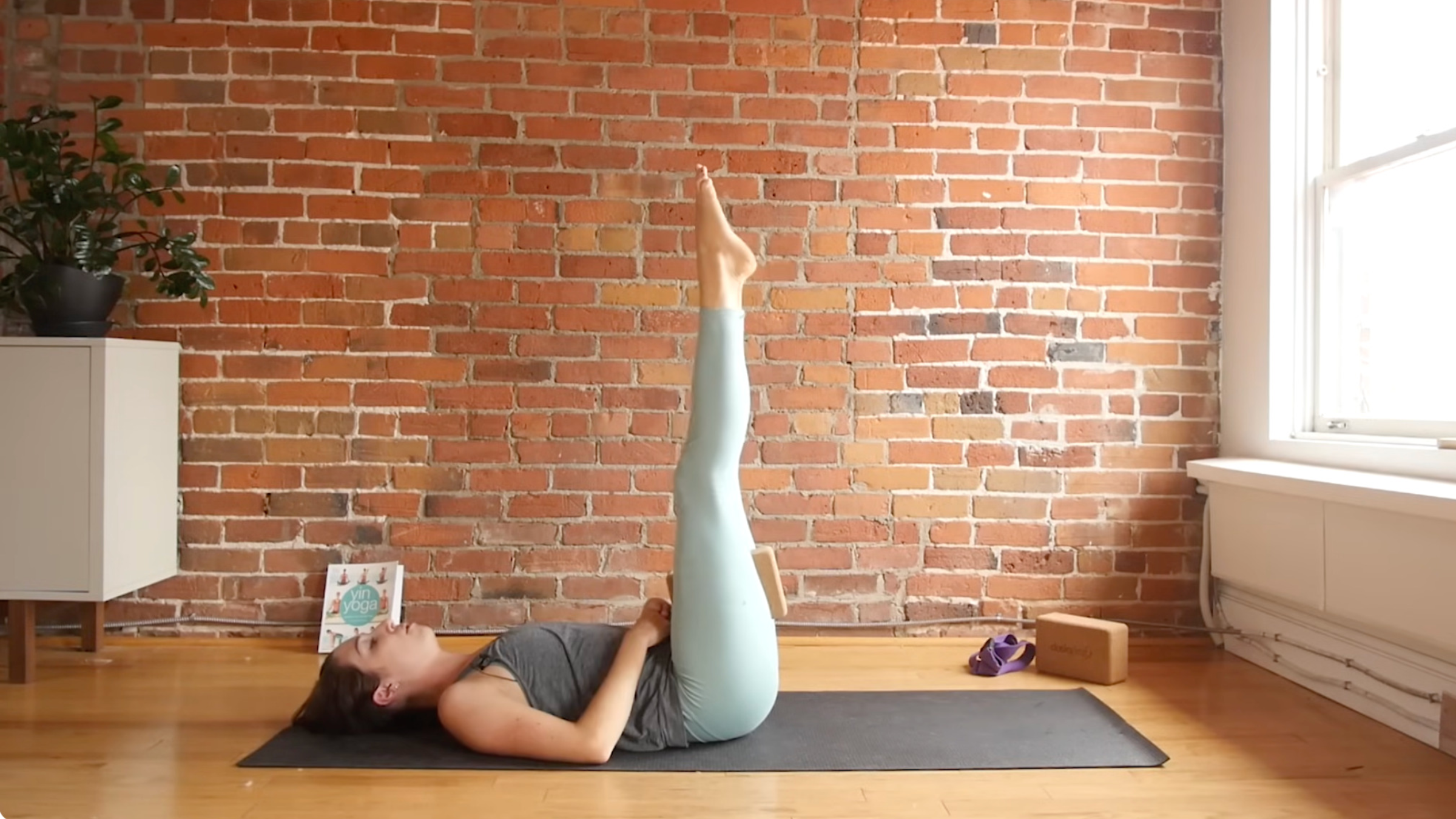
The inclusion of a yoga block in the Bridge Pose Squeezes and Reclined Core Exercises introduces an element of adductor-driven stabilization. Placing the block between the inner thighs prevents knee abduction (the tendency for knees to splay outward) and activates the adductor longus and magnus muscles. Biomechanical studies indicate that hip adduction significantly enhances pelvic floor and core recruitment through a phenomenon known as proximal irradiation.
As practitioners elevate into Bridge Pose and subsequently execute subtle, controlled tilts of the pelvis and thoracic spine during the reclined core segment, the nervous system receives continuous proprioceptive feedback. The addition of "Barbie feet"—pointing the ankles while dorsiflexing the toes—further engages the kinetic chain down to the lower extremities, turning a localized abdominal exercise into a whole-body stability drill.
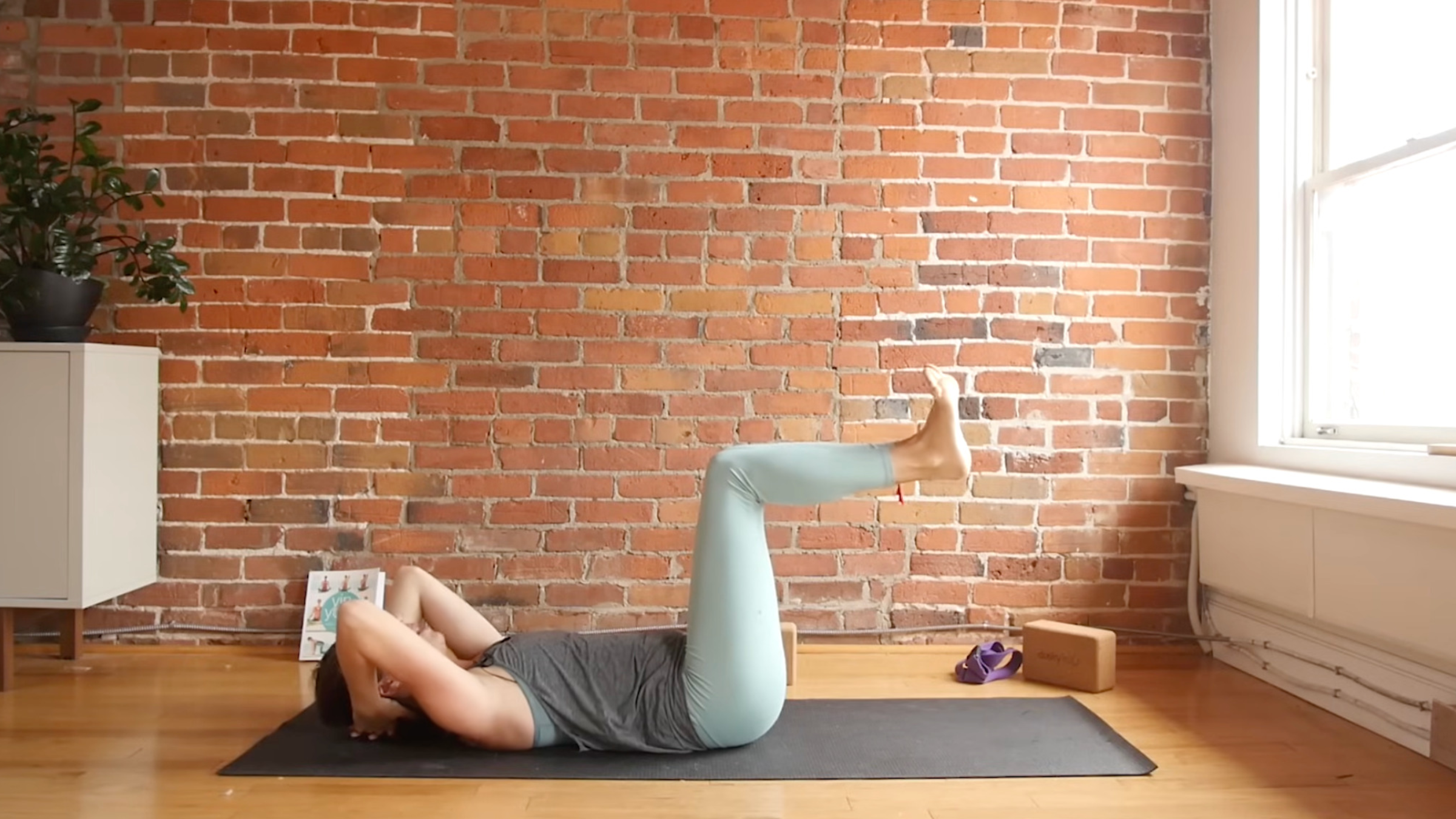
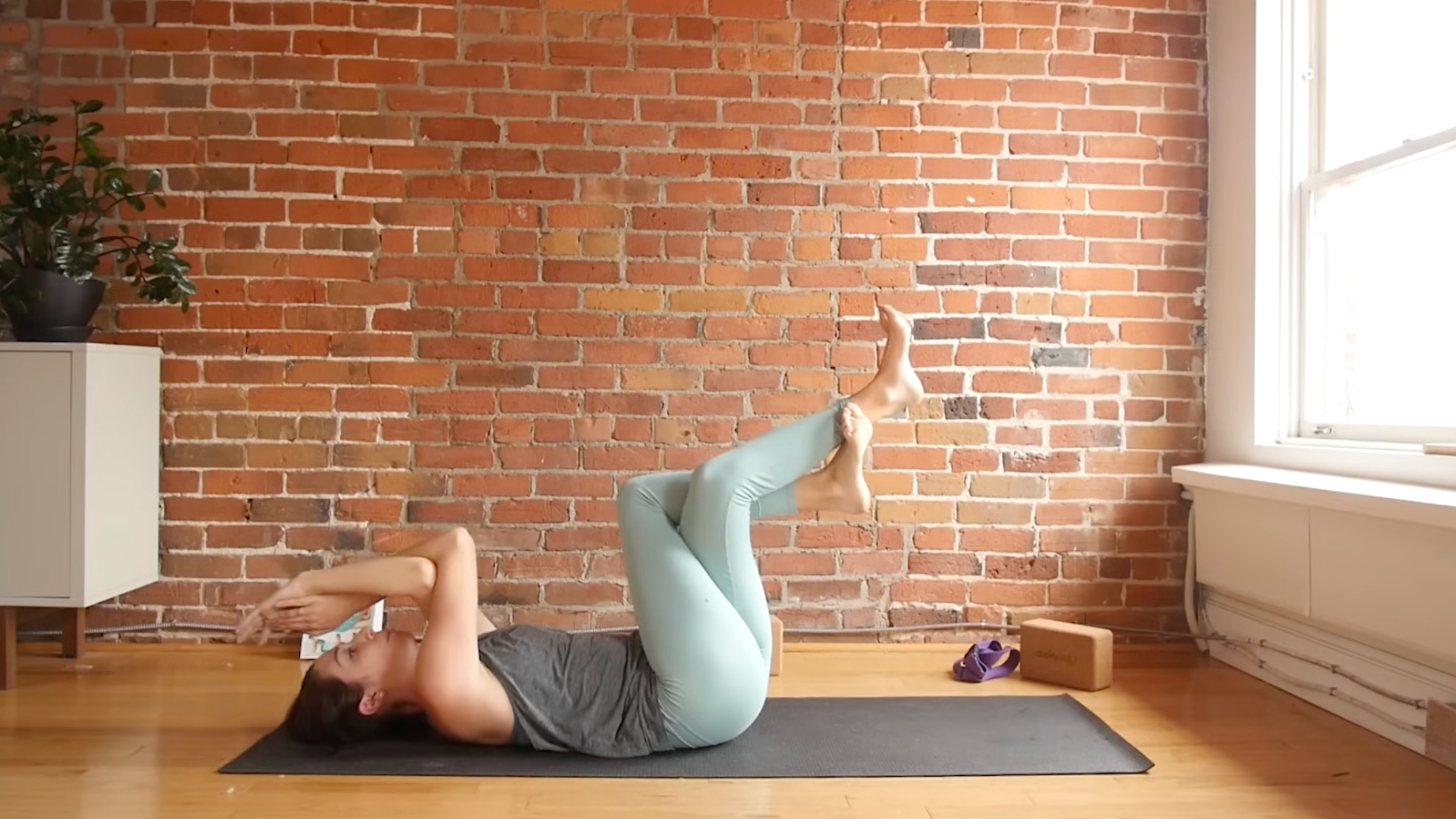
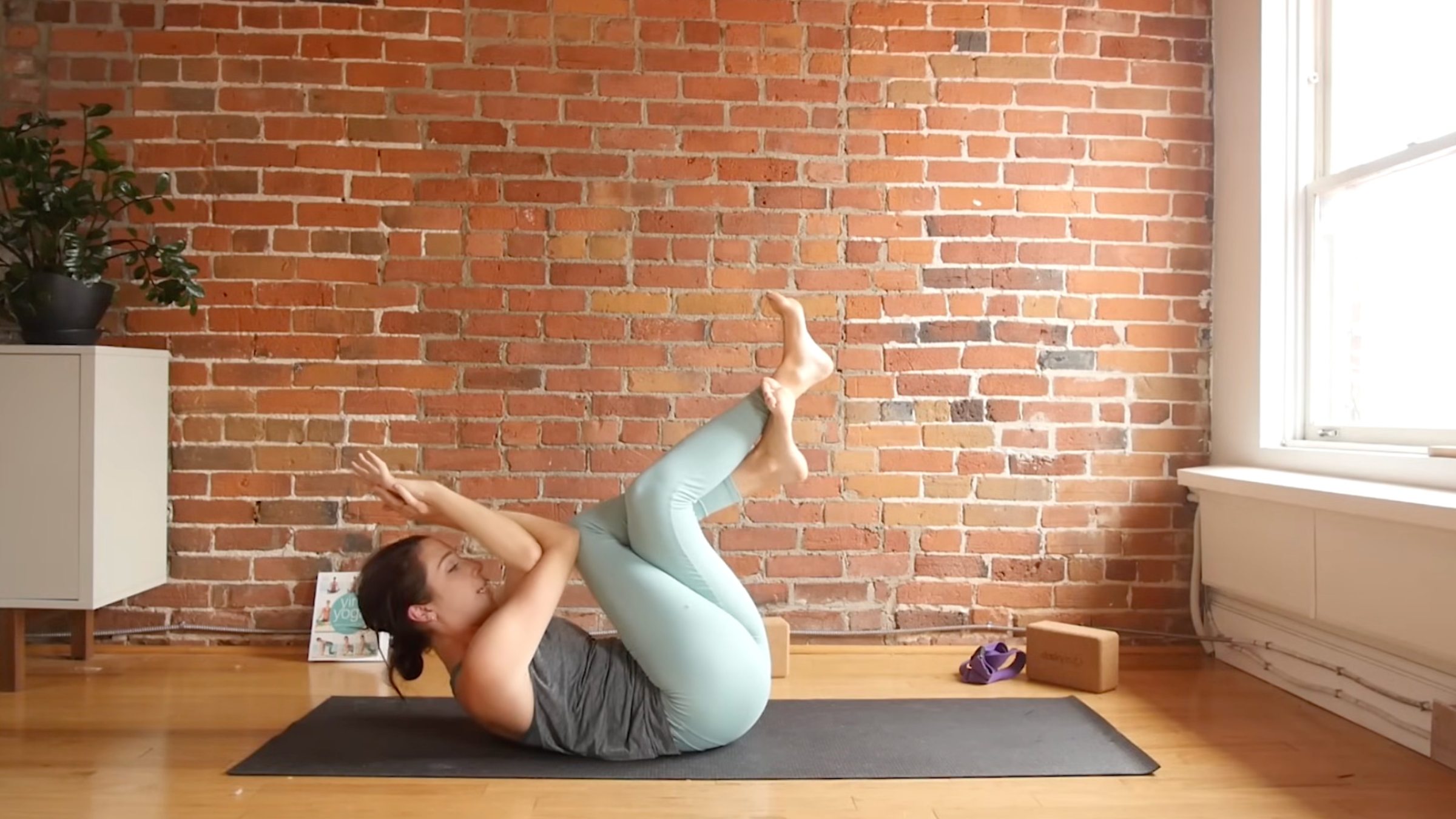
The reclined portion of the sequence culminates in Reclined Eagle Pose. By cross-wrapping the limbs and binding the arms, practitioners replicate the shape of Garudasana (Eagle Pose) on the floor. This posture compresses the midline, forcing deeper internal oblique engagement as the elbows and knees draw together and extend away from one another without allowing the head to touch the mat.
Phase 3: Global Integration and Dynamic Stabilization
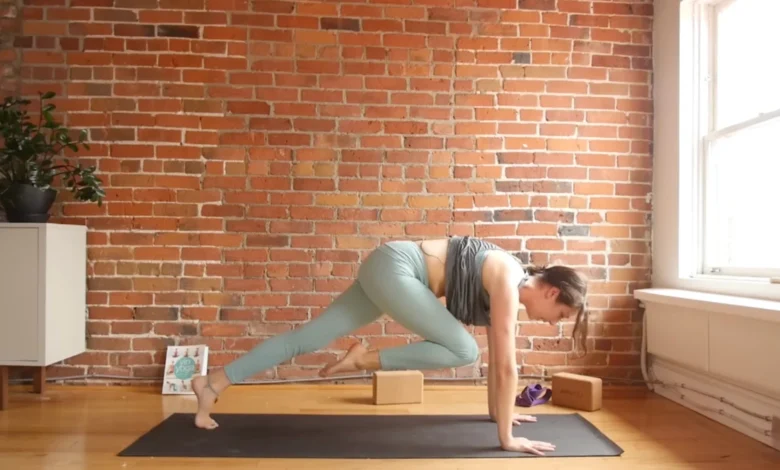
Transitioning from a supine position to weight-bearing postures, the routine incorporates Downward-Facing Dog, Three-Legged Dog to Plank, and Forearm Plank. This shift transitions the core from working against gravity in a supported environment to managing global body weight across multiple planes of motion.
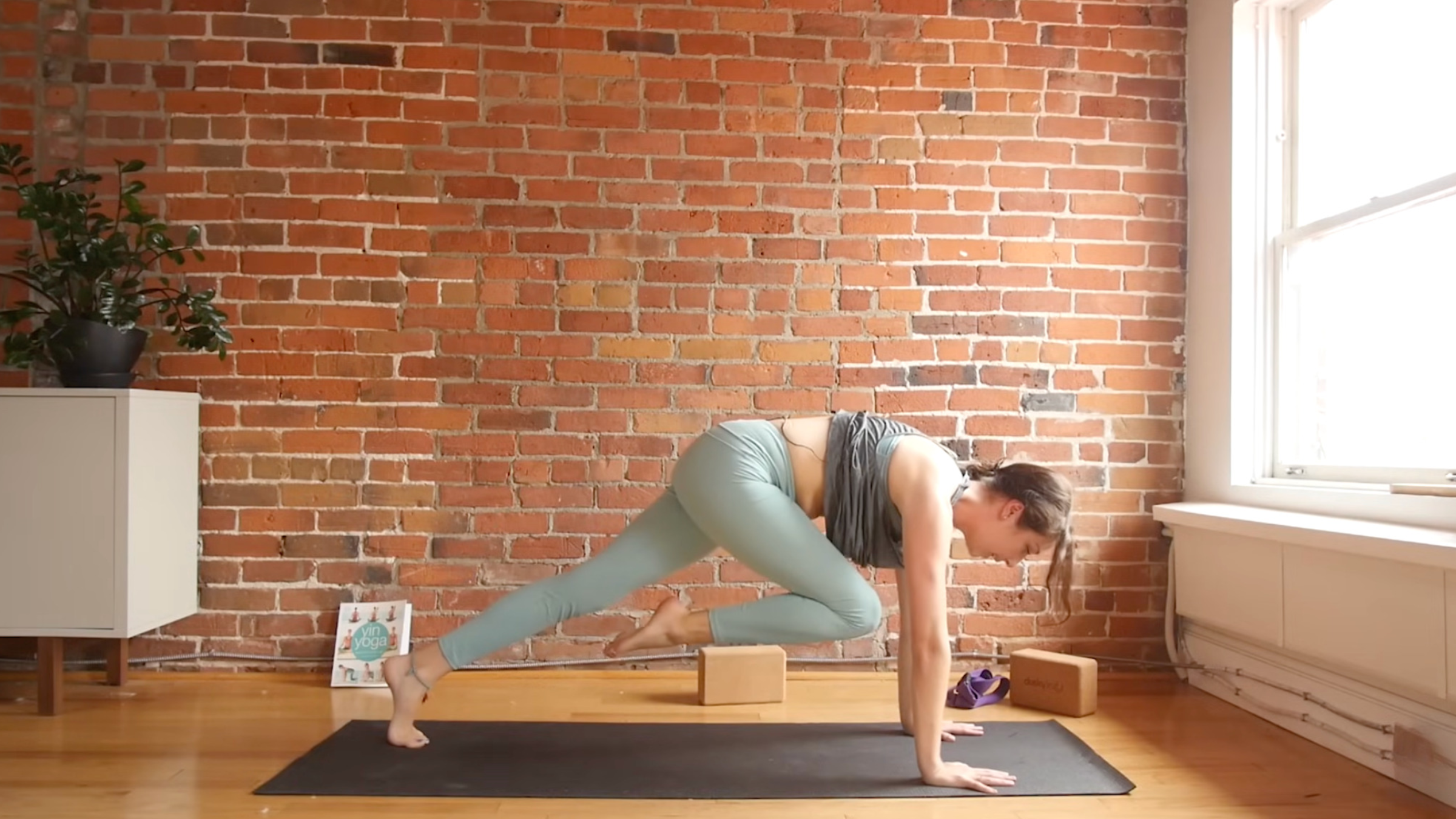
In the Three-Legged Dog to Knee-to-Nose progression, the practitioner moves dynamically between spinal extension and flexion. Shifting the shoulders forward over the wrists while drawing the knee to the nose activates the rectus abdominis and hip flexors under a closed kinetic chain. Holding this position for a five-count builds isometric endurance, a vital component for injury prevention and athletic performance.
The sequence concludes with Forearm Plank and Sphinx Pose. While the forearm plank challenges anterior core endurance and scapular stability, Sphinx Pose offers a necessary counter-stretch. By lowering the hips and lifting the chest, the practitioner gently stretches the rectus abdominis and anterior fascial lines, promoting recovery and down-regulation of the nervous system before the final seated integration.
Physiological Implications and Expert Analysis
Sports medicine specialists and physical therapists frequently emphasize that a strong core extends far beyond aesthetic considerations. A functional core encompasses the entire cylinder of the torso, including the diaphragm, transversus abdominis, multifidus, obliques, and pelvic floor. Together, these muscles act as a natural weight belt, protecting the spinal column during heavy lifting, athletic maneuvering, and routine daily activities.
Reinhardt’s sequence addresses these foundational needs by incorporating three distinct types of muscular contraction:
- Isometric Contractions: Seen in the plank variations and bridge holds, which build endurance and resistance to fatigue.
- Concentric and Eccentric Contractions: Utilized during the bicycle and yoga eagle movements, which improve functional range of motion and muscular control.
- Rotational Stability: Addressed through the oblique-focused twists, which are essential for protecting the spine during twisting and turning movements common in daily life.
Furthermore, physical therapists note that sequences emphasizing core stability are invaluable for practitioners seeking to advance into complex arm balances, such as Crow Pose (Bakasana) or Firefly Pose (Tittibhasana). These advanced postures require immense intra-abdominal pressure and thoracic flexion—qualities directly targeted by the knee-to-nose and plank protocols within Reinhardt’s routine.
Industry Reception and Broader Impact
Since its publication, the 10-minute core sequence has received favorable engagement from the online wellness community. Commentators and digital subscribers have highlighted the accessibility of the routine, noting that the emphasis on slow, mindful execution prevents the burnout often associated with high-repetition abdominal workouts.
Fitness analysts suggest that the enduring popularity of digital instructors like Reinhardt lies in their ability to translate complex anatomical principles into approachable, bite-sized formats. By removing the intimidation factor of longer classes, such routines encourage demographic groups with limited leisure time to maintain regular physical activity habits.
Conclusion
Kassandra Reinhardt’s 10-minute core-strengthening yoga sequence bridges the gap between restorative movement and functional conditioning. Through careful sequencing, anatomical precision, and an emphasis on quality over quantity, the routine provides a scientifically grounded approach to abdominal training. As the wellness sector continues to embrace micro-workouts and time-efficient fitness models, targeted practices of this nature underscore the reality that significant physical benefits can be achieved in remarkably short windows of time, provided the execution is purposeful and informed by sound biomechanical principles.