Evaluating the Safety of Sucralose: A Comprehensive Analysis of Laboratory Findings, Regulatory Reassessments, and Modern Toxicological Data

The debate surrounding the safety of artificial sweeteners has long been a fixture of nutritional science, public health discourse, and consumer concern. At the center of this ongoing scientific dialogue is sucralose, a high-intensity artificial sweetener marketed globally under brand names such as Splenda. While regulatory bodies have historically classified the compound as safe for human consumption, a cascade of laboratory studies, regulatory reviews, and toxicological assessments over the past several years has prompted a rigorous re-examination of the substance.
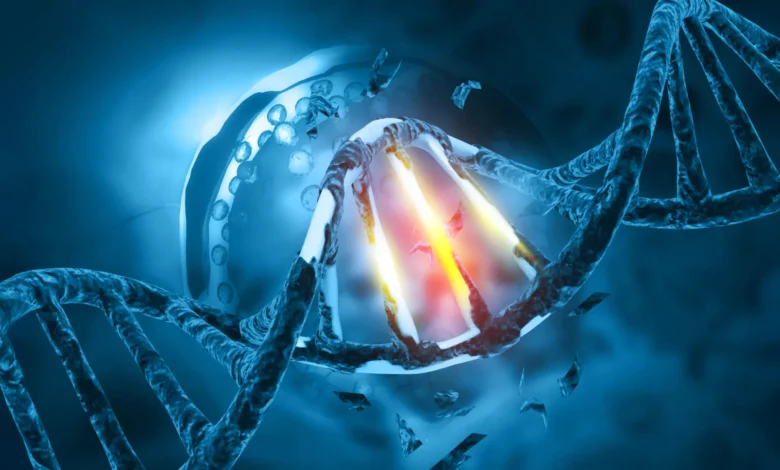
The core of the recent controversy traces back to a 2023 study identifying a chemical byproduct and impurity known as sucralose-6-acetate. Laboratory experiments revealed that this compound could induce DNA damage and compromise the integrity of the intestinal lining in cell cultures. These findings immediately challenged established assumptions, prompting widespread public concern and calls for regulatory review. However, the trajectory of this scientific inquiry highlights the complex journey from in vitro laboratory observations to definitive human health conclusions. Subsequent investigations, including a major 2026 European safety assessment and independent industrial and academic toxicology trials, have provided critical context, distinguishing between isolated cellular reactions and systemic risks associated with everyday dietary exposure.
Chronology of the Controversy: From Initial Discovery to Modern Re-evaluations
Understanding the debate requires examining the timeline of research, regulatory milestones, and shifting interpretations regarding sucralose and its chemical derivatives.
- 2018: A research team led by scientists at North Carolina State University and the University of North Carolina at Chapel Hill published animal research showing fat-soluble compounds in the urine and feces of rats administered sucralose. The researchers interpreted this as evidence of internal chemical alteration.
- 2023: The same research team published a landmark study identifying sucralose-6-acetate as a genotoxic impurity present in commercial sucralose samples at concentrations up to 0.67%. The study demonstrated DNA strand breaks in cultured human blood cells and increased permeability ("leaky gut") in intestinal tissue models, leading study authors to publicly question the safety of the sweetener.
- March 2025: A randomized trial published in Nature Metabolism evaluated 75 young adults, finding that consuming sucralose-sweetened beverages increased hypothalamic blood flow and subjective hunger ratings compared to sugar, introducing new data regarding how the sweetener interacts with neural appetite regulation.
- February 2026: The European Food Safety Authority (EFSA) released a comprehensive re-evaluation of sucralose. The panel retained the acceptable daily intake (ADI) at 15 milligrams per kilogram of body weight per day, concluded that dietary exposure remained well below this threshold, and determined that the sweetener did not pose a genotoxic risk under authorized uses. However, the panel could not confirm the safety of expanding sucralose use in certain baked goods due to thermal degradation concerns.
- August 2026: A systematic review published in Food and Chemical Toxicology evaluated commercial-grade sucralose through multiple genetic toxicity assays, finding largely negative results in standard mutation and chromosome damage tests, though noting interpretive complexities in specific assays like the comet assay. Concurrently, a systematic review of 23 randomized trials highlighted mixed effects on cardiometabolic outcomes and blood sugar regulation.
Dissecting the 2023 Findings: Genotoxicity and Gut Barrier Integrity
The 2023 investigation brought two primary biological concerns to the forefront: potential genotoxicity and the disruption of the intestinal epithelial barrier.
Genotoxicity refers to a chemical agent’s ability to damage the genetic material—DNA—within a cell, a process that can theoretically initiate mutations leading to malignancies. In the 2023 experiments, cultured human blood cells were directly exposed to sucralose-6-acetate. The resulting cellular screening displayed patterns consistent with DNA strand breakage. Study lead Susan Schiffman emphasized that this impurity was not merely a metabolic byproduct created inside the body, but was detectable as a trace contaminant in off-the-shelf commercial sucralose packages prior to ingestion.
Beyond genetic concerns, the research team examined the impact of both pure sucralose and sucralose-6-acetate on human intestinal epithelial tissue models. The gut barrier plays a critical role in nutrient absorption while preventing harmful luminal contents from entering the bloodstream. Under experimental conditions, exposure to these chemicals compromised "tight junctions"—the protein complexes that seal the spaces between adjacent epithelial cells. This induced what is commonly termed "leaky gut," characterized by increased paracellular permeability. Furthermore, gene expression analysis of these exposed intestinal cells revealed upregulation in pathways associated with oxidative stress, inflammation, and potential carcinogenicity.
Despite these striking visual indicators of cellular stress, toxicologists emphasize a fundamental tenet of risk assessment: in vitro toxicity does not automatically equate to human health harm. Exposing isolated cells or engineered tissue models directly to a chemical in a Petri dish bypasses human metabolic processing, dilution in bodily fluids, and homeostatic defense mechanisms. Consequently, while the findings identified a theoretical hazard, they did not establish that ordinary dietary consumption of sucralose exposes human tissues to concentrations high enough to replicate these cellular disruptions in vivo.
The Exposure Threshold Debate and Regulatory Context
A central argument advanced by the 2023 study authors centered on exposure thresholds. The researchers noted that the estimated daily intake of sucralose-6-acetate from a single sweetened beverage could exceed the European Food Safety Authority’s Threshold of Toxicological Concern (TTC) of 0.15 micrograms per person per day for genotoxic substances.
However, regulatory toxicologists point out important nuances regarding the TTC framework. A Threshold of Toxicological Concern is a conservative, highly protective screening tool used by regulatory agencies to prioritize chemicals for further testing when comprehensive toxicity data is sparse. Exceeding a TTC value flags a substance for deeper scrutiny; it does not constitute empirical proof that exposure causes disease, nor is it interchangeable with the scientifically established Acceptable Daily Intake (ADI) specifically derived for food additives through comprehensive animal and human trials.
When official regulatory bodies conducted their formal reviews, they weighed these screening anomalies against a broader body of toxicological data. In its comprehensive 2026 re-evaluation, the EFSA reviewed the genetic damage signals reported in the 2023 literature but judged the screening assays to have limited weight of evidence compared to comprehensive, multi-generation animal studies and clinical data. The EFSA reaffirmed an ADI of 15 milligrams per kilogram of body weight per day, maintaining that current population-wide dietary exposure remains safely beneath this ceiling.
Similarly, the United States Food and Drug Administration (FDA) continues to maintain its approval of sucralose as a food additive. The agency’s regulatory framework for the sweetener is underpinned by more than 110 safety and toxicological studies, including human clinical investigations designed to evaluate potential adverse physiological impacts across varied populations.
Modern Toxicology and Industry Context
To further clarify the safety profile of the sweetener, subsequent studies have sought to replicate or challenge the 2023 findings using standardized commercial products. Notably, a study published in Food and Chemical Toxicology in August 2026 examined commercial-grade sucralose using battery-standard genetic toxicity assays in cellular and animal models.
The majority of these assays—including tests designed to measure direct gene mutations and chromosomal aberrations—yielded negative results. Even studies utilizing genetically modified murine models failed to detect significant increases in targeted mutation frequencies. While a sensitive test known as the comet assay did detect intermittent DNA migration signals in certain tissues, the study authors noted significant interpretive challenges, ultimately concluding that the totality of the evidence did not support a classification of genotoxicity for commercial sucralose.
Observers have noted potential conflicts of interest within the broader scientific literature. Several authors of the 2026 toxicological evaluation maintained professional affiliations with Tate & Lyle (a major manufacturer of sucralose) and Intertek, a scientific consultancy. In academic and regulatory publishing, such industry ties necessitate rigorous peer review and transparent disclosure to ensure data integrity, a standard maintained by major scientific journals through mandatory conflict-of-interest declarations.
Beyond DNA: Appetite Regulation, Metabolism, and Thermal Degradation
While the primary debate initially focused on genotoxicity, contemporary research has branched into other physiological domains, investigating how non-nutritive sweeteners interact with human metabolism and endocrine pathways.
Clinical investigations have increasingly focused on neuroendocrine responses to artificial sweeteners. A randomized crossover trial published in Nature Metabolism demonstrated that when healthy young adults consumed sucralose-sweetened beverages, neuroimaging revealed increased blood flow in the hypothalamus—the brain region governing hunger and energy homeostasis—compared to plain water or natural sugar. While these trials confirm that the central nervous system registers the ingestion of non-nutritive sweeteners differently than caloric sugars, researchers stress that these acute neurological responses do not constitute proof of long-term weight gain or metabolic dysfunction.
Simultaneously, systematic reviews examining cardiometabolic health outcomes have reported mixed findings regarding glycemic control. While some clinical trials indicate neutral effects on blood glucose and insulin sensitivity, others report subtle variations, prompting ongoing investigation by endocrinologists and public health specialists.
Furthermore, regulatory panels have identified distinct chemical vulnerabilities when sucralose is subjected to extreme conditions. The EFSA’s 2026 assessment highlighted that prolonged exposure to high temperatures—such as industrial baking, frying, or intense domestic cooking—can cause the chlorine atoms bound within the sucralose molecule to dissociate and incorporate into novel chemical structures whose toxicological profiles remain uncharacterized. Consequently, while the EFSA confirmed the safety of sucralose in its currently authorized applications, it declined to approve proposed expansions for certain high-temperature baked goods, illustrating that food safety assessments must account for variable preparation environments as well as base molecular stability.
Implications for Public Health and Consumer Choices
The ongoing scientific dialogue surrounding sucralose illustrates the dynamic and self-correcting nature of toxicological research. Initial laboratory discoveries regarding sucralose-6-acetate and cellular stress successfully stimulated rigorous re-examinations by international regulatory authorities.
Yet, the scientific consensus as of 2026 maintains a clear distinction between the identification of a theoretical hazard in a controlled in vitro environment and the demonstration of an active public health risk under normal human dietary conditions. Regulatory bodies in both Europe and the United States continue to assert that commercial sucralose remains safe for its approved uses when consumed within established acceptable daily intake limits.
For consumers and public health officials, the evidence suggests that while questions regarding thermal stability, high-temperature cooking, and subtle metabolic interactions warrant continued scientific scrutiny, broad assertions of immediate genotoxic harm from everyday dietary sucralose consumption are not supported by the weight of contemporary toxicological data. As research progresses, the integration of advanced molecular assays, rigorous clinical trials, and transparent regulatory oversight will remain essential in safeguarding consumer health while evaluating the complex chemistry of modern food additives.
Related posts: