Puerto Rico Declares Emergency, Imposes 48-Hour Water Rationing as Drought Worsens

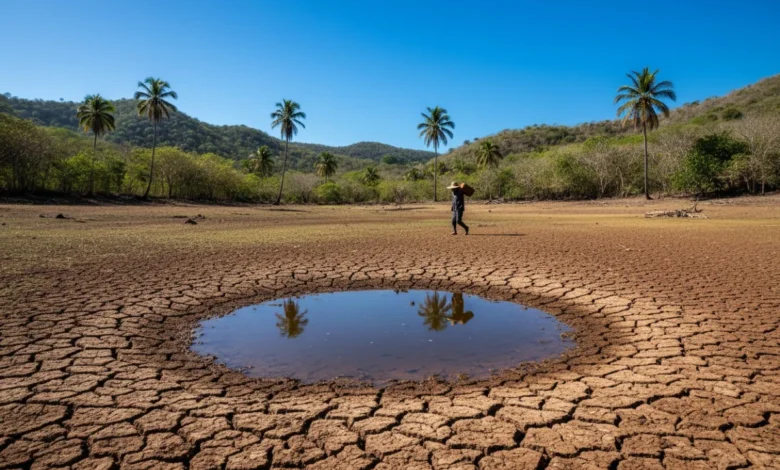
Puerto Rico has declared a state of emergency and implemented a critical 48-hour water rationing measure affecting thousands of residents in its northeastern region, a stark indication of a deepening drought exacerbated by rising temperatures and insufficient rainfall. Governor Jenniffer González announced the emergency declaration on Thursday, a move aimed at conserving dwindling water supplies as the U.S. territory grapples with increasingly severe dry conditions. The rationing is set to begin Friday, impacting communities in the municipalities of Canóvanas and Río Grande, with officials warning that the measures may need to be extended to other areas if the drought persists.
Luis González, executive president of the Puerto Rico Water and Sewer Authority (PRASA), confirmed the rationing schedule, emphasizing the critical state of the island’s water resources. "There’s just not enough water," he stated, underscoring the immediate need for conservation. This declaration marks a significant escalation in the response to a prolonged period of dryness that has strained the island’s already fragile water infrastructure.
The Grip of Drought: Data and Extent
The severity of the current drought is quantified by data from the U.S. Drought Monitor, which paints a concerning picture of the island’s hydrological status. As of the latest reports, approximately 14% of Puerto Rico is experiencing severe drought conditions, while a substantial 59% is under moderate drought. This represents a significant increase from late June, when only 18% of the island was classified as being in a drought-affected region.
The impact on the population is profound. An estimated 2.3 million of Puerto Rico’s 3.2 million inhabitants are currently living in areas experiencing drought. This widespread impact highlights the pervasive nature of the water scarcity and its potential to disrupt daily life for a vast majority of the island’s residents. Analysts note that Puerto Rico’s plight is not an isolated incident but rather a symptom of a broader global pattern of diminishing freshwater supplies. Reports suggest that a staggering 75% of the world’s population now resides in countries grappling with what has been termed "the great drying," a phenomenon driven by climate change and unsustainable water management practices.
A Recurring Crisis: Historical Context and Precedents
This is not the first time Puerto Rico has faced such dire water shortages. The island has a history of drought-induced rationing, with the most significant prior event occurring in 2016. During that crisis, approximately 400,000 utility customers were subjected to water supply interruptions, receiving water only every third day, according to PRASA records. The current situation, while potentially more widespread in its initial impact, echoes the challenges faced by the island a few years ago, raising concerns about the effectiveness of long-term water management strategies. Luis González’s indication that the current rationing will likely be extended if dry conditions persist suggests that officials are bracing for a prolonged period of scarcity, necessitating a more robust and sustained response than the current emergency measures.
Underlying Vulnerabilities: Chronic Infrastructure Deficiencies
Compounding the natural challenge of drought are the chronic issues plaguing Puerto Rico’s water infrastructure. Severe water shortages began impacting some of the island’s most populated areas months before the current drought was officially recognized, a testament to systemic problems within PRASA. While the precise underlying causes of these earlier, non-drought-related outages remain under investigation, they were severe enough to prompt the mayor of San Juan to file a lawsuit against PRASA in late May.
Governor González has openly acknowledged the long-standing neglect of the island’s water infrastructure, admitting that the system has suffered from decades of underinvestment and a lack of crucial maintenance. This historical deficit means that the infrastructure is ill-equipped to handle the stresses imposed by extreme weather events like prolonged droughts. The consequences of this neglect are tangible: nearly 40,000 customers were left without water just last month due to an outage unrelated to the current drought. This incident was so severe that Governor González felt compelled to activate the National Guard to assist in managing the crisis.
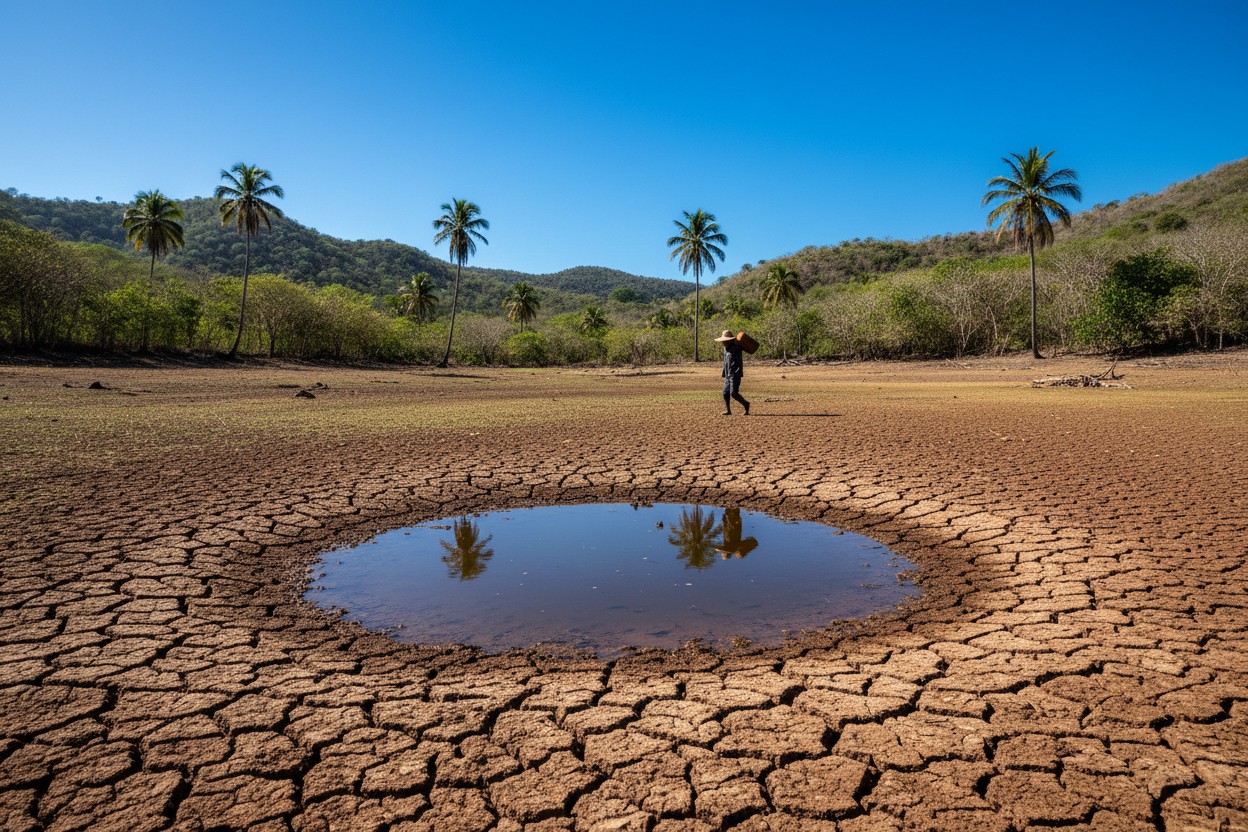
The water infrastructure crisis in Puerto Rico is unfortunately not unique within the United States. A recent analysis highlighted a national trend of "chronic underinvestment," which has left water infrastructure outdated and "on the verge of collapse in many places" across the mainland. This broader context underscores the systemic challenges facing water management and supply in the U.S., with island territories like Puerto Rico often bearing the brunt of these vulnerabilities due to their unique economic and political circumstances. The long-term health implications of compromised water systems are also a significant concern, as highlighted in the book "The Water We Drink," which details how regulatory standards for water quality were established with cancer prevention in mind, indicating the potential for serious health consequences when water treatment and supply are compromised.
Public Discontent and Legislative Scrutiny
The ongoing water crisis has ignited significant public frustration and organized protests among affected residents. Demands for accountability and clear solutions are growing, with a number of legislators voicing their concerns and calling for immediate action. Representative Domingo J. Torres articulated a common sentiment, stating, "What’s happening with the Puerto Rico Water and Sewer Authority cannot be attributed solely to the drought." He further criticized the current management, asserting, "What we’re seeing is a management that improvises, that reacts only when the crisis is already upon us, and that has failed to present a clear plan to guarantee access to drinking water."
This sentiment reflects a deeper distrust in PRASA’s ability to manage the island’s water resources effectively, especially given the recurring nature of the problems. The lack of a clear, proactive plan to address both immediate shortages and long-term infrastructure needs leaves residents facing an uncertain future regarding their most fundamental necessity: access to clean, reliable drinking water. Without sustained rainfall or substantial investment in infrastructure repairs and upgrades, the current rationing is likely to be a temporary measure in a much larger, ongoing struggle for water security in Puerto Rico. The economic and social ripple effects of such prolonged shortages are also a significant concern, impacting everything from public health and sanitation to agricultural productivity and local businesses.
Broader Implications and Future Outlook
The current water crisis in Puerto Rico serves as a critical case study on the intersection of climate change, aging infrastructure, and governance in a territory already facing significant economic challenges. The immediate implications of the 48-hour rationing include disruption to daily life for thousands, increased health risks due to potential sanitation issues, and economic strain on businesses that rely on consistent water supply.
Looking ahead, the situation demands a multifaceted approach. Firstly, immediate relief efforts are crucial to mitigate the impact of the rationing on vulnerable populations. This might include the provision of emergency water supplies and public awareness campaigns on water conservation. Secondly, there is an urgent need for substantial, sustained investment in PRASA’s infrastructure. This investment should not only focus on repairing aging pipes and treatment plants but also on modernizing the system to enhance its resilience against climate change impacts, such as increased drought frequency and intensity.
Furthermore, a comprehensive long-term water management strategy is essential. This strategy should involve proactive measures for drought preparedness, diversification of water sources where feasible, and robust water conservation policies. Public engagement and transparency from PRASA are also critical to rebuilding trust and ensuring community buy-in for necessary conservation efforts and infrastructure projects. The legislative scrutiny currently being applied to PRASA is a positive step, as it can foster greater accountability and push for more effective policy-making and resource allocation.
The global context of water scarcity, as highlighted by analysts, underscores the urgency of these actions. Puerto Rico’s experience is a microcosm of a planetary challenge, and its ability to navigate this crisis effectively could offer valuable lessons for other regions facing similar pressures. The long-term health of Puerto Rico’s population and the sustainability of its economy are inextricably linked to its capacity to secure and manage its water resources for generations to come. Without decisive action and significant reform, the cycle of drought, rationing, and public outcry is likely to continue, posing an ever-greater threat to the well-being of the island’s residents. The commitment to addressing both the immediate emergency and the systemic underlying issues will be the true test of Puerto Rico’s resilience in the face of this growing environmental and infrastructural challenge.