Blueberry Bran Muffins: A Nostalgic, Health-Conscious Morning Staple Backed by Modern Nutritional Strategies

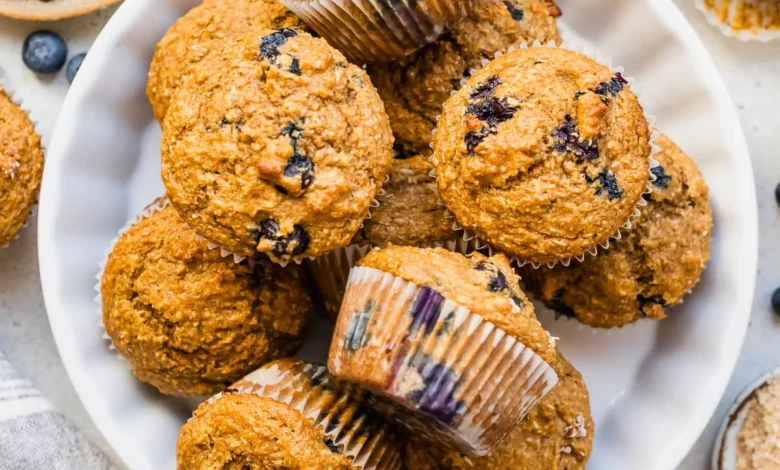
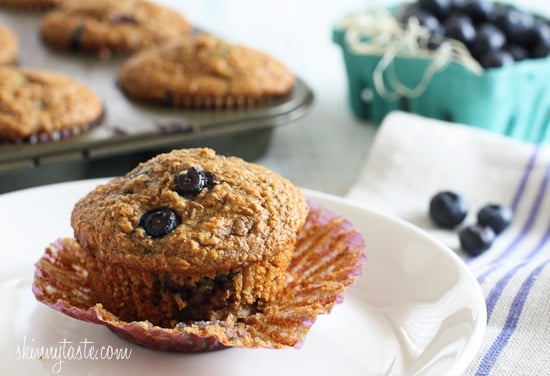
The traditional bran muffin, long burdened by a reputation for being dry, flavorless, and dense, is undergoing a culinary and nutritional reassessment. Food researchers and home cooks alike are increasingly focused on transforming nostalgic comfort foods into nutrient-dense, lower-calorie morning options without sacrificing taste or texture. A prime example of this evolution is the modernized blueberry bran muffin recipe popularized by culinary creators like Gina Homolka of Skinnytaste. By integrating natural sweeteners like honey, swapping out heavy fats for unsweetened applesauce, and incorporating fresh fruit and coconut flakes, this revamped breakfast item bridges the gap between indulgent bakery treats and health-conscious dietary requirements.
Background Context and Culinary Evolution
The history of the commercial bran muffin traces back to the late 20th-century health food movement, which championed high-fiber diets for digestive health. However, mass-produced versions sold in coffee shops and diners frequently relied on excessive amounts of oil, refined flour, and heavy sugar to mask the inherent bitterness and rough texture of wheat bran. Consequently, many consumers unwittingly consumed calorie and fat counts rivaling those of traditional pastries.

The recent shift toward cleaner eating has prompted culinary developers to re-engineer these classics. By utilizing applesauce to retain moisture while drastically cutting down on saturated fats—retaining only a minimal amount of coconut oil for structural integrity and flavor—recipes like these blueberry bran muffins successfully reduce overall caloric load. The integration of antioxidant-rich fresh blueberries and high-fiber bran flakes creates a dual benefit: satisfying sweet cravings while supporting daily recommended fiber intake.
Chronology of Preparation and Baking Methodology
Achieving the optimal balance of a tender crumb and a robust structure requires a precise culinary chronology. Professional home-baking guidelines outline a straightforward, time-efficient process designed for both weekday preparation and weekend meal prepping:

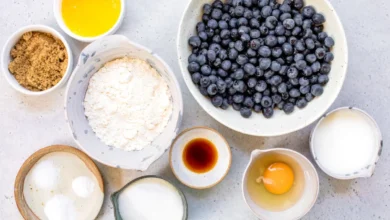
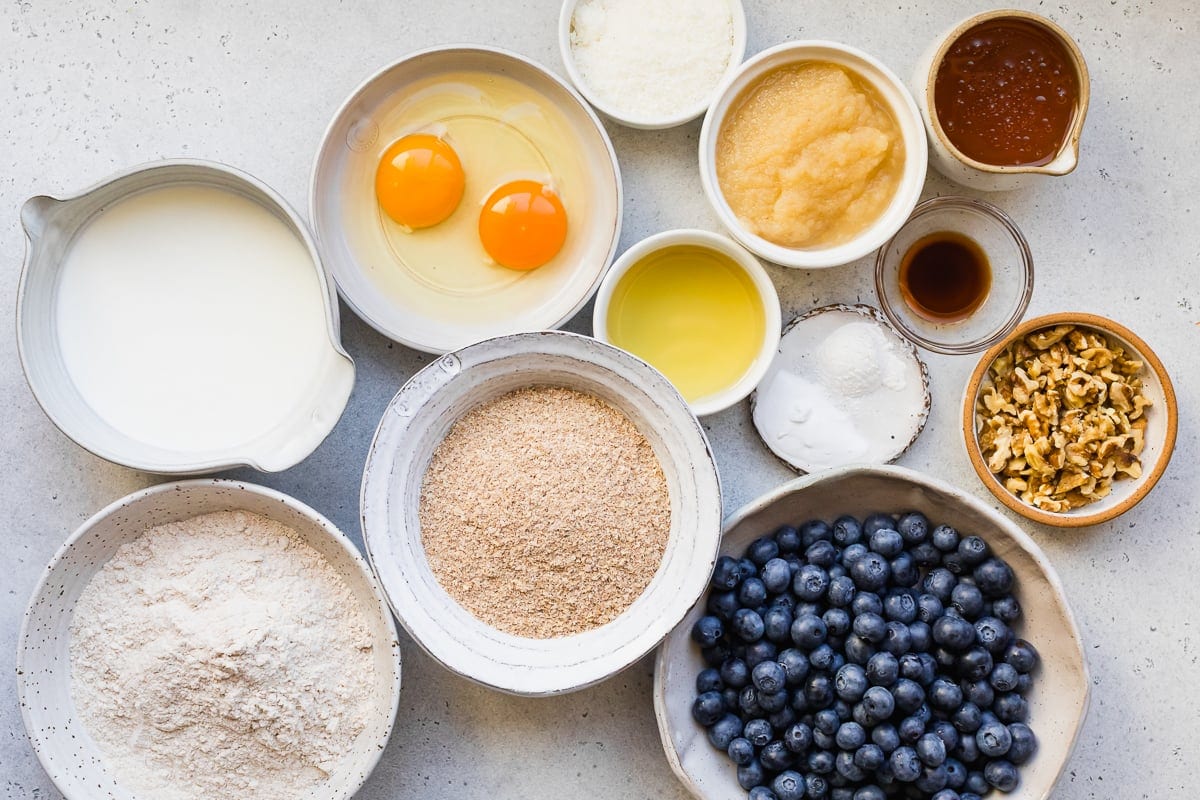
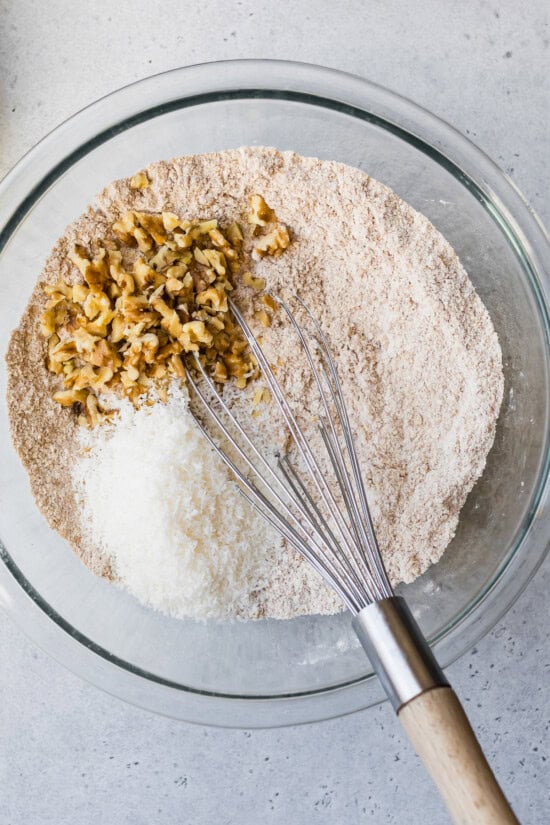
- Preparation Phase (20 Minutes): The process begins with the careful measurement of dry ingredients—typically including wheat bran, whole-wheat or all-purpose flour, baking powder, baking soda, and a pinch of salt. In a separate bowl, wet ingredients such as eggs, honey, milk or a dairy alternative, vanilla extract, and applesauce are whisked together. Fresh blueberries and coconut flakes are prepared for gentle folding.
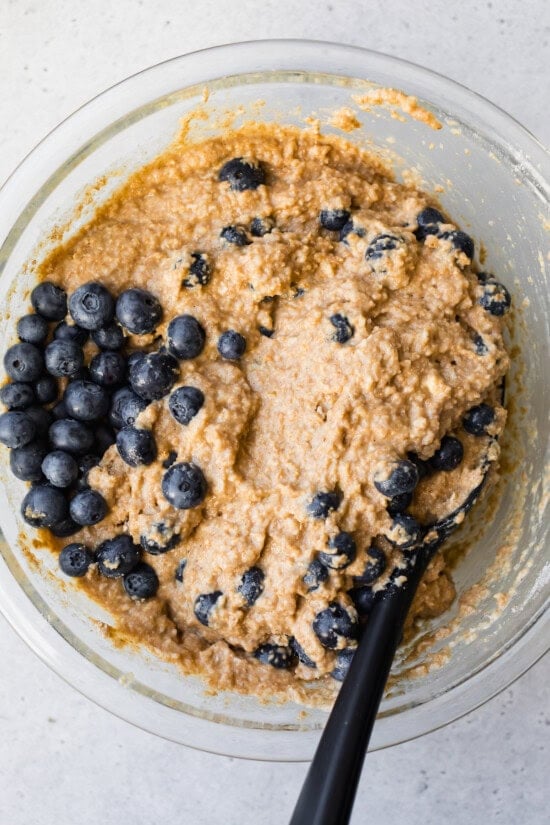
- Combination and Mixing: The wet components are integrated into the dry mixture. Culinary science dictates that muffin batter should be mixed only until just combined to prevent the gluten from overdeveloping, which would otherwise result in tough, rubbery textures. Fresh blueberries are folded in carefully at the final stage to prevent them from bursting and discoloring the batter.
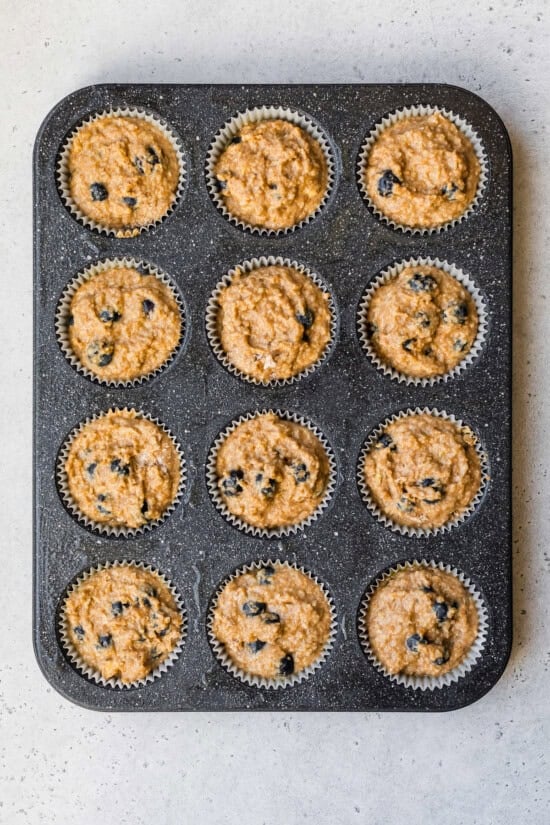
- Baking Phase (18 Minutes): The batter is distributed evenly into a lined or greased 16-cup muffin tin. Baking takes place in a preheated oven typically set to moderate heat, allowing the muffins to rise steadily and achieve a golden-brown exterior while remaining moist internally.
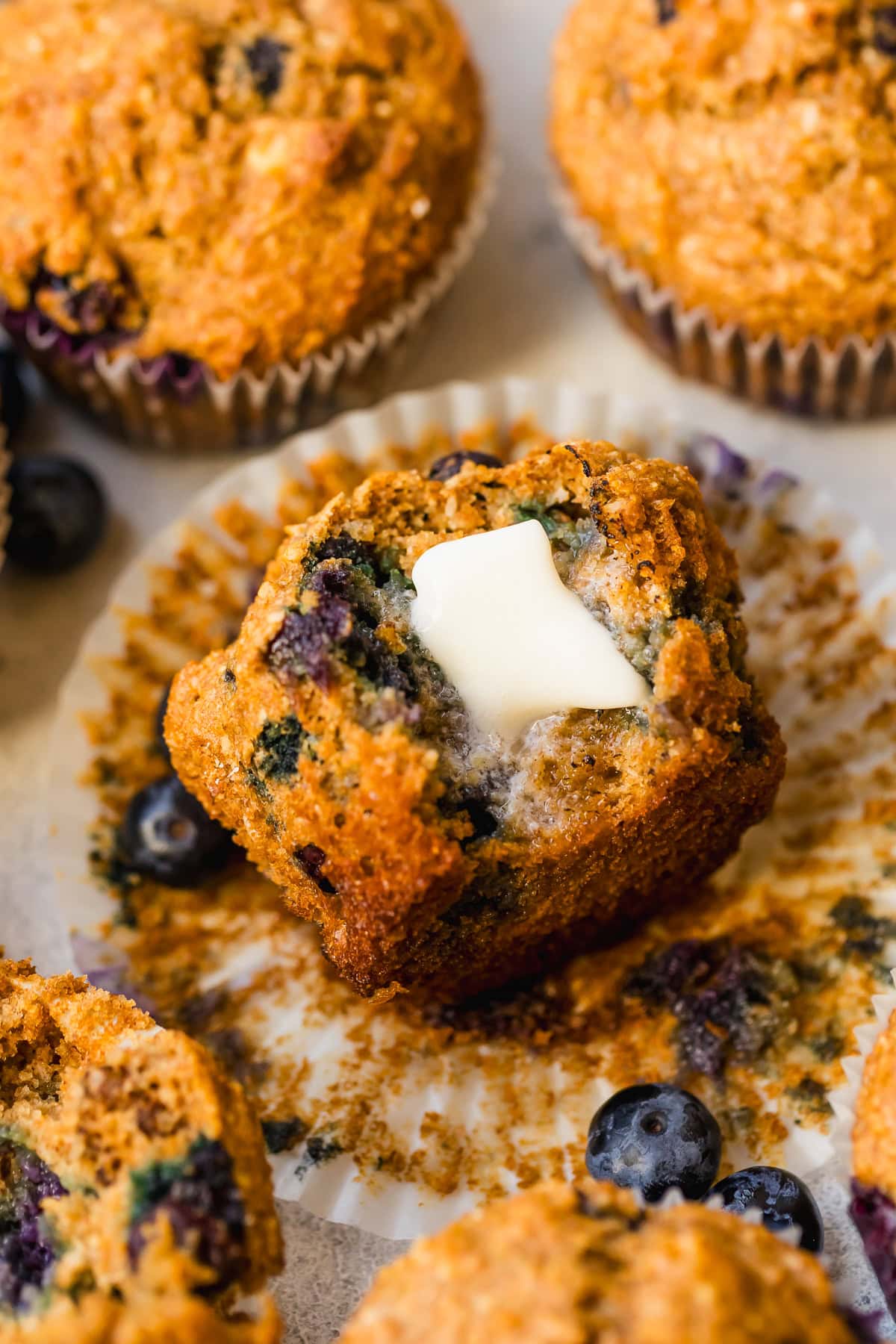
- Cooling and Post-Baking Treatment: After a brief cooling period in the pan, the muffins are transferred to a wire rack. In alignment with traditional luncheonette practices—drawing on nostalgic experiences of griddle-toasted baked goods—many culinary enthusiasts prefer to slice the cooled muffins in half and crisp them on a skillet with a thin layer of butter and jam.
Nutritional Profile and Dietary Implications
A detailed analysis of the nutritional breakdown reveals significant advantages for individuals monitoring their daily caloric and macronutrient intake. Standardized laboratory and dietary metrics for a single serving of these blueberry bran muffins indicate the following profile:
- Serving Size: 1 muffin (yields 16 total servings)
- Calories: 143 kcal
- Carbohydrates: 25.5 g
- Dietary Fiber: 3 g
- Protein: 3 g
- Total Fat: 4.5 g
- Saturated Fat: 2.5 g
- Cholesterol: 23.5 mg
- Sodium: 155.5 mg
- Sugar: 13 g
From a dietary perspective, the inclusion of 3 grams of fiber per serving contributes meaningfully toward the daily recommended fiber intake, which helps regulate blood sugar levels and promotes satiety. The deliberate reduction of fats—substituting oils with puréed fruit—brings the saturated fat content down to levels that align with heart-healthy dietary guidelines established by cardiovascular health organizations.
Meal Prep, Storage, and Scalability
In response to the fast-paced lifestyle of modern consumers, meal-prep viability has become a primary metric for evaluating modern recipes. Blueberry bran muffins demonstrate exceptional durability in both refrigeration and freezing storage protocols.
When stored in an airtight container at room temperature, the muffins retain their moisture for up to three days. For longer storage, freezing individual muffins allows consumers to extend their shelf life for up to a month. Reheating frozen muffins can be achieved efficiently in a microwave for 30 to 45 seconds or by utilizing the traditional griddle-toast method for enhanced texture. Furthermore, the recipe is easily scalable; bakers can opt to halve the ingredients to yield a smaller batch, minimizing food waste for single-person households or smaller families.
Broader Market Impact and Consumer Trends
The enduring popularity of health-modified classic baked goods reflects a broader cultural pivot toward sustainable, mindful eating habits. Consumers increasingly demand transparency and nutritional adaptation from food content creators and recipe publishers. By modernizing heritage recipes—such as translating a classic diner-style bran muffin into a macro-friendly, nutrient-dense breakfast option—home cooks can enjoy familiar comfort foods without compromising their wellness objectives. This trend underscores a permanent shift in domestic culinary practices, where indulgence and nutritional health successfully coexist on the breakfast table.