For individuals seeking an accessible yet highly effective method to harmonize their physical and mental states, the "Legs Up the Wall" pose, known in Sanskrit as Viparita Karani, presents itself as a potent addition to any wellness regimen. This gentle inversion, a cornerstone of traditional yogic practices, has been utilized for centuries to foster relaxation, enhance circulation, and promote nervous system equilibrium. Its enduring popularity in contemporary restorative yoga underscores its profound and multifaceted benefits, making it a widely embraced practice for practitioners of all levels.
Rooted deeply within the yogic philosophy, Viparita Karani is recognized not only as a restorative posture but also as a mudra, an energetic seal designed to influence the body’s subtle energy flows. This ancient understanding highlights the pose’s capacity to extend beyond mere physical benefits, offering a pathway to deeper energetic balance. The cumulative advantages of this simple posture are extensive, ranging from improved circulatory function to enhanced sleep quality and significant stress reduction, rendering it a remarkably inclusive practice. Whether one is embarking on their yoga journey or seeking a refined recovery technique, Legs Up the Wall offers a powerful and accessible starting point.
Understanding Legs Up the Wall Pose (Viparita Karani)
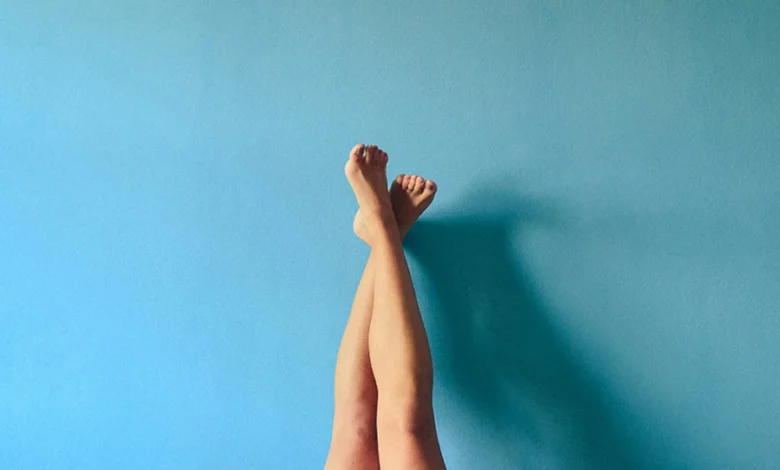
At its core, Legs Up the Wall is a straightforward yet profoundly effective inversion. The practice involves lying on one’s back and extending the legs vertically, resting them against a wall. This position fundamentally alters the body’s gravitational relationship, encouraging a reversal of typical blood flow patterns. Crucially, unlike more demanding inversions that require significant strength and balance, Viparita Karani is accessible to virtually everyone, irrespective of their physical conditioning or prior yoga experience. Its prevalence in restorative yoga and recovery-focused practices stems from its unique ability to facilitate profound physical relaxation while simultaneously eliciting substantial physiological advantages.
The esteemed yogi B.K.S. Iyengar, in his seminal work "Light on Yoga," lauded inversions for their rejuvenating properties, stating they are instrumental in alleviating the fatigue accumulated from prolonged periods of standing or sitting and in supporting overall vitality. This perspective reinforces the notion that Legs Up the Wall transcends mere physical exertion, contributing to a more holistic energetic balance within the practitioner. The pose’s simplicity belies its potent capacity to restore and revitalize, making it a cornerstone of self-care for many.
The Multifaceted Benefits of Legs Up the Wall
Often lauded as "the king of stress-relieving poses," Legs Up the Wall offers a remarkable array of benefits that are both profound and scientifically supported. Its efficacy lies in its ability to address a wide spectrum of physical and mental well-being concerns.
1. Enhanced Circulatory Function
One of the most celebrated advantages of the Legs Up the Wall pose is its significant impact on improving blood circulation. By elevating the legs above the heart, the pose naturally facilitates the return of blood towards the core, effectively counteracting the pooling of blood in the lower extremities. This mechanism is particularly beneficial for individuals who spend extended periods standing or sitting, as it helps to alleviate swelling, reduce feelings of heaviness, and combat general leg fatigue.
Scientific literature corroborates this physiological effect. A study published in the Journal of Physical Therapy Science demonstrated that leg elevation demonstrably enhances venous return and reduces lower limb edema, especially in populations experiencing prolonged sedentary lifestyles or occupations requiring extensive standing. This evidence underscores the pose’s utility in managing circulatory challenges and promoting overall vascular health.
2. Support for Lymphatic Drainage
The pose also plays a supportive role in the body’s lymphatic drainage system, aiding in the more efficient movement of bodily fluids and mitigating fluid retention. The lymphatic system, a crucial component of the immune system, relies on passive mechanisms like movement and gravity to circulate lymph fluid. By adopting an inverted or elevated posture, such as Legs Up the Wall, practitioners can potentially facilitate this natural flow.
A comprehensive review published in Frontiers in Physiology highlighted how specific body positioning and gentle movements can positively influence lymphatic circulation. This suggests that the inverted stance of Viparita Karani can be a valuable adjunct in supporting the body’s natural detoxification and fluid balance processes.
3. Nervous System Regulation and Stress Reduction
As a passive inversion, Viparita Karani actively engages the parasympathetic nervous system, often referred to as the "rest and digest" mode. This activation is critical for counteracting the pervasive effects of chronic stress, which typically keeps the sympathetic nervous system ("fight or flight") in a heightened state. By promoting a state of deep relaxation, Legs Up the Wall is exceptionally effective for managing anxiety and reducing overall stress levels.
In contemporary society, where stress-related ailments are increasingly prevalent, techniques that reliably downregulate the nervous system are invaluable. Resources focusing on nervous system regulation, such as those offering techniques for stress management, consistently identify passive relaxation practices like Viparita Karani as highly beneficial.
4. Improved Sleep Quality
Integrating the Legs Up the Wall pose into a pre-sleep routine can serve as a powerful signal to the body, indicating that it is time to wind down and prepare for rest. Many individuals have reported a marked improvement in their ability to fall asleep faster and experience deeper, more restorative sleep after incorporating this pose into their evening practices. This benefit is closely linked to its capacity to calm the nervous system and reduce physical tension.
5. Alleviation of Lower Back and Leg Tension
For those experiencing discomfort, tightness, or fatigue in their legs and lower back, this gentle inversion offers significant relief. By reducing the pressure on the spine and allowing the muscles in the legs and lower back to lengthen and release, the pose provides a soothing respite from the strains of daily activity. This passive stretching effect can be particularly beneficial for individuals whose work involves prolonged standing or sitting, occupations that commonly lead to such physical complaints.
The Physiological Mechanisms Behind the Pose’s Efficacy
The remarkable effectiveness of the Legs Up the Wall pose can be attributed to several key physiological mechanisms that work in concert to promote well-being:
- Gravity Reversal: The primary mechanism is the reversal of gravitational pull on the body. This encourages venous blood to flow away from the extremities and back towards the heart, improving overall circulatory efficiency.
- Parasympathetic Nervous System Activation: As a passive and calming pose, Viparita Karani stimulates the parasympathetic nervous system, counteracting the stress response and promoting a state of relaxation. This is often accompanied by a slower heart rate and deeper breathing.
- Gentle Stretch and Release: The slight elongation of the hamstrings and the gentle decompression of the spine allow muscles that may be tight from daily activity to relax and release tension.
- Reduced Edema: By facilitating fluid return, the pose helps to decrease fluid accumulation in the lower legs, ankles, and feet, thereby reducing swelling and discomfort.
This synergistic combination of factors makes Legs Up the Wall an exceptionally efficient practice, offering substantial benefits with minimal physical exertion and time commitment.
Practical Application: How to Perform Legs Up the Wall
To experience the benefits of this restorative yoga pose, follow these simple steps. It is highly recommended to view a visual demonstration, such as the YouTube short tutorial linked within this article, for precise alignment guidance.
- Positioning: Find a clear space near a wall. Sit sideways against the wall, then gently swing your legs up to rest against it as you lie down on your back. Your hips should be as close to the wall as comfortable.
- Alignment: Your body should form an approximate ‘L’ shape, with your legs extended vertically and your torso lying flat on the floor.
- Comfort: Ensure your head and shoulders are comfortably supported. Some practitioners find placing a thin pillow or folded blanket under their head enhances comfort.
- Relaxation: Allow your arms to rest by your sides, either palms up or palms down, or place one hand on your belly and the other on your heart to deepen the connection with your breath and body.
- Breathing: Focus on slow, deep breaths. Inhale through your nose, filling your belly and chest, and exhale slowly through your nose or mouth, allowing your body to relax further with each exhale.
Pro Tip: For enhanced comfort and support, a pillow or bolster can be placed under the hips. Experiment with bending the knees slightly if this feels more comfortable for your lower back.
Optimal Duration for Practice
The duration for practicing Legs Up the Wall can be tailored to individual comfort levels and available time. A beneficial starting point is 5 minutes, gradually increasing to 10-20 minutes as you become more accustomed to the pose and experience its effects. Even a few minutes of this practice can yield noticeable improvements in stress relief and circulation. Consistency is key; incorporating it regularly, perhaps daily, will maximize its therapeutic impact.
Contraindications and Important Considerations
While Legs Up the Wall is generally safe and highly beneficial, certain individuals should exercise caution or avoid the pose altogether.
- Glaucoma: Individuals with glaucoma should avoid inversions.
- High Blood Pressure: Those with uncontrolled high blood pressure should consult a healthcare professional before practicing inversions.
- Retinal Detachment: This pose is contraindicated for individuals with retinal detachment.
- Severe Neck or Shoulder Issues: If you have significant pain or injury in these areas, consult a healthcare provider.
- Pregnancy: Pregnant individuals, particularly in their second and third trimesters, should consult their healthcare provider or a qualified prenatal yoga instructor.
- Discomfort: If you experience any tingling, numbness, or discomfort, slowly and gently come out of the pose.
Who Benefits Most from Legs Up the Wall?
This pose is particularly advantageous for individuals who:
- Experience chronic stress and anxiety.
- Suffer from poor circulation, swollen legs, or varicose veins.
- Have difficulty sleeping or experience insomnia.
- Endure lower back pain or stiffness.
- Spend long hours standing or sitting for work.
- Are athletes seeking recovery and muscle relaxation.
- Are new to yoga and seeking a gentle introduction to inversions.
- Are looking for a simple, accessible self-care practice.
Conclusion
The Legs Up the Wall pose, or Viparita Karani, stands as a testament to the profound efficacy of simplicity in wellness practices. Requiring no specialized equipment and minimal physical effort, it unlocks a cascade of significant benefits, from revitalized circulation and robust lymphatic support to profound stress reduction and improved sleep architecture. Whether employed as a dedicated recovery tool, a tranquil bedtime ritual, or a brief interlude of stillness within a busy day, Viparita Karani offers a practice that can be revisited and relied upon time and again. The cumulative effect of such consistent, accessible practices often leads to the most transformative and enduring shifts in overall health and well-being, underscoring its value as a fundamental element of a balanced lifestyle.