Rediscovering the Rhythm of Nature Through Sun Salutations: A Journalistic Exploration of Breath, Movement, and Urban Reconnection

Published initially in the September-October 1990 issue of Yoga Journal and preserved within its historical archive series dating back to 1975, the foundational philosophy of Surya Namaskar—commonly known as the Sun Salutation—offers a timely lens through which modern wellness practitioners examine the intersection of physical movement, breath, and environmental consciousness. As contemporary urban environments continue to expand, public health data and physiological research underscore a growing disconnect between human biological rhythms and the natural world. This historical instructional piece serves not only as a movement guide for hatha yoga practitioners but also as a philosophical framework addressing the psychological and physical impacts of modern sedentary, indoor lifestyles.
Main Facts and the Urban Disconnect
At its core, the practice of Sun Salutation is a continuous, fluid sequence of yoga postures designed to honor the cyclic nature of existence. Human physiology is inextricably linked to cycles of expansion and surrender, a process most visibly mirrored in the human respiratory system. According to historical yoga texts and contemporary kinesiology, physical movement originates organically from the breath. When movement synchronizes with internal respiratory rhythms, it achieves a smooth, unified quality that mechanical or forced exercise cannot replicate.
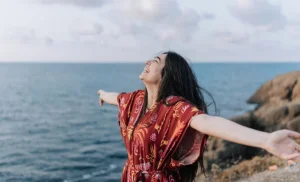
However, modern demographic trends indicate that the vast majority of the global population resides in urban areas characterized by concrete, asphalt, and high-density office environments. Urban planners and environmental psychologists note that city dwellers face sensory deprivation regarding natural stimuli. The natural pulse of the Earth is obscured beneath multiple layers of infrastructure; natural light cycles are disrupted by artificial illumination; and tactile engagement with the natural world—such as walking barefoot on soil or experiencing direct contact with flora—has become rare.
Public health analyses suggest that this disconnection from natural cycles contributes significantly to chronic stress, physical rigidity, and a diminished sense of spatial and somatic awareness. Yoga practitioners and somatic educators argue that practices like the Sun Salutation bridge this sensory gap, using the human body as a conduit to re-establish a conscious relationship with the earth below and the sky above.
Chronology and Historical Evolution of Sun Salutation
The origins of Surya Namaskar trace back centuries within Indian tradition, evolving from a series of devotional prostrations to the sun deity into a structured system of physical culture by the early 20th century. Promoted extensively by figures such as the Rajah of Aundh in the 1920s and later integrated into modern postural yoga by Krishnamacharya and his disciples, Sun Salutation transitioned from regional physical conditioning into a global cornerstone of hatha yoga practice.
By the time the foundational article was published in Yoga Journal in 1990, the West was experiencing a massive boom in yoga adoption, largely driven by urban professionals seeking stress relief from corporate environments. The text captured a pivotal transitional era in Western yoga culture: the shift from viewing yoga purely as a static, meditative discipline to understanding it as a dynamic, breath-integrated moving meditation. Over the subsequent decades, fitness and wellness industries have increasingly adopted breath-to-movement synchronization, validating the core premise that mindful transitions between postures yield superior physiological benefits compared to isolated, disjointed stretching.
Anatomy of the Breath in Movement
Traditionally, hatha yoga systems prescribe strict breathing protocols for the Sun Salutation, mapping specific inhalations and exhalations to upward and downward movements. Generally, opening, rising, or expanding movements correspond with inhalation, while closing, descending, or folding movements coincide with exhalation.
However, advanced movement analysis reveals that rigid adherence to breathing rules can sometimes induce muscular tension rather than relaxation. When practitioners consciously monitor their breath without forcing it, the respiratory pattern adapts naturally to the body’s innate intelligence. Complex movements or varying speeds within a sequence may require multiple breath cycles, challenging the notion of a universal, one-size-fits-all breathing cadence.
Beginners are historically advised to spend extended periods—sometimes a minute or more—within individual postures to warm the musculature and understand anatomical alignment before accelerating into a flowing sequence. By gradually reducing the duration of each hold, practitioners transition from a static holding pattern to a dynamic, rhythmic meditation.
Foundational Movements: Mountain Pose and Standing Forward Bend
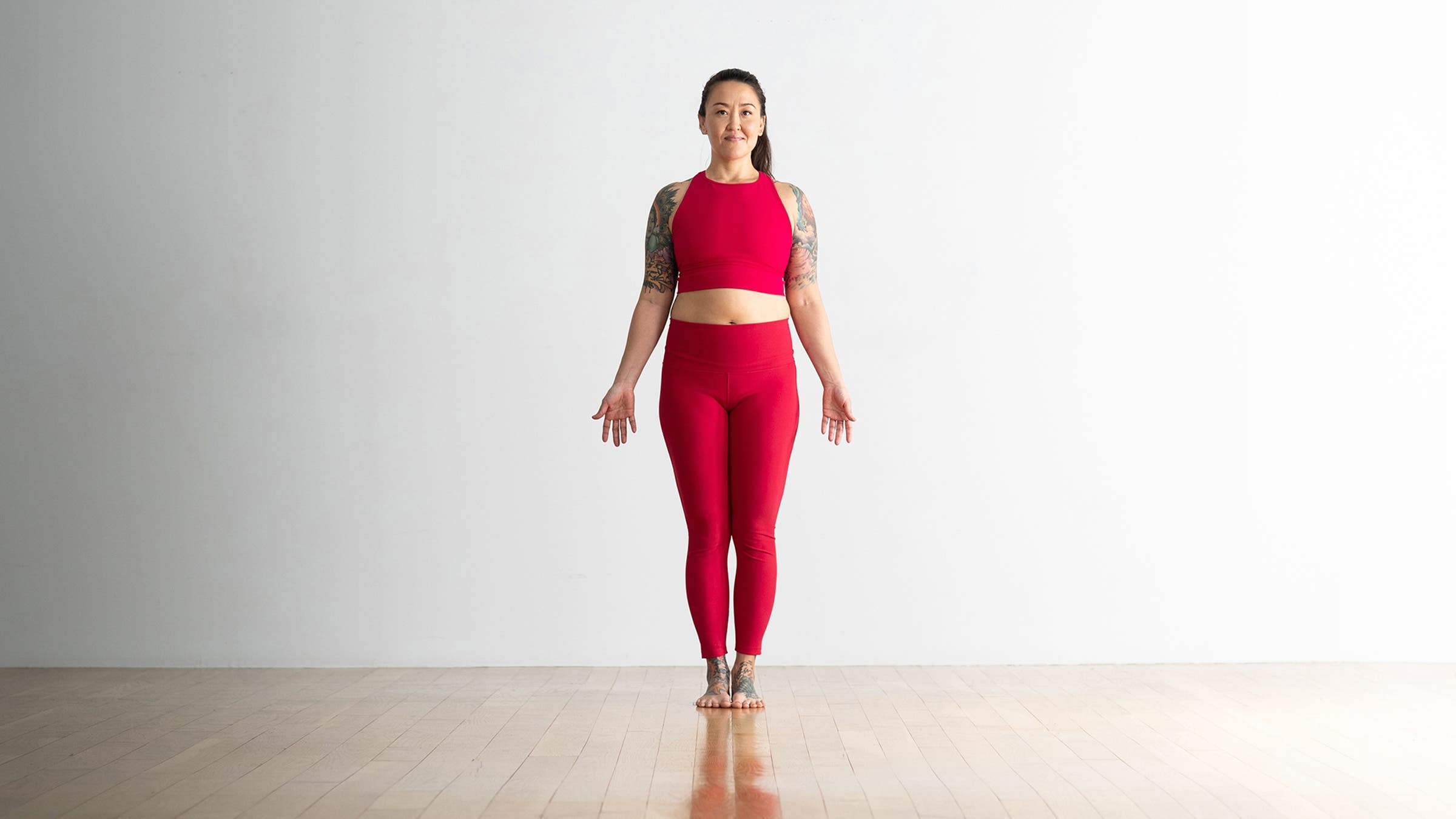
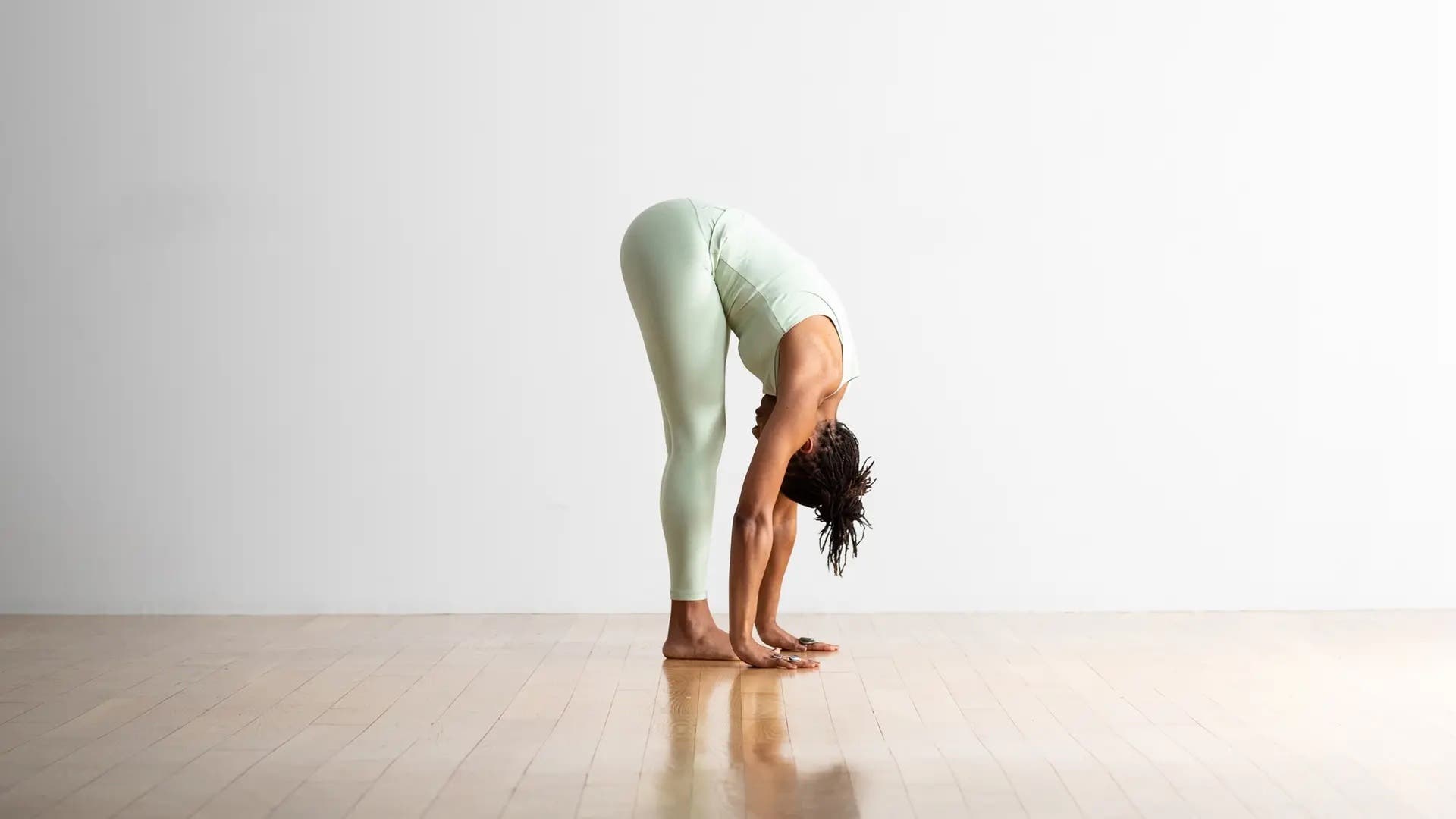
To master the fluid transitions of the Sun Salutation, practitioners must first establish bodily awareness in fundamental postures, specifically Tadasana (Mountain Pose) and Uttanasana (Standing Forward Bend).
In Mountain Pose, practitioners stand with feet hip-width apart, observing how the breath expands outward from the body’s center into the abdomen, rib cage, and chest. Physiological observation reveals subtle, involuntary movements: the lower back naturally arches slightly during inhalation and flattens during exhalation. Modern somatic research indicates that chronic abdominal gripping or gluteal tension often blocks these natural micro-movements, resulting in somatic rigidity. Releasing this muscular holding allows the breath to circulate freely, subtly broadening the shoulders with each inhalation.
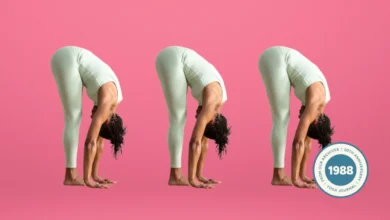
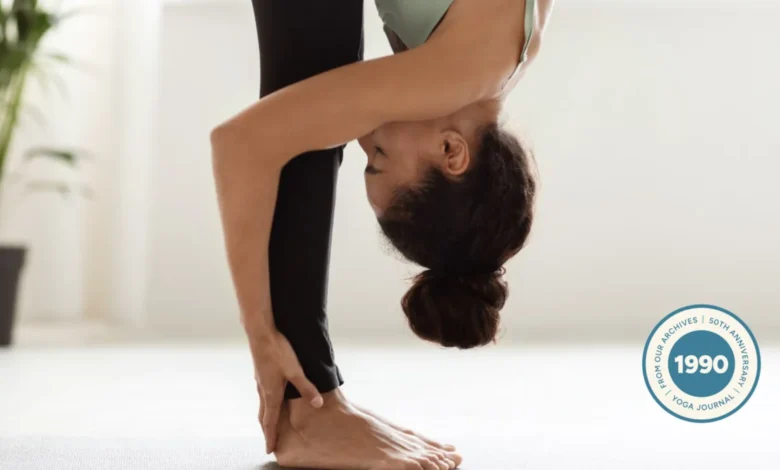
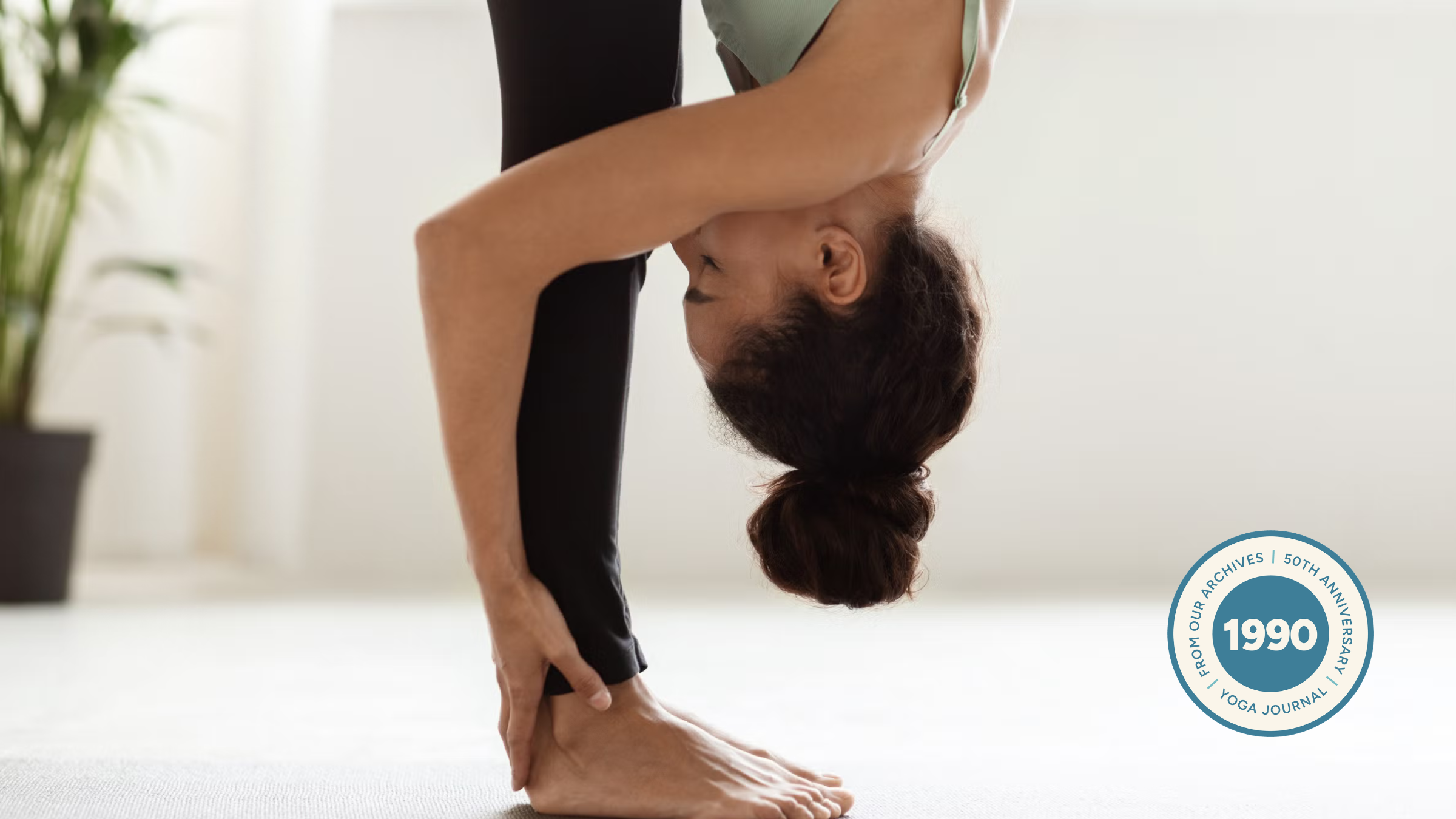
Transitioning into a Standing Forward Bend involves folding at the knees and hips on an exhalation, permitting the spine to round naturally as gravity draws the upper body downward. The subsequent return to Mountain Pose relies on kinetic rebound rather than brute muscular force. By pressing the feet firmly into the floor, the practitioner initiates a chain reaction where the legs straighten, and the pelvis, spine, chest, neck, and head unfold sequentially. This methodology minimizes excessive strain on the cervical and lumbar spine, promoting efficient biomechanics.
Downward-Facing Dog and Spinal Integration
Another critical foundational component within the Sun Salutation cycle is Adho Mukha Svanasana (Downward-Facing Dog Pose). Transitioning from a kneeling position, practitioners utilize breath-led mechanics to shift body weight dynamically. Pushing forward with the feet during inhalation deepens the spinal curve, while pressing back with the hands on an exhalation rounds the spine toward the heels.
When evolving this movement into Downward-Facing Dog, the practitioner presses the floor away, straightening the arms, lengthening the spine, and extending the legs. By alternating between folding and unfolding movements—bending and straightening the elbows and knees without locking joints—practitioners prevent the posture from becoming a rigid, static hold. This continuous feedback loop between breath and structural alignment transforms a potentially stressful upper-body exercise into a dynamic, sustainable posture.
Biomechanical Analysis and Implications for Injury Prevention
From a kinesiological perspective, the Sun Salutation cycle places significant demands on upper-body strength, core stability, and hamstring flexibility. Without adequate muscular conditioning, transitioning rapidly through postures can compress the spinal column and overload the wrists and shoulders.
Industry experts and physical therapists emphasize that the primary challenge of the Sun Salutation lies not in the final expression of individual postures, but in the transitional movements that link them. When a practitioner pauses mechanically between poses—akin to the ticking hand of a clock—the sequence loses its therapeutic and cardiovascular fluidity. Conversely, maintaining a continuous, fluid rhythm—often visualized metaphorically as moving underwater against gentle resistance—distributes physical load evenly across the kinetic chain.
Broader Impact and Modern Relevance
The enduring relevance of the 1990 archival analysis highlights a fundamental paradox of modern health: while fitness trackers and biometric monitors measure every micro-movement of daily life, individuals remain largely alienated from their internal biological rhythms.
Sports science and holistic health practitioners continue to advocate for breath-integrated movement as an antidote to urban fatigue. By treating the Sun Salutation as a physical manifestation of natural cycles—birth and death, expansion and surrender—practitioners cultivate somatic awareness that extends far beyond the yoga mat. As urban populations continue to grow, the integration of breath, mindfulness, and biomechanical fluidity remains an essential tool for physiological resilience and psychological well-being.
Related posts: