Shifting Perspectives: How Internal Organ Awareness Transforms the Practice of Seated Spinal Twists in Modern Yoga

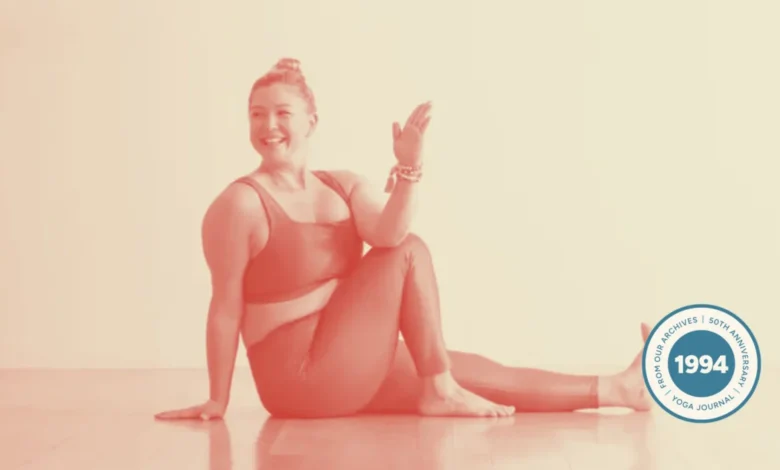
The evolution of yoga practice in the West has long been characterized by a distinct biomechanical bias, heavily prioritizing the superficial layers of the body—specifically the musculoskeletal system—over the subtle, internal architecture that traditional Eastern practices have honored for centuries. Published originally in the March-April 1994 issue of Yoga Journal, archival insights from veteran instructors challenge practitioners to fundamentally reevaluate how movement is initiated. By shifting the vantage point of awareness from the outer muscular envelope to the inner visceral container, practitioners can significantly alter the physiological and psychological outcomes of complex asanas, such as the Pose Dedicated to the Sage Marichi (Marichyasana III). This analytical overview examines the physiological implications, historical context, structural methodology, and broader impacts of integrating visceral and spinal awareness into seated spinal twists.
Background Context and Historical Evolution
For decades, modern physical culture and Western wellness paradigms have viewed movement through a strictly mechanical lens. Muscles pull, bones act as levers, and joints facilitate range of motion. This localized perspective often reduces human anatomy to a two-dimensional sketch, largely ignoring the volume, texture, and functional vitality of internal organs. Historical records indicate that ancient yogis engaged in a completely different somatic research project. Rather than cataloging the operational state of hamstring flexibility or shoulder mobility—elements largely absent from classical Sanskrit texts—early practitioners explored how asanas, pranayama, and meditation systematically stimulated, purified, or sedated the deep energy currents within the body.
These ancient traditions recognized that the health of superficial structures is directly dependent upon the vitality of deep visceral systems. When modern practitioners approach a seated twist using only muscular force and skeletal leverage, they frequently bypass the soft inner contents of the torso. This mechanical approach not only increases the risk of micro-trauma to the spine and surrounding soft tissues but also disconnects the individual from the emotional and energetic epicenter of the core.
Physiological Implications of Visceral Awareness
The human torso functions structurally as a pair of concentric cylinders: the outer musculoskeletal container enclosing the soft internal organs. The visceral system—encompassing the heart, lungs, stomach, liver, intestines, kidneys, and reproductive organs—represents the physical seat of deep emotions and autonomic regulation. Visceral awareness brings volume and a sense of ripe fullness to movement.
When an individual initiates a spinal twist from the musculoskeletal level alone, the mind acts as a master manipulator, treating the body like a puppet on a string. Conversely, when awareness is directed toward the internal organs, the movement seems to arise from the deepest self, eliminating the psychological duality between a mind "doing something" to a passive body.
Furthermore, directing conscious attention to internal structures has measurable physiological effects. Similar to how visualization techniques can stimulate electrical activity within muscle tissue without requiring active contraction, focusing mental attention on visceral organs helps tone and stimulate these deep structures. Twisting movements inherently compress, elongate, and massage the abdominal and thoracic organs, promoting enhanced circulation and lymphatic drainage when performed with internal sensitivity rather than external force.
Chronology and Step-by-Step Methodology for Seated Twists
Integrating inner body awareness into a physical practice requires a progressive methodology, moving from preliminary somatic exercises to beginner adaptations and finally advanced spinal navigation.
Preliminary Somatic Preparation

Adapting principles popularized by somatic educators such as Bonnie Bainbridge Cohen, practitioners begin by neutralizing external distractions. Sitting in a comfortable cross-legged position on a supportive cushion or blanket, the practitioner closes the eyes and settles into the breath.
- Visualizing the concentric cylinders: Observe the soft internal organs encased within the harder musculoskeletal framework. Notice how the inhalation and exhalation naturally swell from this deep core outward.
- Mapping the viscera: Systematically bring awareness to the location of major organs—the heart and lungs in the chest; the stomach, liver, and intestines in the abdomen; the kidneys flanking the spine; and the pelvic viscera.
- Comparative side-bending: Execute a gentle side bend initiated purely from skeletal leverage, then repeat the movement while consciously initiating the action from the elongation and compression of the underlying organs. Documenting these shifts reveals distinct differences in movement quality and range.
Beginner Practice: Modified Seated Twists
One of the primary structural obstacles in seated twists is the inability to maintain an upright spinal column due to tight hamstrings pulling on the base of the pelvis.
- Folded-Leg Variation: To deactivate the hamstrings and allow the pelvis to pivot upright, practitioners begin seated cross-legged on an elevated blanket. With the right shin vertical and the sole of the foot aligned with the left ankle, a full inhalation expands the abdomen. On the exhalation, the abdomen rolls to the right, guiding the belly back toward the spine while the left elbow rests outside the right knee. The breath is used to oscillate the torso gently, encouraging thoracic mobility without muscular strain.
- Extended-Leg Wall Variation: Extending both legs forward while maintaining an erect posture—using a blanket under the sitting bones if necessary—allows for engagement with the floor. Pressing the right foot and the left leg downward creates a grounded rebound of energy up through the bones and soft organs. As the torso twists, the opposing arm acts merely as a guide rather than a dictator, preventing the shoulder from elevating toward the ear and respecting the natural yield of the inner body.
Advanced Practice: Navigating the Spinal Cord
Advanced application requires focusing on the central nervous system itself—specifically the brain, brain stem, and spinal cord running continuously through the vertebrae.
- Anatomical Visualization: Picture the spinal cord as the tail of the brain, with individual vertebrae acting as beads threaded along its length, matching the natural cervical, thoracic, and lumbar curves of the spine.
- Assessing Spinal Pressure: Scan the spine for areas of compression or areas where vertebrae feel rigid and fused. Using the breath like a gentle hand rearranging delicate antique furniture, glide the vertebrae smoothly over the spinal cord.
- Executing Marichyasana III: From Dandasana, bend the left knee and place the heel in line with the sitting bone. Initiate the twist from the level of the spinal cord to avoid sensory nerve irritation along the outer spinal sheath. Once the chest faces the left knee, practitioners may integrate the hand lock, ensuring that the front of the abdomen remains open and the breath actively shapes the internal organs rather than collapsing the spine under brute mechanical force.
Statements and Expert Analysis
Leading somatic therapists and long-term yoga educators emphasize that the dichotomy between outer-body dominance and inner-body listening reflects a broader cultural tension. In modern fitness environments, quantifiable metrics—such as touching the toes, twisting deeper, or holding advanced shapes—frequently overshadow qualitative internal experiences.
Biomechanics experts note that when external leverage forces a spinal rotation past the physiological capacity of the visceral and supportive soft tissues, spinal shear forces increase exponentially. This often explains why practitioners experience lingering backaches or joint irritation following intensive asana classes. By recalibrating the nervous system to listen to visceral feedback, practitioners naturally establish a self-limiting boundary that protects anatomical structures while optimizing functional mobility.
Broader Impact and Implications for Modern Practice
The archival insights from 1994 continue to hold profound implications for contemporary yoga instruction, physical therapy, and somatic education. By bridging the gap between Western anatomical understanding and traditional Eastern somatic inquiry, practitioners cultivate a more holistic relationship with movement.
Ultimately, the persistent drive to "get somewhere" in a yoga pose mirrors a deeper psychological longing for return—a movement away from fragmented, externalized striving and back toward the still, undivided core from which all vitality originates. Integrating organ and spinal awareness into standard asana routines transforms physical practice from a mechanical exercise in shape-making into an active meditation on anatomical wholeness, physiological health, and somatic integration.