A 15-Minute Beginner Yoga Flow Grounded in Fundamentals Offers Accessible Movement for Practitioners of All Levels

The modern wellness industry continues to experience a steady surge in demand for foundational, accessible fitness modalities that cater to busy lifestyles without compromising physical integrity. Addressing this widespread need, certified yoga instructor Taylor Lorenz—recognized digitally through her platform Taylor’s Tracks—has released a comprehensive 15-minute beginner yoga sequence. Backed by over 800 hours of specialized training across vinyasa, hatha, and yin traditions, Lorenz’s newly published routine emphasizes a return to core functional movements designed to accommodate varying degrees of flexibility and physical experience.
Published in November 2026, the instructional guide arrives at a time when health professionals increasingly advocate for low-impact, stress-reduction practices accessible to home environments. By integrating repetitive shapes, gentle spinal articulation, and accessible modifications, the sequence addresses common barriers to entry in physical fitness, such as perceived inflexibility or intimidation by complex postures.
Background Context and Industry Evolution
In recent years, the democratization of wellness has shifted public interest away from high-intensity regimens and toward sustainable, longevity-focused practices. Yoga, historically bound to dedicated studio spaces, has transitioned into a prominent fixture of home-based health routines. Industry analysts attribute this shift to rising stress levels, sedentary workplace habits, and a growing public awareness of functional mobility.
However, beginners frequently encounter hurdles when attempting standard yoga classes, which often lack the granular anatomical adjustments necessary for diverse body types. Instructors like Lorenz have responded by standardizing the inclusion of props—such as yoga blocks or household substitutes like thick books—to bridge the gap between rigid posture ideals and individual structural limitations. This pedagogical shift prioritizes internal physical feedback over aesthetic conformity, aligning with contemporary sports science and physical therapy guidelines.
Chronological Breakdown of the 15-Minute Practice
Lorenz’s routine is methodically sequenced to warm the central nervous system, lubricate major joints, and systematically cycle the spine through flexion, extension, lateral bending, and rotation.
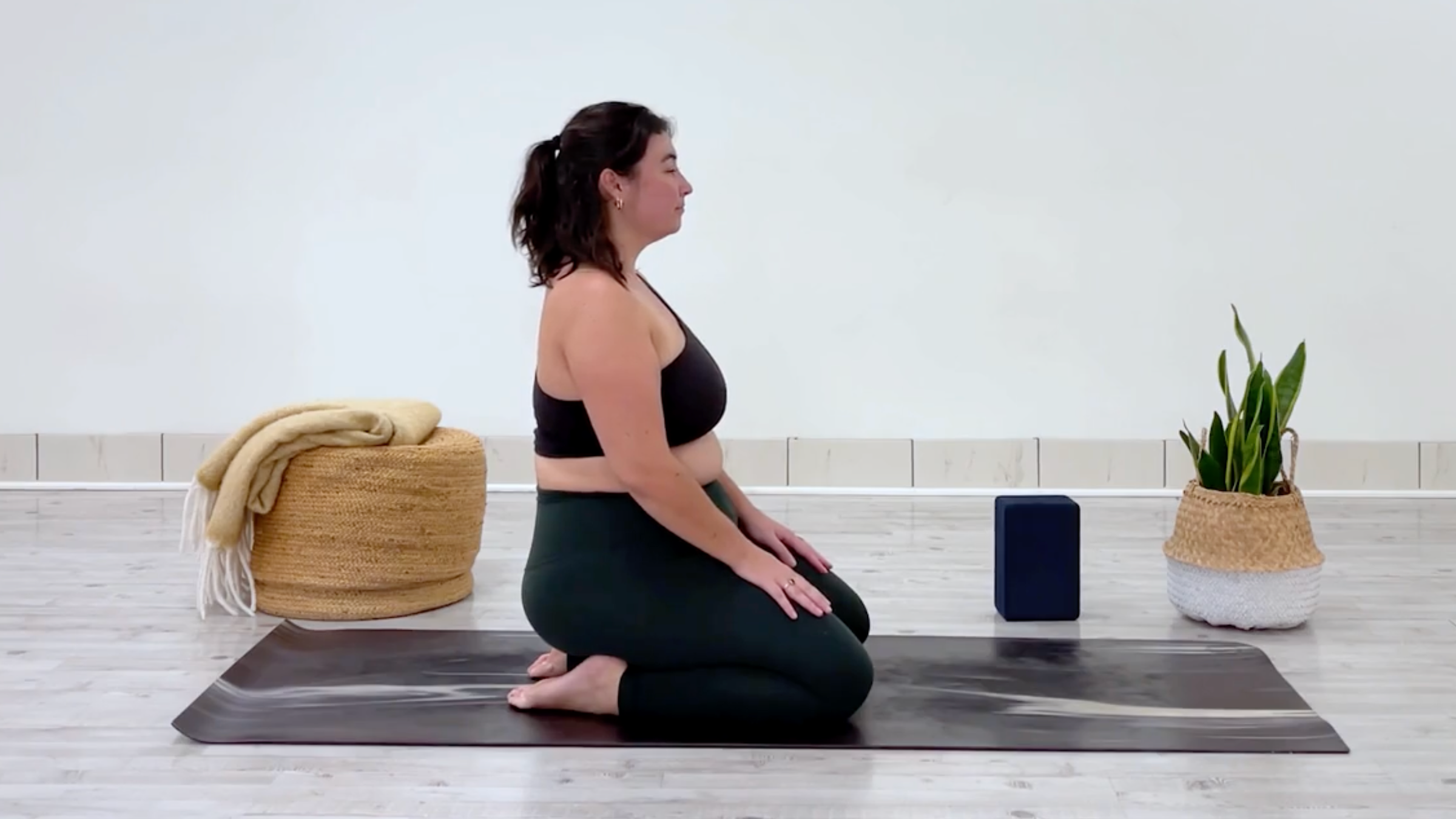
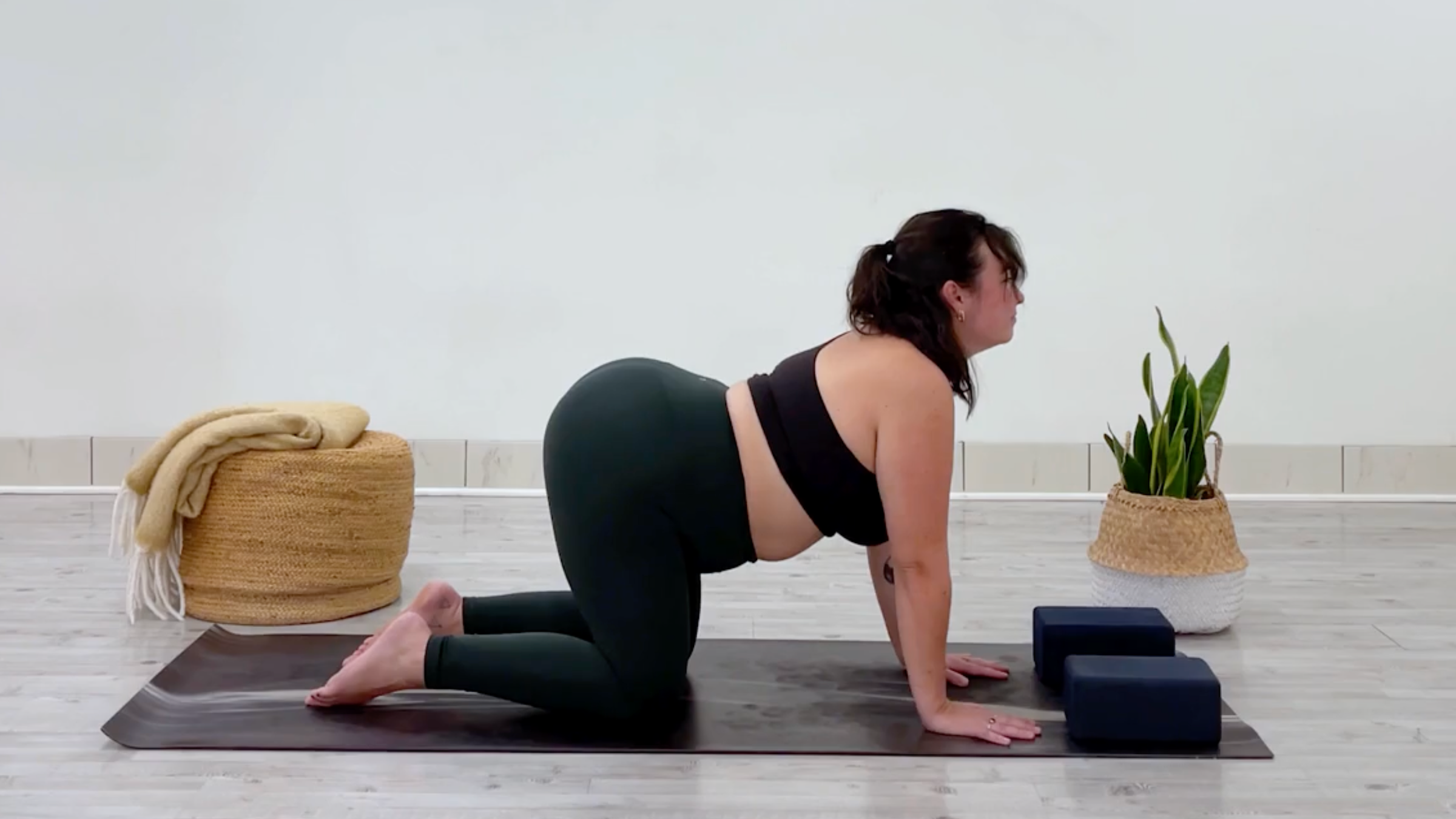
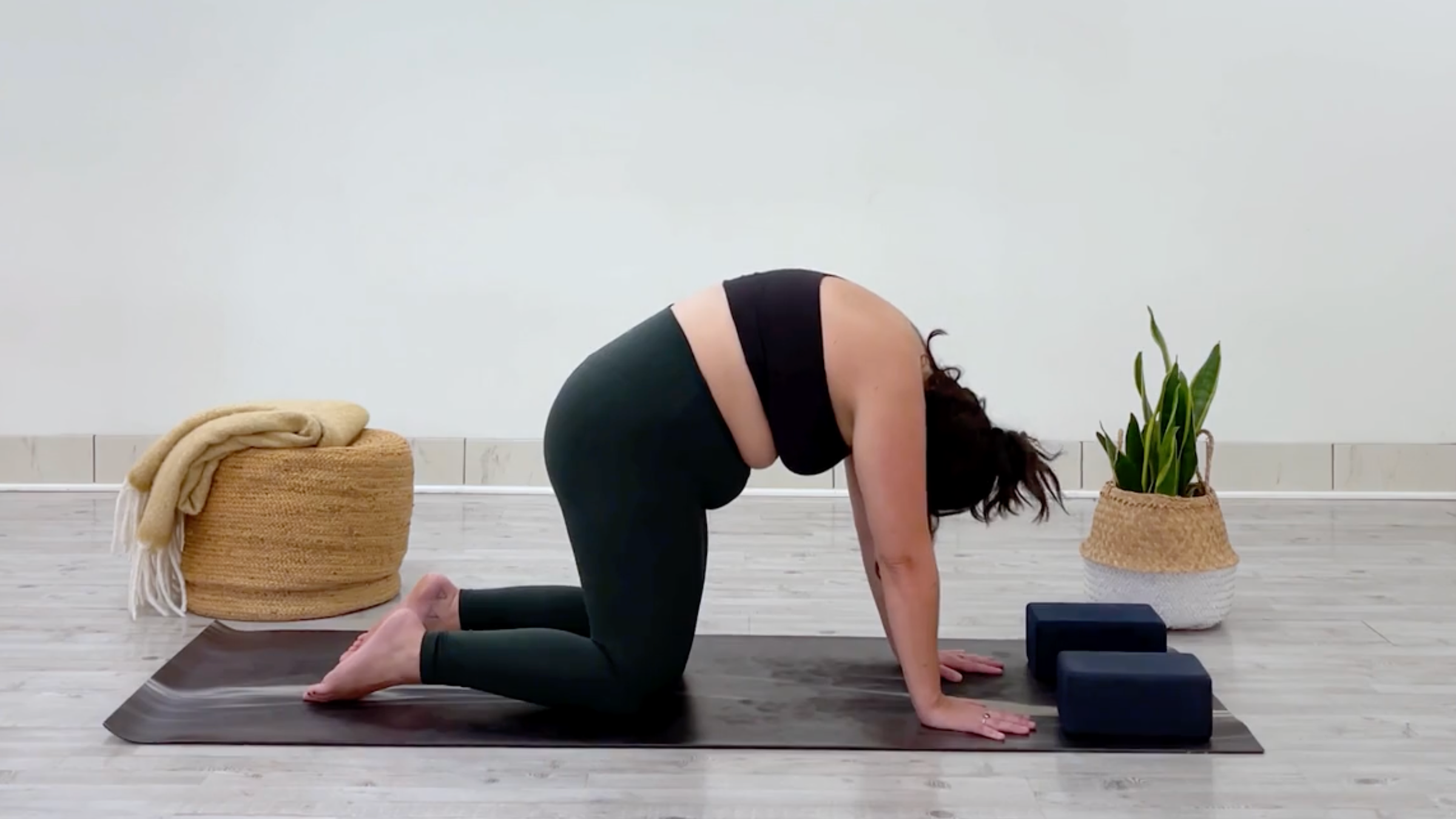
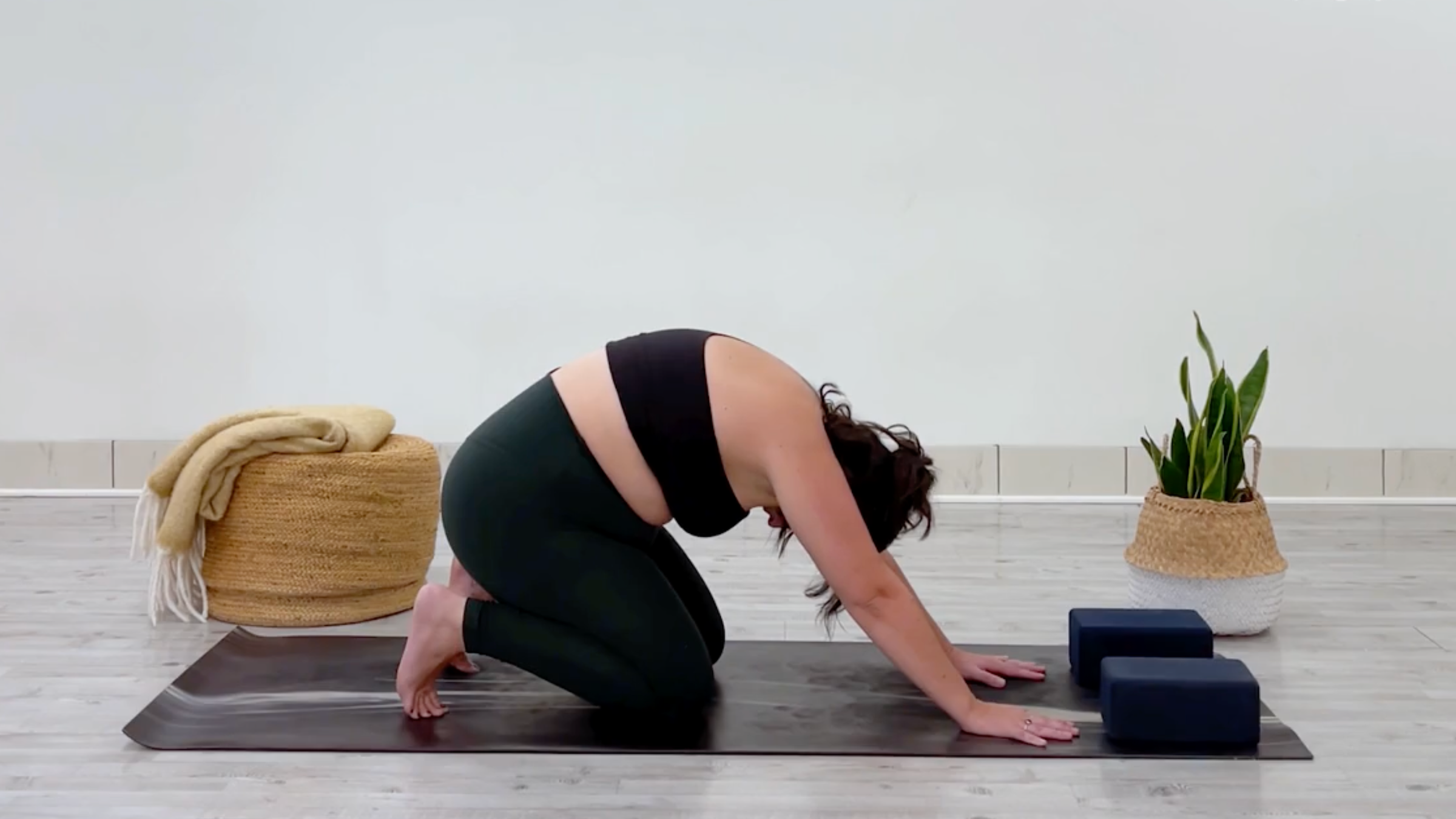
The practice initiates in Thunderbolt Pose (Vajrasana), a kneeling posture that targets the ankles, knees, and quadriceps. Recognizing that this shape can prove challenging for individuals with limited joint mobility, the instructor advises placing a block beneath the sit bones to alleviate pressure. After holding this grounding shape for a full minute, practitioners transition onto their hands and knees to execute alternating rounds of Cow Pose (Bitilasana) and Cat Pose (Marjaryasana). This undulating movement fosters spinal health by promoting synovial fluid circulation along the vertebrae.
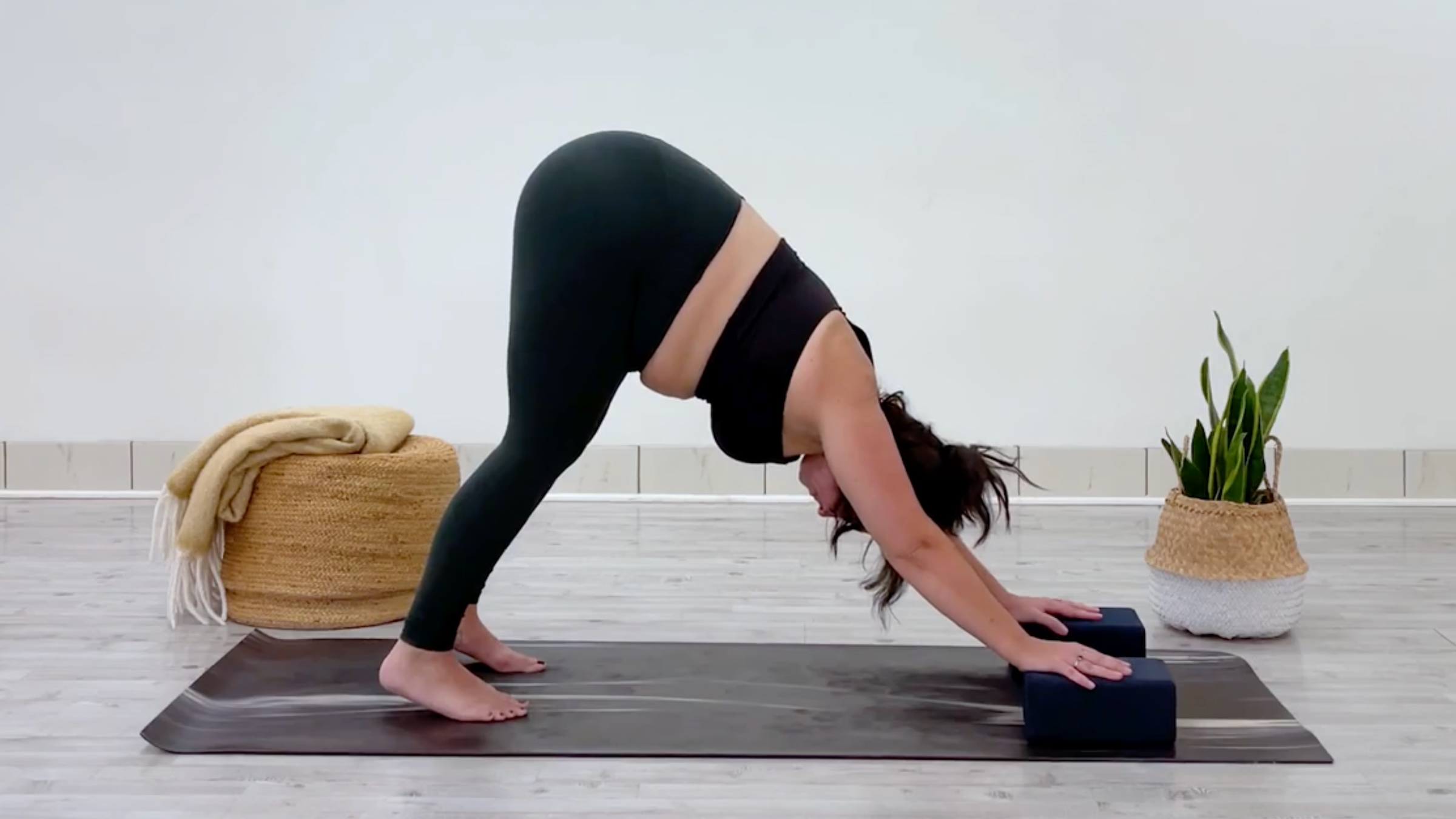
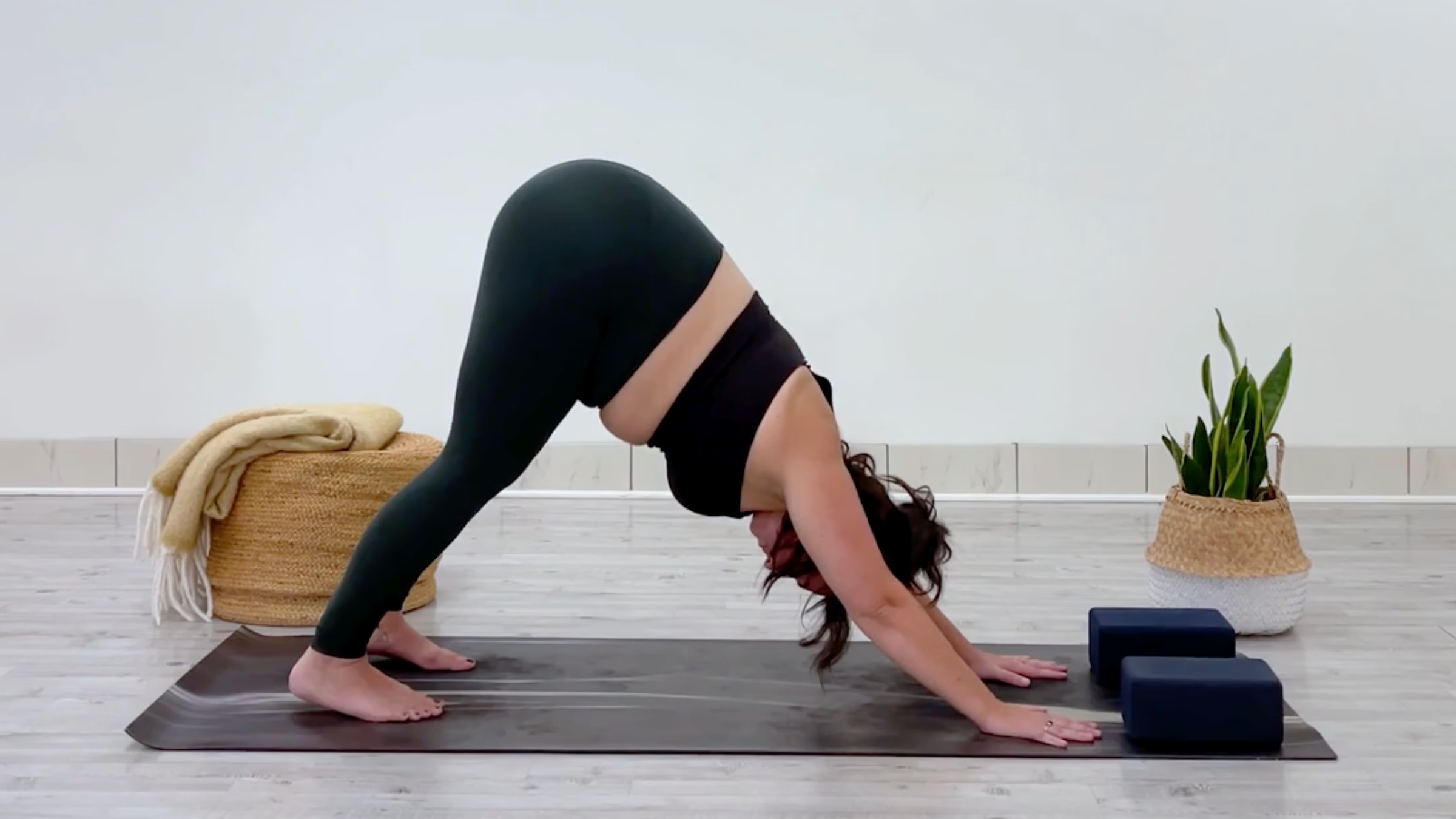
Progressing dynamically, the sequence moves from a Cat Pose variation into Downward-Facing Dog (Adho Mukha Svanasana), an inverted V-shape designed to lengthen the posterior chain, including the hamstrings and calves. Beginners are encouraged to maintain a generous bend in the knees and utilize blocks under the hands to mitigate lower back strain.
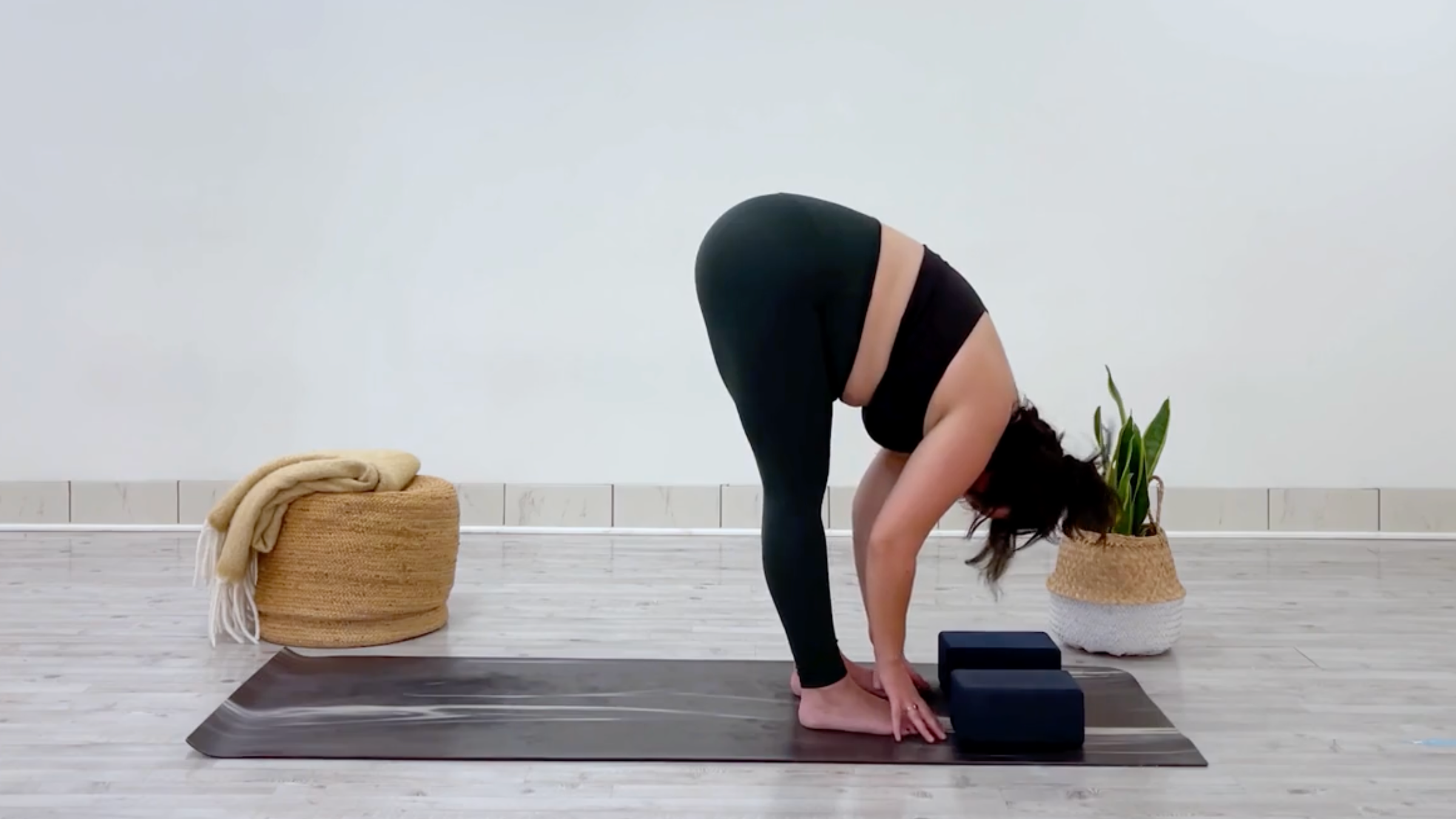
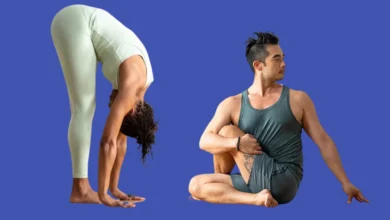
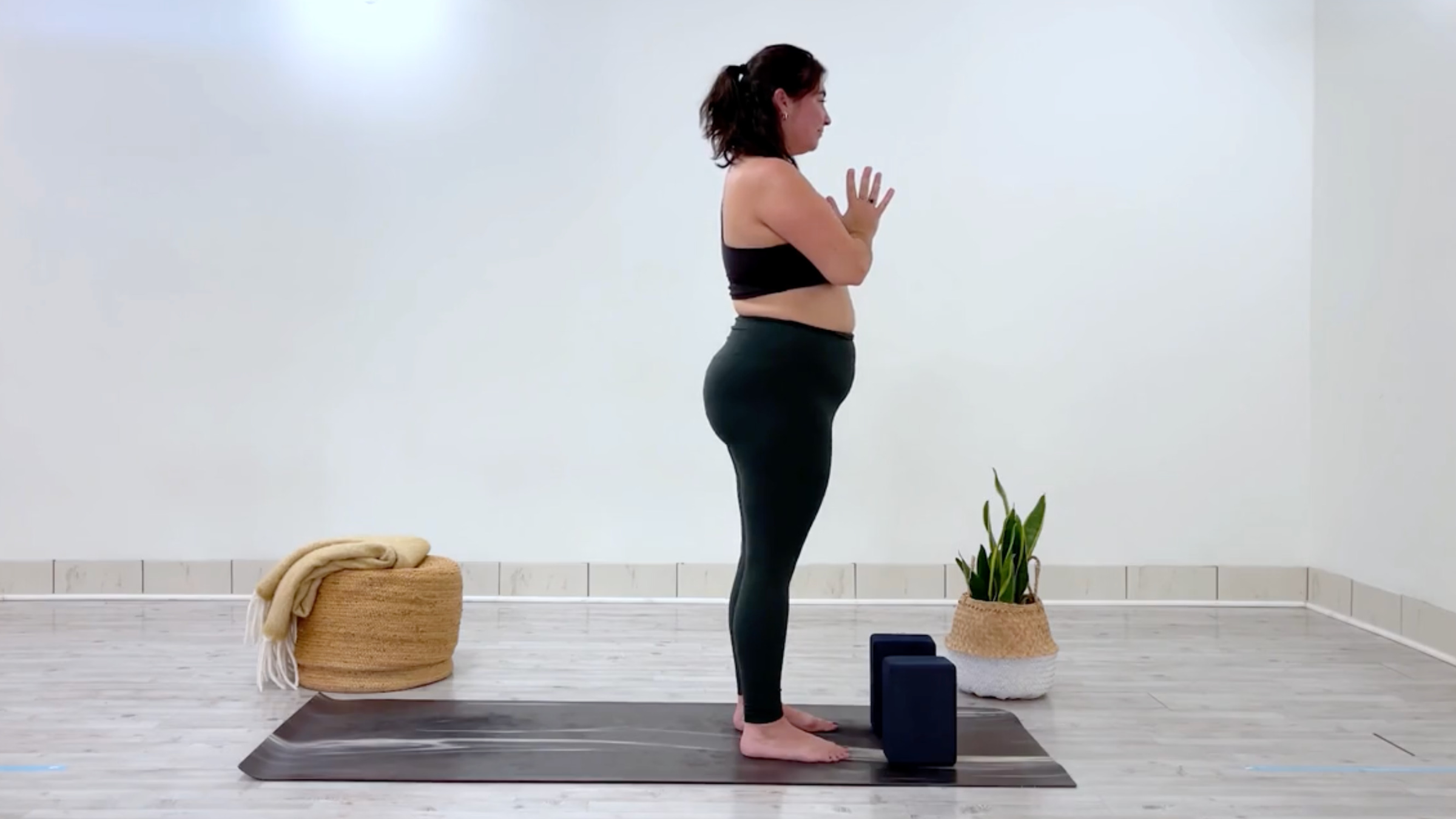
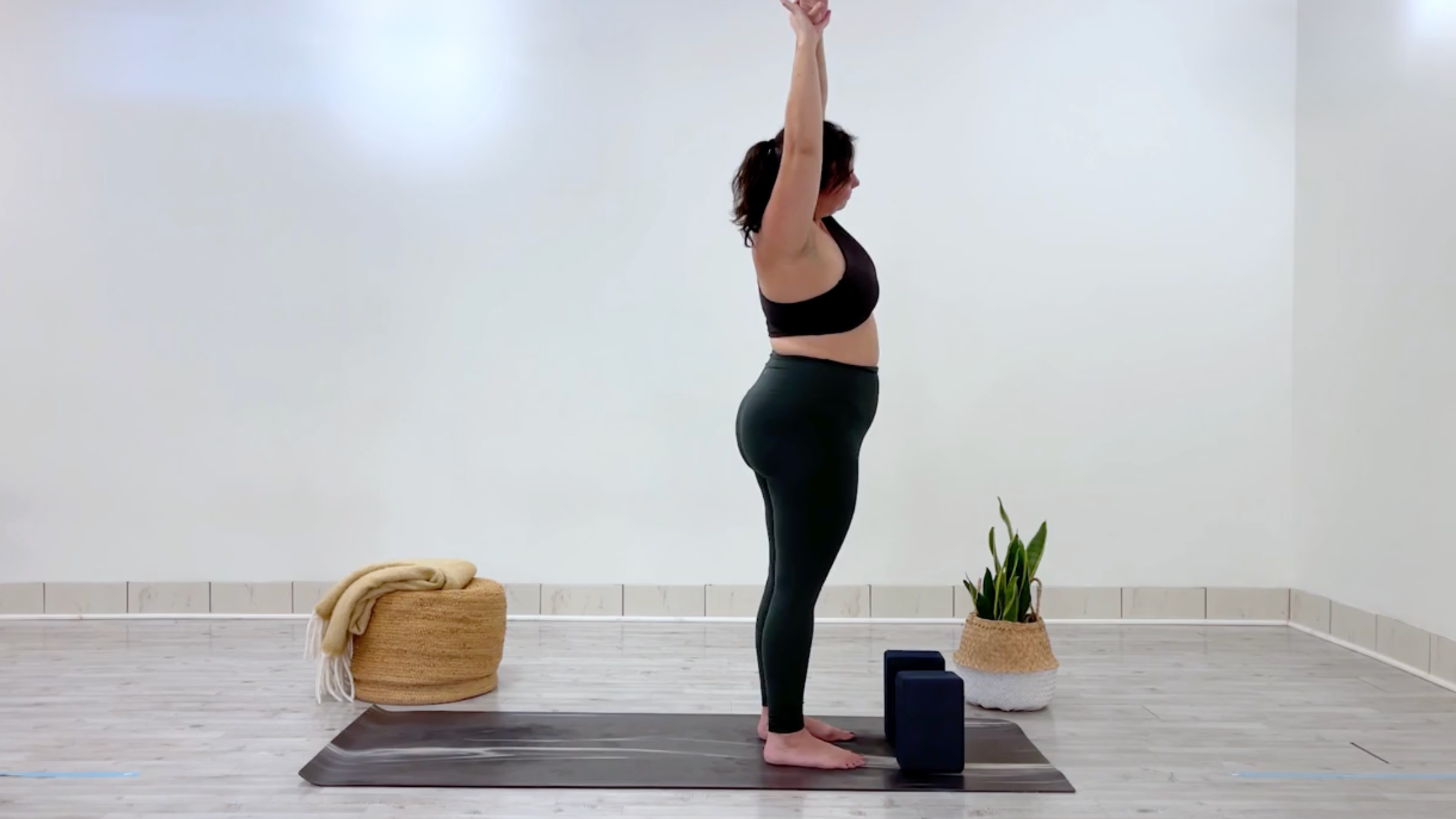
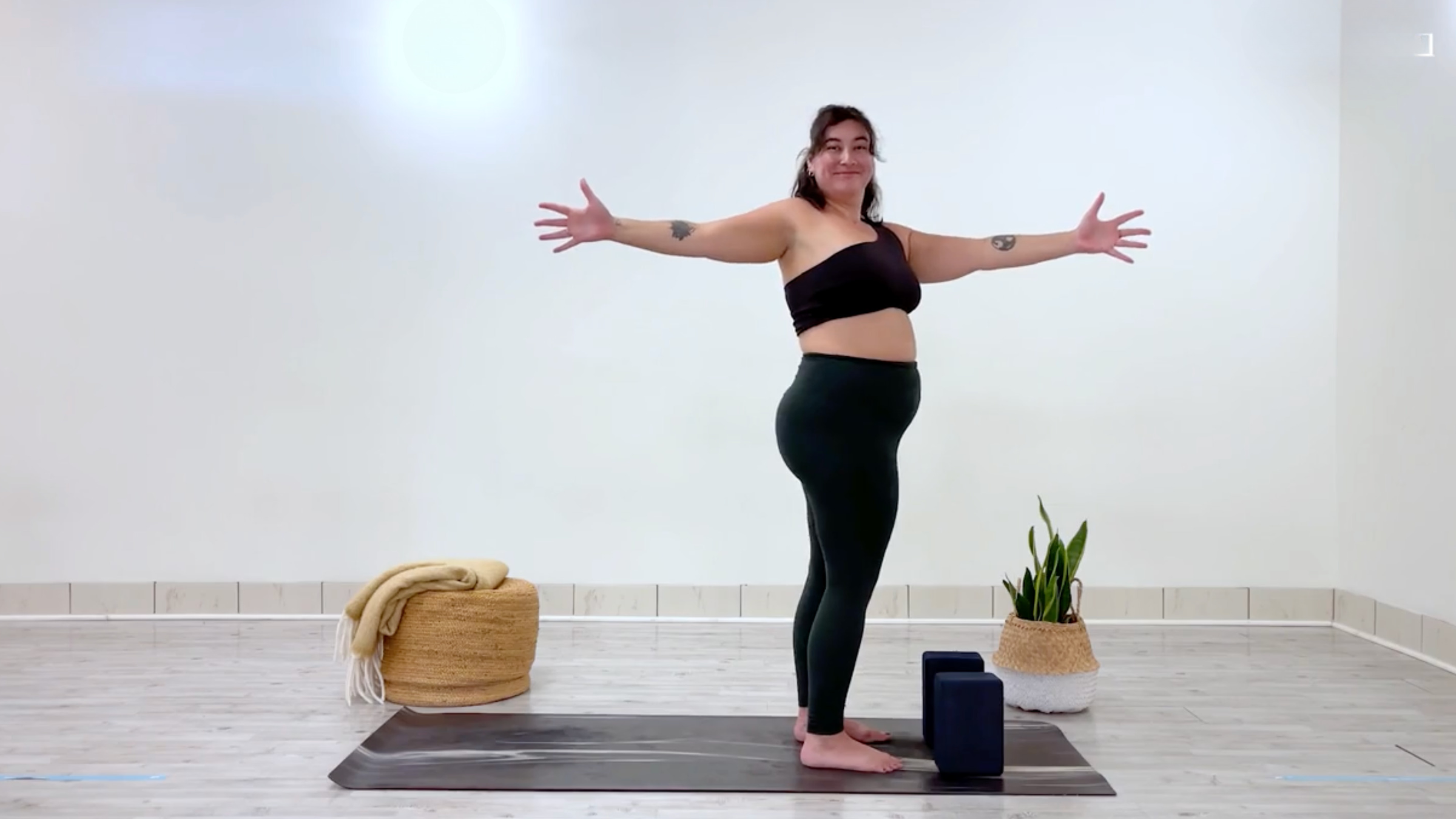
The flow then transitions to a standing series, moving through a Standing Forward Bend (Uttanasana) and a Halfway Lift (Ardha Ardhasana) before rising into Mountain Pose (Tadasana). From this stable foundation, practitioners execute a series of lateral movements, including a Standing Side Bend and a Standing Twist, which target the intercostal muscles and thoracic spine.
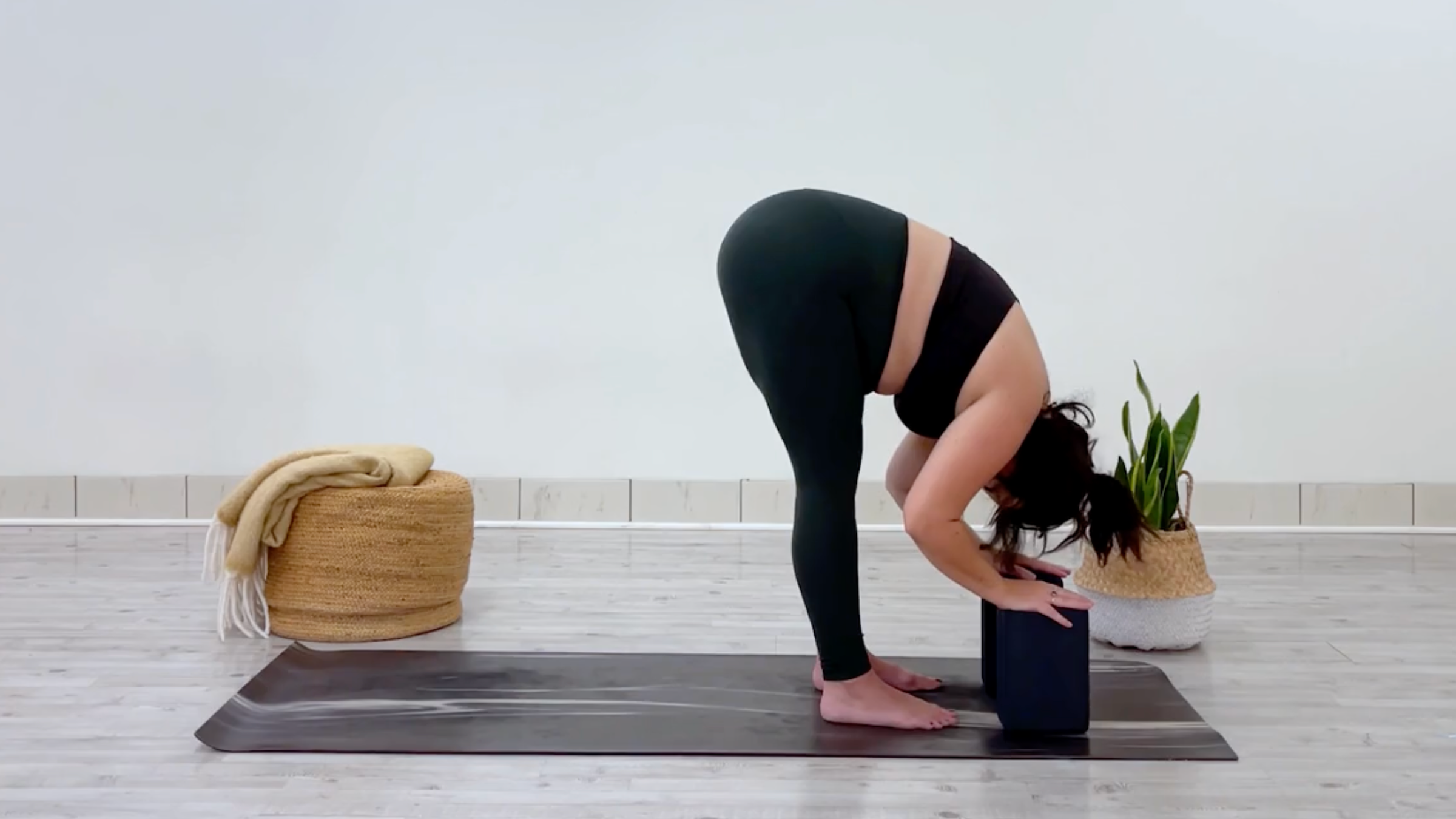
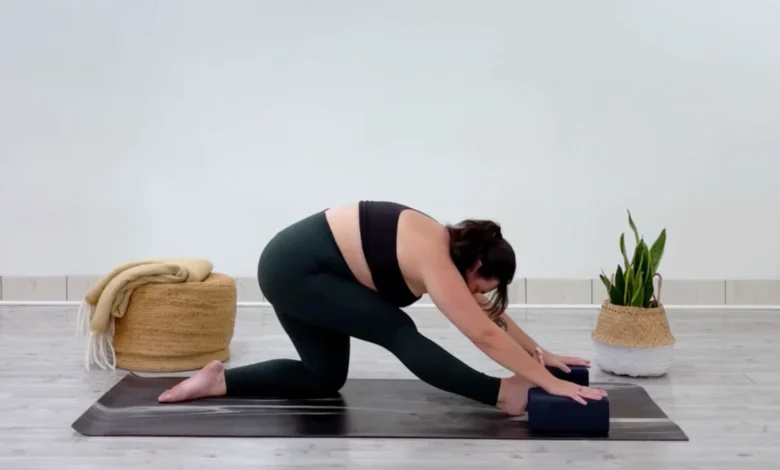
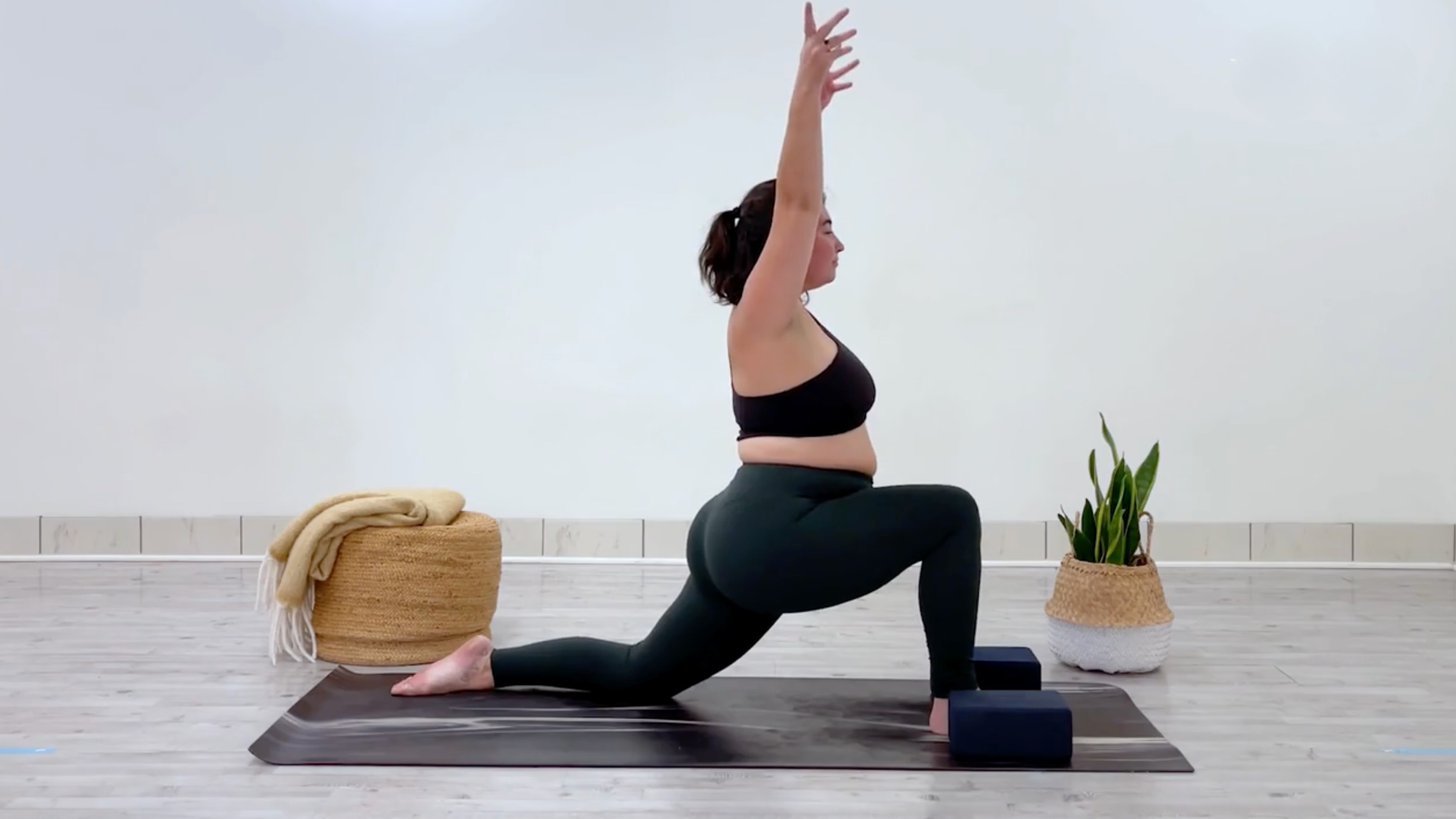
Re-entering the mat via a forward fold and Downward-Facing Dog, the sequence introduces unilateral lunge variations. Beginning with a Low Lunge (Anjaneyasana), practitioners incorporate side bends and rotational twists before shifting backward into Half Splits (Ardha Hanumanasana) to target the hamstrings. After mirroring these movements on the opposite side, the flow incorporates Chair Pose (Utkatasana), High Lunge variations, and a modified Pyramid Pose (Parsvottanasana) to build lower-body endurance and balance.
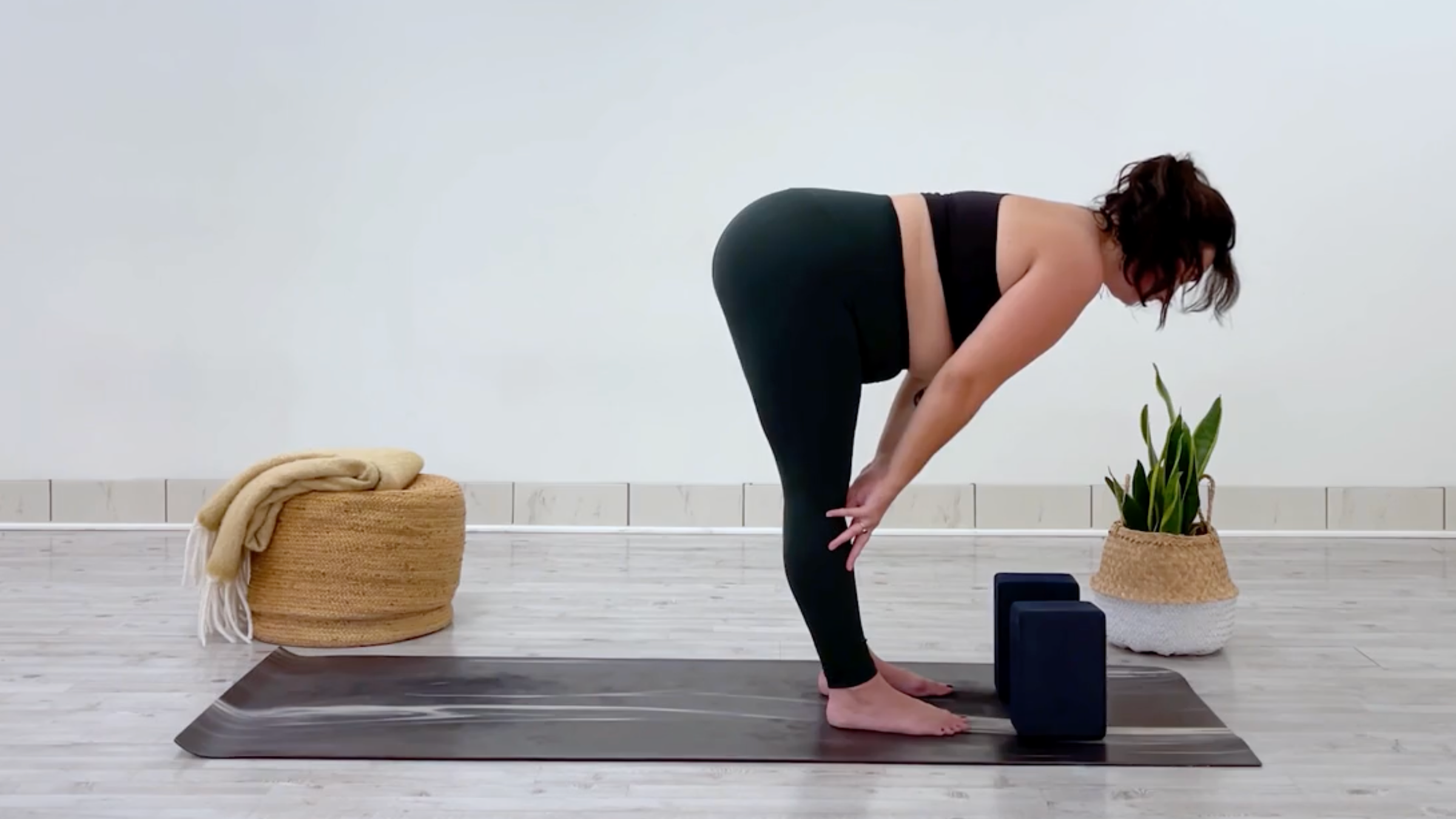
The practice concludes with a return to the floor, utilizing Bound Angle Pose (Baddha Konasana) to open the hips before settling into Savasana (Corpse Pose) for a period of integration lasting three to five minutes. The session closes with a seated meditation, encouraging practitioners to acknowledge their physical efforts.
Physiological Implications and Expert Analysis
Sports medicine specialists and kinesiologists frequently emphasize the value of foundational movement patterns embedded within Lorenz’s sequence. Spinal articulation—demonstrated through the Cat-Cow pairings and rotational twists—helps counteract the postural deviations associated with prolonged sitting, a ubiquitous occupational hazard in modern labor markets.
Furthermore, the strategic integration of props validates a core tenet of modern physical education: accessibility enhances compliance. When practitioners utilize blocks to modify forward folds or lunges, they reduce the risk of acute strain while maintaining the intended therapeutic stimulus of the pose. This reduction in injury risk is particularly crucial for novice populations, whose neuromuscular coordination and joint stability are still developing.
Broader Impact and Future Outlook
The release of structured, low-barrier routines highlights a broader commercial and cultural trend toward inclusive fitness programming. As digital wellness platforms proliferate, instructors face heightened expectations to provide equitable content that serves not only elite athletes or highly flexible individuals but also aging populations, rehabilitation patients, and sedentary beginners.
By stripping yoga practice down to its fundamental mechanics and emphasizing autonomous body-listening, Lorenz’s 15-minute routine reflects a maturation in how movement culture communicates health and wellness. As public health initiatives increasingly focus on preventative care and mental health integration, accessible home practices like this one are expected to remain a vital tool in personal wellness management.