How to Relieve Neck and Shoulder Tension Through Mindful Yoga and Corrective Movement

The modern professional landscape has birthed a physical crisis defined by sedentary habits, prolonged screen time, and the pervasive postural syndrome now widely categorized by medical professionals as "tech neck." As remote work and digital dependency continue to reshape the average workday, epidemiological data suggests that neck and shoulder pain have become one of the most common musculoskeletal complaints in industrialized nations. Studies from the World Health Organization and various occupational health boards indicate that approximately 30% to 50% of the adult population experiences neck pain at some point during any given year, with office workers representing the highest risk demographic.
The anatomy of this issue is complex. The human head, weighing roughly 10 to 12 pounds in a neutral position, exerts significant force on the cervical spine when tilted forward. Research shows that for every inch the head shifts forward, the weight of the head on the neck effectively doubles due to gravitational leverage. Over time, this mechanical strain leads to muscle fatigue, trigger points, and a breakdown in postural integrity. When combined with the psychological stress of high-pressure work environments, the sympathetic nervous system triggers a chronic "fight or flight" response, causing the trapezius and levator scapulae muscles to remain in a state of constant, subconscious contraction.
The Chronology of Tension Development
The development of chronic upper-body discomfort is rarely an acute event; rather, it is a cumulative process.
- The Initial Phase (Habitual Adaptation): This occurs during the first few years of consistent desk-bound work. The body begins to adapt to a sedentary posture, characterized by rounded shoulders and a forward-leaning head.
- The Symptomatic Phase (Early Discomfort): Periodic tightness in the neck and shoulders manifests during or after work hours. This is often ignored or treated with temporary measures like over-the-counter analgesics.
- The Chronic Phase (Reduced Mobility): Structural changes in the connective tissue and muscle fibers occur. Individuals may experience tension headaches, reduced range of motion in the neck, and pain that radiates into the upper back or down the arms.
- The Intervention Phase (Corrective Movement): The implementation of targeted therapeutic modalities, such as yoga or physical therapy, is introduced to restore biomechanical balance.
Scientific Justification for Therapeutic Movement
Medical literature increasingly supports the use of yoga as a cost-effective, non-pharmacological intervention for musculoskeletal pain. A longitudinal study published in the Journal of Occupational Health demonstrated that employees who participated in a structured, 15-minute daily stretching routine experienced a 25% reduction in self-reported neck and shoulder pain over a six-month period.

The efficacy of these movements lies in the concept of "reciprocal inhibition." By mindfully lengthening the tightened muscles—such as the pectoralis minor and upper trapezius—the opposing muscle groups are signaled to relax. Furthermore, the integration of diaphragmatic breathing during these stretches modulates the autonomic nervous system. By shifting the body from a sympathetic (stress-dominant) state to a parasympathetic (rest-and-digest) state, the involuntary guarding of the neck muscles is effectively bypassed.
Core Corrective Protocols
To mitigate the effects of desk-induced strain, physical therapists and yoga practitioners often recommend a series of targeted stretches designed to decompress the cervical and thoracic regions.
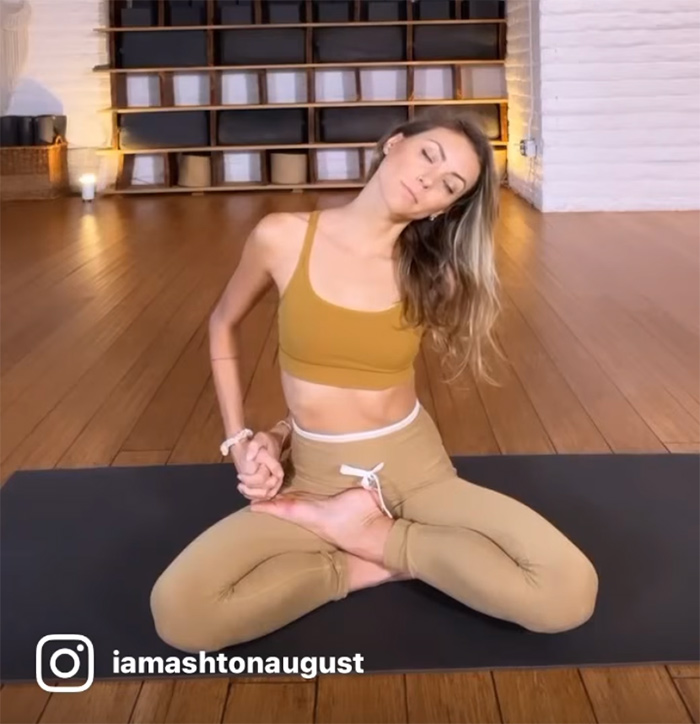
The Lateral Cervical Stretch
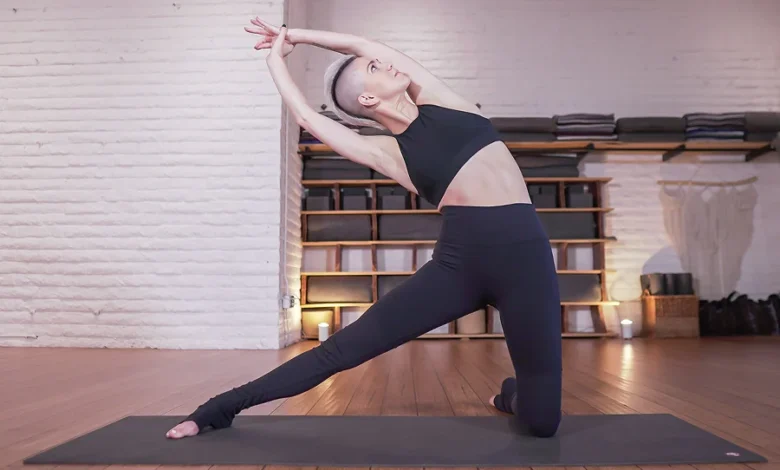
This movement targets the sternocleidomastoid and upper trapezius. By anchoring one hand behind the back, the practitioner creates a fixed point that facilitates a deeper, controlled stretch across the lateral chain. This movement is essential for those who spend the majority of their day with shoulders elevated toward the ears—a common reaction to workplace stress.
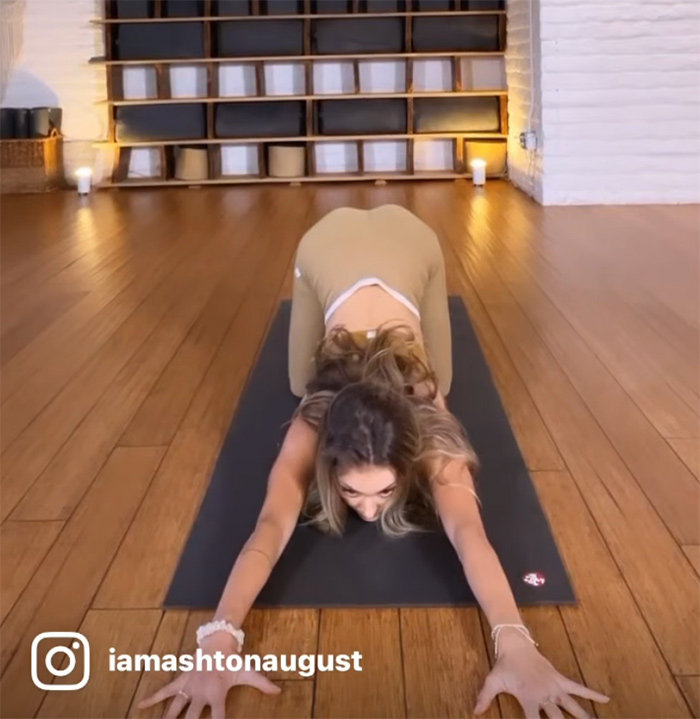
The Modified Puppy Pose
While traditional Puppy Pose focuses on the thoracic spine, adding a subtle chin tuck shifts the focus to the suboccipital muscles at the base of the skull. This is critical for reversing the "tech neck" trajectory, as it helps realign the cervical spine over the thoracic cavity, effectively reducing the pressure exerted on the vertebrae.
Thoracic Rotation via Seal Pose
The thoracic spine is intended to be the most mobile part of the upper back; however, it often becomes the most rigid due to slumped posture. The use of "shoulder dips" while in a modified Seal Pose encourages rotational mobility, which is necessary to prevent the shoulder blades from "winging" or sticking to the rib cage.
Supporting Data and Occupational Health Implications
The broader implications of this trend extend beyond individual comfort. Employers are increasingly observing a correlation between musculoskeletal health and overall worker productivity. Data from the Bureau of Labor Statistics consistently identifies musculoskeletal disorders as a leading cause of workplace absenteeism.
Industry analysts suggest that companies providing wellness resources—such as ergonomic assessments, standing desks, and structured movement breaks—see a measurable return on investment through reduced healthcare costs and lower rates of employee burnout. The integration of "movement snacks"—short, frequent bursts of activity throughout the day—is now being touted as the gold standard for maintaining musculoskeletal health in the digital age.
Expert Perspectives on Long-Term Recovery
Physical therapists emphasize that while stretches provide immediate relief, they are only one component of a larger recovery strategy. "Stretching is the release valve, but posture is the mechanism," notes a leading consultant in occupational ergonomics. "You cannot stretch your way out of a problem if you return to the same biomechanically disadvantageous position for eight hours a day."
Consequently, the professional consensus is that lasting relief requires a two-pronged approach:
- Active Recovery: Daily, consistent application of mobility exercises to release existing tension.
- Structural Optimization: Ergonomic adjustments, such as elevating monitors to eye level, using external keyboards, and integrating movement breaks every 45 to 60 minutes.
The Role of Mindfulness in Physical Health
Beyond the physical mechanics, the psychological aspect of tension cannot be overstated. "Mindful awareness" is the bridge between habitual tension and intentional relaxation. Many individuals are entirely unaware of their physical state until the pain threshold is crossed. Incorporating breathwork—specifically slow, rhythmic inhalations and exhalations—serves as a biological signal to the brain that the environment is safe, thereby lowering the baseline level of muscle tension.
Conclusion and Future Outlook
The prevalence of neck and shoulder pain is a predictable consequence of modern labor practices. However, it is not an inevitable outcome. Through the consistent application of targeted movement, ergonomic vigilance, and a greater awareness of how stress manifests physically, individuals can reclaim their range of motion and reduce the frequency of chronic pain episodes.
As research into the intersection of yoga, neurology, and musculoskeletal health continues to evolve, it is likely that these practices will become even more integrated into corporate wellness programs and clinical recommendations. For the individual, the path to relief is accessible, low-cost, and requires only a commitment to daily, intentional movement. As with any medical intervention, it remains vital to consult with a healthcare professional to rule out structural pathologies or nerve-related injuries before commencing any new regimen, ensuring that movement is applied safely and effectively to meet individual needs. In the final analysis, the management of neck and shoulder tension is a testament to the body’s inherent ability to heal when given the proper conditions and the necessary time to recover.