How a 5-Minute Bedtime Yoga Routine Can Transform Your Sleep Hygiene and Lower Stress Levels

In an era defined by relentless digital connectivity, late-night screen time, and rising workplace burnout, achieving restorative sleep has become an increasingly elusive goal for millions of adults worldwide. Transitioning abruptly from a state of hyper-arousal—often maintained by hours of exposure to blue-light-emitting devices and cognitive overload—into deep, uninterrupted slumber is biologically challenging for the human nervous system. Recognizing this widespread public health hurdle, Los Angeles-based meditation guide and yoga instructor Ramoni Overton, creator of the popular YouTube channel Yoga With Ramoni, has introduced a specialized, low-effort 5-minute bedtime yoga sequence designed to bridge the gap between wakefulness and sleep.
The physiological rationale behind evening movement is rooted in autonomic nervous system regulation. Modern lifestyles frequently trap individuals in a state of sympathetic nervous system dominance, commonly known as "fight-or-flight" or "go mode." When cortisol and adrenaline levels remain elevated late into the evening, the brain struggles to interpret environmental cues signaling that the day has concluded. According to sleep medicine specialists, engaging in gentle, restorative somatic practices before bed can activate the parasympathetic nervous system—the "rest-and-digest" branch—significantly accelerating sleep onset latency, which is the time it takes to fall asleep.
The Physiology of Sleep Latency and Evening Stress
Sleep deprivation and poor sleep quality carry profound economic and health implications. According to data from the Centers for Disease Control and Prevention (CDC), an estimated one-third of American adults routinely fail to get the recommended minimum of seven hours of sleep per night. Chronic sleep insufficiency is statistically correlated with a heightened risk of cardiovascular disease, Type 2 diabetes, clinical depression, compromised immune function, and diminished cognitive performance.
Public health economists estimate that sleep deprivation costs the United States economy tens of billions of dollars annually in lost productivity and healthcare expenditures. Consequently, interventions that require minimal time commitments, financial investments, or specialized equipment—such as Overton’s 5-minute floor-based yoga sequence—are gaining traction among wellness experts and sleep researchers alike. By encouraging somatic awareness and physical release, these routines offer a scalable, accessible tool for combating modern insomnia without pharmaceutical reliance.
Unlike vigorous vinyasa or power yoga styles aimed at building strength and cardiovascular endurance, evening restorative practices prioritize passivity, comfort, and breath-awareness. Overton’s routine is purposefully structured to be performed entirely horizontally—either on a yoga mat or directly in bed—eliminating standing, kneeling, or strenuous physical exertion. This design ensures that practitioners can transition seamlessly from the final pose directly into slumber.
Step-by-Step Breakdown of the 5-Minute Evening Sequence
The sequence is meticulously sequenced to decompress the spine, release tension accumulated in the hips and lower back, and anchor the mind in the present moment through controlled breathing.
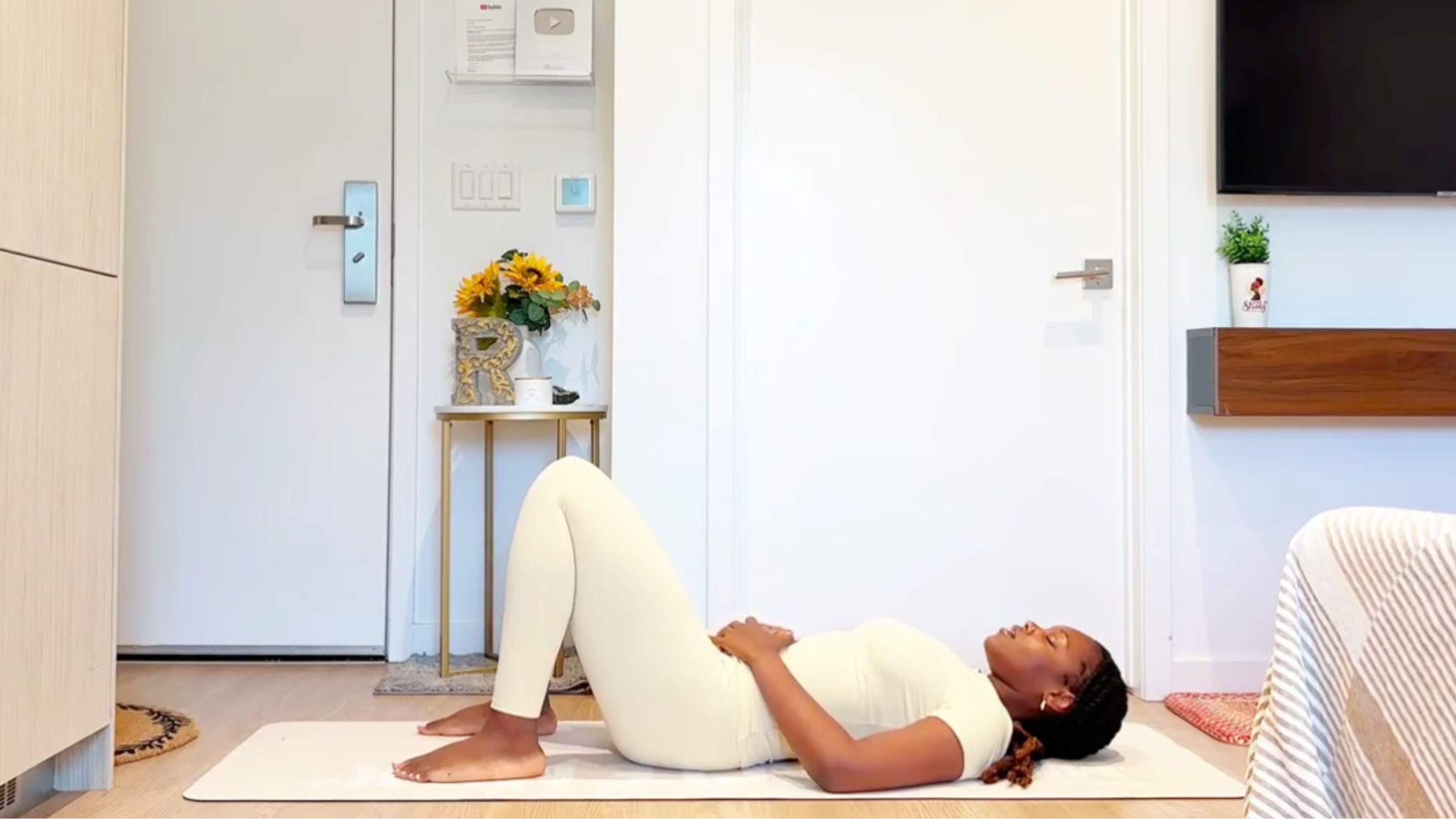
1. Constructive Rest
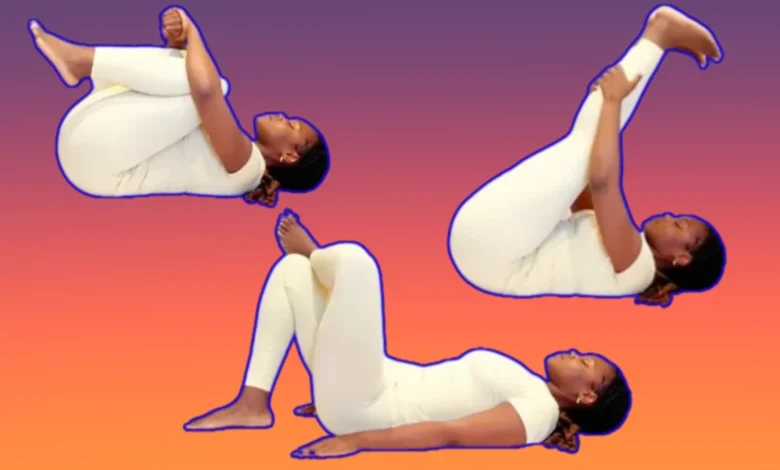
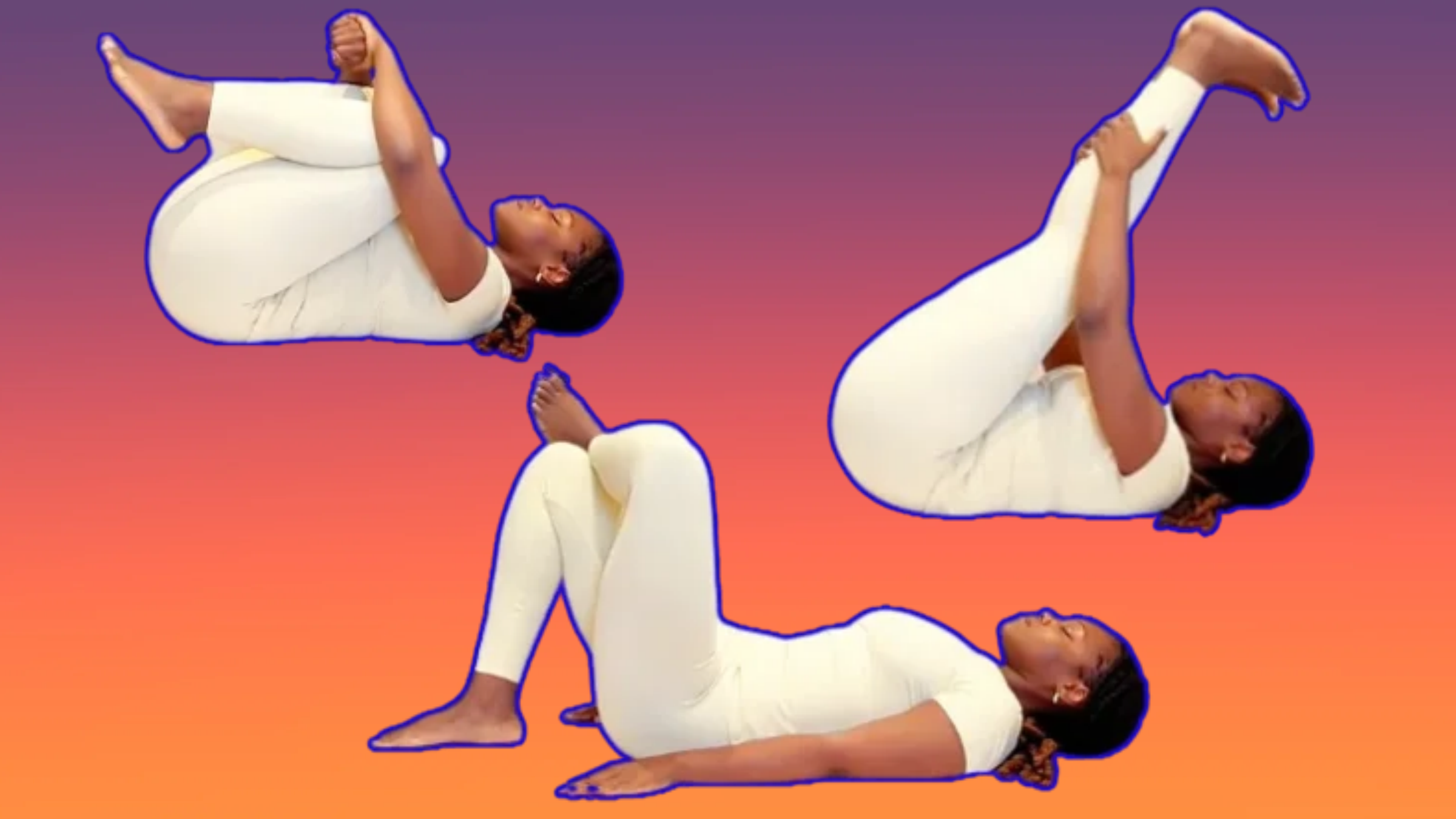
The sequence begins with Constructive Rest, a foundational restorative position. The practitioner lies flat on their back with knees bent and the soles of the feet planted flat on the mat or mattress. This neutral spine alignment allows the psoas muscles to release tension accrued from prolonged sitting throughout the day, while encouraging diaphragmatic breathing without lumbar strain.
2. Knees-to-Chest Pose (Apanasana)
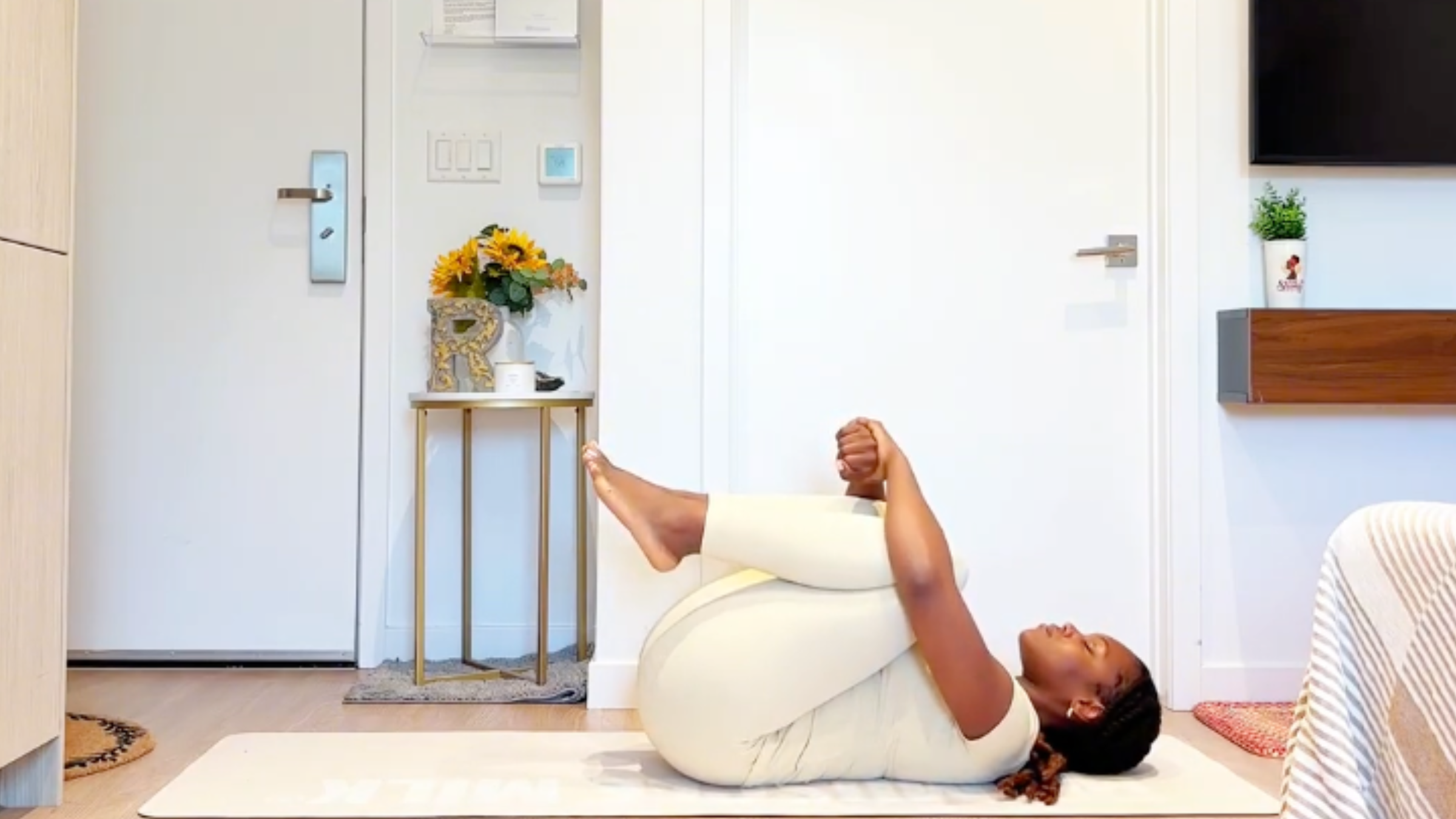
Progressing into Knees-to-Chest, the practitioner draws both knees toward the torso, hugging either the shins or grasping behind the thighs. This gentle flexion massages the abdominal organs, stretches the lower back, and further reinforces the shift toward internal focus and breath regulation.
3. Supine Figure 4 Pose
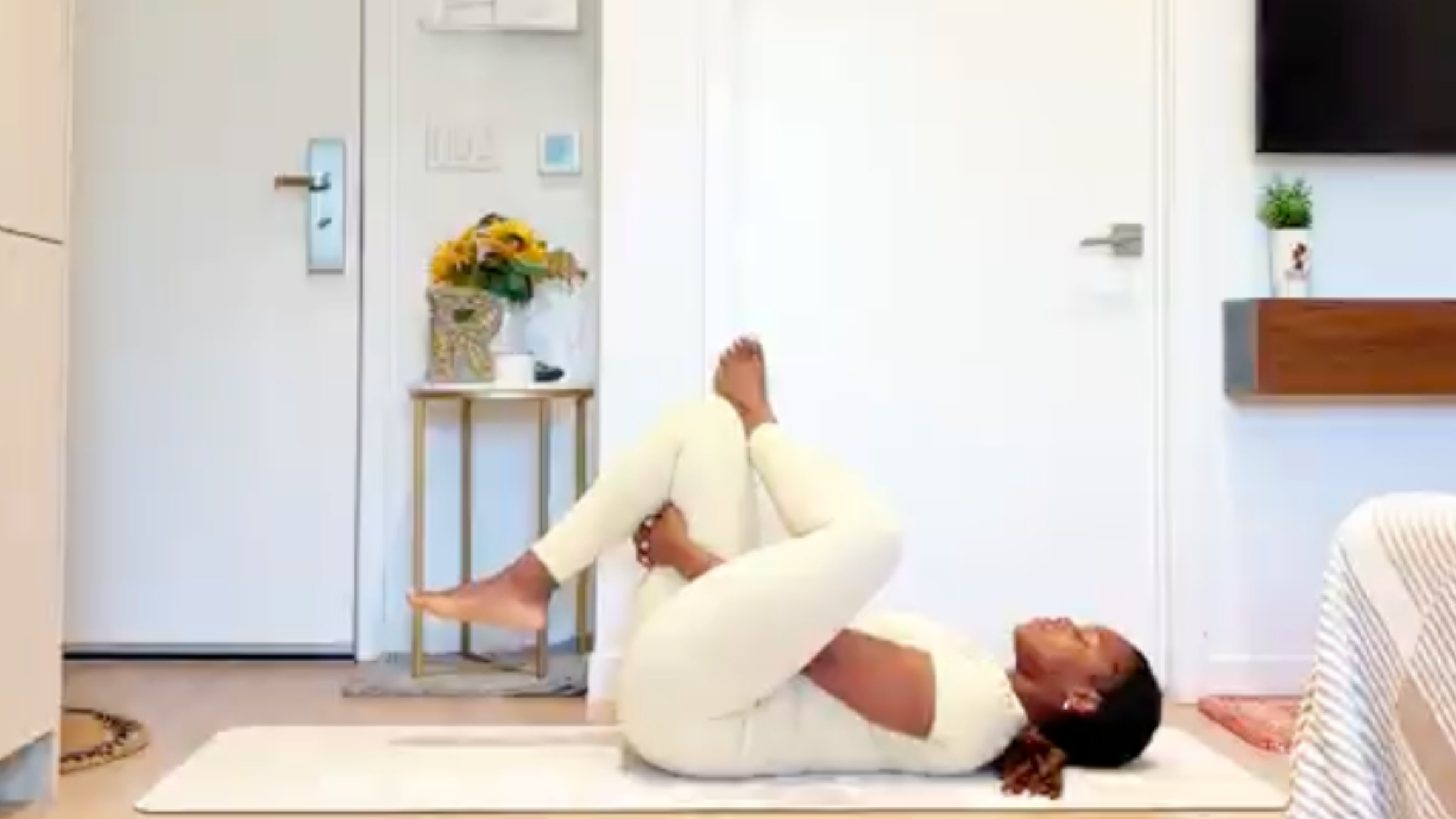
Addressing one of the most common sites of physical stress—the glutes and piriformis muscles—the Figure 4 stretch involves crossing the left ankle over the right knee while lying supine. Practitioners have the option to remain stationary or draw the legs closer to the chest by threading their hands around the right thigh. This movement effectively alleviates tension caused by sedentary work habits before switching sides.
4. Supine Spinal Twist
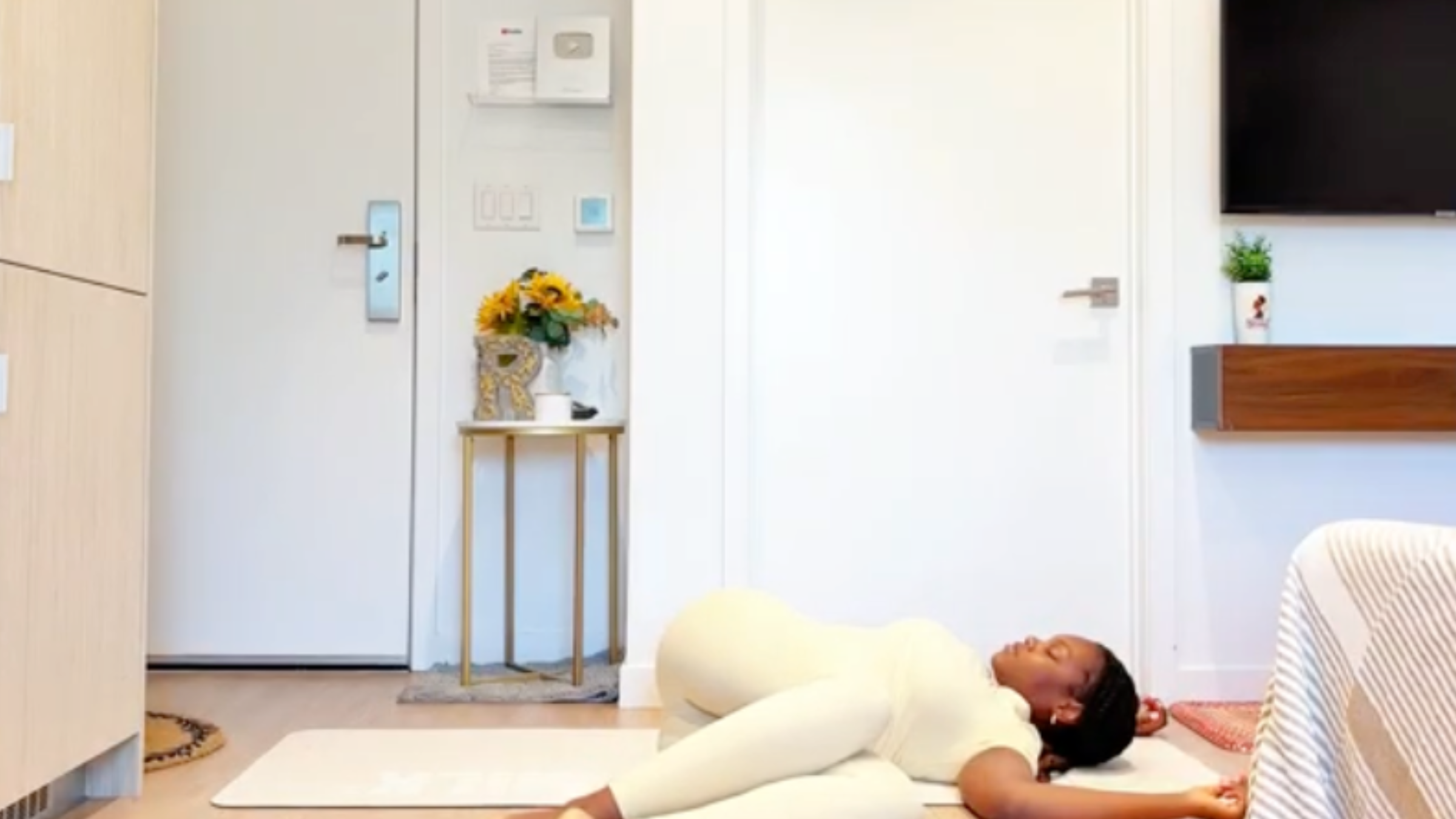
To release rotational tightness in the spinal column, the routine incorporates a Supine Spinal Twist. From a knees-to-chest position, the practitioner lowers both knees to one side, utilizing props like yoga blocks or folded blankets if the lower leg does not comfortably touch the floor. Spinal twists are widely recognized in somatic therapy for their ability to stimulate vagal nerve activity, further signaling safety and relaxation to the brain.
5. Supine Hamstring Stretch
Gentle extension follows rotation in the Supine Hamstring Stretch. By extending the legs toward the ceiling with a micro-bend in the knees to protect the lower back, practitioners encourage venous return and relieve lower extremity fatigue. Maintaining pelvic stability against the mat ensures the stretch targets the intended muscle groups without straining the lumbar region.
6. Happy Baby Pose (Ananda Balasana)
Transitioning into Happy Baby Pose, the practitioner bends their knees toward their armpits, grasping the outer edges of the feet or ankles while keeping the sacrum anchored to the floor. This posture opens the hips and groin while providing a grounding, playful sensation that helps disengage analytical thought processes.
7. Savasana (Corpse Pose)
The sequence concludes with Savasana, the ultimate posture of integration and surrender. By extending the limbs, turning the palms upward, and releasing all muscular control, the practitioner allows the physical body to absorb the benefits of the preceding movements. Remaining in Savasana until natural drift into sleep occurs completes the neurological transition from alertness to rest.
Broader Implications and Expert Perspectives
As the wellness industry shifts away from exhausting high-intensity regimens toward holistic recovery practices, experts emphasize the importance of evening rituals in establishing healthy circadian rhythms. Sleep hygienists frequently advocate for "digital sunsets"—turning off screens 60 minutes before bed—paired with low-stimulus activities like stretching, reading, or meditation.
While clinical trials on multi-week restorative yoga programs consistently demonstrate improvements in subjective sleep quality and reductions in cortisol levels, short routines like Overton’s serve as a practical entry point for skeptics or time-constrained individuals. By lowering the barrier to entry, these five-minute interventions demonstrate that effective self-care does not require massive lifestyle overhauls.
As public awareness regarding the neurological and physiological toll of chronic stress continues to expand, integrating brief, intentional movement practices into nightly routines represents a viable, scientifically supported strategy for reclaiming restful sleep in the twenty-first century.