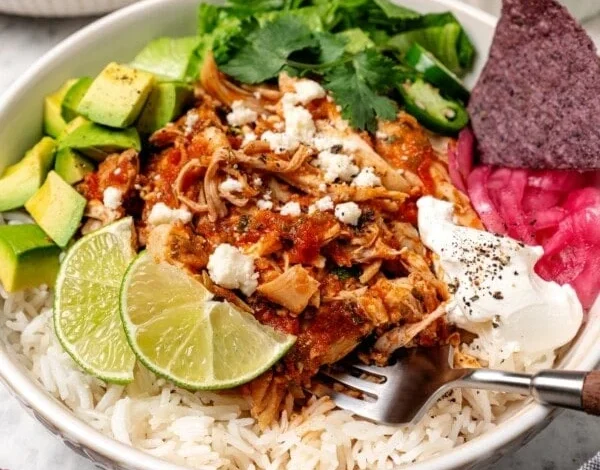
The culinary landscape of busy weeknight cooking has long been dominated by the quest for efficiency, high nutritional value, and minimal preparation time. A prominent example of this trend is the resurgence in popularity of ultra-simplified slow-cooker meals, which bridge the gap between home-cooked nutrition and convenience. Among these, a streamlined recipe utilizing boneless chicken thighs and commercial jarred salsa has recently gained substantial traction across digital food platforms and home-cooking communities. Originally born out of kitchen pragmatism following a holiday weekend, this preparation method exemplifies how modern consumers adapt traditional comfort foods to accommodate demanding schedules without sacrificing dietary goals.
Background and Origins of the Simplified Slow-Cooker Movement
The phenomenon of combining poultry with commercial salsa in a slow-cooker is not entirely new; however, its refinement into a standardized meal-prep staple reflects broader shifts in domestic food preparation habits over the past decade. As the pace of modern professional and personal lives quickens, the demand for "set-it-and-forget-it" culinary solutions has surged.
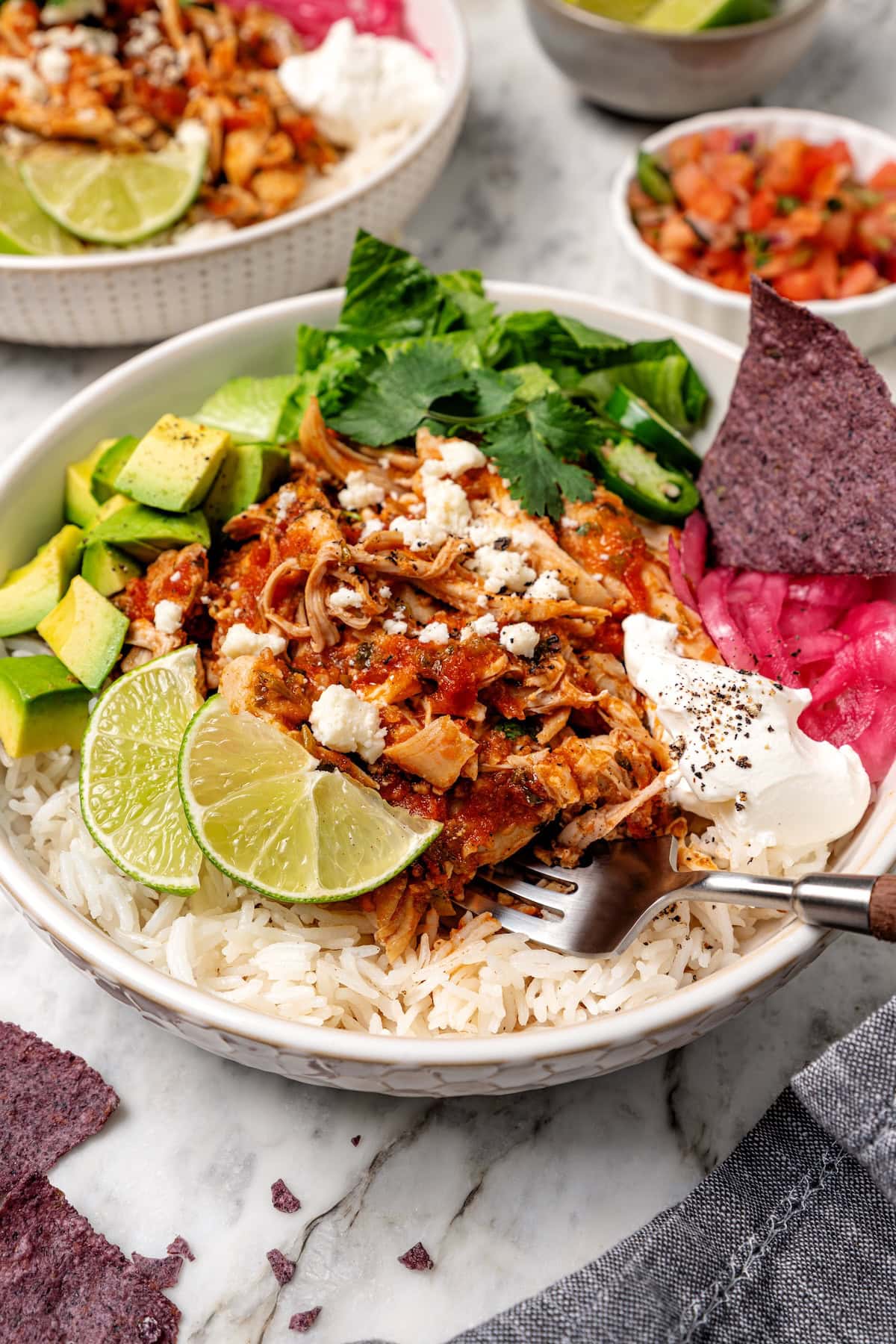
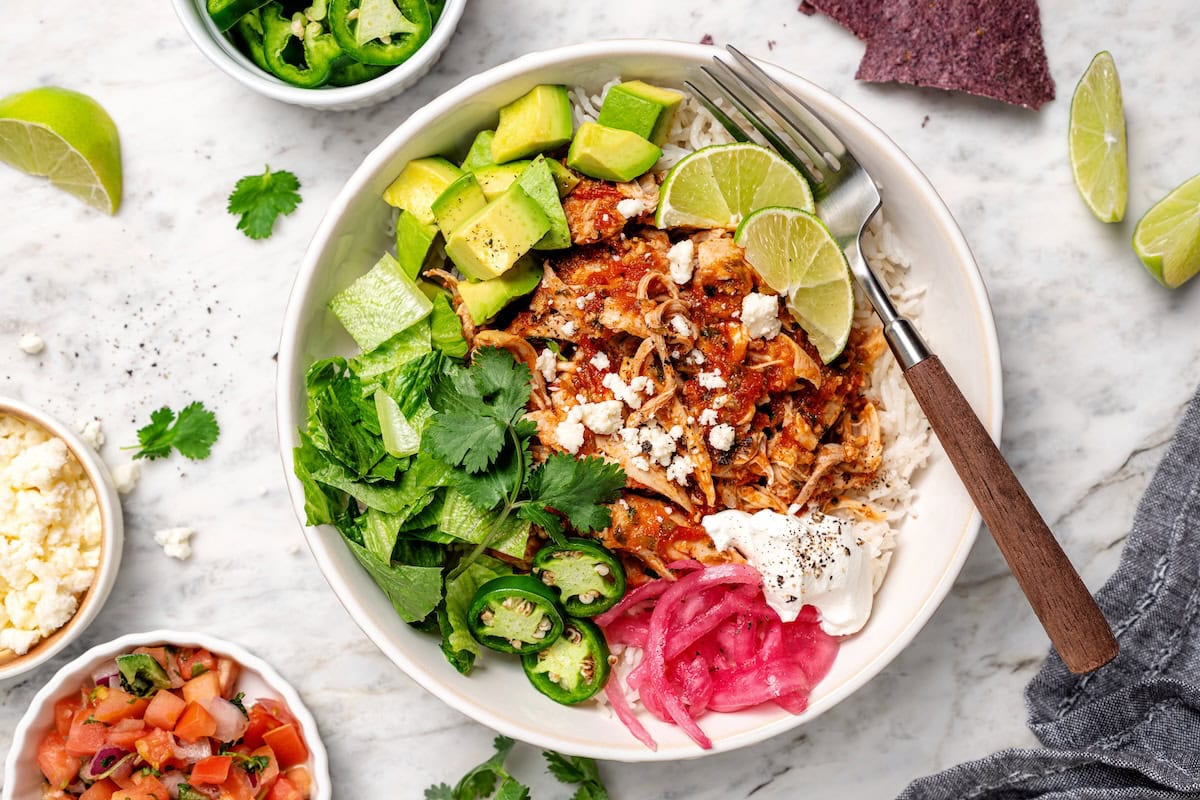
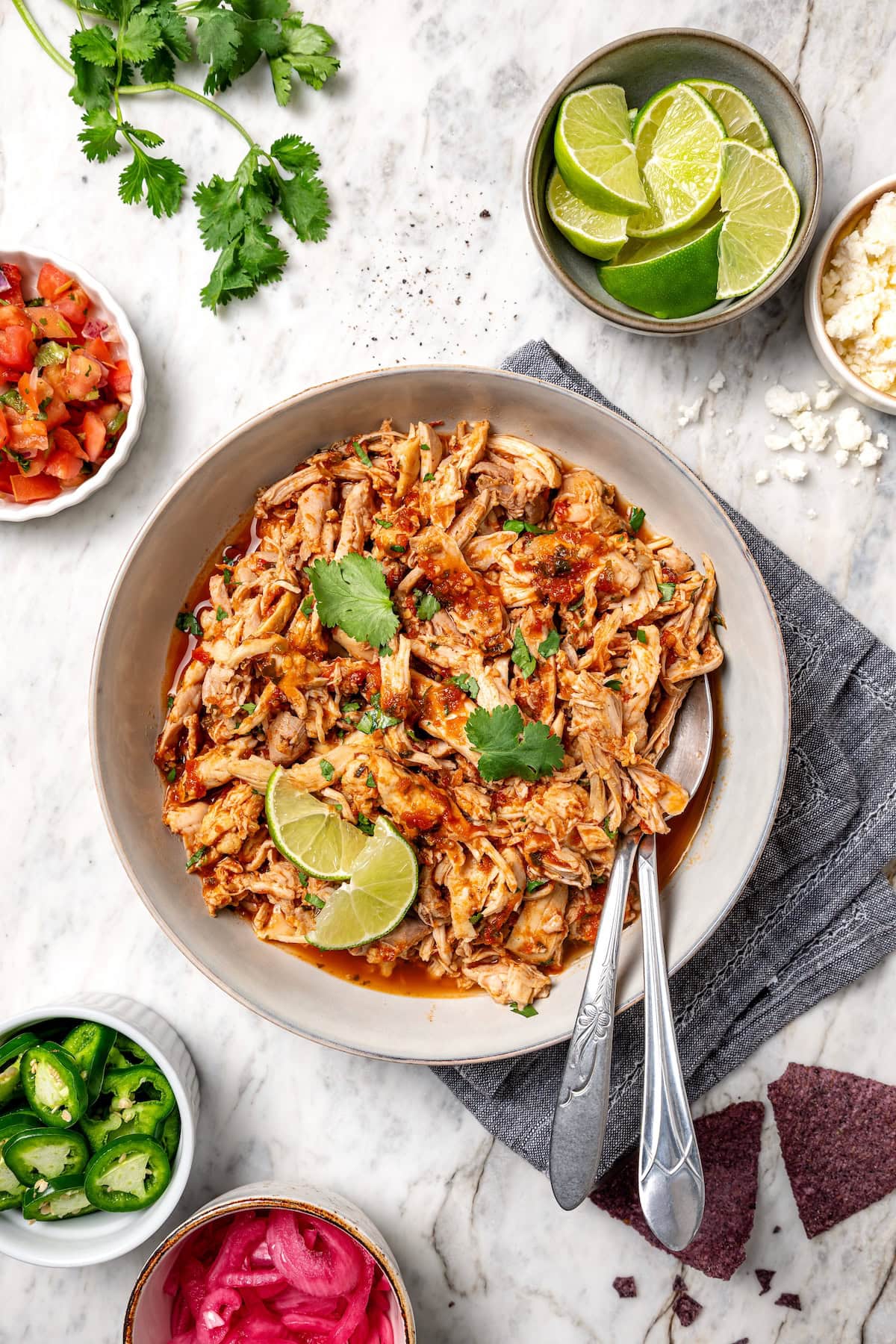
Home economists and culinary researchers note that slow cookers have evolved from vintage kitchen novelties into essential appliances for time-strapped households. The underlying mechanics of slow cooking—low-temperature, prolonged exposure to heat—allow tougher or leaner cuts of meat to break down, resulting in tender, easily shreddable textures. By pairing boneless, skinless chicken thighs with the pre-blended aromatic vegetables, tomatoes, and spices found in a standard jar of salsa, home cooks eliminate the need for chopping, extensive seasoning blending, and constant stovetop monitoring.
This particular iteration of salsa chicken gained widespread visibility through culinary blogs and digital lifestyle networks, emphasizing that nutritious meals can be achieved with a minimal ingredient list. Culinary analysts attribute the recipe’s enduring appeal to its high protein-to-effort ratio, making it an attractive option for fitness enthusiasts, working parents, and meal-prep practitioners alike.

Chronology and Development of the Recipe
The formulation of this streamlined dish traces back to practical improvisation rather than formal culinary development. Confronted with a standard post-travel inventory—specifically, a package of boneless chicken thighs and a jar of chunky salsa—home cooks and food developers began experimenting with eliminating complex marinades and multi-step searing processes.

Over the years, the methodology was refined to maximize flavor extraction while preserving the natural juiciness of the meat.
- Phase One: Initial experimentation focused primarily on chicken breasts, a traditional favorite for shredded poultry applications. However, chefs noted that chicken breasts could occasionally dry out during prolonged cooking cycles.
- Phase Two: The transition to boneless, skinless chicken thighs marked a significant improvement in texture and flavor profile. Thigh meat naturally contains a slightly higher fat content, which keeps the protein moist throughout a four-hour cooking duration.
- Phase Three: The incorporation of specific supplementary Tex-Mex spices—such as cumin, garlic powder, and smoked paprika—elevated the basic two-ingredient combination into a deeply savory, complex dish without adding appreciable prep time.
- Phase Four: Expansion into alternative cooking vessels, including pressure cookers (Instant Pots) and salsa verde variations, demonstrated the versatility of the core flavor profile.
Nutritional Profile and Supporting Data
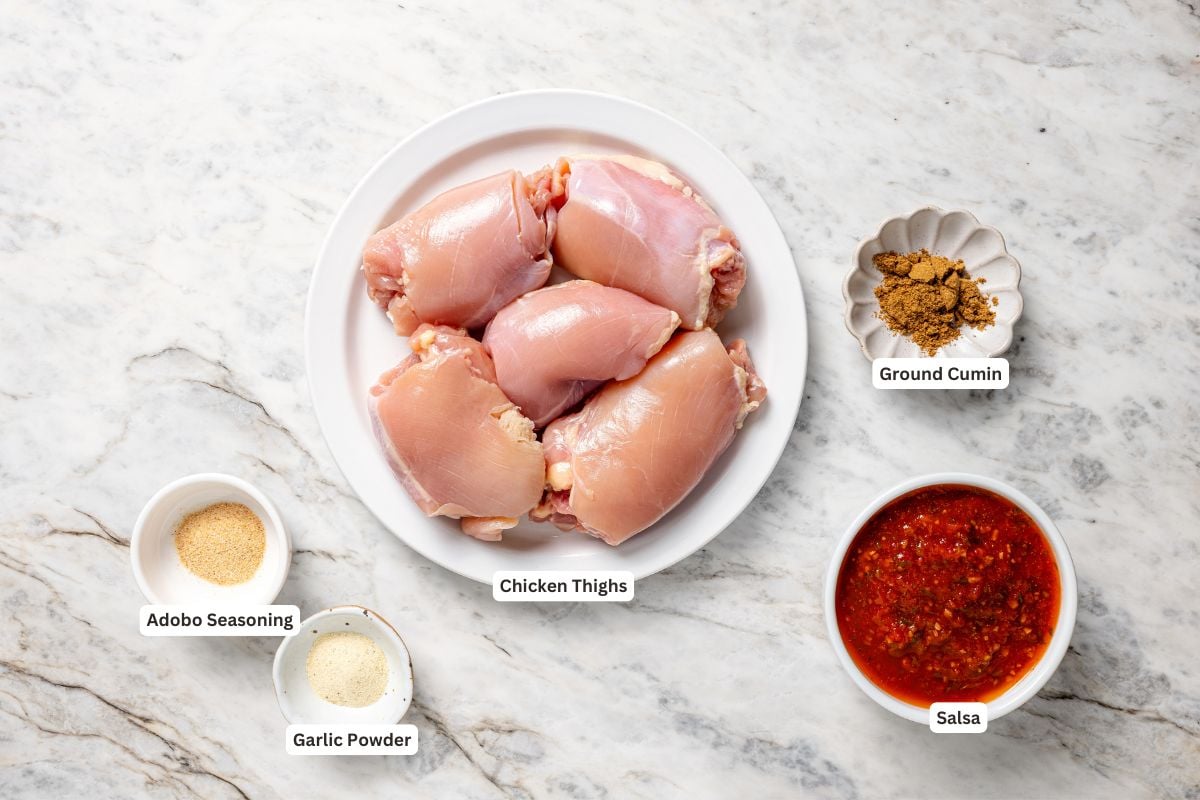
From a dietary standpoint, the dish aligns closely with contemporary nutritional recommendations focusing on high-protein, low-carbohydrate meals. Standard laboratory and nutritional analyses of a typical serving—defined as approximately one-half cup of prepared chicken—reveal a favorable macronutrient distribution designed to support muscle maintenance and sustained energy levels.
Nutritional breakdown per standard serving:
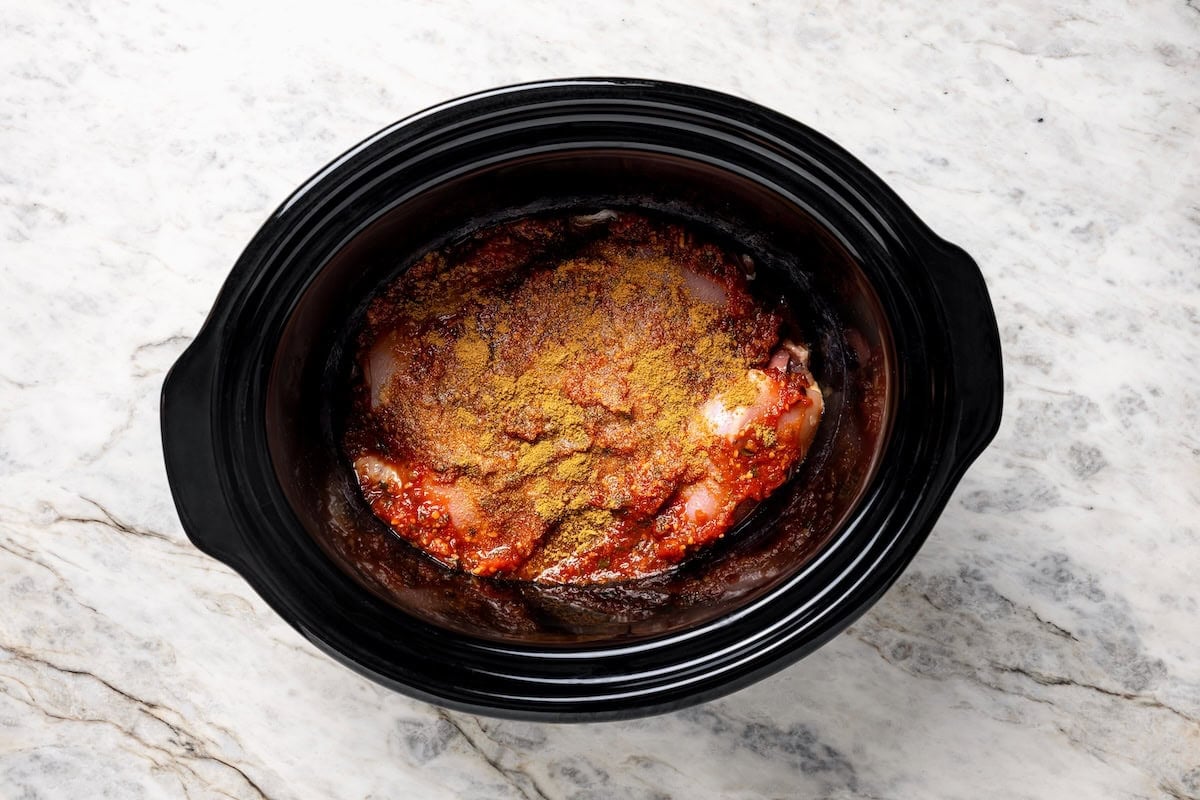
- Calories: 187 kcal
- Carbohydrates: 3 g
- Protein: 30 g
- Fat: 8 g
- Saturated Fat: 0.5 g
- Cholesterol: 127 mg
- Sodium: 315 mg
- Dietary Fiber: 1 g
Dietary experts point out that the high protein content (30 grams per serving) makes the dish exceptionally satiating, while the relatively low carbohydrate and fat profiles fit seamlessly into various dietary frameworks, including low-carb, keto-friendly, and balanced macro-counting plans. The sodium content, primarily derived from the jarred salsa, remains within moderate limits for a prepared meal, though consumers monitoring their sodium intake can easily substitute low-sodium salsa varieties.
Culinary Analysis and Methodological Execution
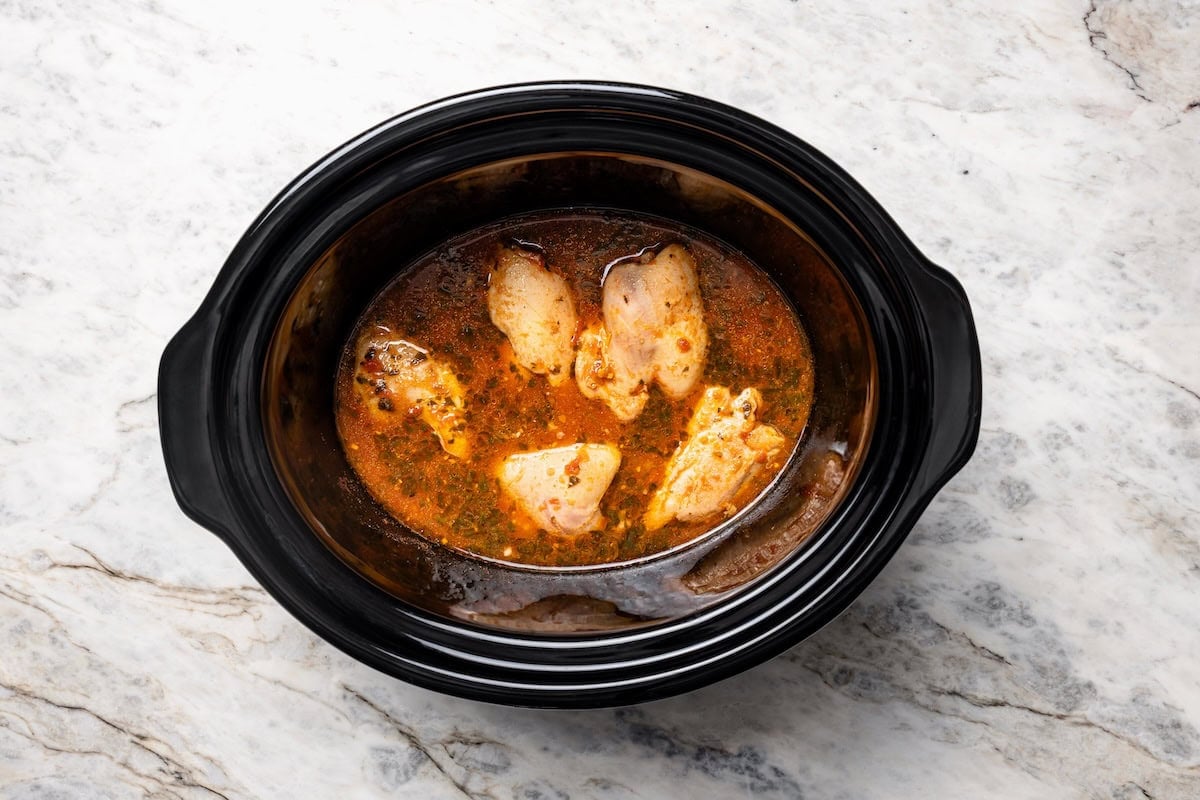
The success of the slow-cooker salsa chicken relies on precise thermodynamic and chemical interactions within the appliance. When chicken thighs are submerged in an acidic, tomato-based salsa and cooked on a low setting for four hours, several transformations occur:
- Denaturation of Proteins: The gentle, sustained heat causes the muscle fibers in the chicken to gradually unwind and firm up before tenderizing.
- Acidic Tenderization: The natural acids present in the tomatoes and vinegar of the salsa assist in breaking down connective tissues, enhancing the tenderness of the meat.
- Flavor Infusion: As the liquid simmers, moisture is trapped within the enclosed environment of the slow cooker, preventing evaporation and forcing the aromatic compounds of the salsa and spices deep into the cellular structure of the poultry.
Culinary professionals recommend utilizing a programmable slow cooker equipped with a temperature probe or an automatic shift to a "warm" setting once the cooking cycle concludes. This prevents overcooking, ensuring the chicken maintains its structural integrity prior to the shredding process. Furthermore, the recipe’s scalability allows home cooks to double the meat volume without altering the cooking duration, making it an efficient option for bulk meal preparation.
Broader Impact and Economic Implications
The rising popularity of simplified, slow-cooker recipes speaks to broader economic and cultural trends in home economics. As grocery prices fluctuate, consumers increasingly seek out versatile, budget-friendly ingredients that can be repurposed across multiple meals.
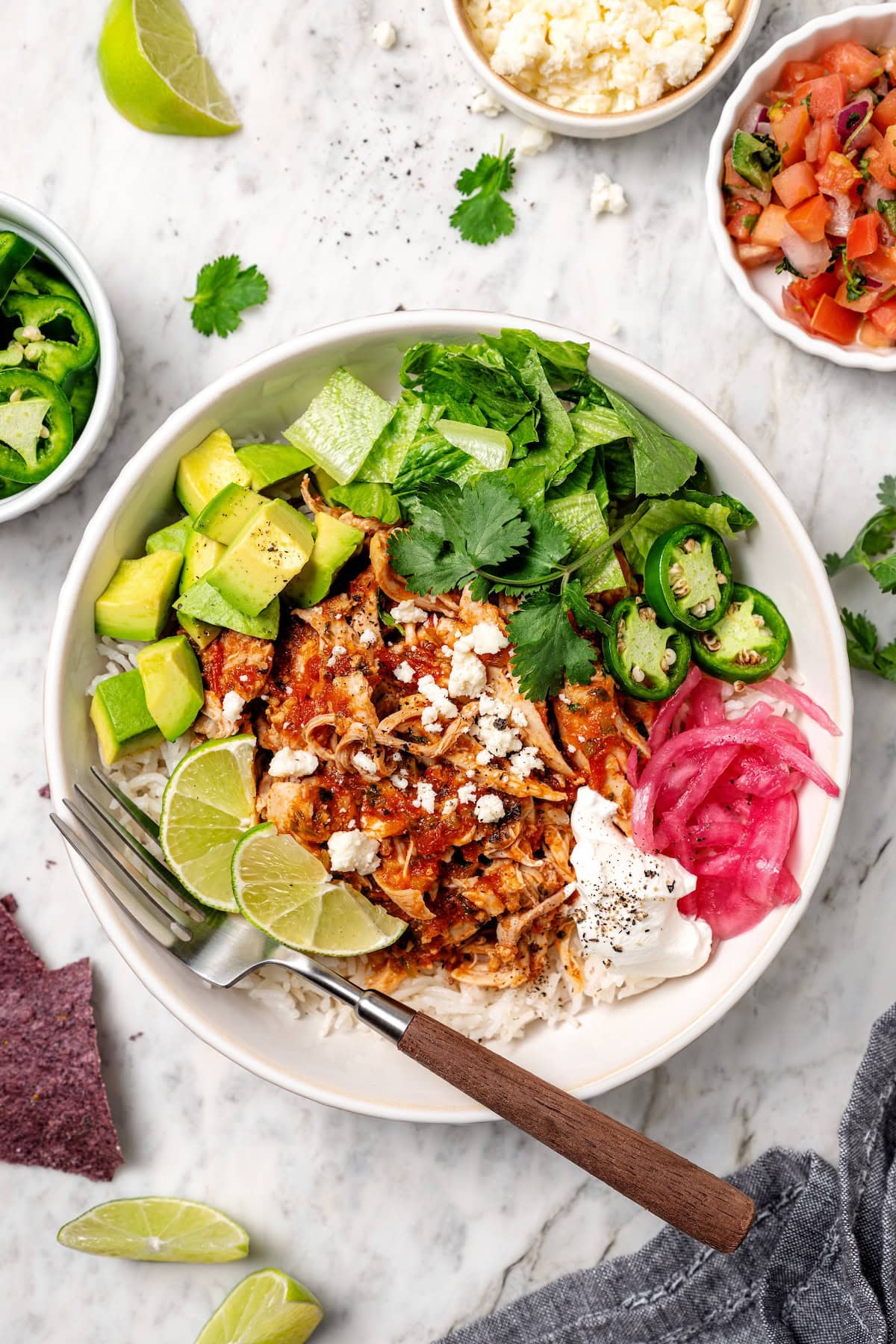
Chicken thighs consistently rank as one of the more cost-effective protein sources available in supermarkets. When combined with shelf-stable pantry staples like jarred salsa, they provide an economical foundation for a wide array of dishes, including tacos, burrito bowls, salads, soups, and stuffed sweet potatoes. This versatility reduces food waste by utilizing leftover ingredients already present in home refrigerators and pantries.
Moreover, the digital sharing of such recipes highlights the democratization of culinary knowledge. Platforms that allow direct user engagement—through ratings, comments, and community-driven variations—empower home cooks to share modifications, such as incorporating black beans, corn, or Greek yogurt for added texture and creaminess.

Industry observers note that the enduring appeal of recipes like crockpot salsa chicken lies in their ability to reduce cognitive fatigue around meal planning. By removing the barriers of complex preparation and specialized equipment, such dishes encourage more households to engage in home cooking, contributing to improved dietary habits and reduced reliance on commercial convenience foods. As the culinary landscape continues to prioritize both health and efficiency, the fundamental principles of slow-cooker meal preparation remain a cornerstone of modern domestic life.