Turkey Burgers with Caramelized Apples, Shallots, and Gruyère Offer a Seasonal Twist on Lean Dining

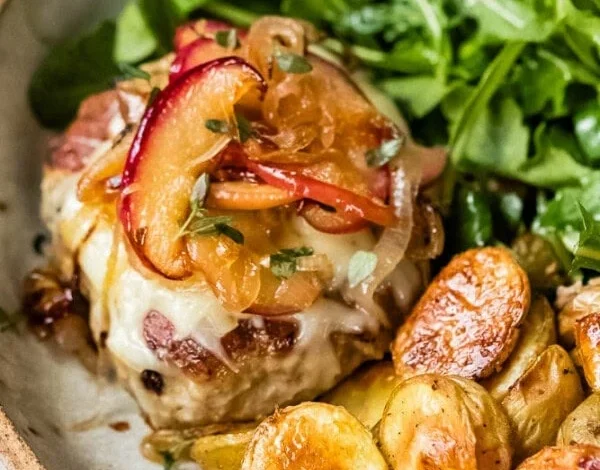
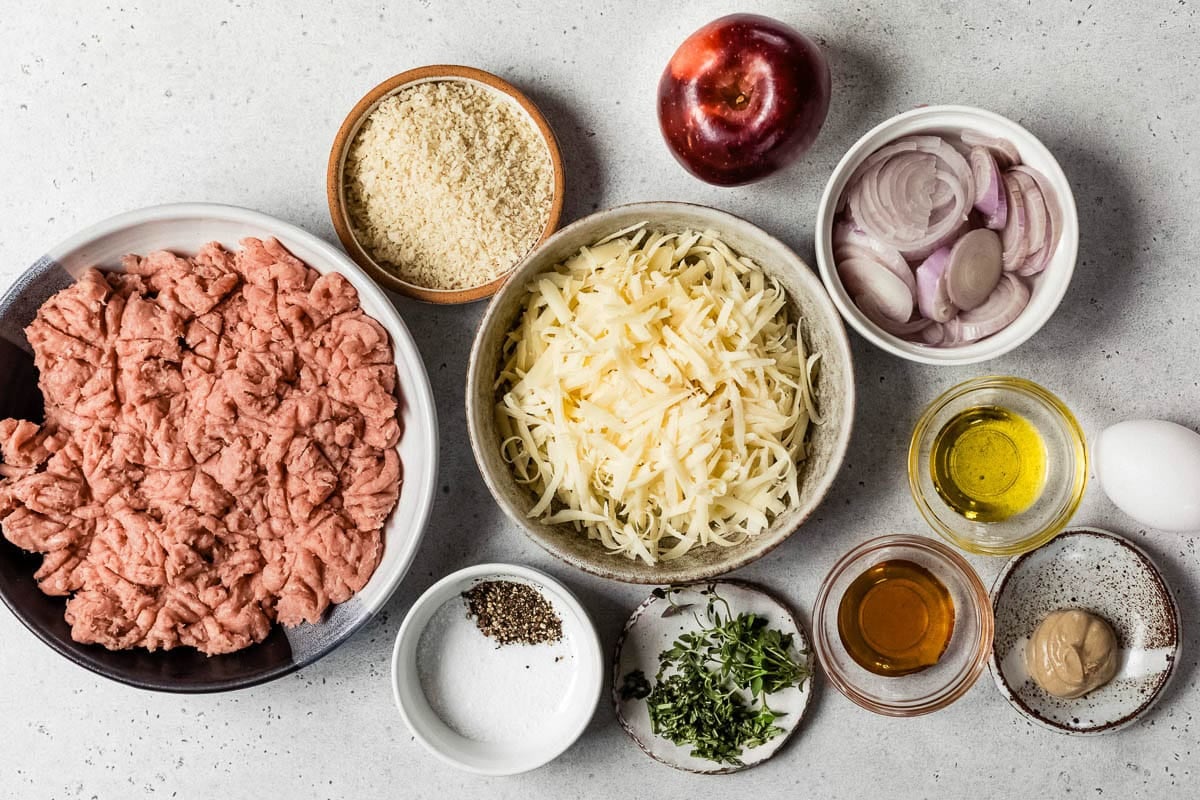
The culinary landscape of autumn often brings a predictable rotation of heavy comfort foods, ranging from roasted root vegetables to rich, slow-simmered stews. However, modern home cooking trends increasingly focus on balancing seasonal flavors with nutritional mindfulness, leading to innovative approaches to traditional comfort dishes. A notable entry in this seasonal culinary shift is the introduction of turkey burgers featuring caramelized golden apples, savory shallots, and melted Gruyère cheese. This recipe highlights how lean proteins can be elevated through the incorporation of complex, contrasting flavor profiles that capture the essence of harvest season without relying on excessive fats or heavy carbohydrates.
Culinary Background and Nutritional Significance
Ground turkey has long been recognized by nutritionists and culinary professionals as an adaptable, lean alternative to traditional beef. Providing a high concentration of high-quality protein with significantly lower saturated fat content, ground turkey serves as an ideal canvas for robust seasonings and savory-sweet pairings. According to dietary data associated with the recipe, a single serving delivers approximately 34.5 grams of protein while maintaining a moderate caloric footprint of roughly 419 kilocalories.
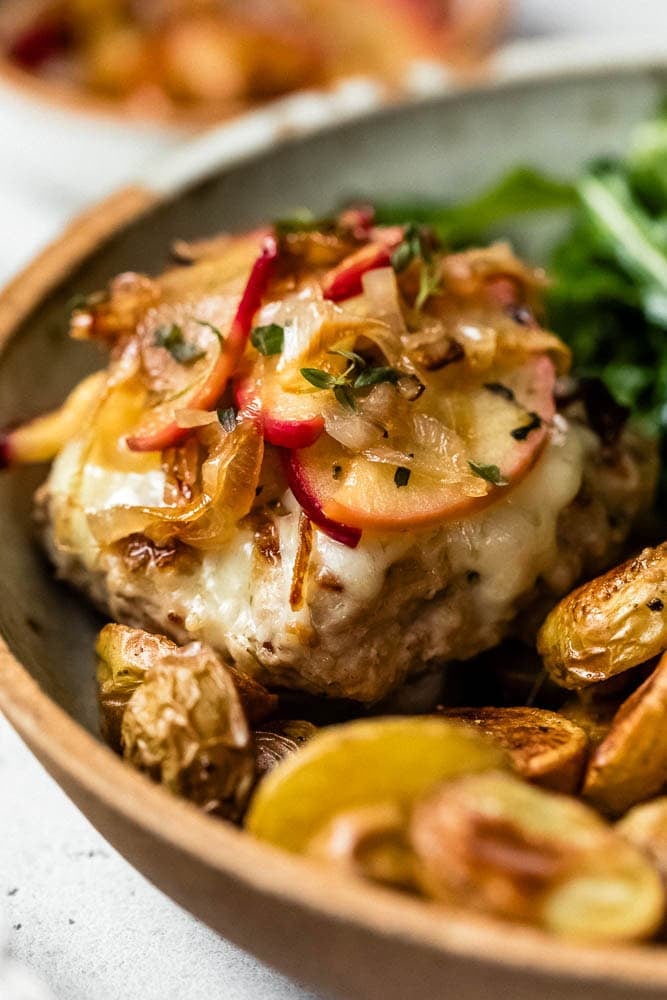
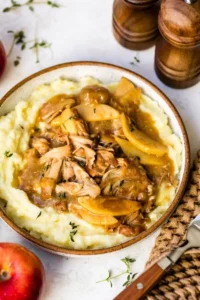
The integration of fruit into savory meat dishes is a time-honored technique found in various global cuisines, particularly during autumn when orchards yield an abundance of crisp, sweet-tart varieties. Golden apples, when carefully caramelized alongside shallots, develop a deep, rich sweetness that cuts through the savory elements of the meat. Enhanced by fresh herbs such as rosemary and thyme, along with a touch of Dijon mustard, the dish bridges the gap between sophisticated bistro dining and accessible weeknight meal preparation. Furthermore, the inclusion of nutty, melt-resistant Gruyère cheese introduces a savory depth that elevates the burger far beyond standard backyard fare.
Preparation Timeline and Methodology

Designed with efficiency in mind, the recipe requires a total time investment of approximately 45 minutes, divided into 15 minutes of active preparation and 30 minutes of cooking time. This streamlined schedule accommodates the busy lifestyles of modern consumers seeking wholesome, scratch-made dinners during the workweek.
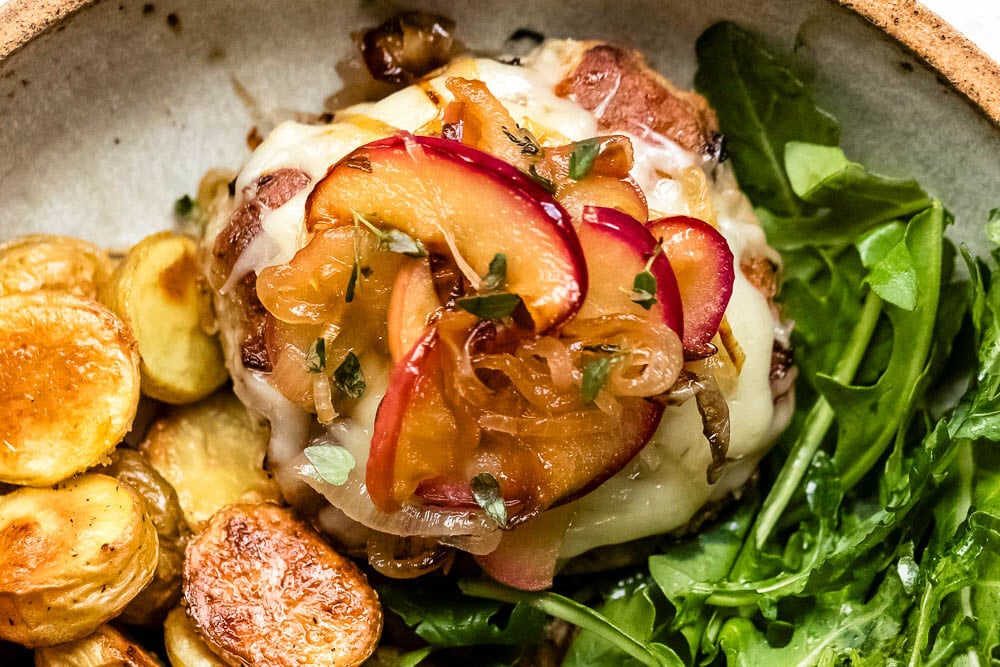
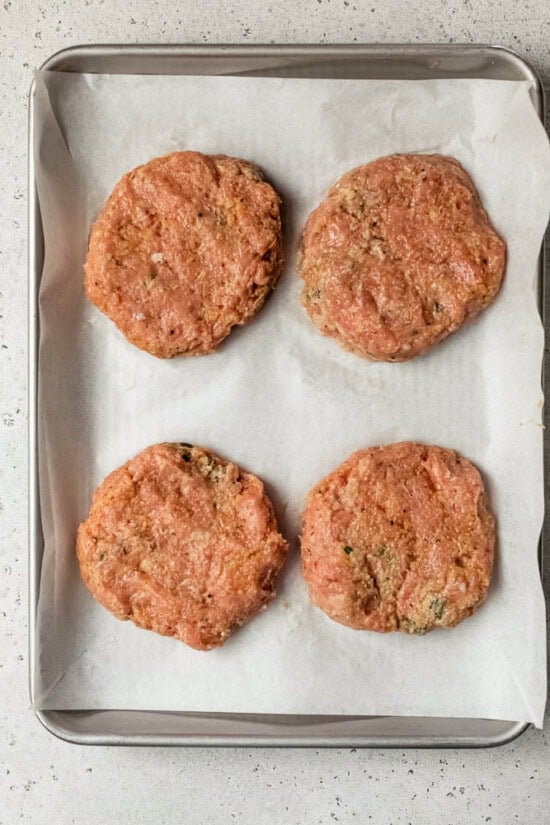
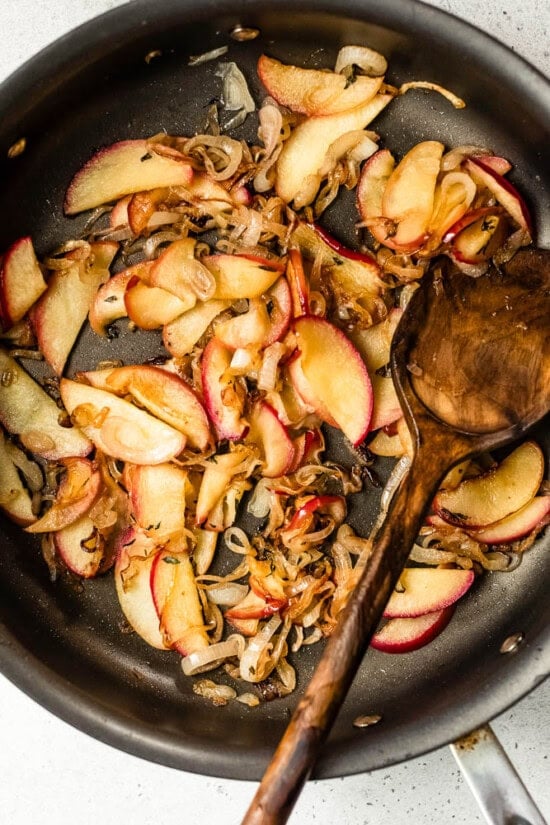
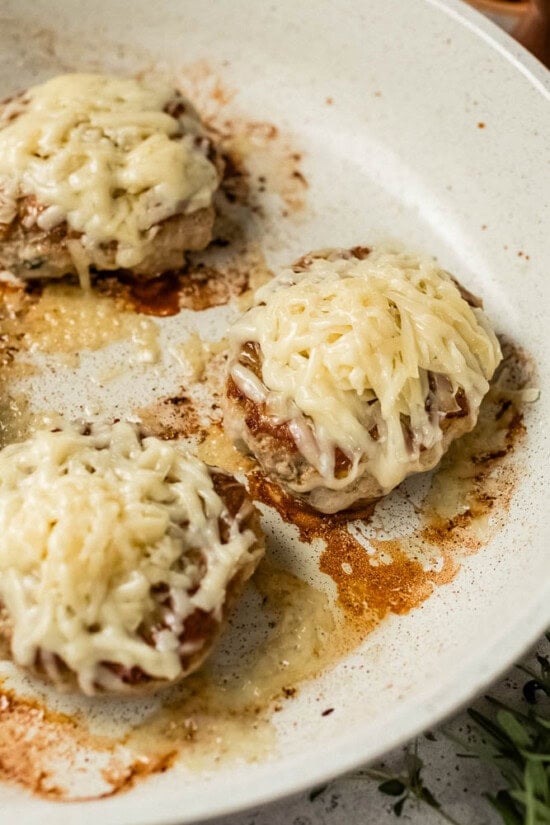
The preparation process begins with the careful formulation of the turkey patties. Culinary experts emphasize the importance of gentle handling during this phase; overmixing the ground turkey can result in dense, dry patties rather than the desired tender and juicy texture. Once formed, the patties are seared to achieve an optimal outer crust while retaining internal moisture. Concurrently, the shallots and apple slices are sautéed in a separate pan until they reach a state of caramelized perfection, a chemical process wherein natural sugars break down under steady heat to create a complex, golden-brown confit-like texture. In the final stages of cooking, slices or freshly grated Gruyère are draped over the patties, allowing residual heat to melt the cheese securely over the meat before crowning the assembly with the warm apple and shallot mixture.

Serving Flexibility and Dietary Adaptability
Modern dietary preferences vary widely, ranging from traditional comfort food enthusiasts to those reducing their intake of refined carbohydrates and gluten. The turkey burger recipe accommodates these diverse preferences through its flexible serving architecture. While traditional burger presentations incorporate soft brioche or sesame buns paired with condiments like mayonnaise and Dijon mustard, the recipe’s creator notes an alternative preference for a "bunless" format.
Enjoying the patties without bread allows the distinct flavors of the caramelized apples, shallots, and melted Gruyère to remain prominent in every bite. For those opting for a complete meal structure, recommended side dishes include a light, crisp arugula salad dressed in a bright vinaigrette or roasted baby potatoes, which provide earthy complexity without overwhelming the palate. Alternatively, the deconstructed components can be served over a bed of mixed greens, transforming the hot sandwich elements into a warm autumn salad.
Storage, Preservation, and Food Safety
In an era where food waste reduction and meal-prepping efficiency are paramount, the practicality of home-cooked meals extends beyond initial consumption. Prepared turkey patties and their accompanying apple-shallot toppings lend themselves effectively to standard refrigeration and freezing protocols. Properly stored in airtight containers, cooked turkey patties can remain safe and flavorful for up to three or four days in the refrigerator.
When reheating, culinary technicians recommend gentle warming methods—such as a low-temperature skillet or toaster oven—to prevent the lean turkey meat from drying out. For longer-term storage, uncooked patties can be frozen individually with parchment paper separation, allowing consumers to thaw and cook single portions as needed. These preservation qualities support sustainable household management practices, aligning with broader consumer trends toward planned-over cooking and efficient grocery utilization.
Broader Culinary Implications and Market Trends
The popularity of seasonal twists on standard weeknight staples reflects broader shifts in consumer tastes, where traditional boundaries between sweet and savory continue to dissolve. Food industry analysts observe a rising demand for gourmet experiences within the home kitchen, driven in part by culinary content creators and home cooks seeking creative outlets during seasonal transitions.
By utilizing accessible ingredients like apples, shallots, and everyday aromatics, home cooks can replicate restaurant-quality dining experiences with minimal specialized equipment. As nutritional awareness continues to guide grocery purchasing decisions, recipes that successfully marry lean proteins with vibrant, seasonal produce demonstrate that healthy eating does not require a sacrifice of flavor, complexity, or comfort.