When you buy through our links, we may earn a commission. Learn More
The culinary landscape is constantly evolving, with consumers increasingly seeking alternatives to traditional staples. One such evolution is the growing popularity of grain-free granola, a versatile and flavorful option that caters to a variety of dietary needs and preferences. This oat-free iteration offers a satisfyingly sweet and nutty crunch, reminiscent of classic granola, yet it opens doors for those who must or choose to avoid grains.
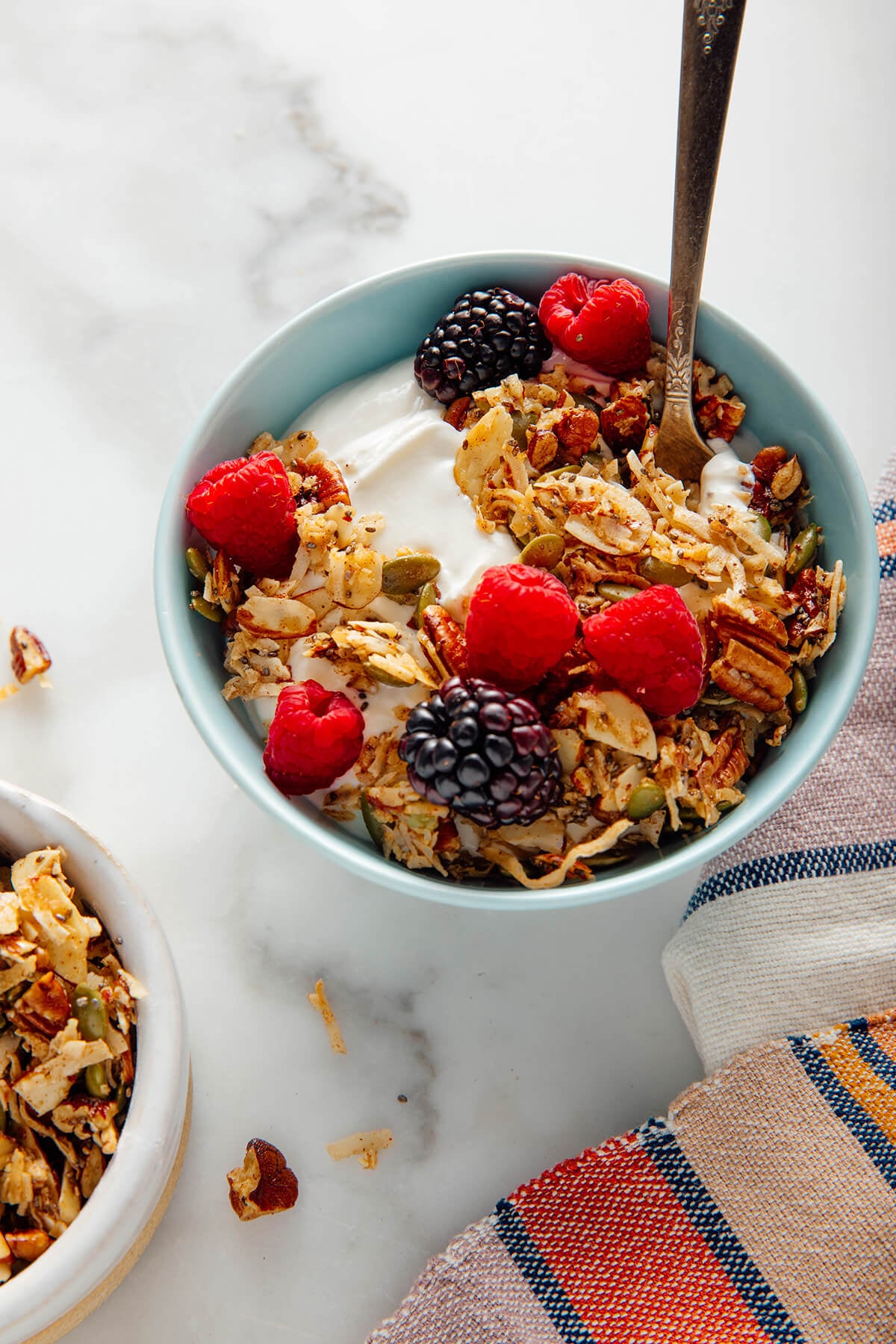
The concept of grain-free granola, while initially perplexing to some, has gained significant traction. This shift is partly driven by a deeper understanding of nutritional science and a growing awareness of individual dietary sensitivities. For many, the appeal lies not just in its unique composition but also in its adaptability and the way it can elevate everyday meals.
Originating from a need to manage blood sugar during pregnancy, as experienced by some individuals, this grain-free granola quickly became a kitchen staple. The original recipe, developed by dietitian Lily Nichols and featured in her book "Real Food for Pregnancy," provided a foundation that has since been adapted and personalized. This adaptation process highlights a key characteristic of grain-free granola: its inherent flexibility.
The Growing Appeal of Grain-Free Granola
The appeal of grain-free granola can be attributed to several key factors, addressing a growing demand for dietary inclusivity and nutritional optimization.
-
Dietary Inclusivity: For individuals with gluten sensitivities, celiac disease, or those following specific low-carbohydrate or ketogenic diets, traditional oat-based granola is often off-limits. Grain-free granola provides a viable and enjoyable alternative, ensuring that these individuals can still partake in the breakfast and snacking rituals that granola offers. The absence of grains means it can be a safe and delicious option for those managing conditions like Irritable Bowel Syndrome (IBS) or other digestive sensitivities where grains can be problematic.
-
Nutritional Density: Beyond simply being grain-free, this type of granola is often packed with nutrient-dense ingredients. Nuts and seeds, the primary components, are rich sources of healthy fats, protein, fiber, vitamins, and minerals. For instance, almonds are a good source of vitamin E and magnesium, while chia seeds and flax seeds offer omega-3 fatty acids and fiber. This makes grain-free granola a powerhouse for sustained energy and overall well-being.
-
Lower Glycemic Impact: Compared to some traditional granolas that can be laden with added sugars and high-glycemic ingredients, grain-free versions often utilize natural sweeteners in moderation. This can contribute to a lower overall glycemic impact, making it a more suitable option for blood sugar management, as highlighted by its origins in gestational diabetes management.
Understanding the Ingredients and Adaptability
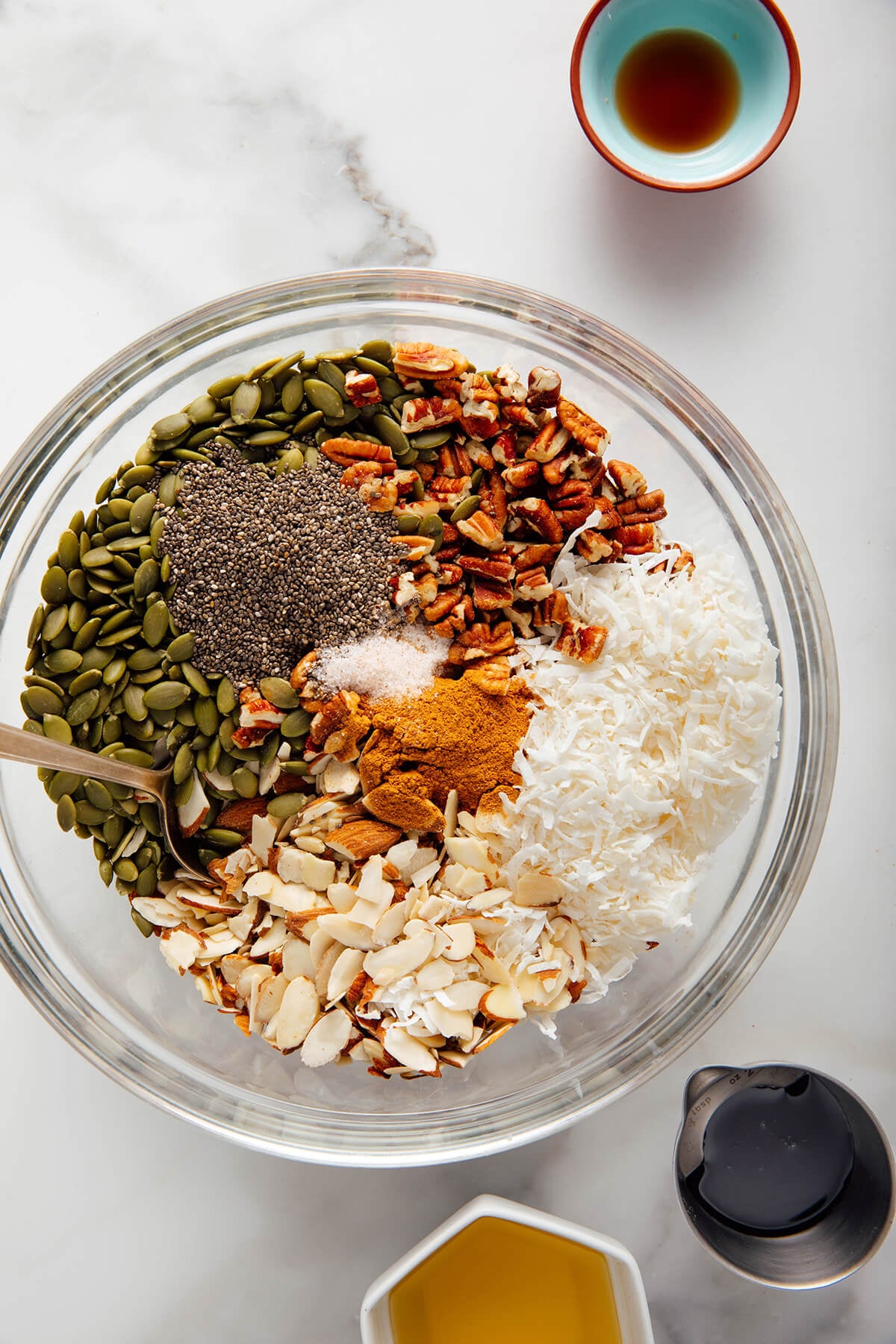
The versatility of grain-free granola lies in its adaptable ingredient base. While the core components remain nuts and seeds, the specific choices can significantly influence the final texture and flavor profile.
Key Ingredient Categories:
-
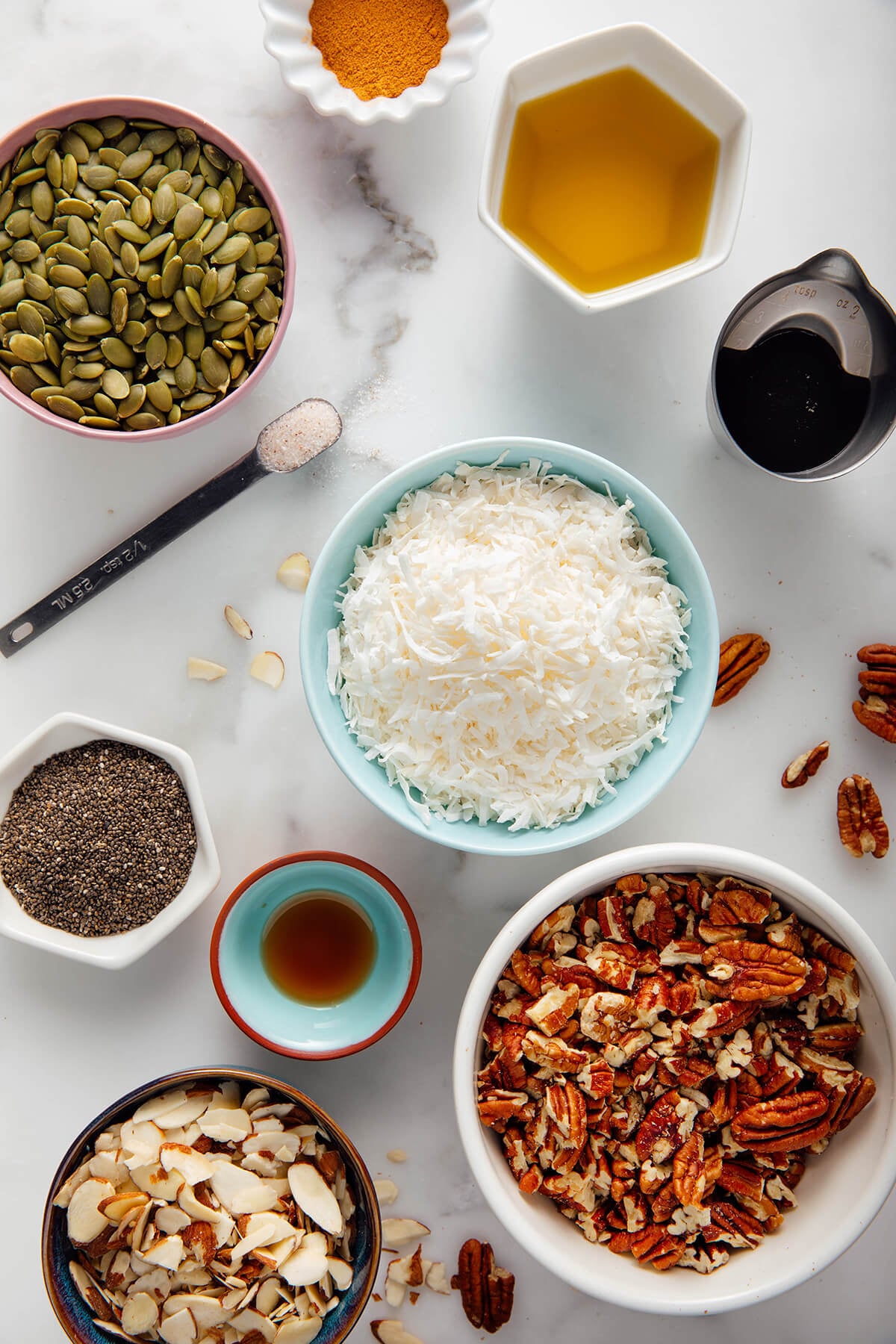
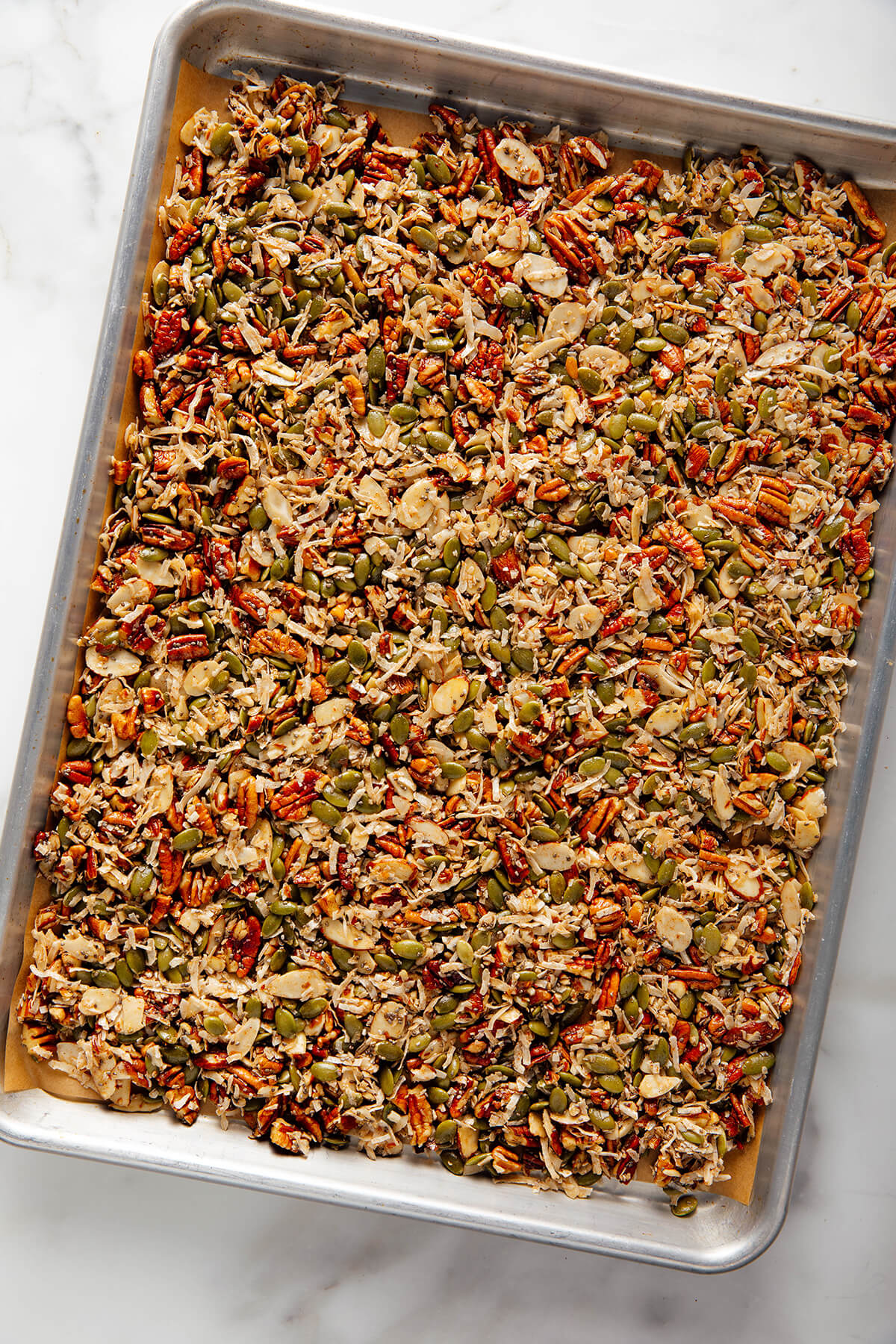
Nuts: A wide array of nuts can be used, including almonds (sliced or chopped), pecans, walnuts, and macadamia nuts. Each nut contributes its unique texture and flavor. For example, sliced almonds and coconut flakes tend to create a lighter, crispier granola, while chopped nuts offer a more substantial bite.
-
Seeds: Seeds like pumpkin seeds (pepitas) and sunflower seeds are excellent additions, providing a different crunch and nutritional profile. Chia seeds and flax seeds are often incorporated for their fiber and omega-3 content, adding a subtle textural element and nutritional boost.
-
Coconut: Unsweetened shredded or flaked coconut is a common ingredient, contributing a delightful chewiness and tropical flavor. Adjusting the amount of coconut can significantly alter the granola’s overall character.
-
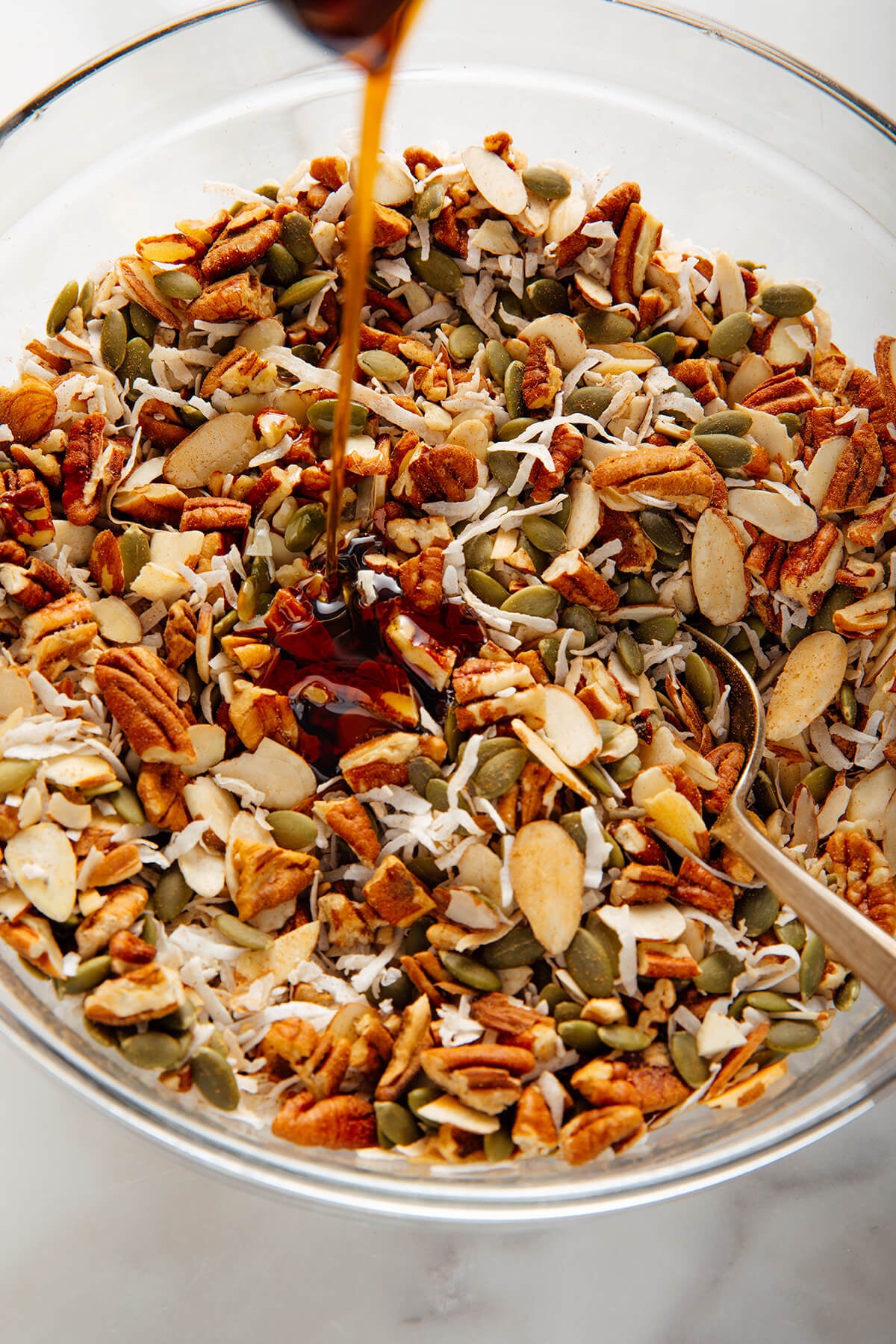
Sweeteners: Natural sweeteners such as maple syrup, honey, or date paste are typically used. The quantity can be adjusted to achieve the desired level of sweetness, with many recipes aiming for a minimally sweetened outcome to let the natural flavors of the nuts and seeds shine.
-
Flavorings: Spices like cinnamon are a classic addition, but other options like pumpkin spice blend, cardamom, or even a touch of vanilla extract can introduce diverse flavor profiles.
Substitution and Customization:
The beauty of this grain-free granola recipe lies in its inherent adaptability. For those with nut allergies, a nut-free version can be achieved by substituting nuts with additional seeds, such as pepitas or sunflower seeds. Similarly, individuals who dislike coconut can replace it with another nut or seed. For those who love coconut, increasing the quantity can be done by reducing other nuts or seeds accordingly. The type of shredded coconut used—finely shredded versus larger flakes—also impacts the final texture.
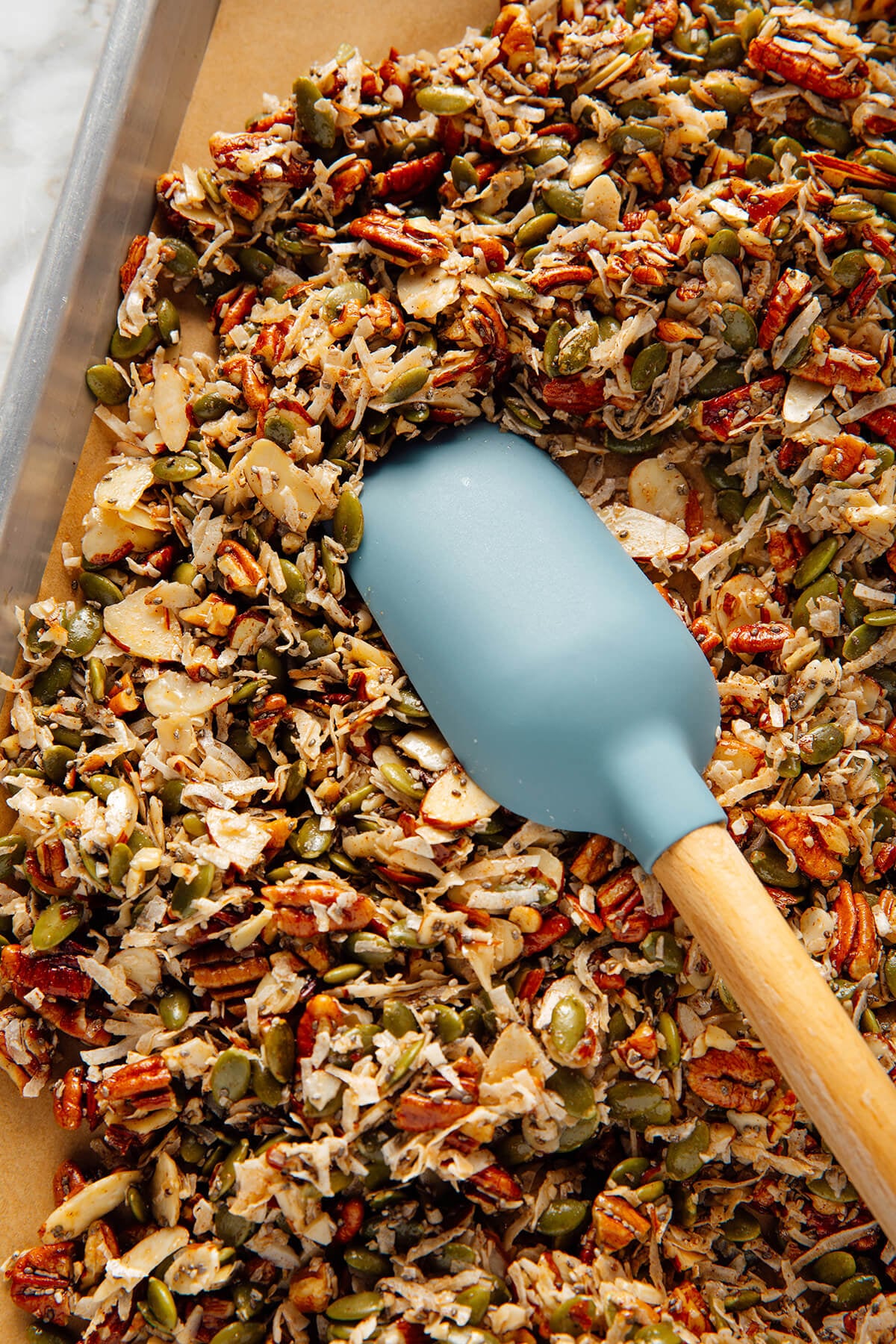
Chia seeds offer a more visible and textural presence, while flax seeds are more subtly integrated. Cinnamon can be omitted for a more pronounced nutty flavor or replaced with blends like pumpkin spice for seasonal variations.
Preparation and Culinary Applications
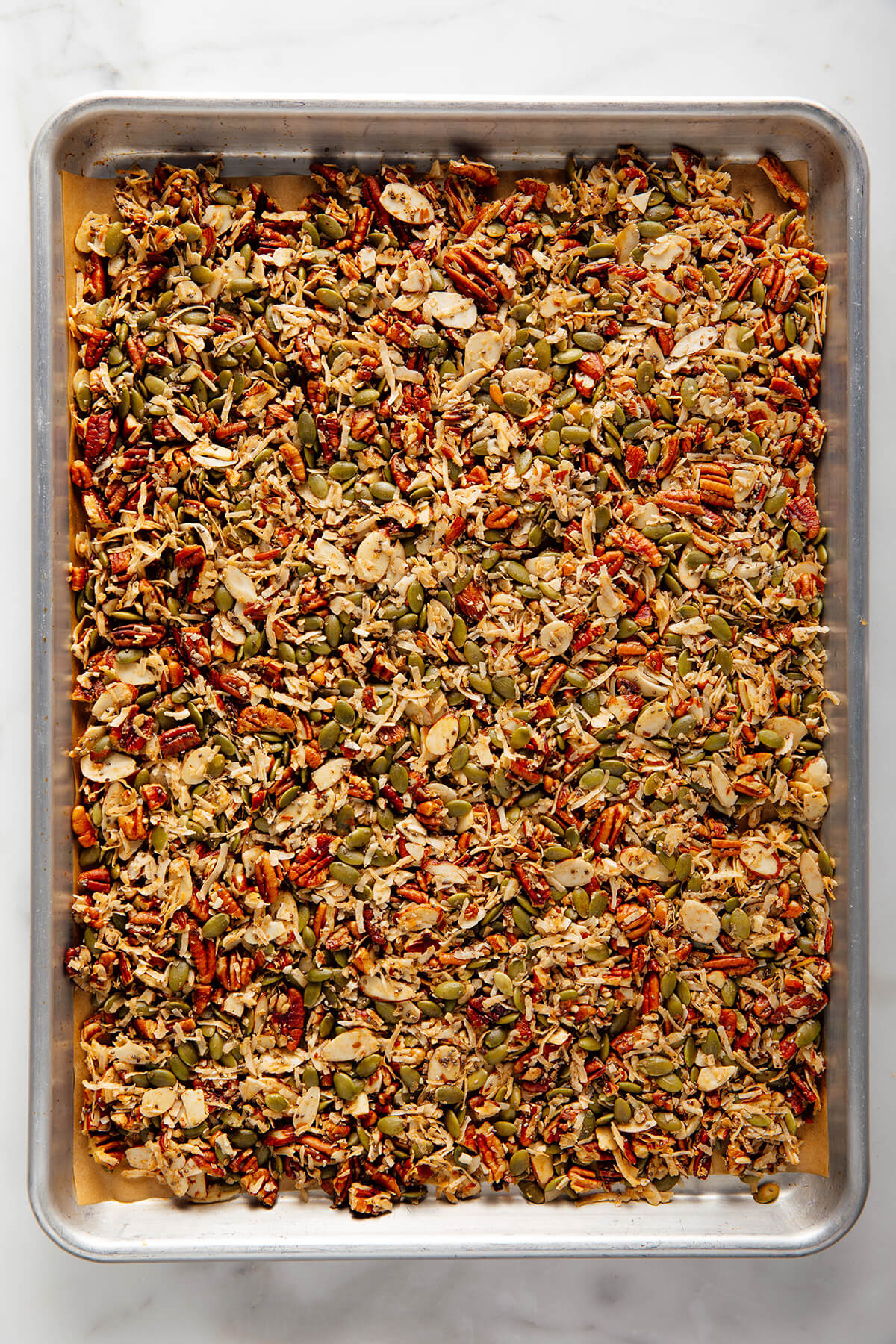
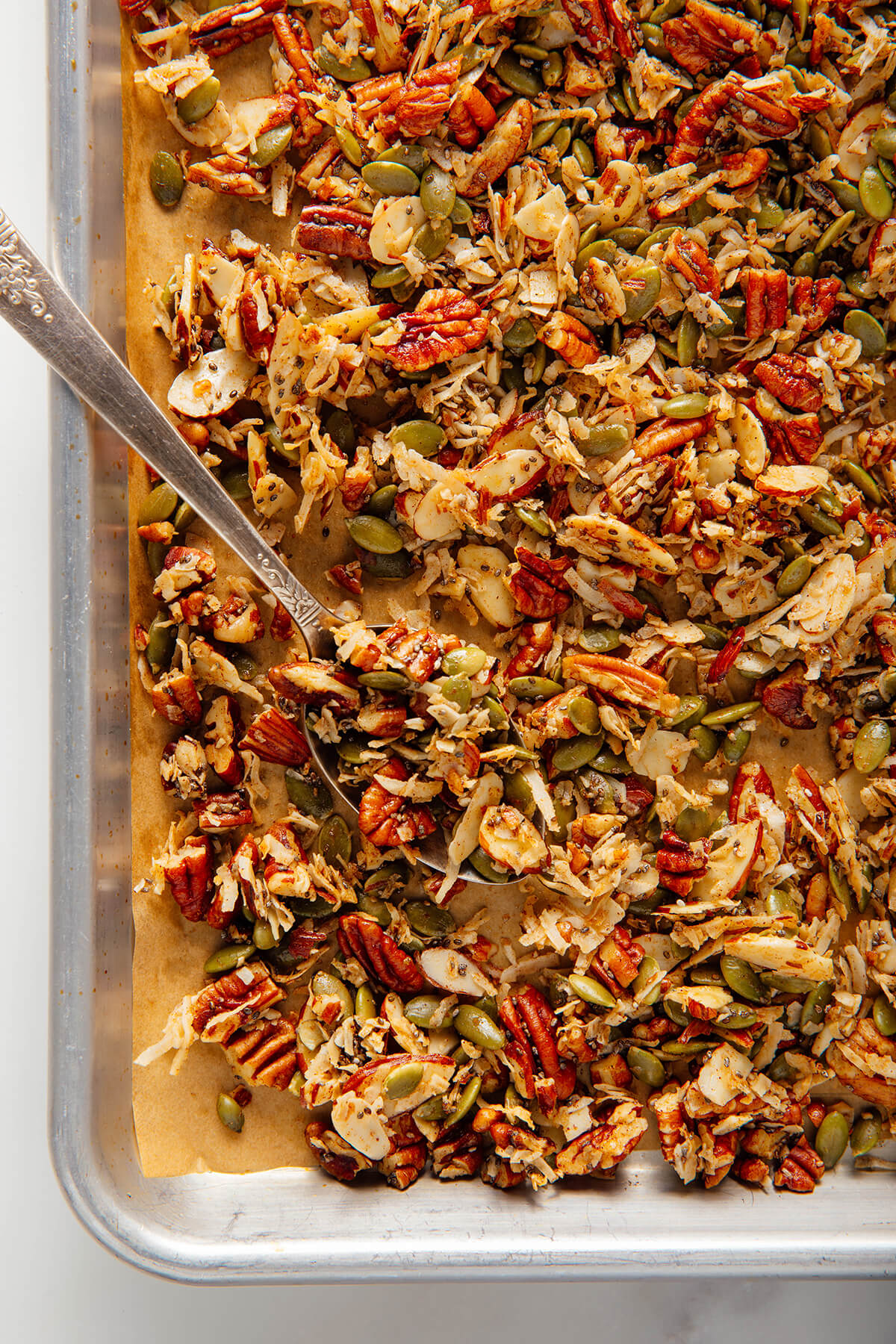
The preparation of grain-free granola is generally straightforward, often involving a simple mixing of ingredients followed by baking. The key to achieving a desirable texture, including small clumps, often lies in the cooling process. Allowing the granola to cool completely on the baking sheet is a crucial step for developing those satisfying clusters.
Serving Suggestions:
The applications for grain-free granola extend far beyond a simple breakfast topping. Its versatile crunch and flavor make it an excellent addition to a variety of dishes:
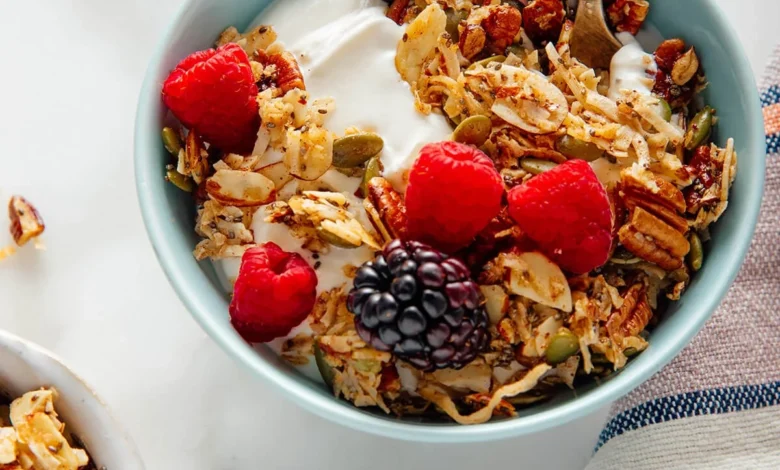
- Yogurt Parfaits: Layering grain-free granola with Greek yogurt and fresh berries creates a visually appealing and nutritionally balanced parfait.
- Smoothie Bowls: A sprinkle of granola adds essential texture and flavor to the top of any smoothie bowl.
- Salad Topper: For a unique sweet and savory element, grain-free granola can be used as a crunchy topping for green salads.
- Dessert Component: It can be incorporated into desserts, such as layered puddings or as a crunchy crust for cheesecakes.
- Snack Staple: Enjoyed by the handful, it serves as a satisfying and energizing snack.
The Broader Impact and Market Trends
The rise of grain-free granola is indicative of a larger trend towards personalized nutrition and the demand for food products that cater to specific dietary needs without compromising on taste or quality. This trend is influencing the food industry at multiple levels:
-
Product Innovation: Food manufacturers are increasingly developing and marketing grain-free alternatives across various product categories, from cereals and snacks to baked goods. This innovation is driven by consumer demand and the desire to capture a larger market share.
-
Health and Wellness Focus: The emphasis on whole, unprocessed ingredients and the avoidance of refined grains aligns with the broader health and wellness movement. Consumers are becoming more discerning about what they eat, seeking out foods that offer tangible health benefits.
-
Market Growth: The global market for gluten-free and grain-free products has seen significant growth in recent years and is projected to continue expanding. This growth is fueled by increasing awareness of dietary intolerances, the perceived health benefits of these diets, and a growing consumer base seeking healthier food options.
Conclusion
Grain-free granola represents more than just a dietary trend; it is a culinary innovation that offers a delicious and inclusive alternative to traditional granola. Its adaptability, nutritional density, and versatility make it a valuable addition to any kitchen, catering to a growing segment of the population seeking mindful and satisfying food choices. As consumer awareness and demand for personalized nutrition continue to evolve, grain-free options like this are poised to remain a significant and celebrated part of the modern food landscape.