Fall Chicken Sheet Pan Dinner Offers High-Protein Solution for Weeknight Autumn Meals

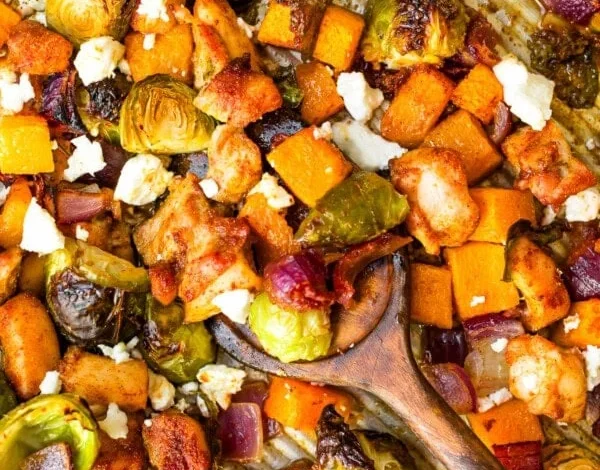
The culinary landscape of autumn home cooking has increasingly shifted toward efficiency, nutritional balance, and minimal cleanup, a trend underscored by the introduction of the Fall Chicken Sheet Pan Dinner. Developed as a seasonal response to the demands of modern meal planning, this high-protein, single-vessel recipe merges lean poultry with traditional cold-weather produce, reflecting broader consumer preferences for functional yet comforting seasonal fare.
Background and Nutritional Context
As autumn temperatures drop, home cooks traditionally pivot toward heavier, warmer dishes, which can often lead to increased caloric intake and complex preparation methods. In response to public health initiatives emphasizing lean protein consumption and vegetable-forward diets, recipe developers have focused on streamlining meal creation without sacrificing nutritional integrity.
Sheet pan dinners have emerged as a dominant category in modern domestic gastronomy. By consolidating multiple cooking processes onto a single baking sheet, this culinary method preserves water-soluble nutrients that might otherwise be lost in boiling or multi-pot preparation, while caramelization enhances natural sugars in vegetables without requiring excessive added fats.
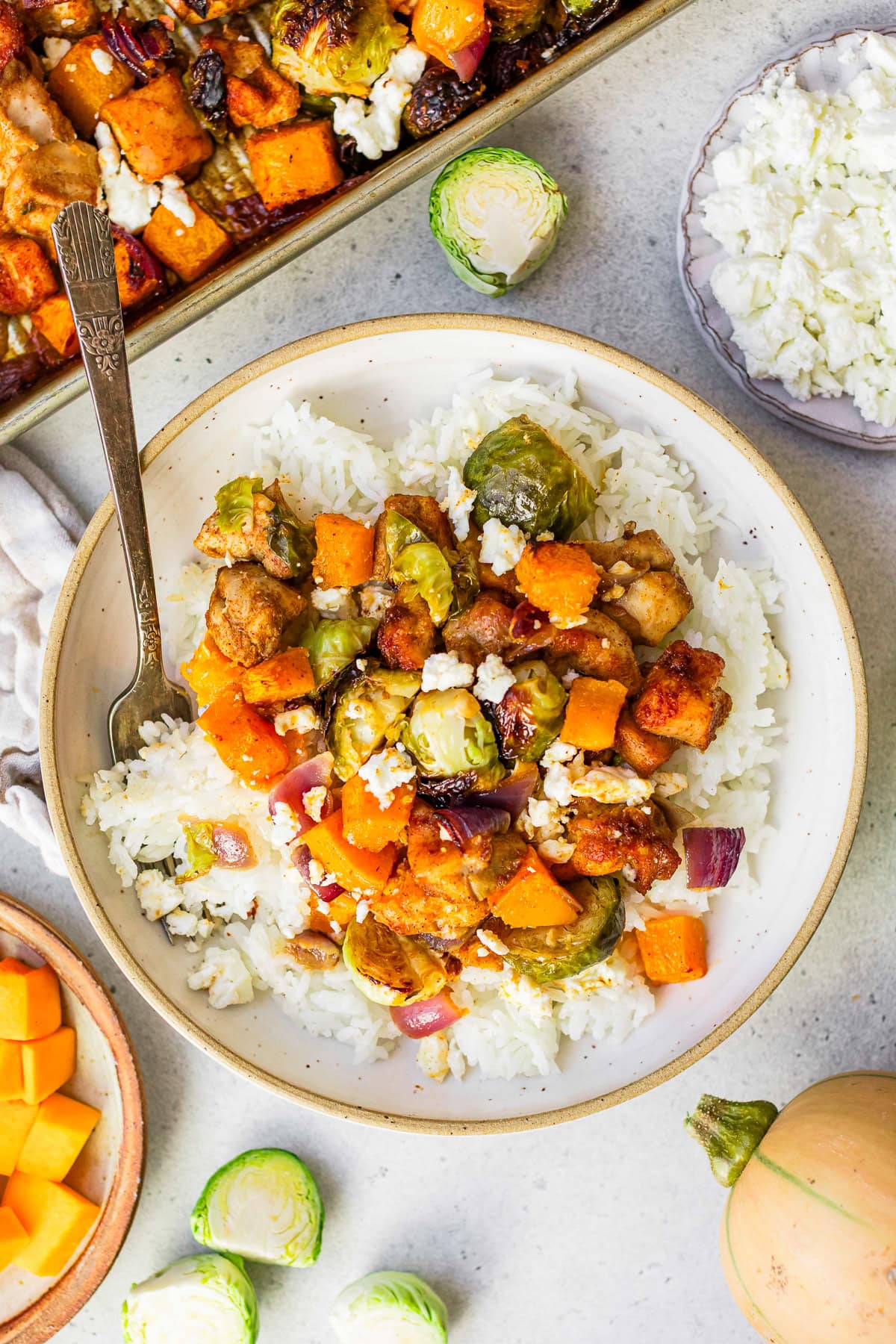
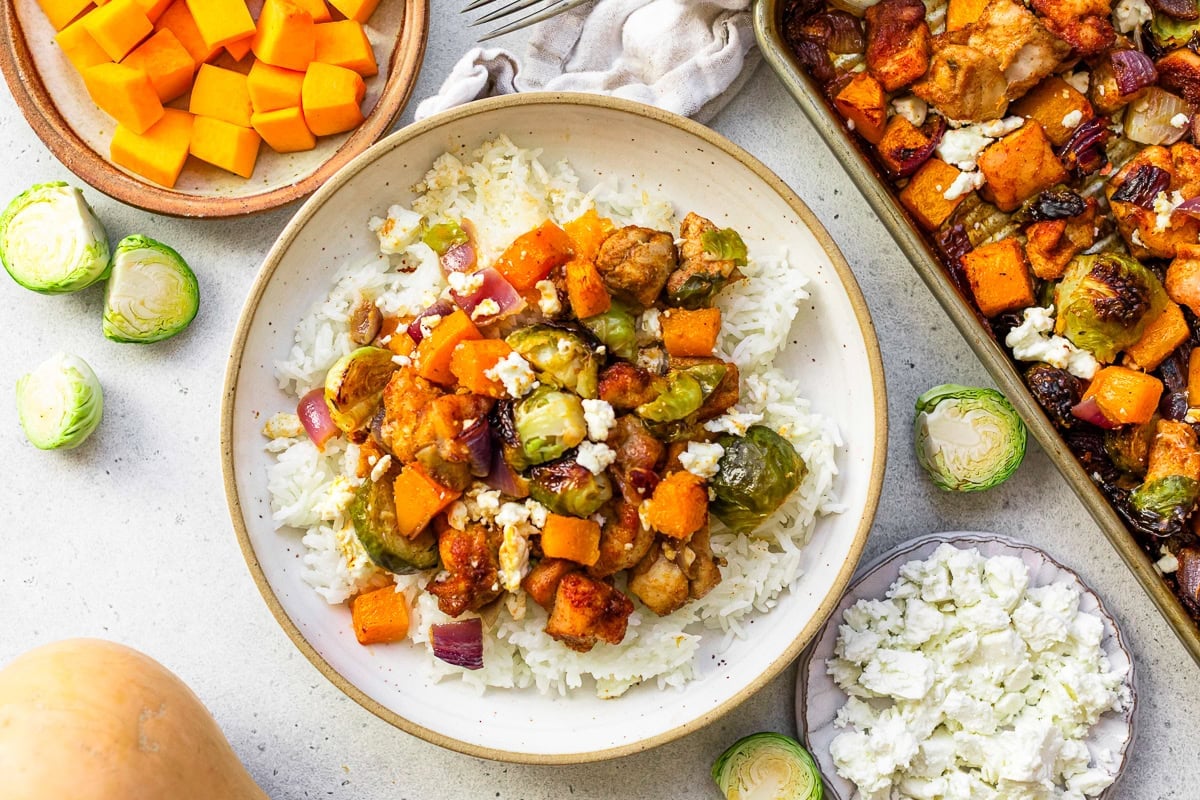
The Fall Chicken Sheet Pan Dinner exemplifies this balance. Featuring a foundation of tender, high-protein chicken breast complemented by nutrient-dense autumn produce—specifically butternut squash, Brussels sprouts, and red onion—the dish is engineered to meet daily macronutrient targets. Nutritional analyses of the recipe indicate an average yield of approximately 40 grams of protein per serving, paired with roughly 18.5 grams of carbohydrates and 4.5 grams of dietary fiber, positioning the meal favorably within sports nutrition and weight management frameworks.
Culinary Methodology and Preparation Timeline
The structural efficiency of the recipe relies on strategic preparation timing and thermal dynamics. Culinary experts recommend a systematic approach to ingredient management to optimize the cooking process, which typically spans a total of 50 minutes from conception to table.

The preparation timeline is delineated into distinct phases:
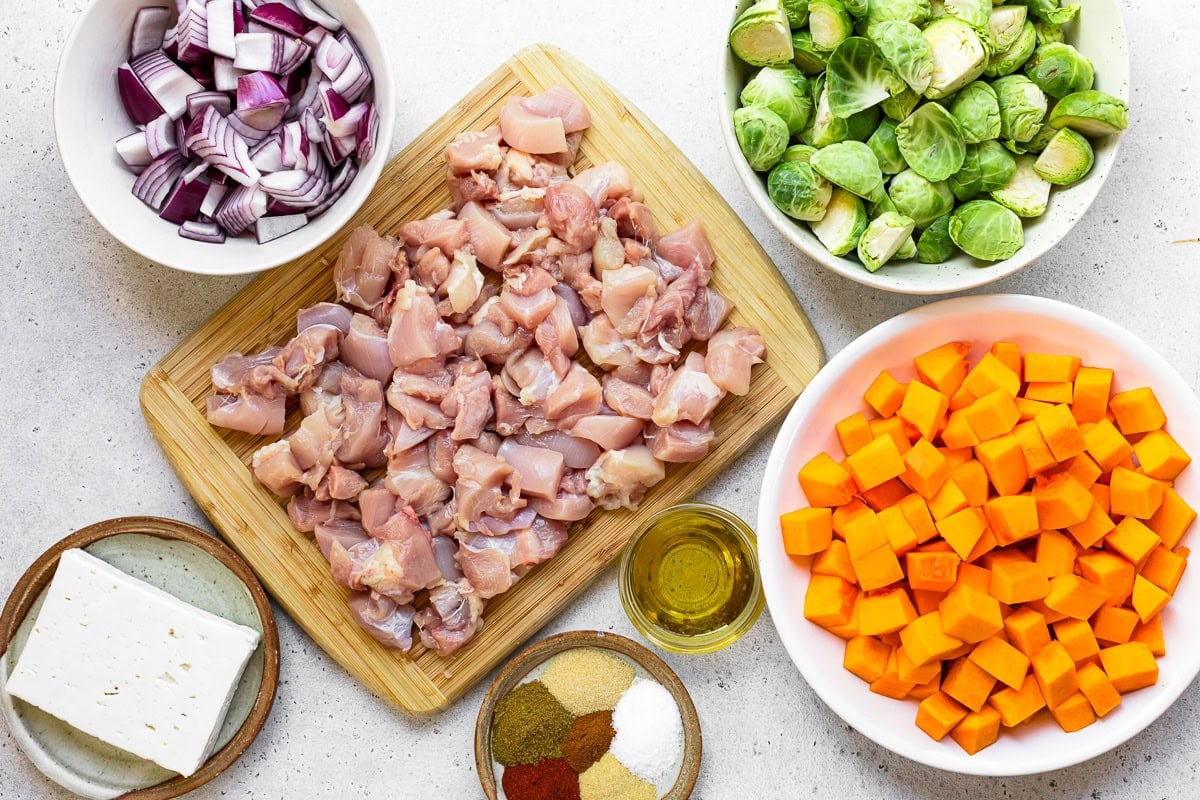
- Prep Phase (15 Minutes): Ingredients are partitioned and seasoned. A warm spice blend, typically incorporating elements such as paprika and cinnamon, is prepared separately. Vegetables—cubed butternut squash, halved Brussels sprouts, and sliced red onion—are tossed uniformly with olive oil and a portion of the spice mixture to ensure even coat distribution. The poultry is similarly seasoned. For optimized efficiency, these components can be prepared up to 24 hours in advance and stored in airtight refrigeration containers.
- Thermal Phase (35 Minutes): The components are distributed across a standard rimmed baking sheet. Due to varying density and moisture levels, proper spacing is critical to ensure roasting rather than steaming. The pan is introduced to a preheated oven, allowing the natural sugars in the butternut squash and red onion to caramelize while the Brussels sprouts develop a crisp exterior and the chicken achieves an internal food-safe temperature.
- Finishing Phase: In the final moments of cooking, crumbled feta cheese is distributed across the surface of the pan. Brief exposure to the broiler melts the cheese, binding the savory, earthy notes of the roasted vegetables with the creamy, saline profile of the dairy.
Culinary Adaptability and Dietary Modifications
Modern dietary patterns frequently necessitate recipe flexibility to accommodate allergies, intolerances, and ethical eating choices. Food science and home economics specialists note that sheet pan architectures are uniquely suited for substitution.

In response to dietary trends prioritizing plant-based alternatives or specific micronutrient profiles, the core framework of the autumn sheet pan meal allows for numerous iterations:
- Vegetarian and Vegan Alternatives: The poultry component can be replaced with firm pressed tofu, tempeh, or chickpeas, while plant-based feta substitutes maintain the dish’s signature texture and flavor contrast.
- Produce Variations: Root vegetables such as parsnips, sweet potatoes, or carrots can easily substitute for butternut squash, adapting to local agricultural availability and seasonal harvest cycles.
- Grain Integration: While traditionally consumed independently, the finished roast can be served atop ancient grains such as farro, quinoa, or wild rice to increase complex carbohydrate density for high-energy expenditure demographics.
Broader Market Implications and Meal Prep Trends
The rise of streamlined, nutrient-dense recipes like the Fall Chicken Sheet Pan Dinner reflects larger socioeconomic shifts in domestic labor and food consumption. With contemporary households facing time constraints, the demand for streamlined cooking methods that reduce post-meal cleanup has escalated significantly.
Market research within the culinary publishing sector indicates a sustained surge in interest regarding one-pan methodologies. This trend aligns with broader movements toward anti-food waste practices, as versatile sheet pan recipes frequently serve as a medium for utilizing surplus refrigerator produce. Furthermore, the inherent stability of roasted chicken and root vegetables makes the dish an optimal candidate for weekly batch cooking and institutional or workplace meal-prep programs, offering consistent textural preservation upon reheating.
Public health advocates and culinary educators continue to promote such home-preparation strategies as an effective countermeasure against ultra-processed convenience foods. By combining accessible ingredients with balanced nutritional metrics, the modern sheet pan dinner remains a cornerstone of contemporary nutritional pragmatism.