A Summertime Delight: Gluten-Free Blueberry Cobbler with a Craggy Almond Flour Topping Redefines Dessert Standards

The culinary landscape of summer desserts is often dominated by familiar favorites, yet a recent innovation in cobbler preparation is poised to elevate the humble blueberry treat to new heights. This refined approach centers on a naturally gluten-free almond flour topping, offering a delightful textural contrast and a nuanced flavor profile that many are finding superior to traditional flour-based recipes. The creator of this distinctive recipe, Kathryne Taylor, a well-established food writer and cookbook author, suggests this almond flour cobbler is not just a nod to dietary needs but a culinary advancement in its own right, promising a tender interior and a perfectly crisp, craggy exterior that embodies the essence of a quintessential summer indulgence.
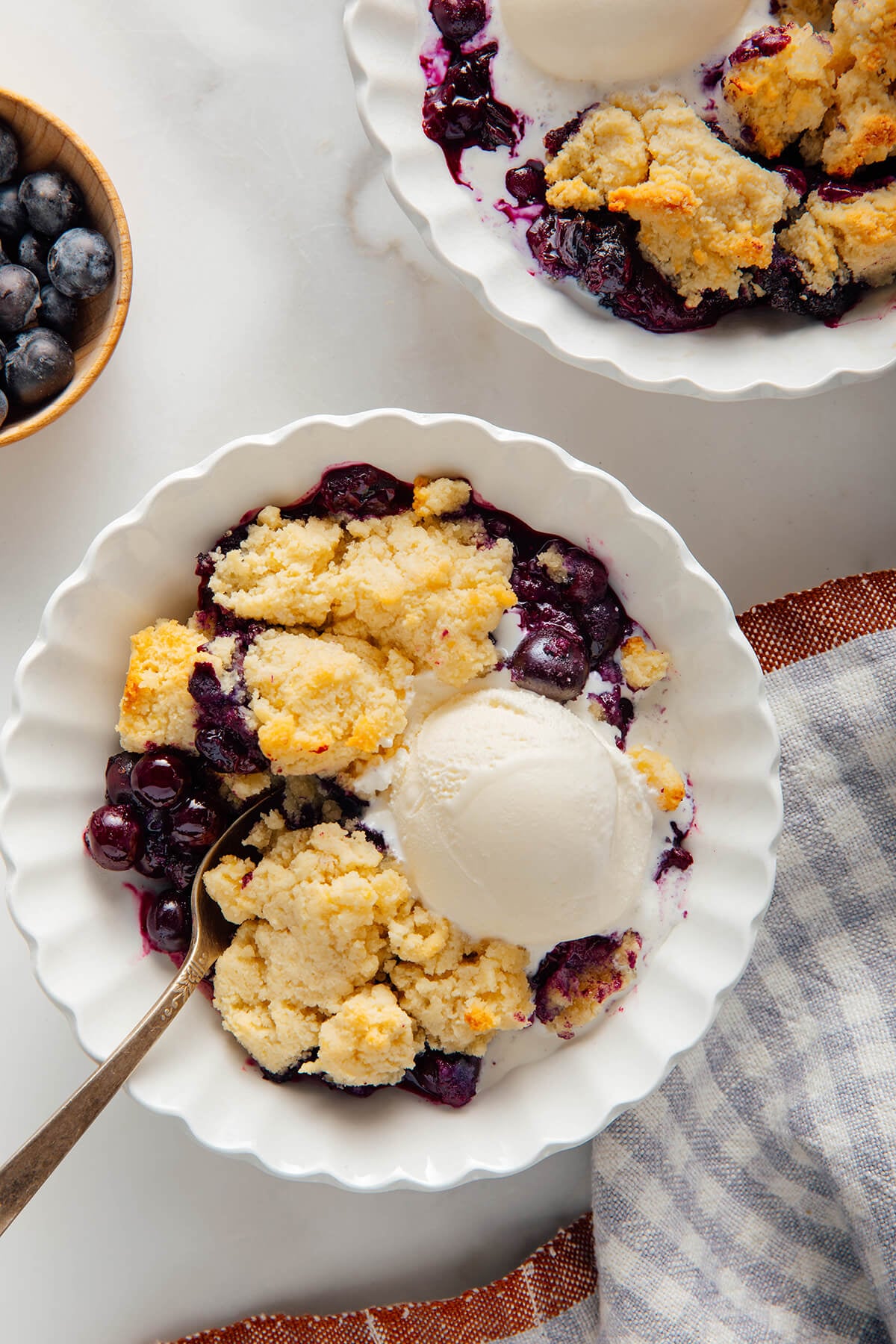
This particular iteration of blueberry cobbler is an evolution from Taylor’s previously acclaimed blueberry crisp and a direct descendant of her highly successful peach cobbler recipe, which garnered significant attention for its delectable outcome. The shift towards cobblers signifies a broader trend in home baking, moving beyond the ubiquitous crisp to explore the rustic charm and comforting nature of baked fruit topped with a more substantial, yet still delicate, biscuit-like coating. The appeal of this new recipe lies in its dual promise: catering to those seeking gluten-free options without compromising on taste or texture, and offering a fresh perspective for all dessert enthusiasts.
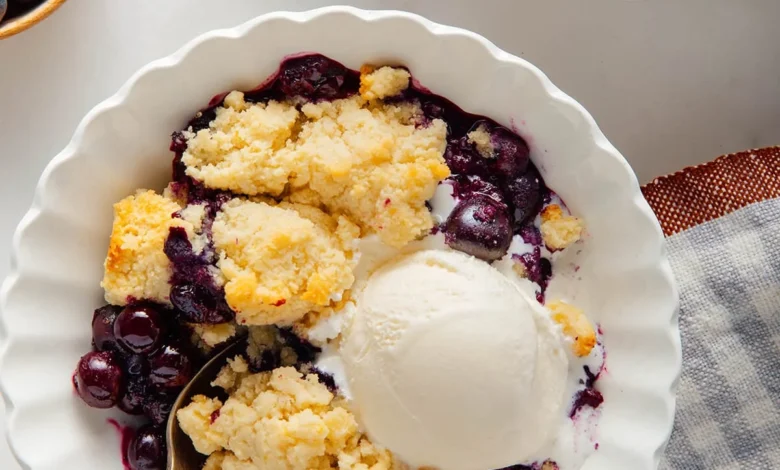
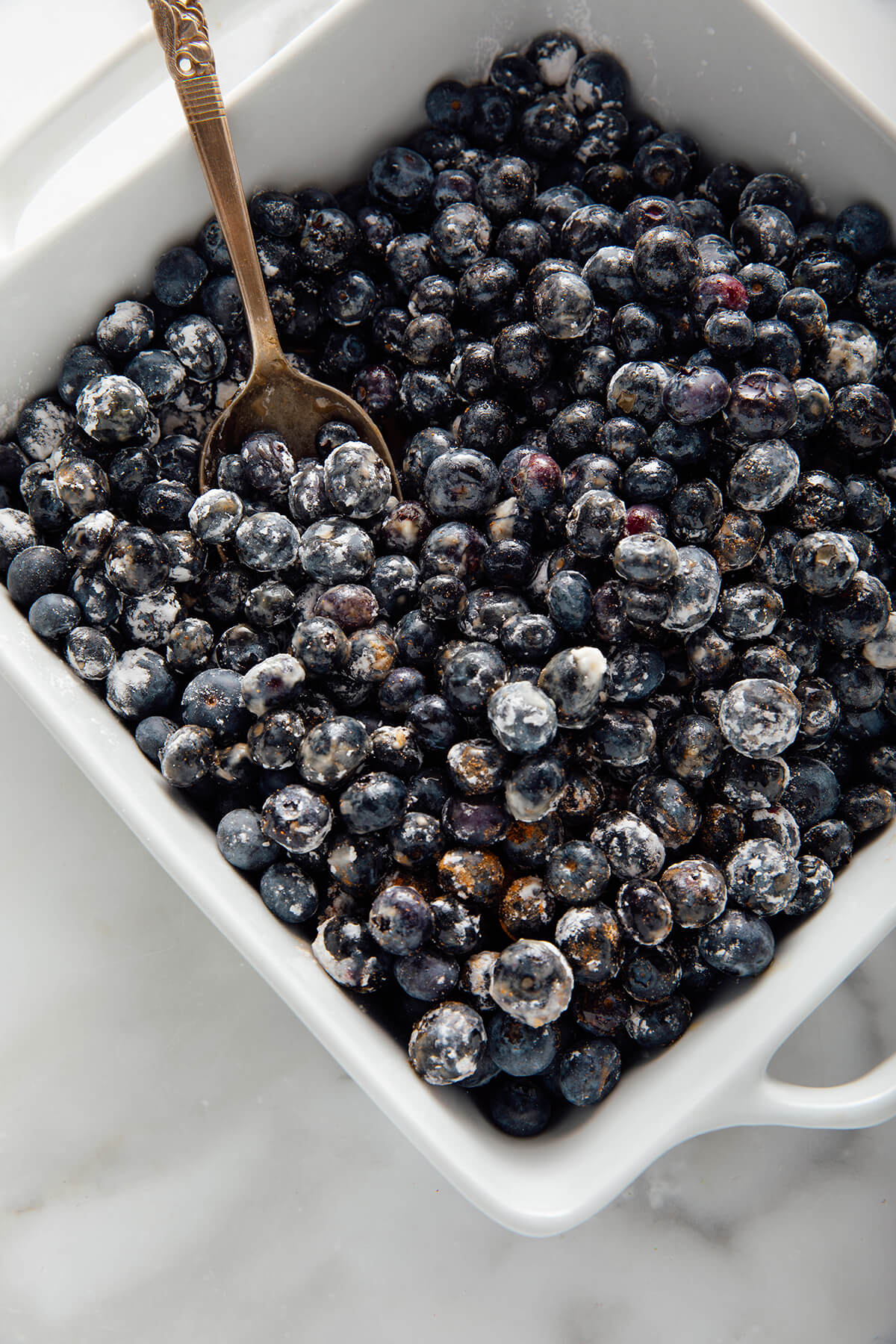
The foundation of this celebrated cobbler is its filling, a vibrant medley of ripe blueberries. When baked, these berries transform into a jammy, luscious layer, their natural sweetness enhanced by the baking process. This rich fruit base is then crowned with a topping meticulously crafted from almond flour. Unlike conventional cobbler toppings that rely on wheat flour, this almond flour variant provides a unique characteristic: a subtle, nutty undertone that harmonizes beautifully with the tartness of the blueberries. The texture is also a key differentiator. While remaining tender and moist within, the edges of the almond flour topping develop a satisfying crispness and an appealingly "craggy" appearance, a visual cue that hints at the delightful crunch awaiting the diner.
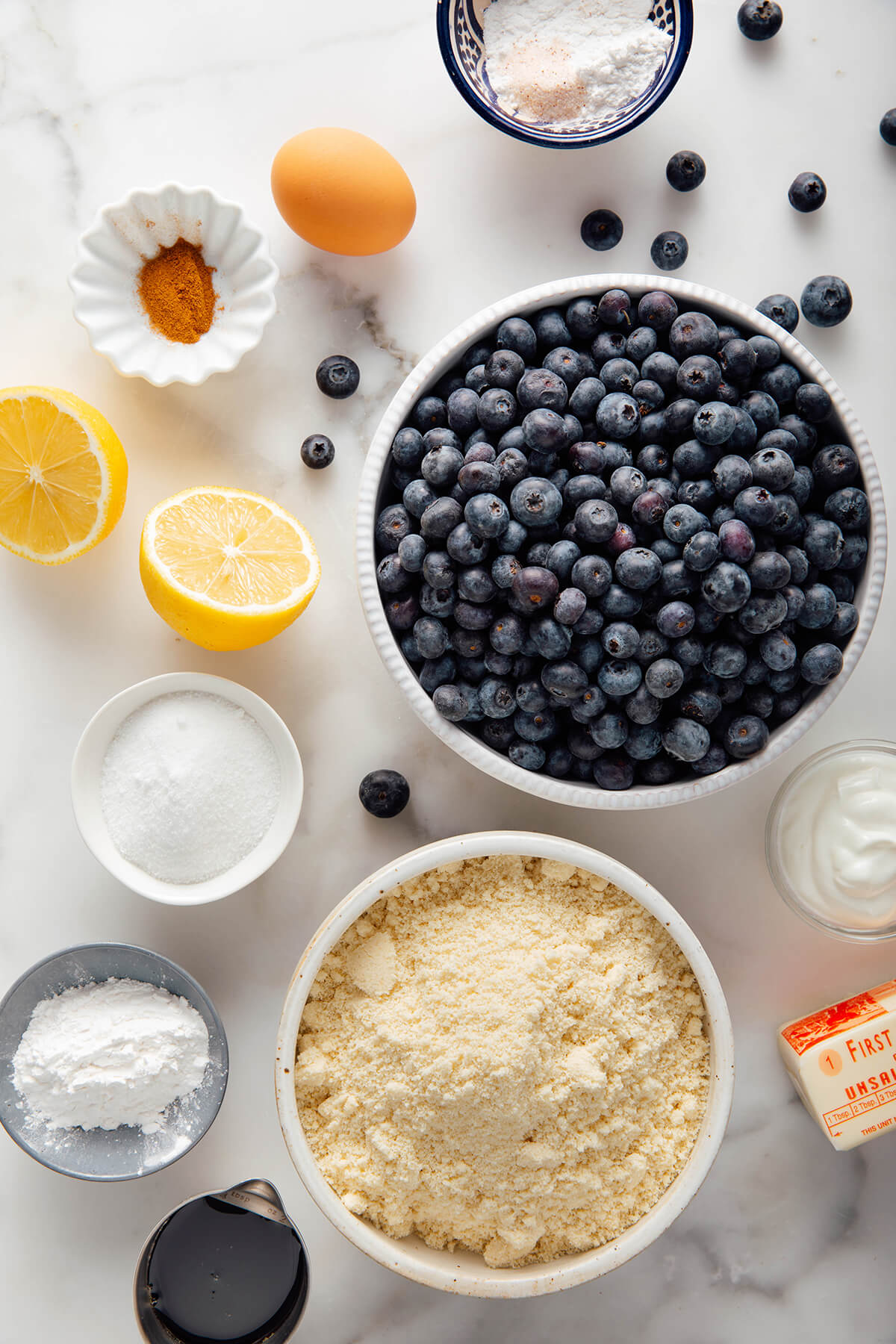
The development of this recipe stems from a growing appreciation for alternative baking ingredients and a desire to push the boundaries of traditional dessert making. Taylor’s assertion that "The Best Blueberry Cobbler is Gluten-Free" is not merely a statement of preference but a declaration of confidence in the superiority of this particular formulation. She highlights the ease of working with almond flour compared to its all-purpose counterpart, noting its inherent moistness which contributes to a more forgiving baking experience. This characteristic is crucial in achieving a perfectly baked dessert where the topping is golden brown and cooked through, while the fruit filling remains bubbly and luscious, avoiding the common pitfall of a burnt topping or an undercooked interior.
The preparation methodology employed in this recipe is a deliberate two-step baking process designed to optimize the final texture of both the filling and the topping. This technique involves an initial bake of the blueberry filling, allowing it to thicken and develop its characteristic jamminess, followed by the addition and subsequent baking of the almond flour topping. This sequential approach ensures that the topping achieves its desired golden hue and crispness without overcooking the fruit beneath. This careful orchestration of the baking timeline is a testament to the nuanced understanding of ingredient interactions and heat distribution that underpins successful baking.
The broader implications of this recipe’s success extend beyond the realm of home kitchens and into the evolving landscape of the food industry. As consumer demand for gluten-free options continues to surge, driven by increased awareness of celiac disease and gluten sensitivities, recipes like this demonstrate that dietary restrictions do not necessitate a sacrifice in culinary pleasure. The market for gluten-free baked goods has seen significant growth over the past decade, with projections indicating continued expansion. This trend is fueled by innovation in alternative flours and baking techniques, moving away from a perception of gluten-free as a niche market to a mainstream expectation for quality and taste. Taylor’s recipe exemplifies this shift, offering a sophisticated and delicious alternative that appeals to a wide audience, regardless of dietary needs.
Furthermore, the emphasis on almond flour aligns with a growing interest in nutrient-dense ingredients. Almonds are recognized for their healthy fats, protein, and fiber content. Incorporating almond flour into baked goods not only enhances flavor and texture but also contributes to the nutritional profile of the dessert. This conscious choice of ingredients reflects a wider movement towards more mindful eating, where the quality and origin of food are increasingly important to consumers. The subtle flavor imparted by the almond flour also elevates the overall sensory experience, making this cobbler a more complex and satisfying dessert than its simpler counterparts.
The origin of this recipe can be traced to Taylor’s extensive experience in developing and refining dessert recipes. Her portfolio includes a deep exploration of fruit-based desserts, with a particular fondness for crisps and now, cobblers. This particular recipe builds upon the foundational knowledge gained from previous successes, adapting and improving upon them to create something new and exceptional. The lineage from her peach cobbler and blueberry crisp recipes suggests a systematic approach to recipe development, where successful elements are identified, tested, and integrated into new creations. This iterative process is common in culinary innovation, where chefs and home cooks alike draw inspiration from past triumphs to forge new culinary paths.
The impact of such recipes is also felt within the online food community. Platforms like CookieandKate.com, where this recipe is featured, serve as vital hubs for culinary inspiration and education. The sharing of detailed instructions, ingredient notes, and visual guides, including embedded video content, empowers home cooks to replicate complex or novel recipes with confidence. The detailed nutritional information provided, alongside practical tips for using ingredients like frozen blueberries and different brands of almond flour, demonstrates a commitment to user accessibility and culinary education. This collaborative environment fosters a sense of community among home bakers and contributes to the broader dissemination of innovative culinary techniques.
In conclusion, this gluten-free blueberry cobbler with an almond flour topping represents a significant development in the realm of summer desserts. By thoughtfully combining a beloved seasonal fruit with an innovative, naturally gluten-free topping, Kathryne Taylor has crafted a recipe that is both inclusive and exceptionally delicious. Its success underscores the ongoing evolution of baking, where dietary needs are met with culinary creativity, and traditional favorites are reimagined with a focus on flavor, texture, and wholesome ingredients. As this recipe gains traction, it is likely to inspire further exploration into alternative flours and baking methods, redefining expectations for gluten-free desserts and enriching the repertoire of home bakers everywhere. The craggy, golden crust and jammy blueberry interior offer a compelling argument for its elevated status, promising a memorable and satisfying dessert experience that embodies the best of summer’s bounty.