Published July 20, 2026 06:52AM
For those new to the transformative world of yoga or individuals seeking a more deliberate and calming start to their day, a specialized 10-minute morning yoga routine has been developed to cater to these needs. This practice emphasizes fundamental poses and fluid movements, making it an ideal entry point for beginners or anyone looking to incorporate mindful movement without the pressure of advanced sequences. The routine offers flexibility, allowing practitioners to adapt the sequence based on their daily energy levels or to return to it consistently as a foundational practice.
The core of this accessible yoga sequence involves a series of classic poses, including the restorative Child’s Pose, the dynamic Cat-Cow, the strengthening High Lunge and Chair Pose, and gentle seated stretches. Designed in a flow style, the practice encourages practitioners to hold each posture for a few breaths, fostering a deeper connection with their bodies, before smoothly transitioning to the next. This mindful linking of movements, synchronized with breath, is a hallmark of yoga that promotes both physical and mental well-being.
It is important to acknowledge that morning stiffness is a common experience for many. This practice is designed with that in mind, offering gentle movements to ease the body into the day. The accessibility of this routine means it can be revisited repeatedly, allowing individuals to build confidence and deepen their understanding of each pose at their own pace. Ultimately, the practice is a personal journey, adaptable to individual needs and preferences.
The Foundation: A 10-Minute Morning Yoga Sequence
The provided video resource, embedded for easy access, guides users through a comprehensive 10-minute morning yoga sequence. The practice requires no specialized equipment beyond a yoga mat, emphasizing its simplicity and portability. The instruction encourages a focus on the process rather than solely on achieving a perfect pose, recognizing that consistency is key to progress in yoga.
A key element of this practice is the integration of affirmations. A short, empowering phrase is introduced to be contemplated during the practice and carried throughout the day. The affirmation for this particular session is "I am calm and centered." This mental focus is designed to enhance the mind-body connection, fostering a sense of tranquility and grounding that can significantly impact one’s outlook and actions for the remainder of the day.
Exploring the Poses: A Step-by-Step Guide
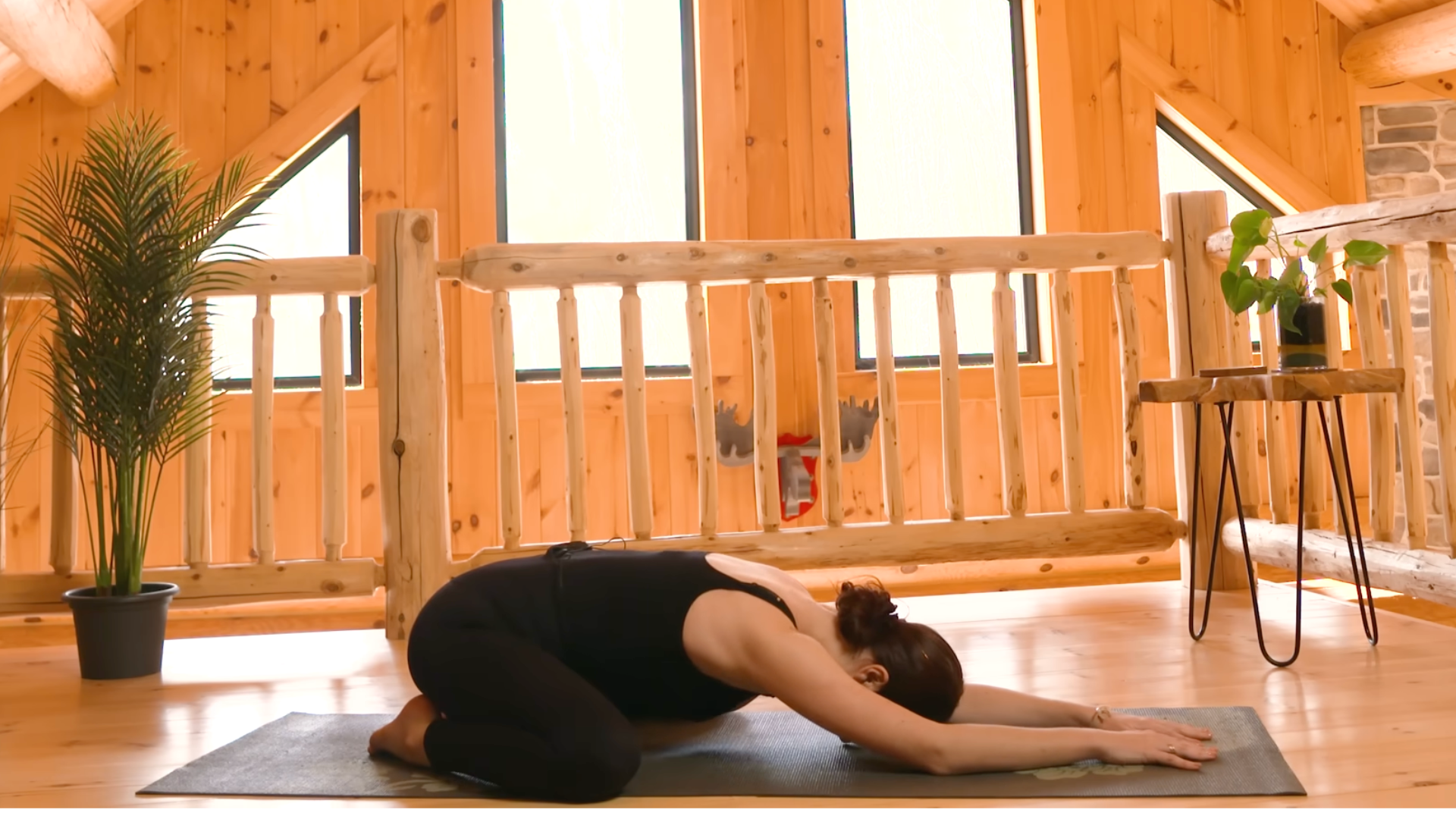
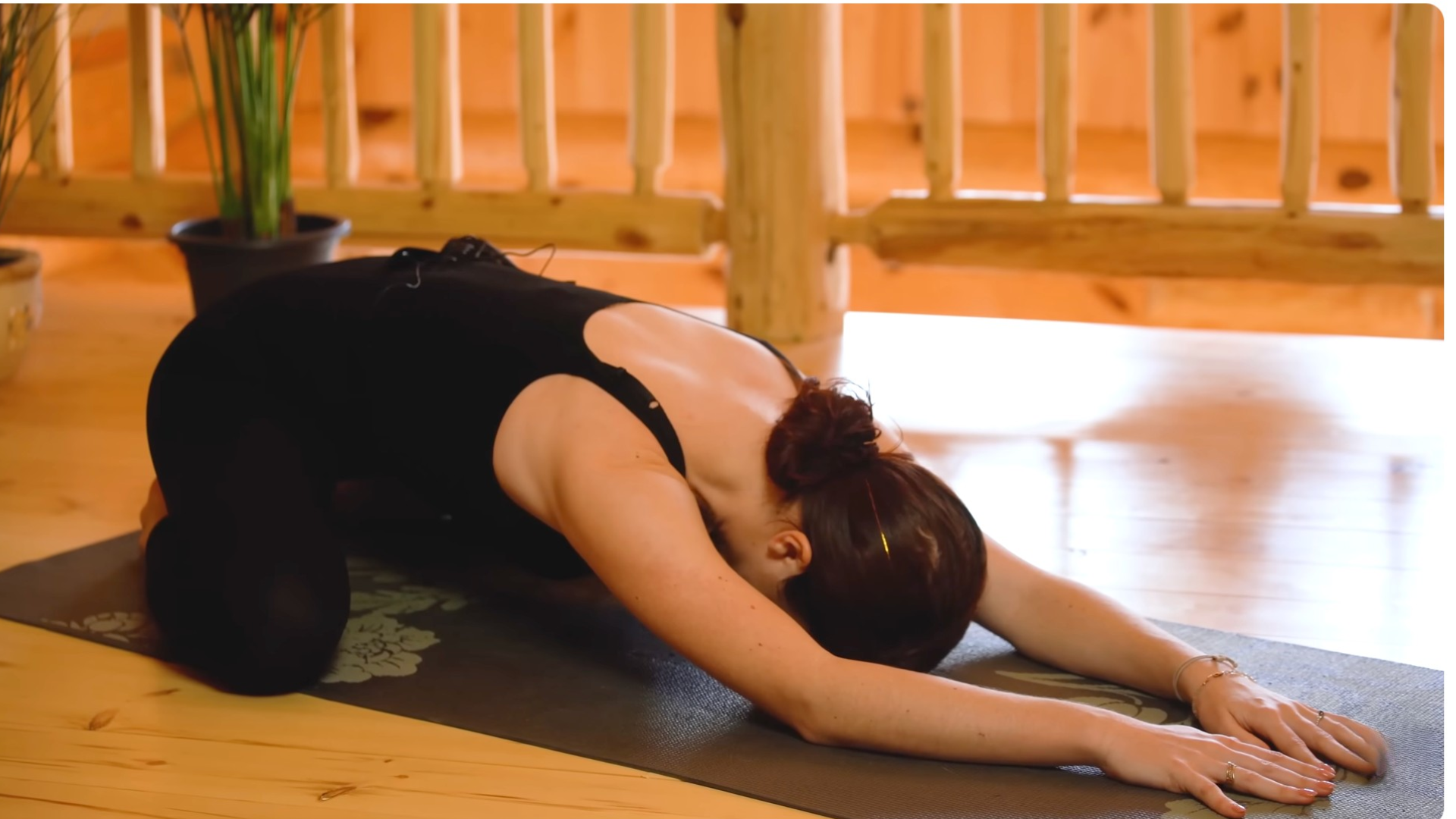
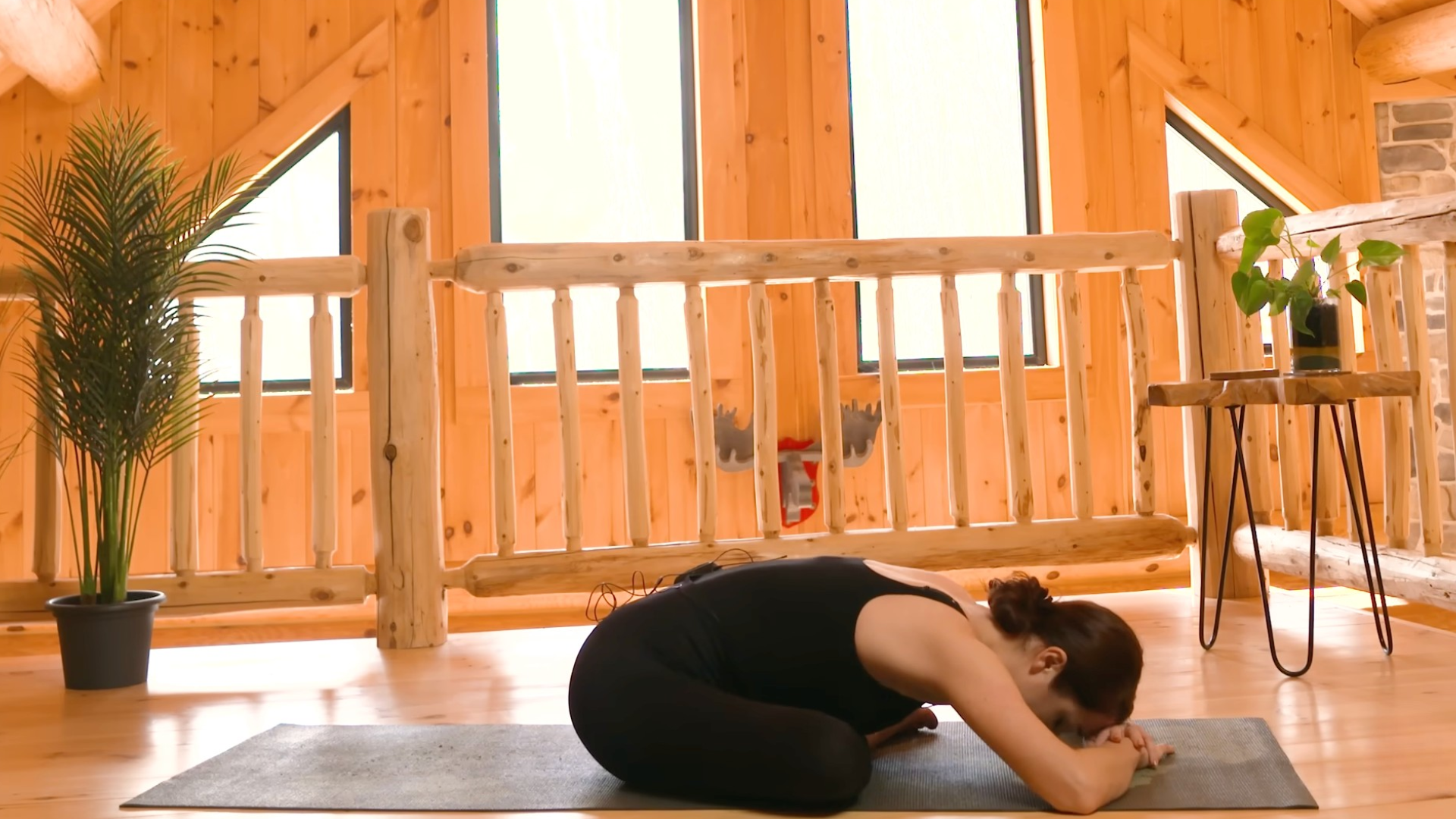
The sequence begins with Child’s Pose (Balasana), a foundational resting pose. Practitioners are instructed to bring their big toes together, widen their knees to their comfort level, and then extend their hips back towards their heels. The torso is lowered to the mat, with arms reaching forward, allowing the shoulders to relax away from the ears. Holding this pose for five deep breaths, while repeating the affirmation "I am calm and centered," helps to initiate a sense of peace and release tension.
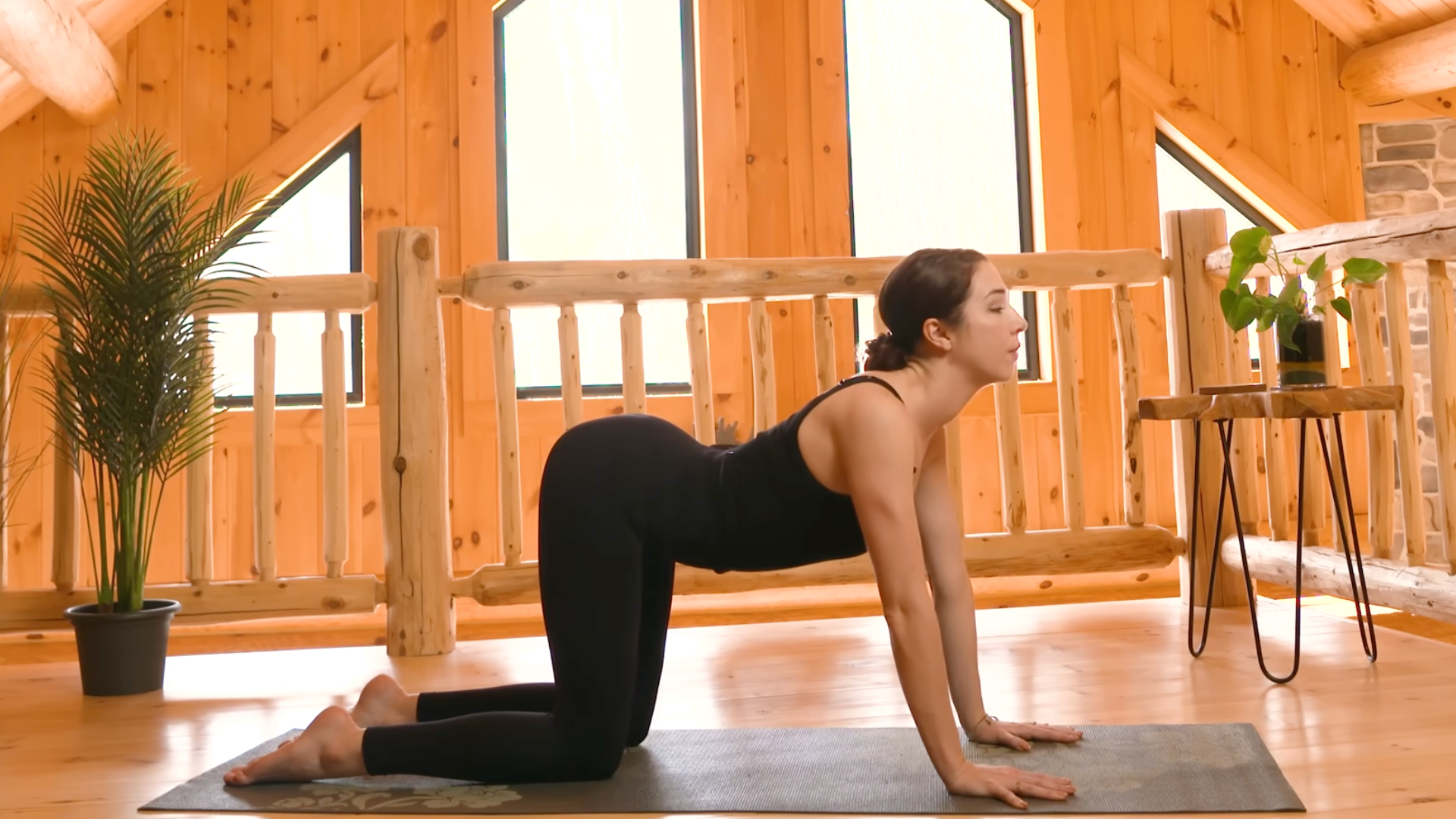
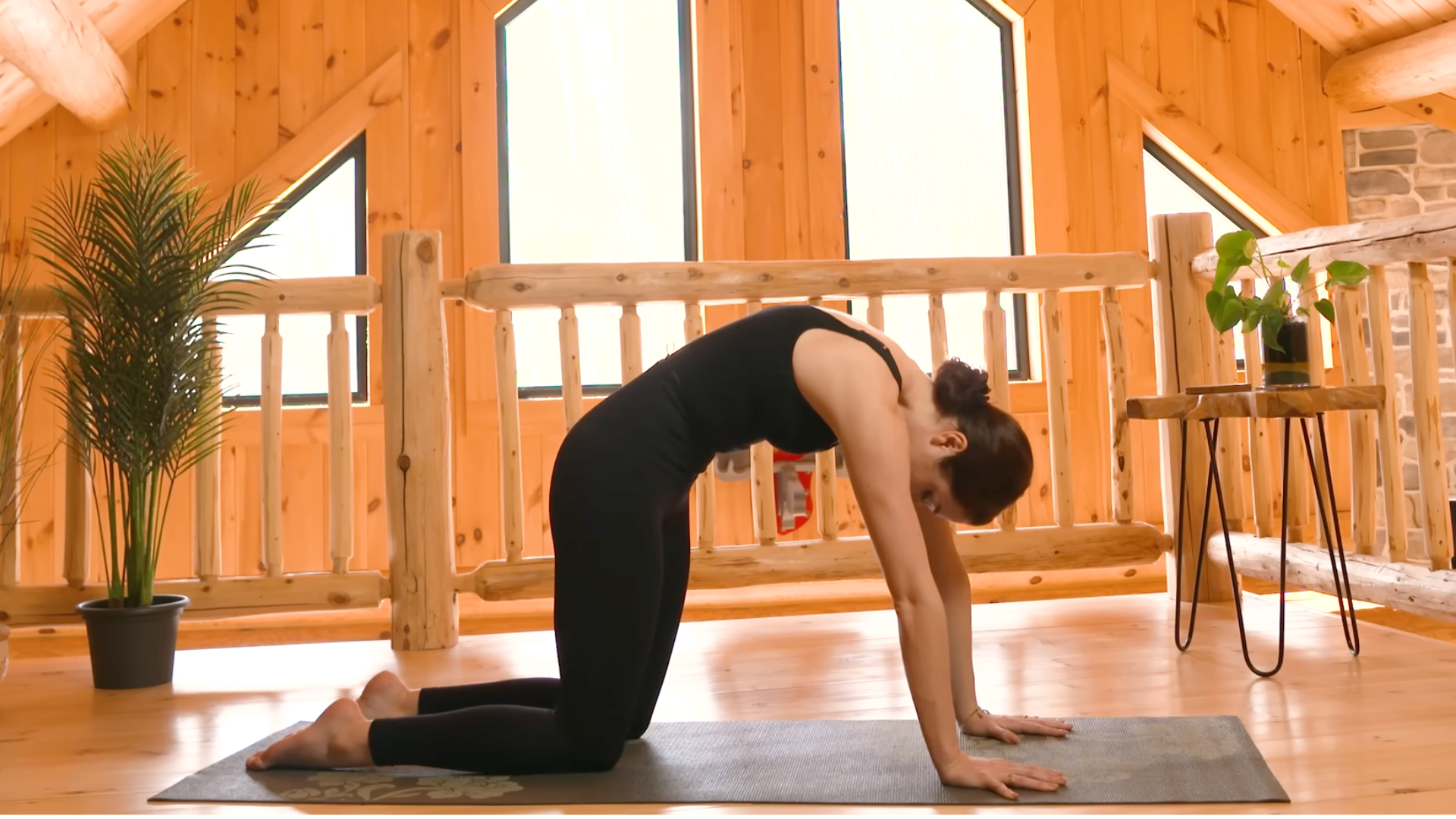
Next, the practice moves to the Cat-Cow (Marjaryasana-Bitilasana) flow. From a tabletop position with hands beneath shoulders and knees beneath hips, the movement begins with an inhale. The belly drops, the back arches, and the gaze lifts into Cow Pose. On the exhale, the spine rounds, the chin tucks towards the chest, and the navel draws towards the spine in Cat Pose. This gentle spinal flexion and extension, performed in sync with the breath for several cycles, serves to awaken and lubricate the vertebral column, preparing it for more active movements.
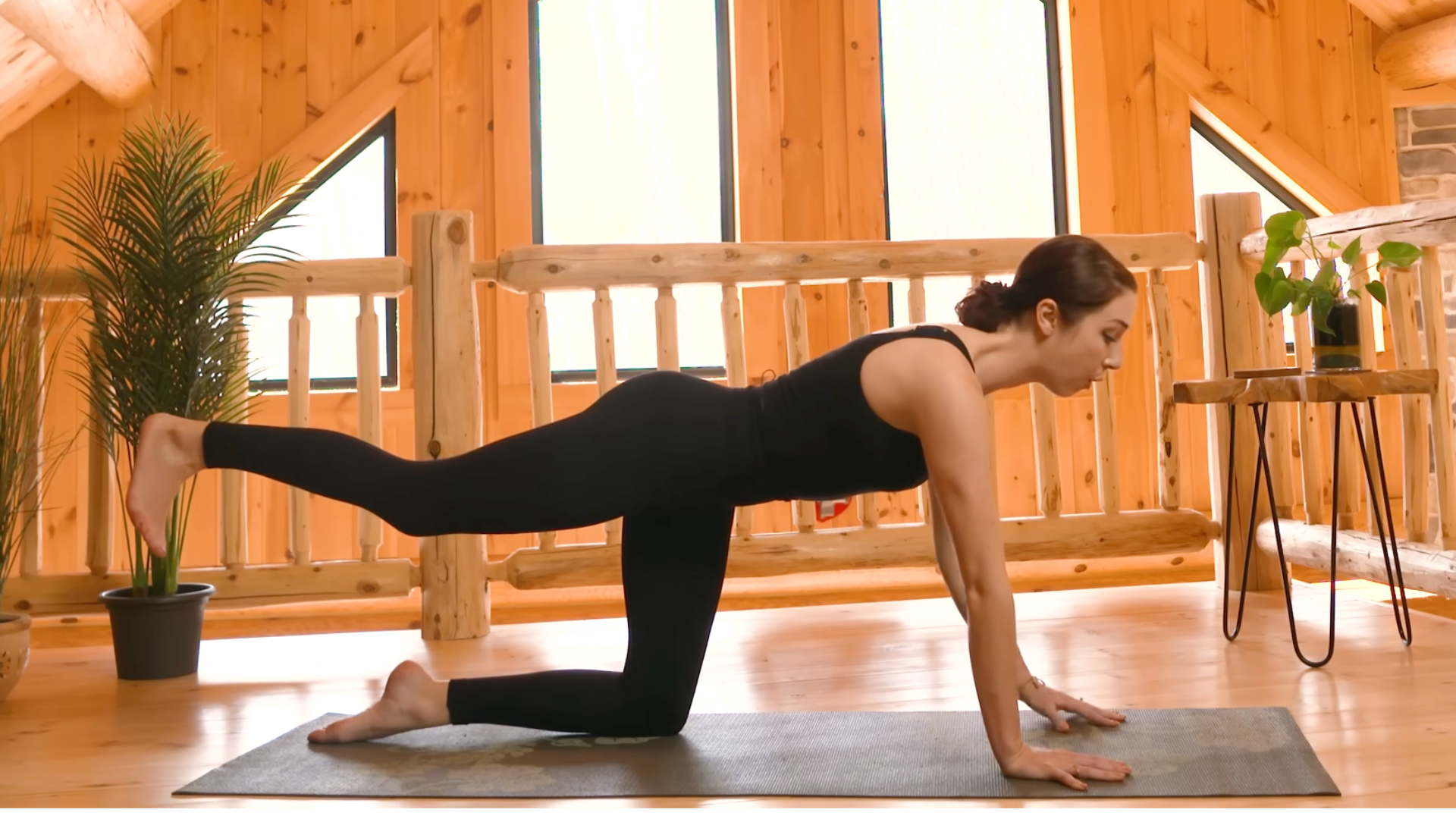
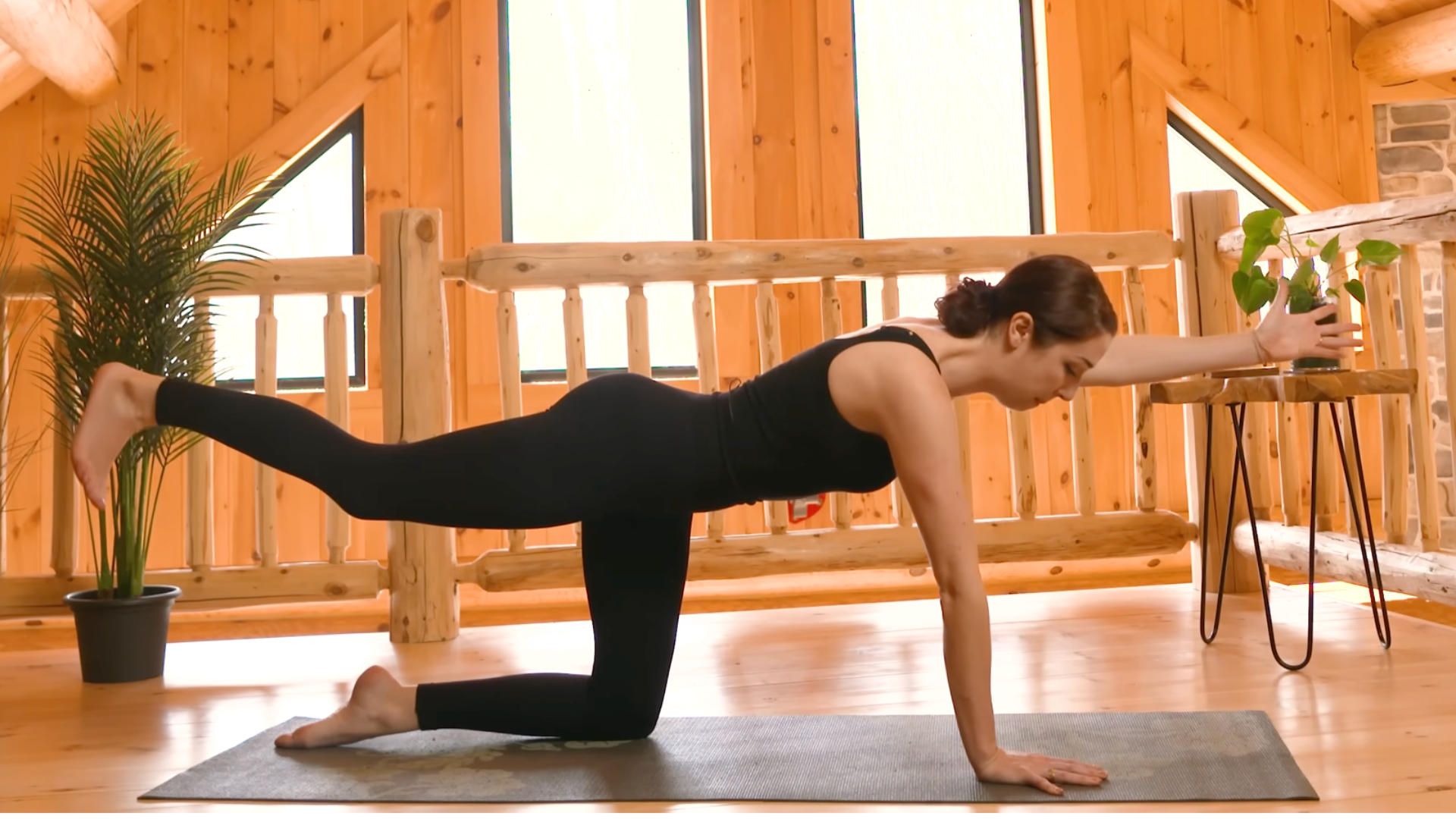
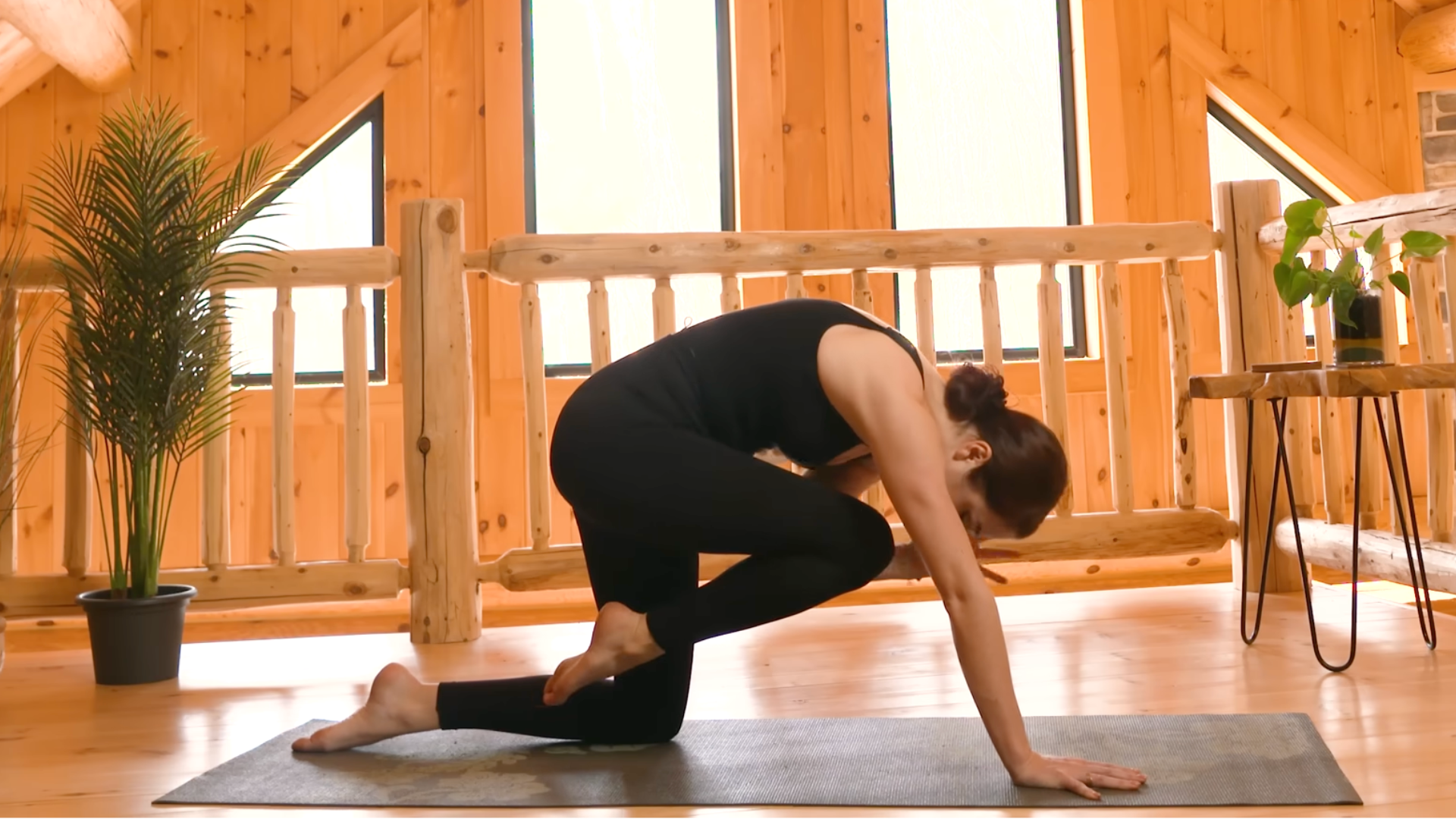
Following the spinal warm-up, the Bird Dog pose is introduced to enhance core strength and balance. From the hands-and-knees position, practitioners extend one leg straight back at hip height, ensuring the outer hip rolls down slightly to keep the thigh facing the mat. The core is engaged to maintain stability. Simultaneously, the opposite arm reaches forward, creating a line of energy from fingertips to heel. The movement involves inhaling to lengthen and exhaling to contract, drawing the extended knee and elbow towards each other beneath the chest. This is repeated for a few cycles on each side, promoting stability and coordination.
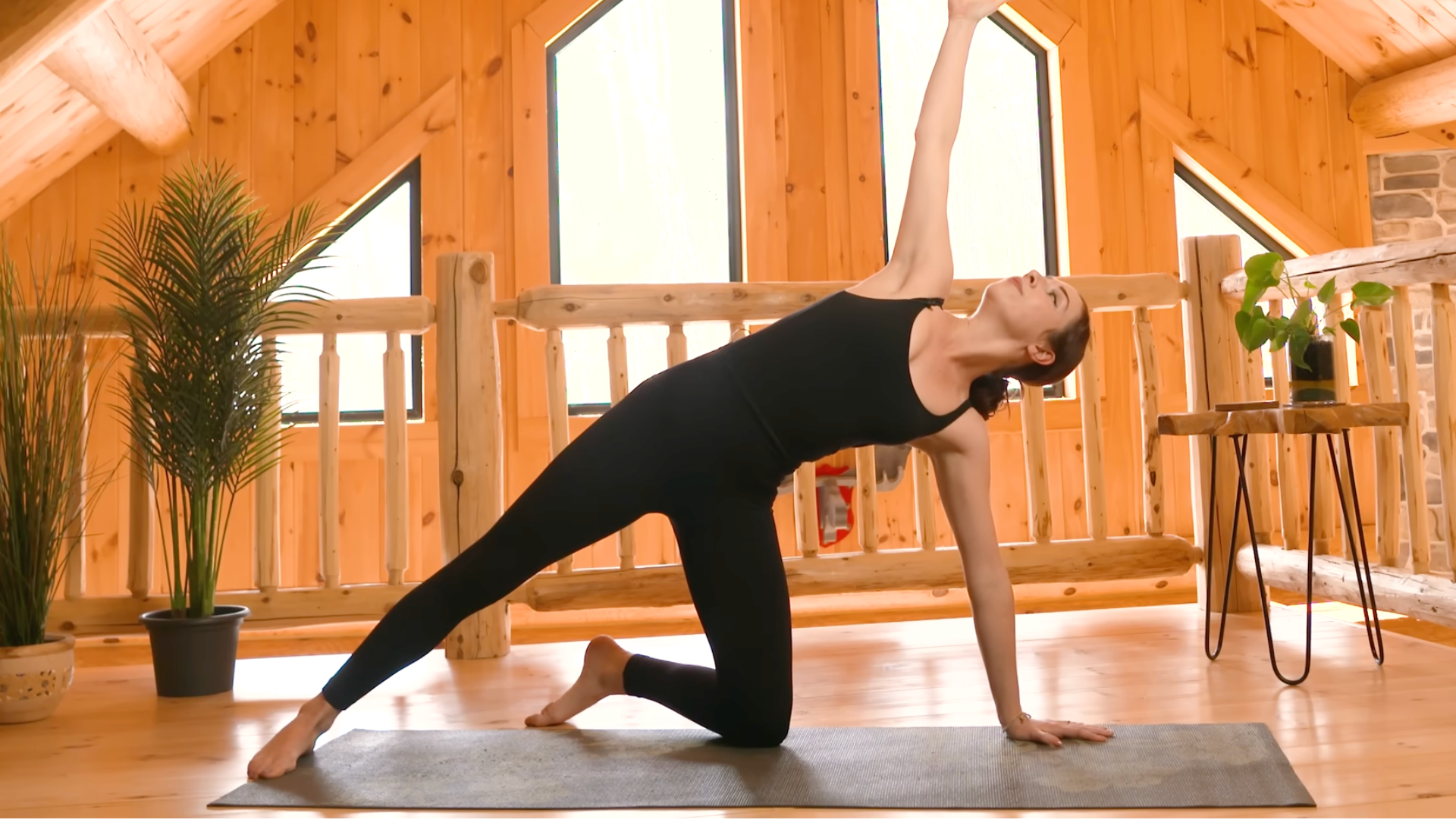
A variation of Side Plank is then offered to build lateral strength and improve balance. From hands and knees, the practitioner rolls onto the inner edge of one foot, with the toes pointing towards the long edge of the mat. The opposite knee can be used for support by pivoting it and angling the shin behind. The top arm reaches towards the sky, stacking shoulders and opening the chest. This pose, held for a few steady breaths, strengthens the core and shoulders. The sequence then returns to hands and knees to repeat the Bird Dog and Side Plank variation on the other side, reinforcing the development of stability and strength.
Building Heat and Strength
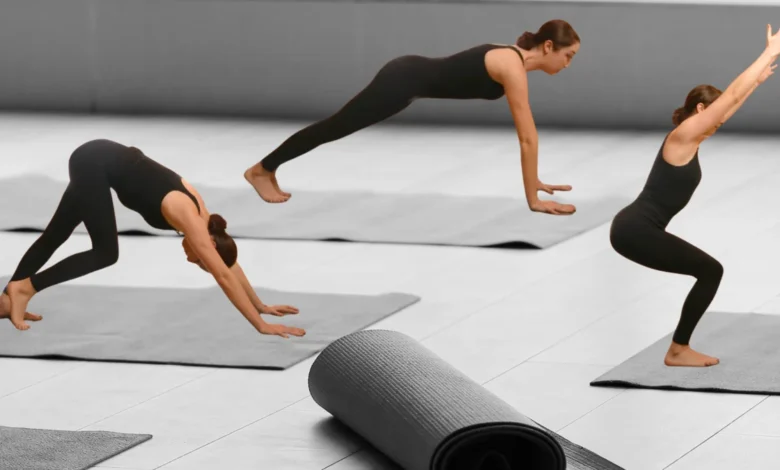
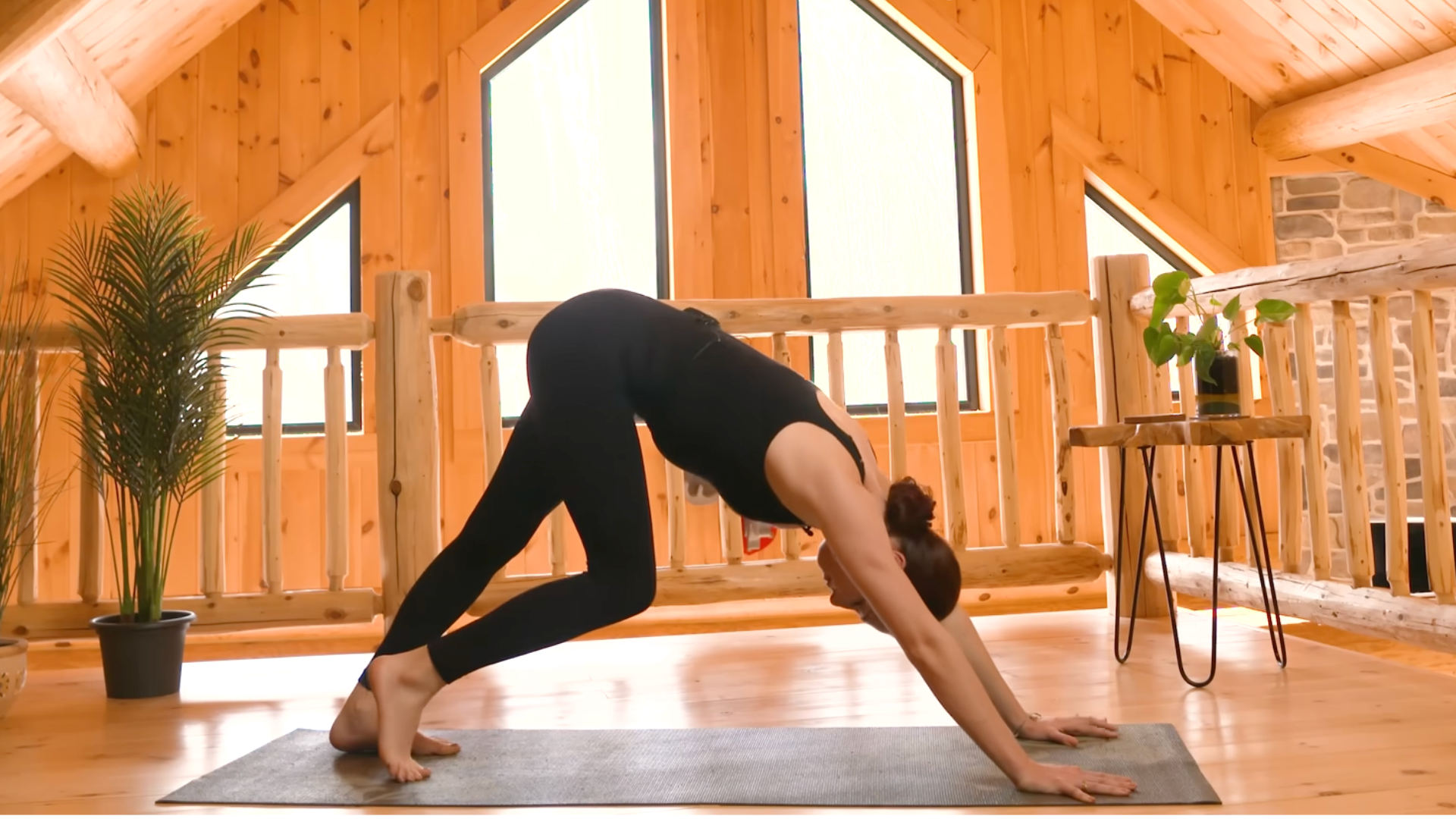
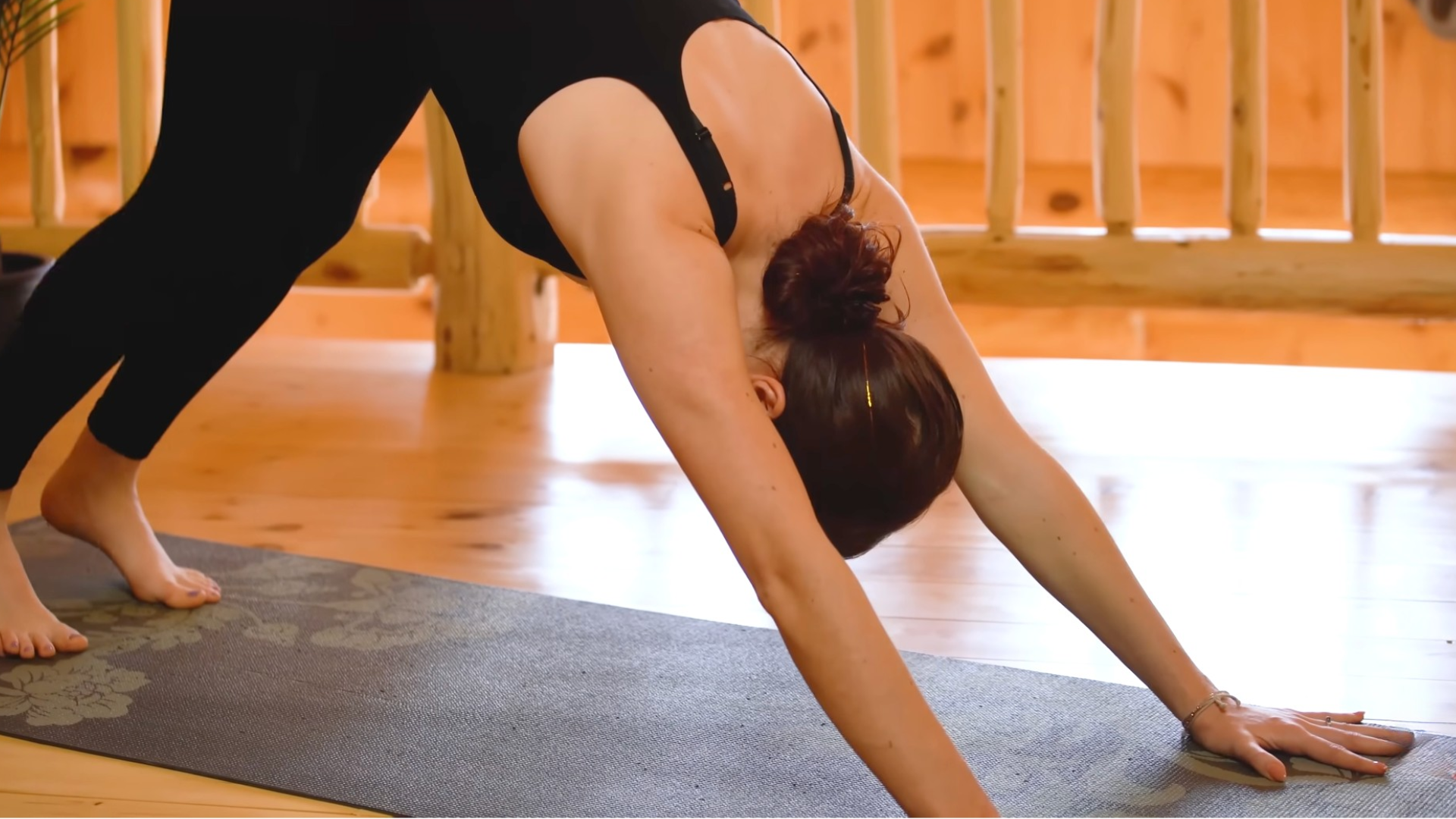
The sequence progresses to Downward-Facing Dog (Adho Mukha Svanasana), a classic inversion that offers a full-body stretch. From hands and knees, toes are tucked, and hips are lifted up and back. Beginners are encouraged to keep a generous bend in their knees to alleviate hamstring tightness, a common morning occurrence. The pose can be held still or explored with gentle pedaling of the feet. Releasing tension in the neck by gently shaking or nodding the head is also recommended.
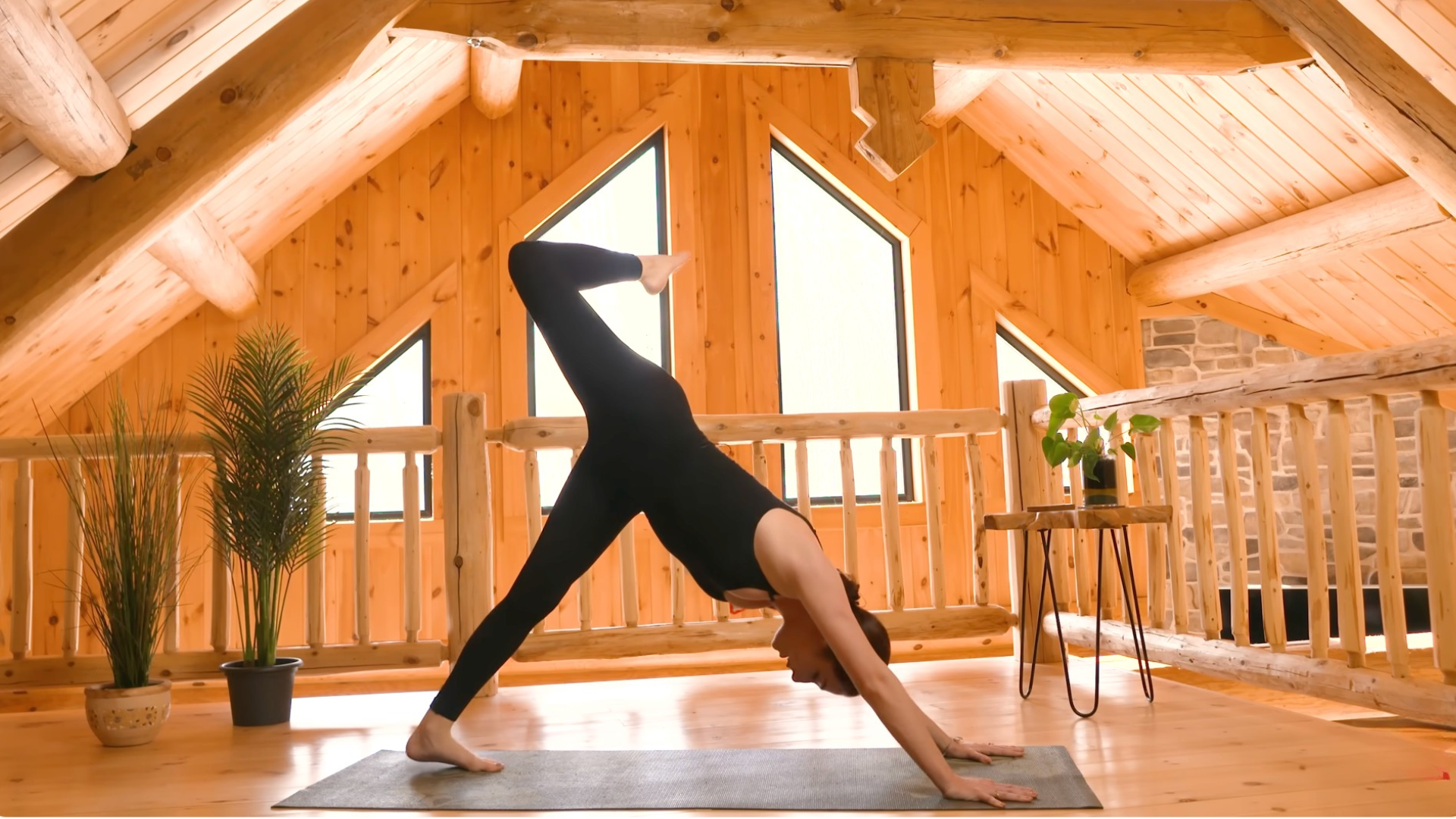
From Downward-Facing Dog, the practice moves into Three-Legged Dog, where one leg is lifted towards the sky, the knee is bent, and the hips are stacked for a deep hip stretch. This prepares the body for the more dynamic High Lunge.
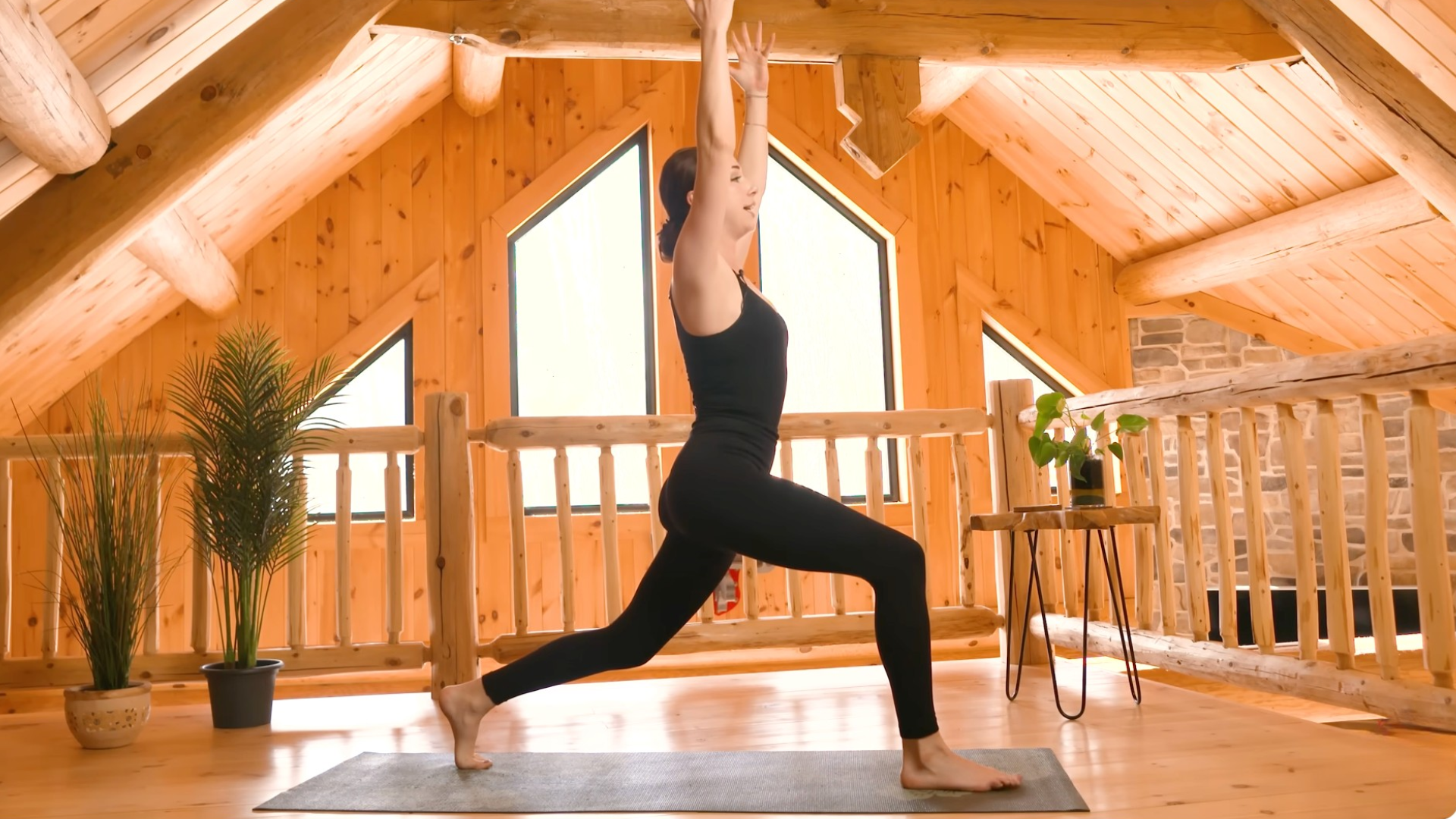
Transitioning from Downward-Facing Dog, the practitioner steps one foot between the hands, then inhales to rise, lifting the torso and reaching arms overhead. The focus is on maintaining a deep bend in the front knee and relaxing the shoulders. This pose builds lower body strength and opens the hips. The affirmation "I am calm and centered" is reiterated here.
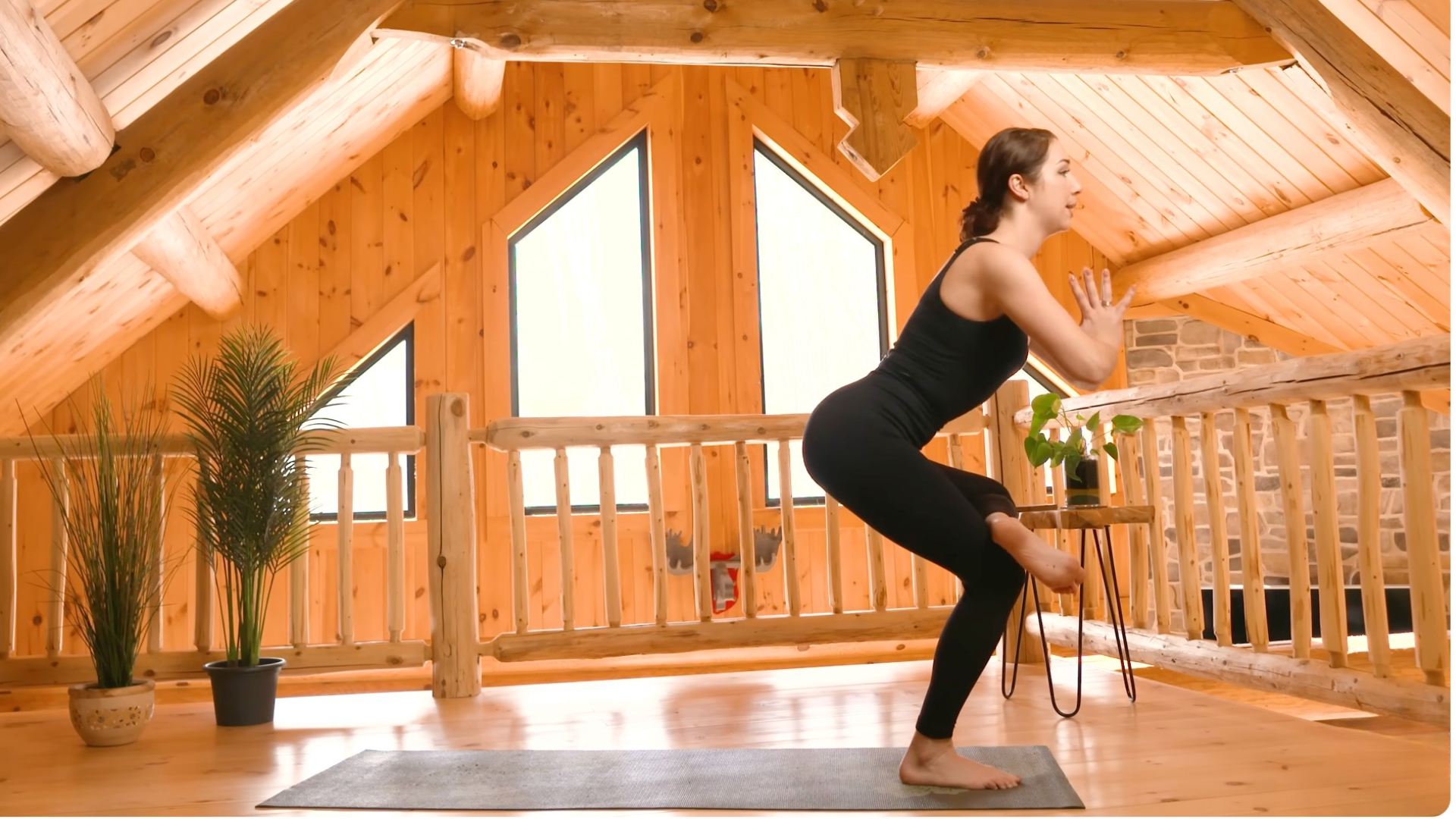
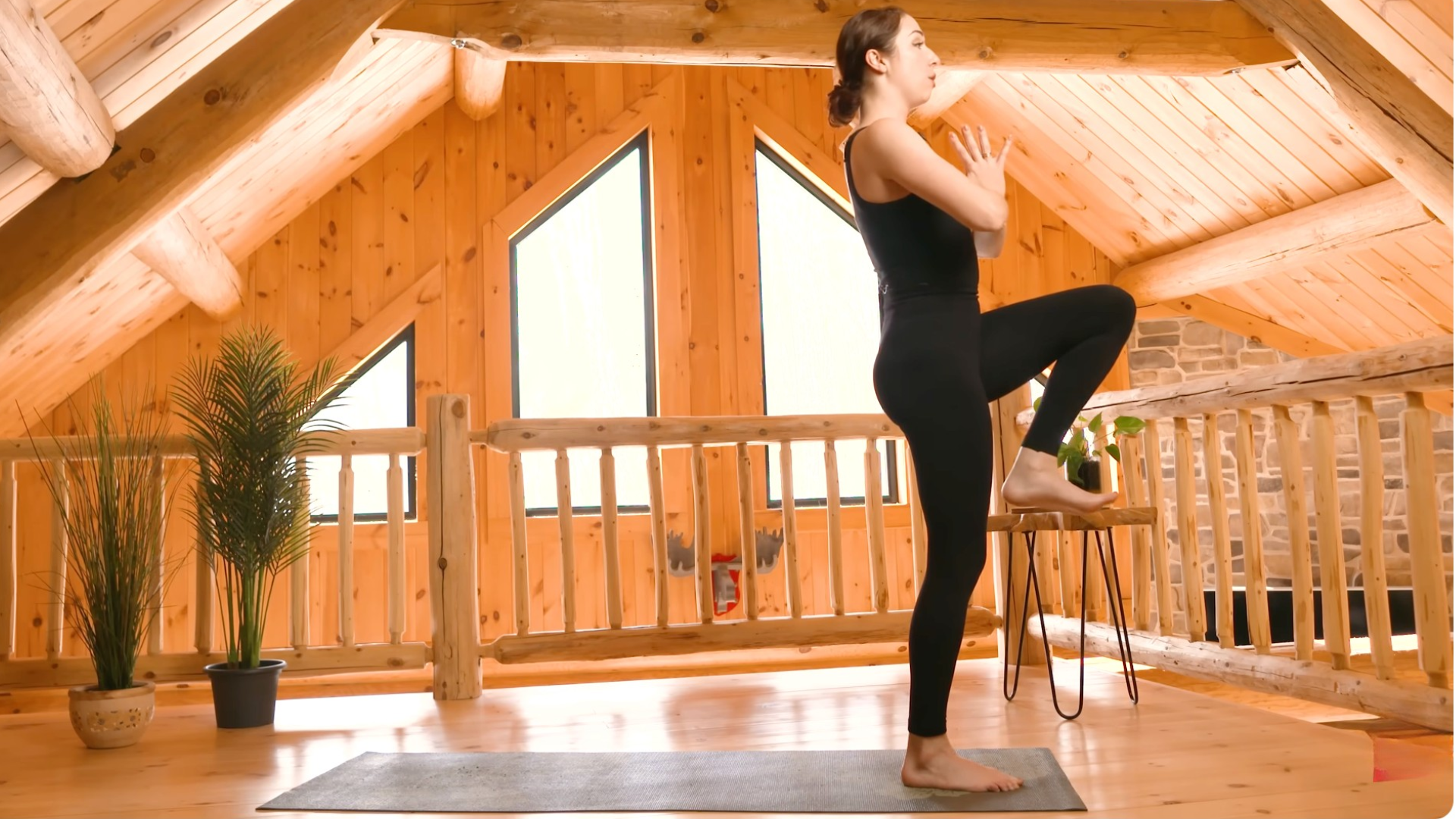
Following High Lunge, the practice introduces Standing Pigeon Pose (also known as Standing Figure 4). This balance pose involves bringing the opposite ankle to rest on the knee of the standing leg, similar to the seated variation, and then bending the standing knee to deepen the hip stretch. For those finding this challenging, simply bringing the lifted knee towards the chest offers a gentler alternative.
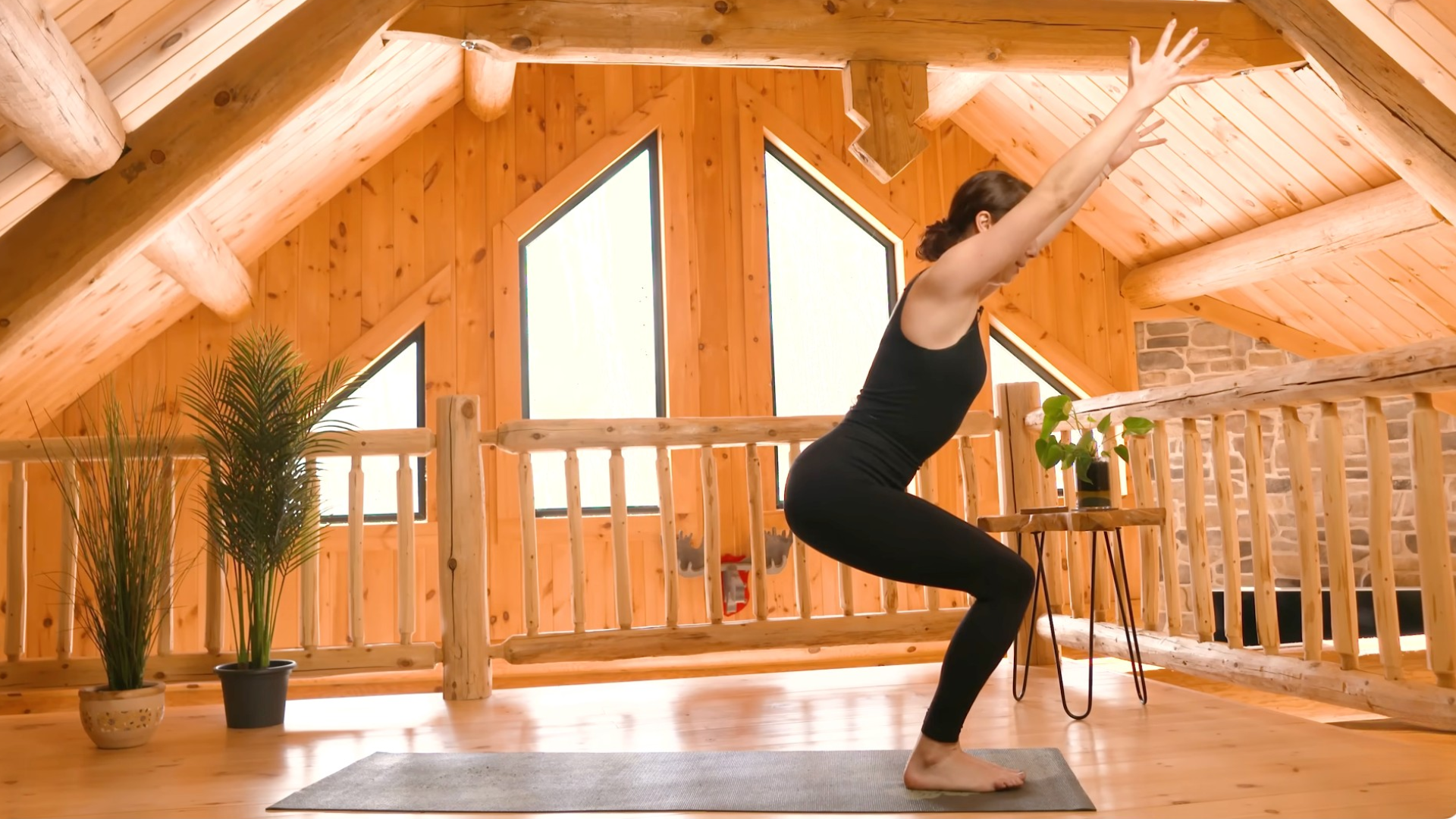
The sequence then builds heat and strength with Chair Pose (Utkatasana). With feet hip-width apart, knees are bent and hips are sunk back as if sitting into a chair. Arms are extended alongside the ears, creating a powerful engagement of the legs and core. This pose is designed to energize the body and prepare it for the rest of the day.
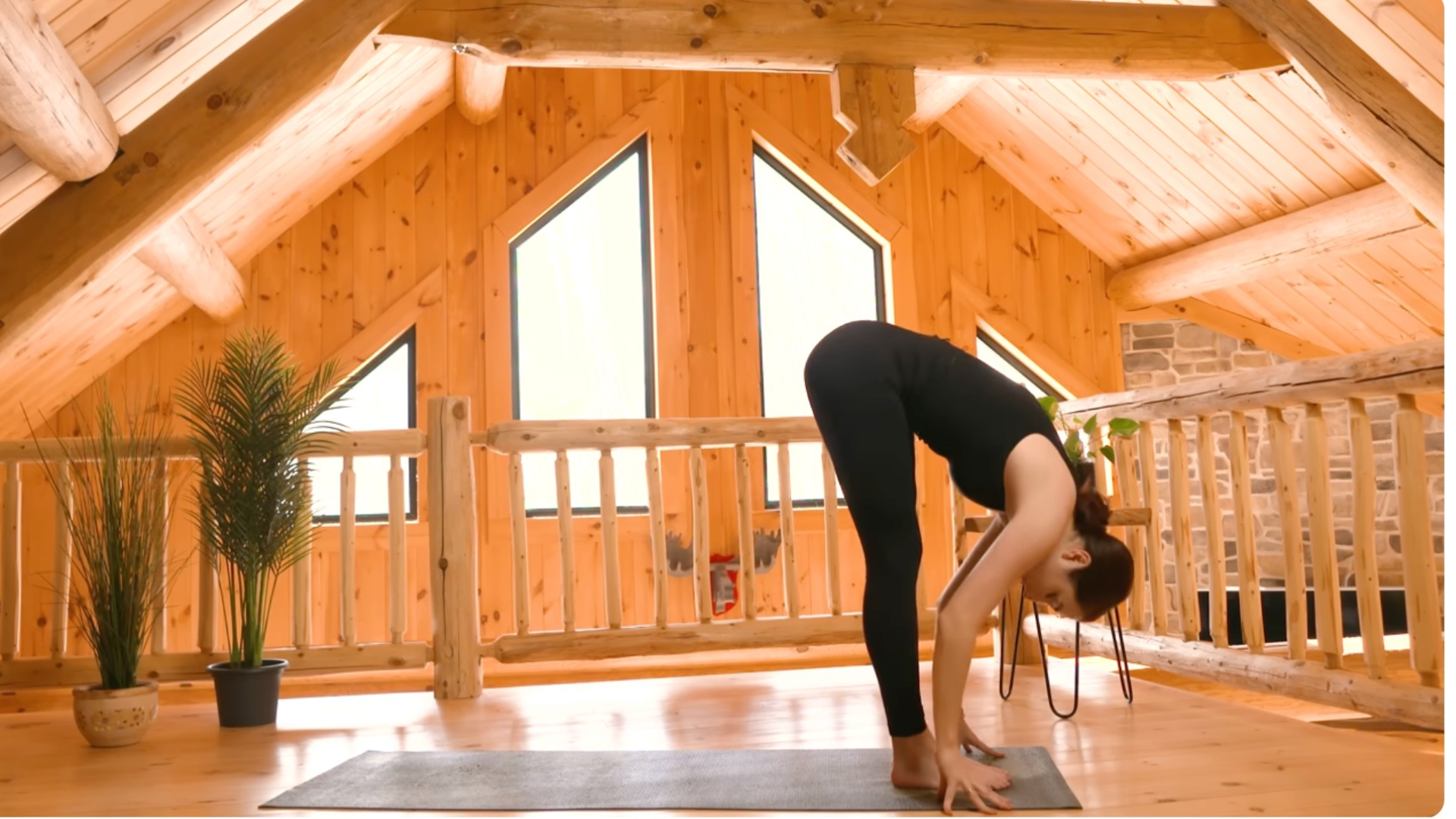
A brief Standing Forward Bend (Uttanasana) follows, allowing for a gentle release of the hamstrings and spine. This is immediately followed by a Halfway Lift, where the back is flattened and the spine is lengthened, creating an extension from the crown of the head.
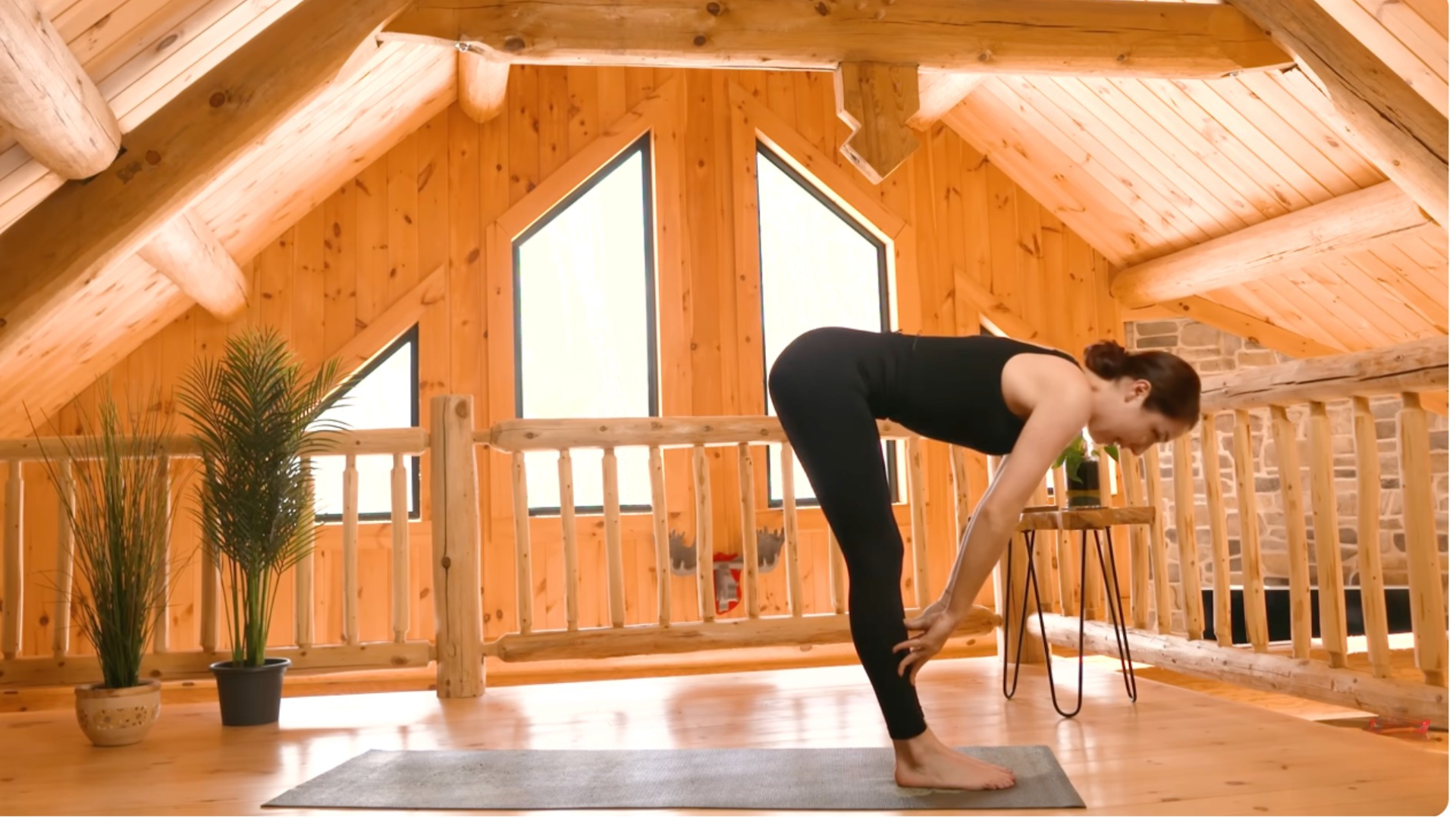
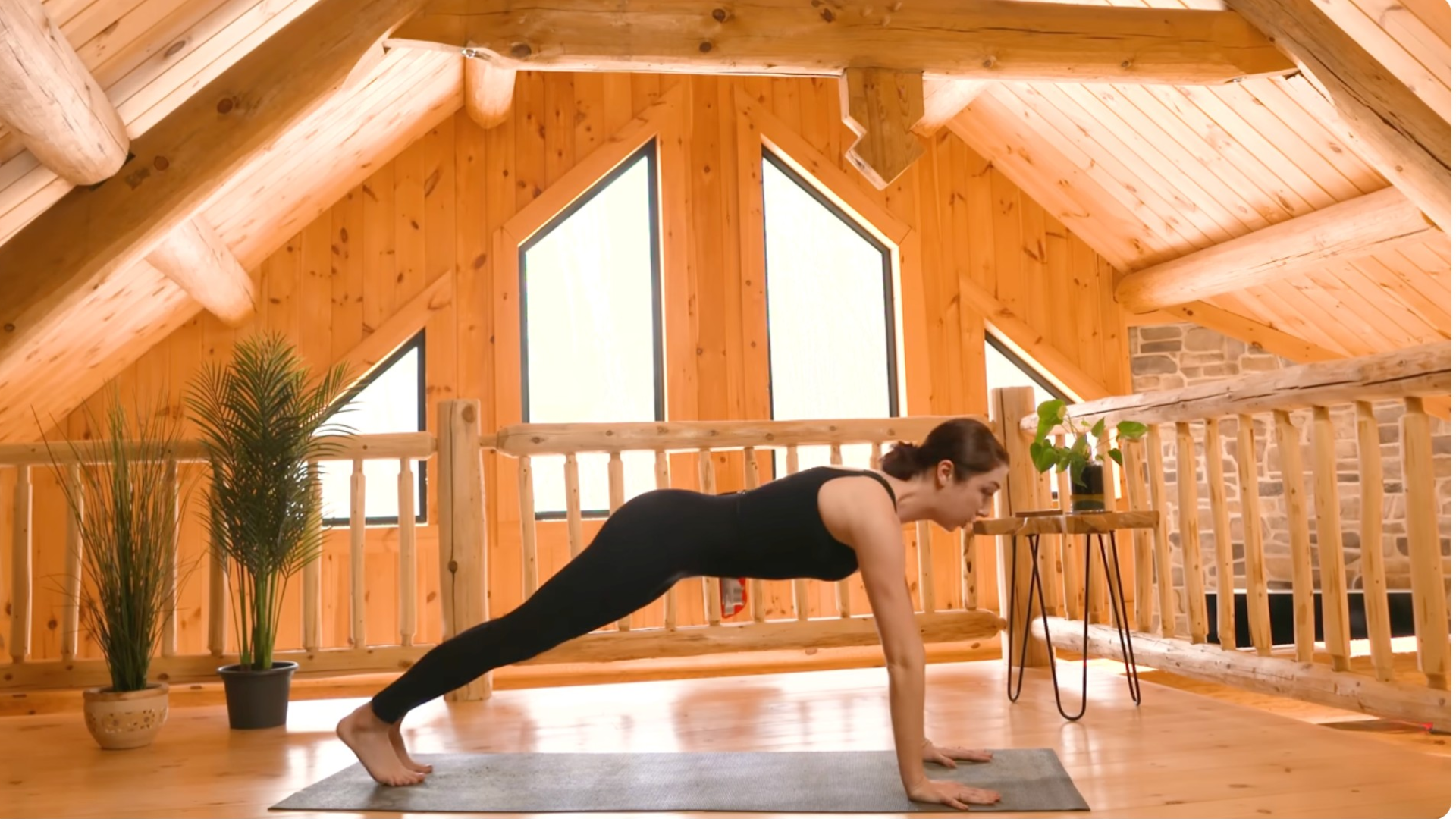
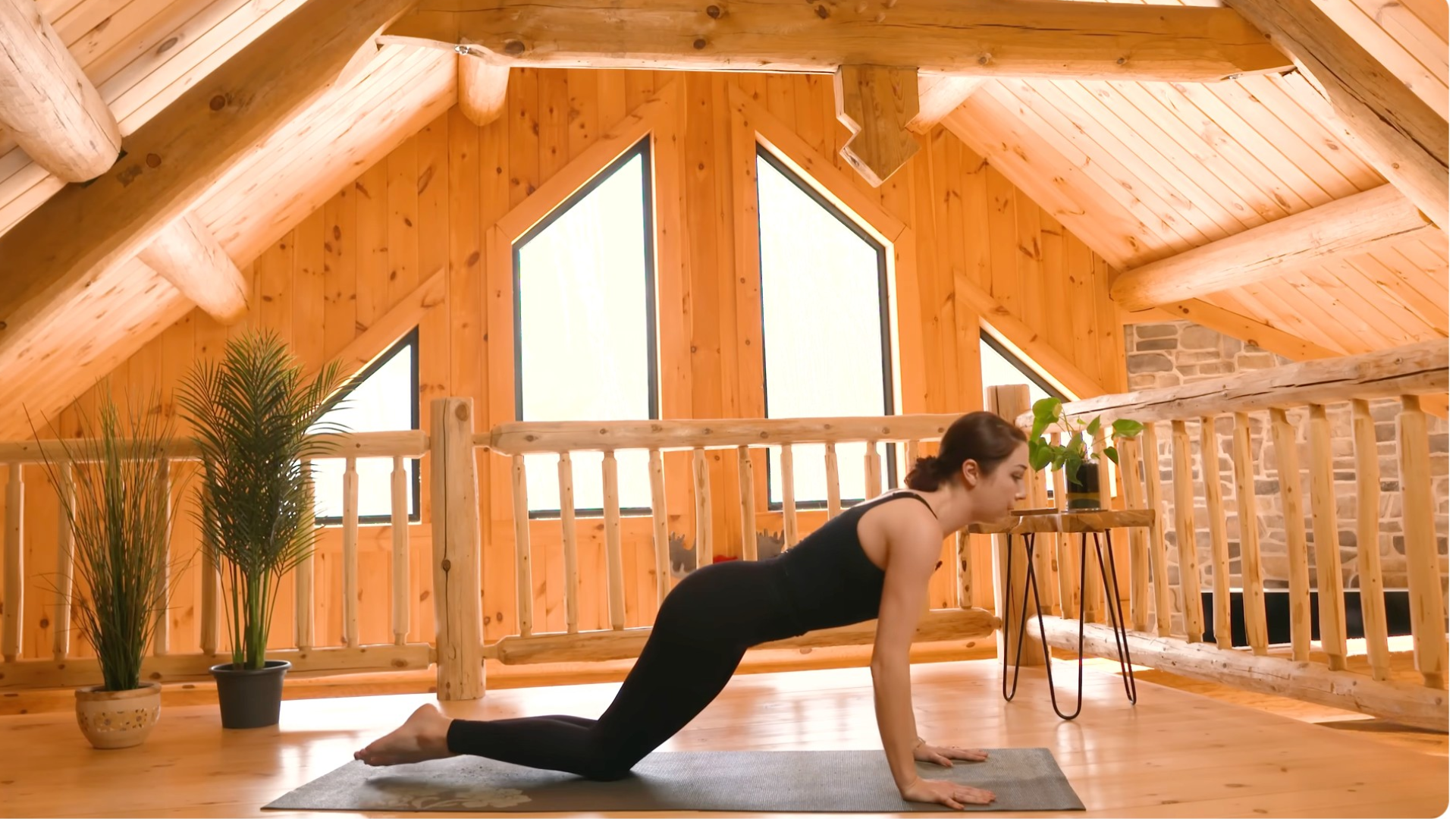
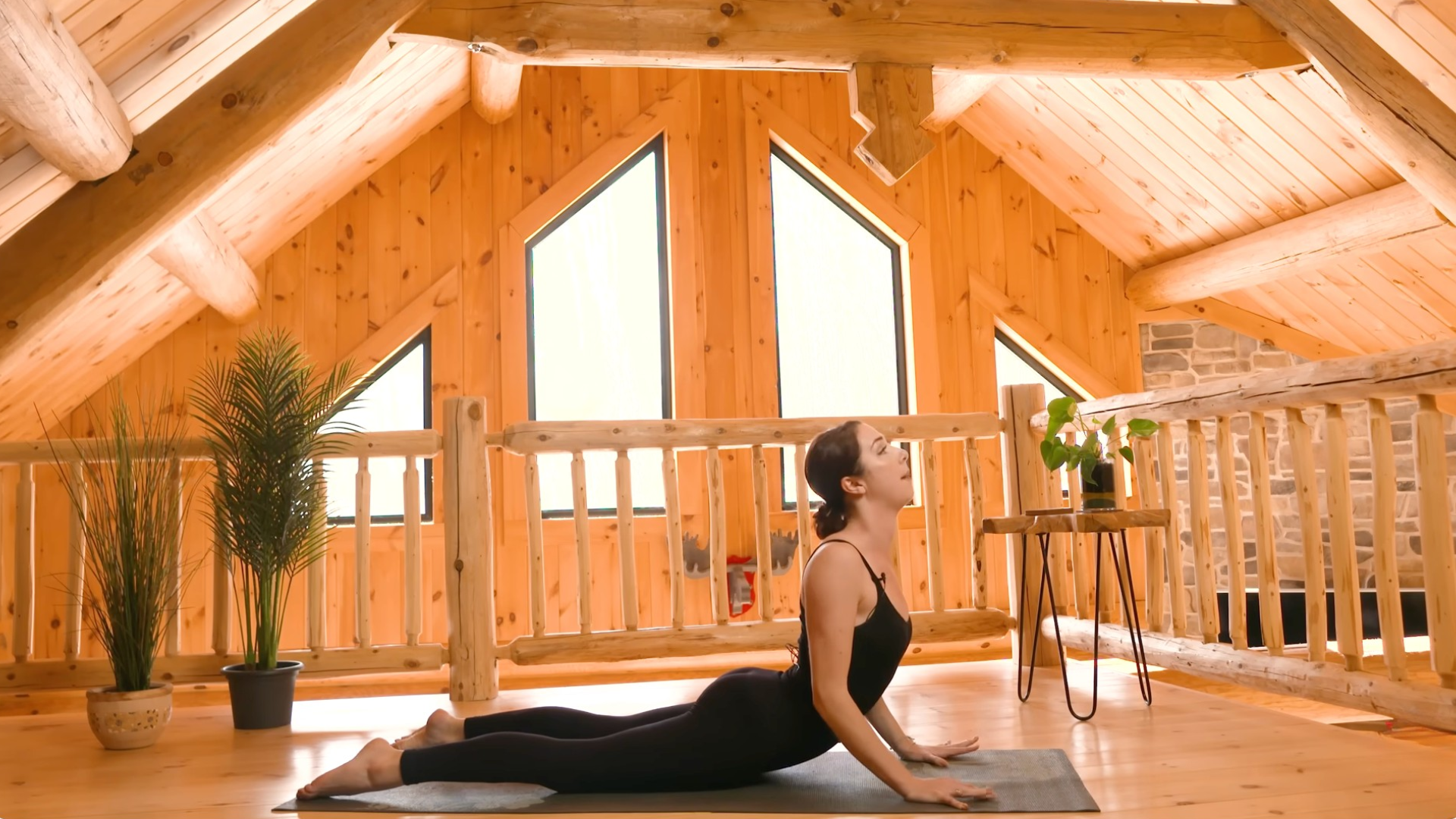
The practice then moves into Plank Pose, a foundational pose for building core strength, often described as the top of a push-up. For those new to this, a modification of lowering the knees to the mat is offered. From Plank, the body is slowly lowered to the belly for Cobra Pose (Bhujangasana), a gentle backbend that strengthens the spine and opens the chest.
The sequence then mirrors the first side, exploring the poses on the left leg, including Three-Legged Dog, High Lunge, Standing Pigeon Pose, Chair Pose, Standing Forward Bend, Halfway Lift, Plank Pose, and Cobra Pose. This bilateral symmetry ensures balanced development of strength and flexibility.
Grounding and Integration
The practice concludes with a return to Child’s Pose, allowing the body to integrate the benefits of the movements. Here, practitioners are encouraged to observe the sensations in their body and reflect on the positive impact of even a short yoga practice. The affirmation is revisited, reinforcing the feelings of calm, focus, and centeredness.
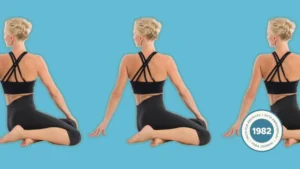
Following Child’s Pose, a Seated Cross-Legged Forward Bend is introduced. Sitting with legs crossed, the spine is lengthened before folding forward, targeting the glutes and hips. The practitioner then transitions to a Seated Twist, gently rotating the torso to the right and then to the left, promoting spinal mobility and aiding digestion. The crossing of the legs is switched to ensure a balanced stretch on both sides.
In lieu of a traditional Savasana (corpse pose), which can sometimes lead to post-morning grogginess, the practice concludes with a brief, one-minute meditation. This final practice encourages practitioners to sit comfortably, close their eyes, and bring their hands to their heart, reconnecting with their initial intention of being "calm and centered." This mindful closing is designed to carry the benefits of the yoga practice into the rest of the day, fostering sustained tranquility and focus. The creator expresses gratitude to the participant for joining the 10-minute beginner yoga practice.
The development of such accessible yoga routines reflects a growing understanding of the importance of holistic well-being in modern life. With an increasing number of individuals seeking ways to manage stress and improve physical health, short, effective home-based practices like this offer a valuable solution. The emphasis on basic poses and mindful movement ensures that yoga remains an inclusive practice, open to people of all ages and fitness levels. The integration of affirmations further enhances the mental benefits, promoting a positive mindset that can ripple through daily activities and interactions. As more people discover the benefits of starting their day with a few moments of mindful movement, the popularity of these short, targeted yoga sequences is likely to continue to grow.