Beyond the Mat: Scientific Evidence and Seven Underrated Poses Prove Yoga Builds Upper-Body Strength Without Weights

The intersection of ancient mind-body traditions and modern physiological science has long been a subject of clinical inquiry, particularly regarding the physical adaptations induced by disciplined yoga practice. While public consensus readily attributes improvements in flexibility, joint mobility, and psychological self-awareness to regular yoga, a persistent debate remains among fitness practitioners and sports scientists alike: Can yoga effectively build muscular strength, specifically in the upper limbs, independent of external resistance training?
Recent scientific literature increasingly points to a definitive affirmative. Far from serving merely as a stretching modality, specific yoga sequences and postures engage the upper body in ways that elicit measurable gains in muscular capacity, endurance, and neuromuscular coordination. As fitness enthusiasts continuously seek alternatives to traditional weightlifting regimens, researchers have begun mapping the biomechanical and physiological mechanisms that allow bodyweight yoga practices to rival conventional gym-based resistance training.
Chronology of Clinical Research on Yoga and Strength
To understand how yoga transforms upper-body musculature, exercise physiologists have tracked physical adaptations across structured multi-week interventions. The scientific inquiry into yoga’s strengthening capabilities has evolved significantly over the past two decades.
In early clinical observations during the mid-2000s, comparative trials sought to differentiate between various schools of yoga. A landmark 2004 study published in alternative and complementary medicine literature evaluated the physiological impacts of a six-week Ashtanga yoga regimen versus a traditional Hatha yoga program. While both cohorts demonstrated statistically significant enhancements in overall muscular strength and endurance, participants assigned to the more dynamic and physically demanding Ashtanga sequences exhibited superior upper-body strength gains. This foundational finding established a core principle in exercise science: the magnitude of muscular adaptation in yoga is directly proportional to the physical intensity and load-bearing demands of the sequence.
By the early 2010s, researchers turned their attention to high-frequency, standardized movements. A widely cited 2011 study examined the effects of a daily six-week Sun Salutation (Surya Namaskar) protocol. Because Sun Salutations continuously cycle through high planks, low planks (Chaturanga Dandasana), upward-facing dogs, and downward-facing dogs, participants repeatedly loaded their upper extremities against gravity. The post-intervention data revealed a measurable, statistically significant increase in both absolute weight-lifting capacity and upper-body muscular endurance among the subjects, dispelling the myth that bodyweight flows cannot stimulate hypertrophic or endurance adaptations.
Most recently, advancements in electromyographic (EMG) analysis have allowed researchers to observe muscle recruitment patterns in real time. A 2025 study analyzing upper-body activation discovered that certain yoga postures stimulate more complex muscle synergies in the arms, shoulders, and upper back than traditional isolated gym exercises. Rather than merely targeting primary mover muscles, yoga demands simultaneous stabilization across intricate muscle webs, enhancing neuromuscular coordination and joint protection.
Biomechanics and Neuromuscular Implications
The mechanism by which yoga builds upper-body strength without weights relies heavily on isometric contractions, closed-chain kinetic movements, and complex neuromuscular synergy.
In traditional weight training, individuals typically utilize open-chain exercises—such as bicep curls or bench presses—where the distal segment of the limb moves freely against external resistance. Conversely, many foundational yoga postures utilize closed-chain kinetics, where the hands or forearms are fixed against the mat while the body’s center of mass moves or resists gravity. This requires the triceps, deltoids, rotator cuffs, and scapular stabilizers to fire simultaneously to maintain structural integrity.
Furthermore, isometric contractions—where muscles generate force without changing length, as seen when holding static postures—play a crucial role in building localized muscular endurance and tendon stiffness. Clinical analysis indicates that this constant engagement recruits a broader array of stabilizing muscles than isolated weightlifting movements. By activating minor muscle synergies alongside larger muscle groups, practitioners cultivate balanced joint stability, which significantly reduces the incidence of upper-extremity overuse injuries.
Sports medicine specialists and physical therapists have increasingly endorsed these findings. According to clinical observations from rehabilitation clinics, patients recovering from joint injuries often benefit from the closed-chain stability taught in yoga, as it distributes loads evenly across multiple joints rather than concentrating stress on vulnerable tendons or ligaments.
Beyond the Basics: Seven Underrated Bodyweight Arm Exercises
While standard Vinyasa sequences rely heavily on Planks, Chaturangas, and Downward-Facing Dogs, practitioners frequently plateau by repeating familiar shapes. Incorporating less conventional postures challenges the neuromuscular system in novel ways, driving comprehensive upper-body conditioning without the need for dumbbells or resistance bands.
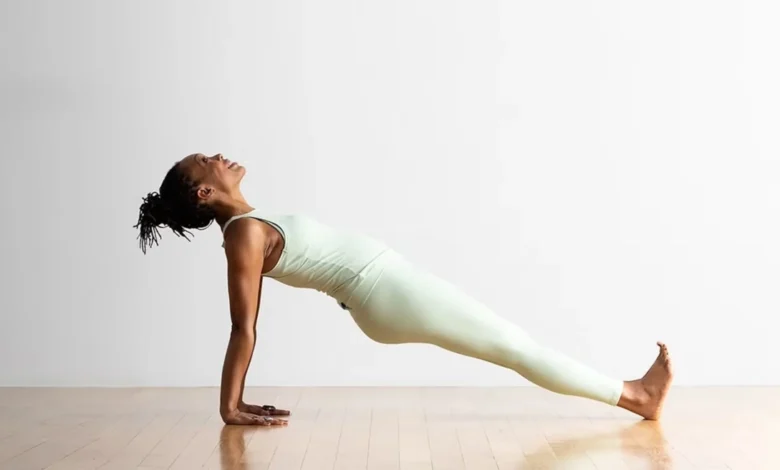
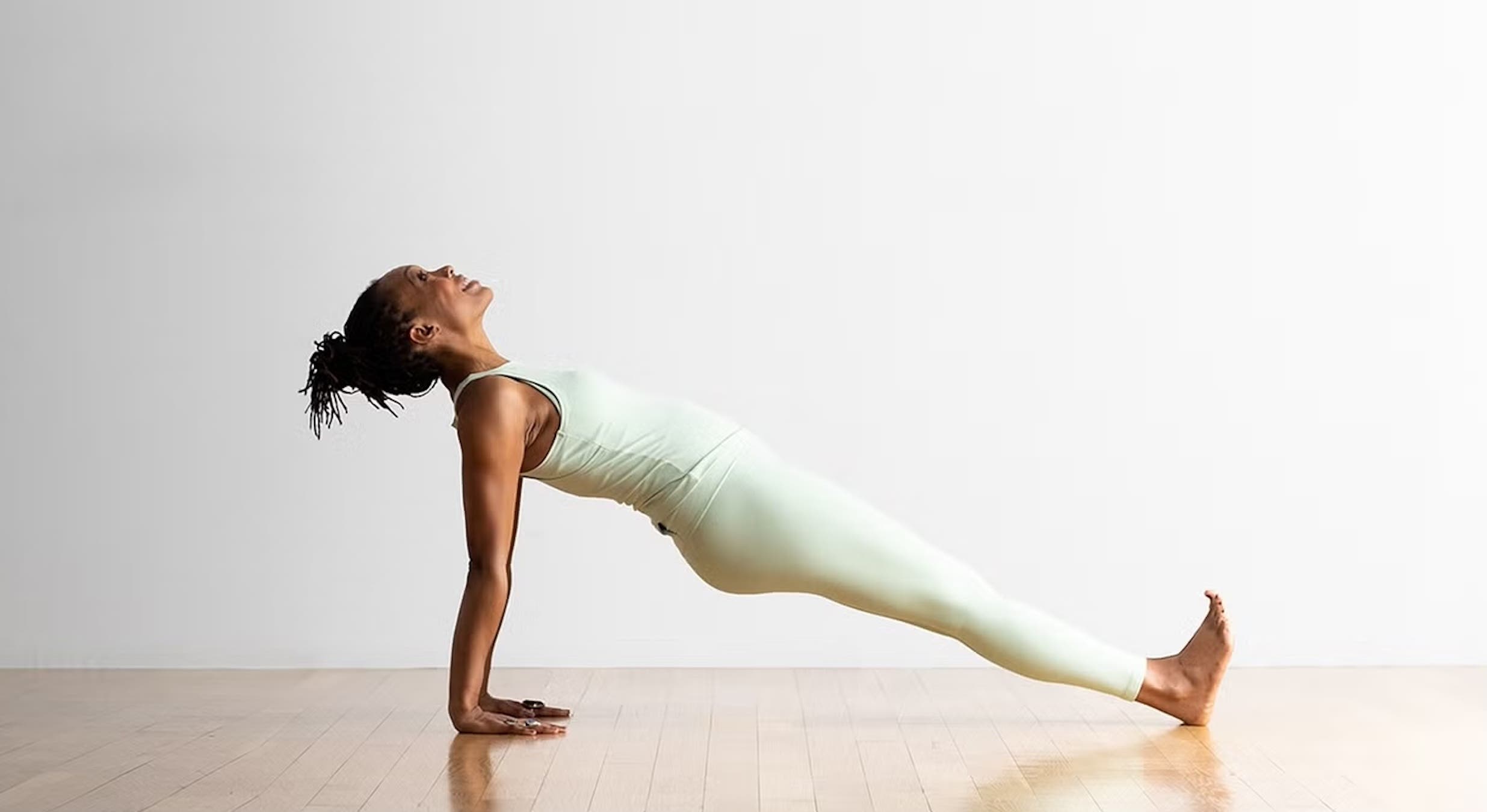
1. Reverse Plank (Purvottanasana)
Often overshadowed by its prone counterpart, the High Plank, the Reverse Plank is an exceptionally potent exercise for the posterior upper body. By supporting the body weight on the palms with fingers facing forward and lifting the hips into a diagonal line, practitioners heavily engage the triceps, rear deltoids, and the rotator cuff complex. Additionally, the scapular retractors contract to maintain proper postural alignment. Squeezing the glutes during this posture ensures proper weight distribution toward the feet, protecting the lower back and shoulders from misaligned strain.
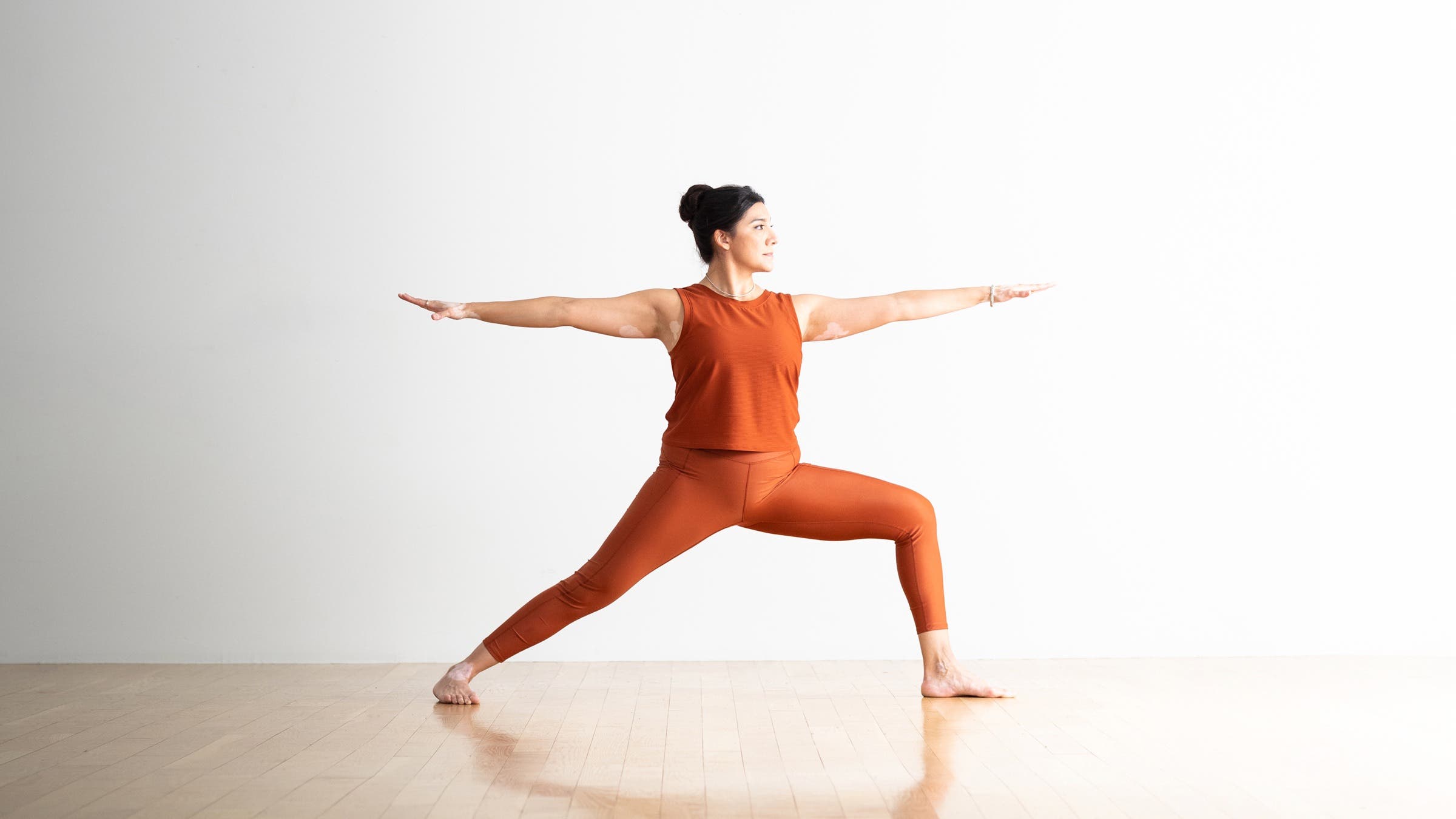
2. Warrior II Pose (Virabhadrasana II)
Warrior II demonstrates that dynamic movement is not a strict prerequisite for muscular development. By extending the arms horizontally and maintaining static posture against gravity, the muscles of the arms and shoulders undergo continuous isometric contraction. Even elite athletes experience localized muscular fatigue and trembling after sustained holds. This posture is particularly advantageous for individuals managing chronic wrist pathologies, as it builds upper-body endurance entirely free of weight-bearing stress on the hands.
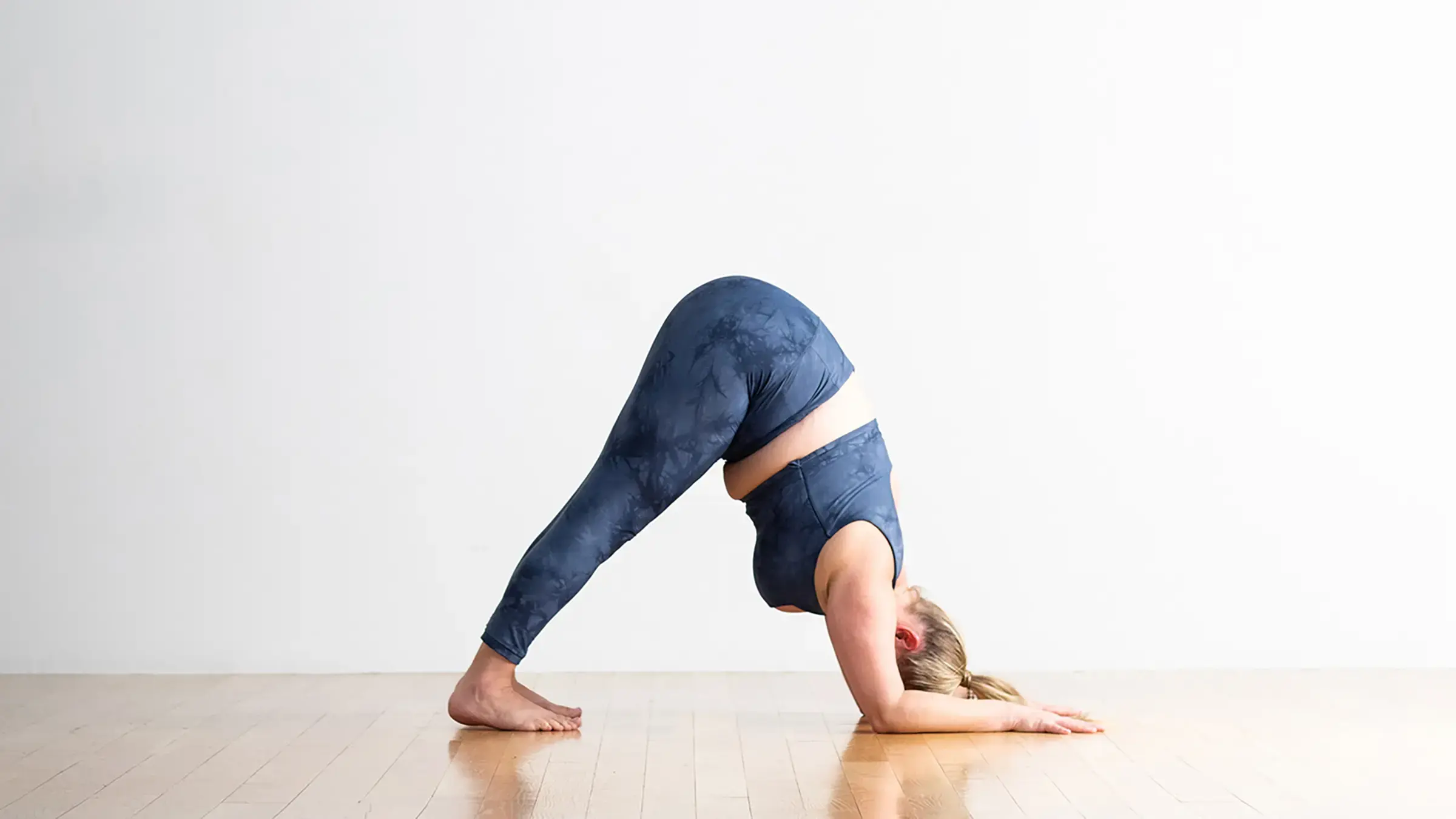
3. Dolphin Pose
Serving as an alternative to Downward-Facing Dog, Dolphin Pose shifts the primary load-bearing responsibility from the wrists to the forearms. With forearms grounded flat on the mat, the triceps, anterior deltoids, and upper trapezius must contract rigorously to stabilize the upper torso. This unique angle alters the mechanical load distribution, making it an ideal strengthening movement for individuals seeking to bypass wrist discomfort while still conditioning the upper kinetic chain.
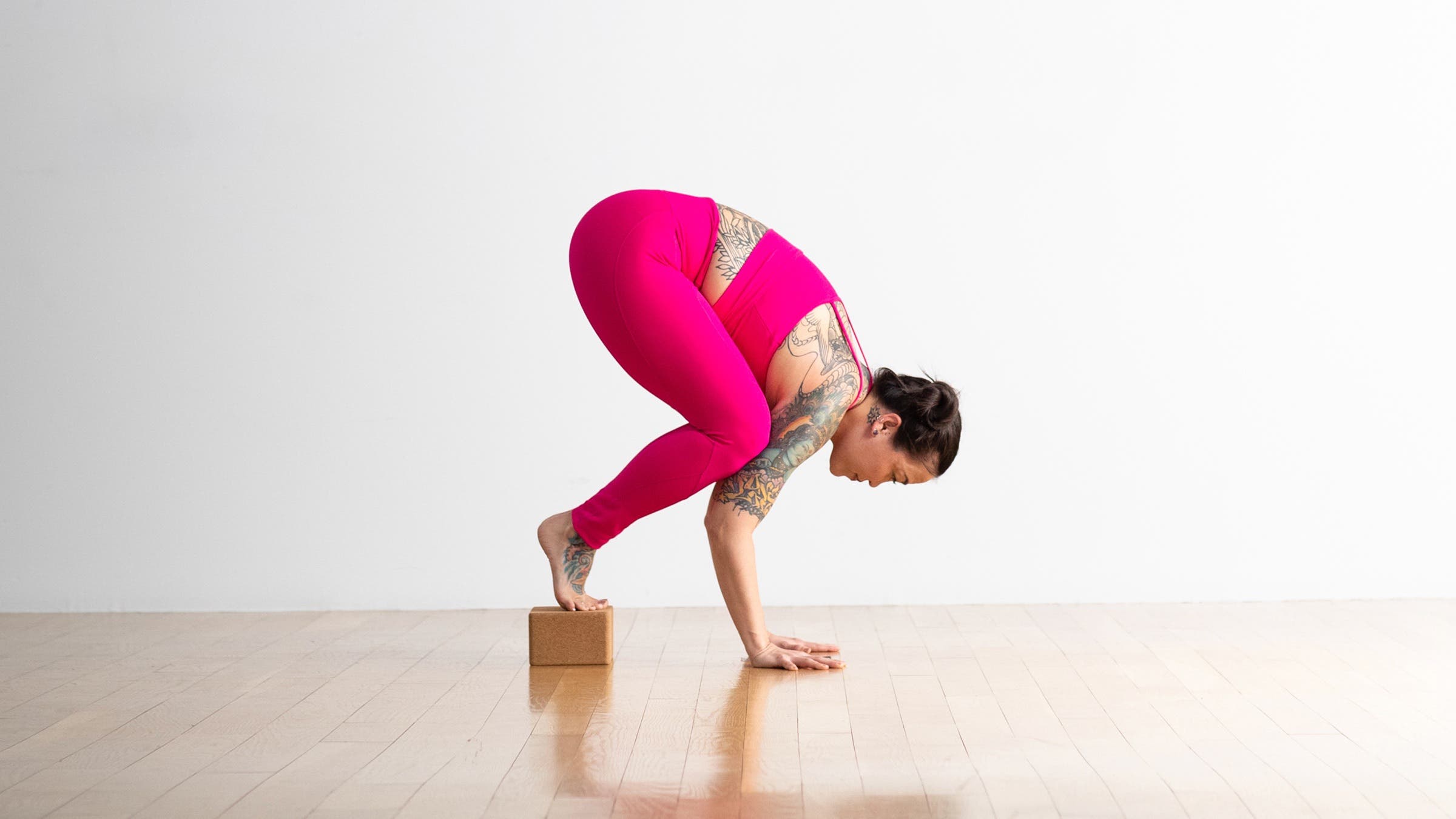
4. Crow Pose (Bakasana)
Long recognized as a foundational arm-balancing posture requiring core integration and spatial courage, Crow Pose is simultaneously an intensive upper-body strengthener. Supporting the entirety of one’s body weight on the hands directly conditions the forearms, wrists, triceps, and anterior shoulder girdle. For practitioners building foundational strength or managing wrist sensitivities, modifications such as placing a yoga block beneath the toes or dropping onto the forearms into Baby Crow provide accessible pathways to muscle activation without joint compromise.
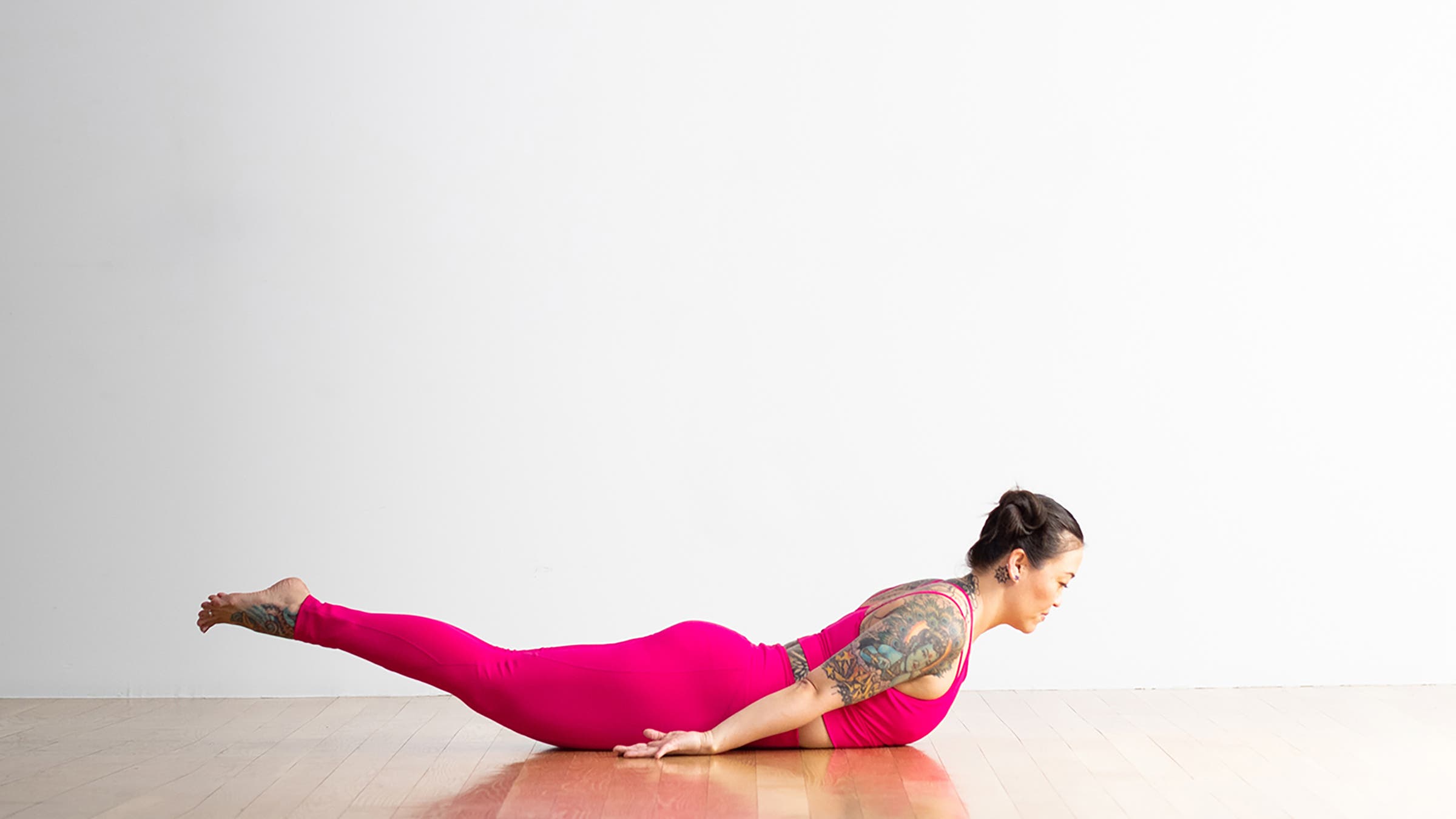
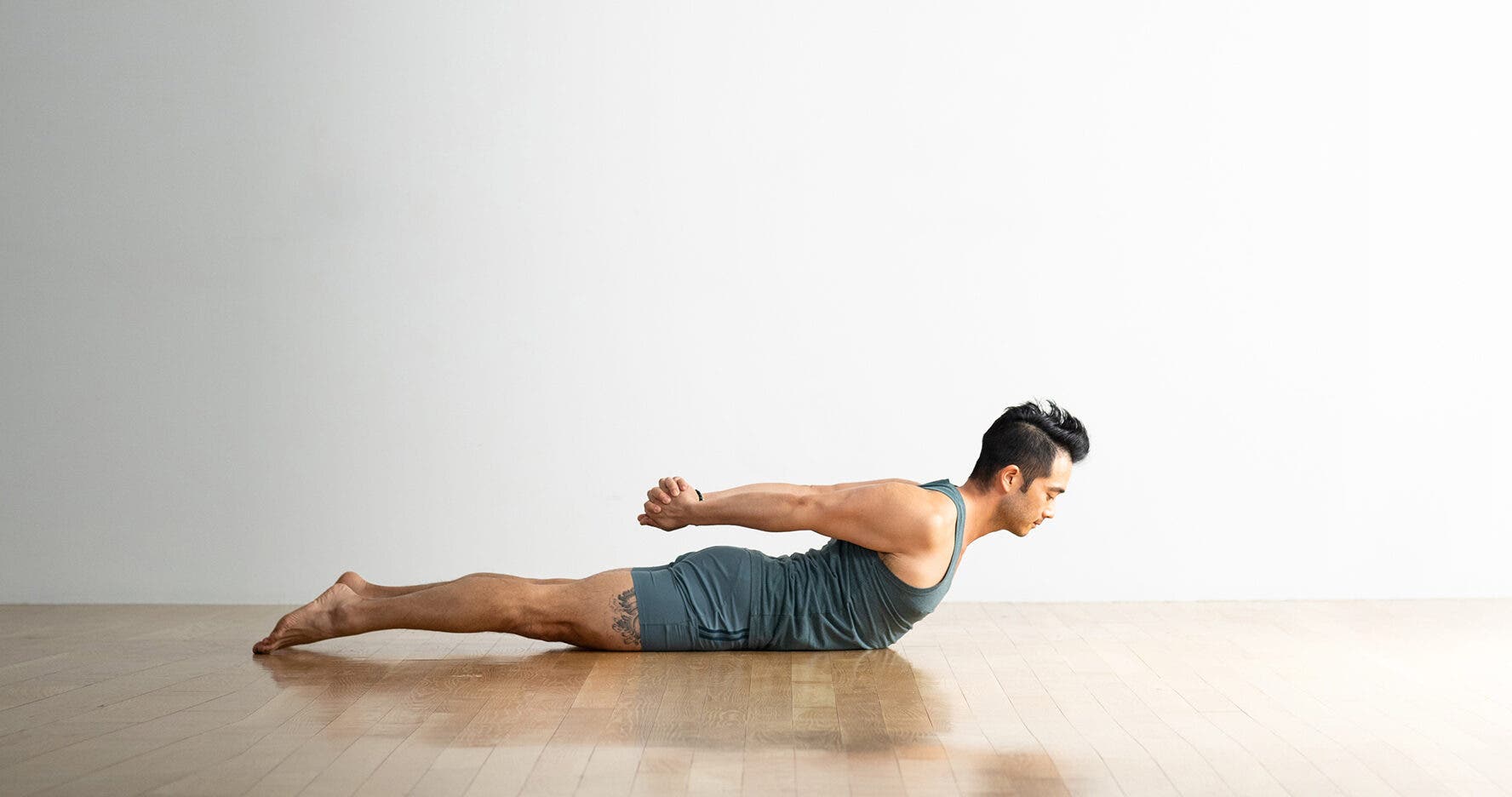
5. Locust Pose (Salabhasana)
While primarily celebrated as a posterior chain strengthener for the glutes and erector spinae, Locust Pose engages the arms through two distinct mechanisms. Initially, pressing the palms or backs of the hands into the mat while lifting the chest activates the triceps and rear deltoids. Elevating the arms completely off the mat introduces a deeper isometric challenge to the upper back and shoulder girdle, fostering postural balance and counteracting the forward-rounded posture common in modern sedentary lifestyles.
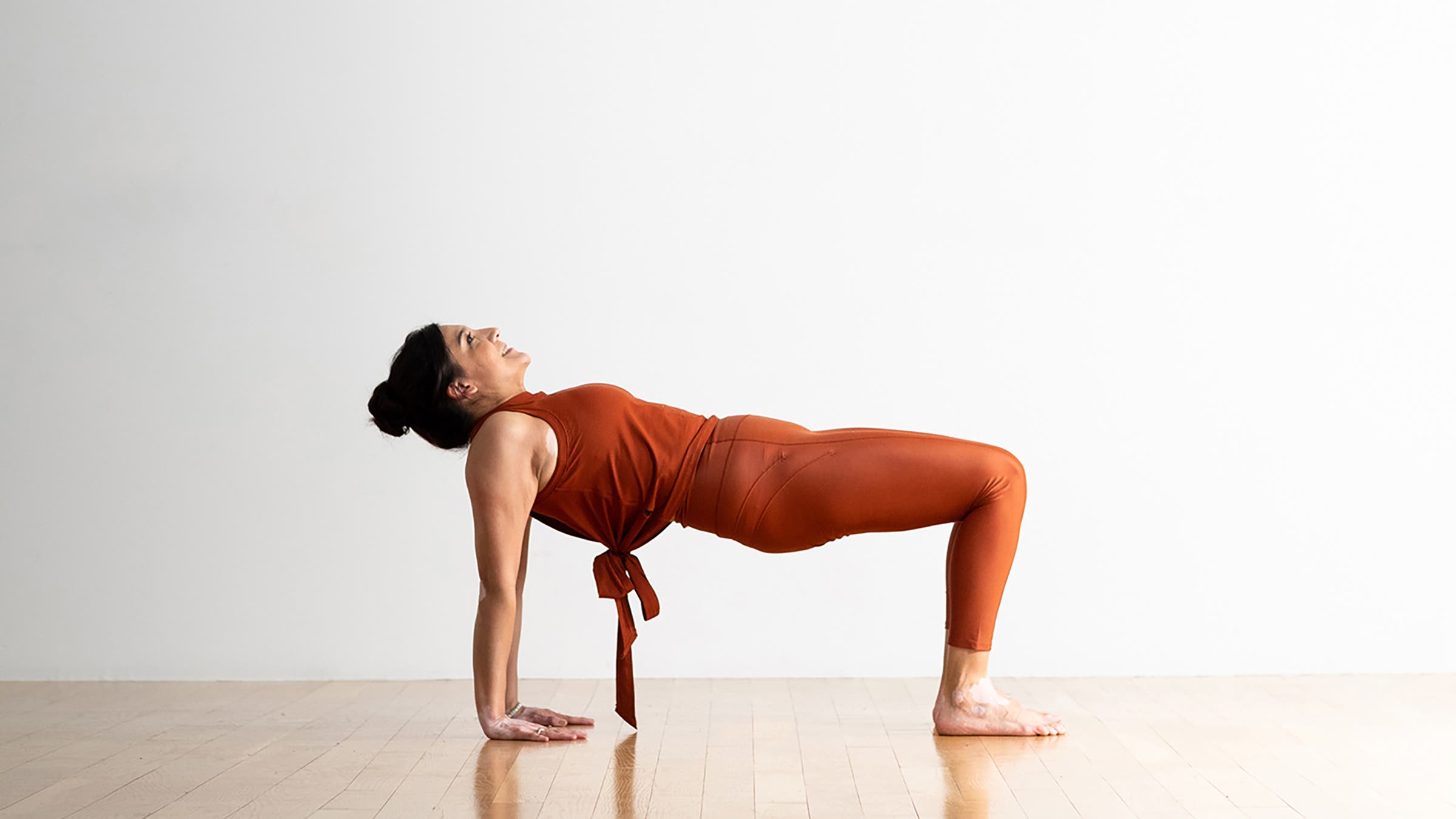
6. Upward Tabletop Pose
A variation of the Reverse Plank, Upward Tabletop requires practitioners to lift the torso with feet flat and knees bent at a 90-degree angle. This structural adjustment alters the vector of gravity and the flexion angle of the shoulder joint, shifting the recruitment emphasis across the triceps, pectoral girdle, and shoulder stabilizers. Maintaining elevated hips prevents muscular deactivation and ensures sustained upper-body engagement.
7. Puppy Pose (Uttana Shishosana)
Frequently mischaracterized as a purely passive stretch for the thoracic spine and shoulders, Puppy Pose can be transformed into an active strength-building posture. By consciously resisting gravity and actively engaging the muscles of the upper arms and shoulders rather than allowing the torso to sink passively toward the floor, practitioners induce a powerful isometric contraction. This technique builds upper-body fortitude while placing negligible mechanical pressure on the wrists.
Economic and Lifestyle Implications
The growing scientific validation of yoga as a legitimate strength-building modality arrives at a time of shifting fitness consumer habits. With the global fitness market placing increasing value on functional training, mobility, and home-based wellness solutions, the economic appeal of bodyweight conditioning is clear. Consumers are increasingly seeking efficient, multi-disciplinary routines that simultaneously enhance mental well-being, flexibility, and physical strength without requiring expensive gym memberships or bulky equipment inventories.
Furthermore, the integration of mindfulness with physical conditioning offers psychological dividends. Research consistently indicates that conscious muscle engagement during yoga practice enhances somatic awareness and presence, lowering cortisol levels while building physical resilience.
As clinical research continues to unravel the complex biomechanics of traditional movement practices, the boundary between "stretching" and "strengthening" continues to blur. For millions of practitioners worldwide, the mat remains not just a space for inner peace, but a laboratory for sustainable, functional physical strength.