Yoga for Neck and Shoulder Tension Relief: A Comprehensive Guide to Alleviating Chronic Musculoskeletal Discomfort

Neck and shoulder tension has emerged as a pervasive public health concern in the 21st century, closely mirroring the rapid integration of digital technology into the modern workplace and daily life. Clinical observations and physical therapy studies suggest that the prolonged maintenance of sedentary postures—often categorized under the term "tech neck"—is a primary driver for the rising incidence of cervical spine and upper trapezius discomfort. As individuals spend an increasing number of hours tethered to computers, driving, or interacting with mobile devices, the physiological toll manifests as chronic stiffness, tension-type headaches, and diminished thoracic mobility. Recent data from occupational health surveys indicate that nearly 60% of office-based employees report experiencing moderate to severe neck or shoulder pain at least once per month, a figure that has trended upward over the last decade.
The Anatomy of Tension: Understanding the Physiological Impact
To understand why tension occurs, one must first consider the biomechanics of the human head. The average adult human skull weighs between 10 and 12 pounds. In a neutral, upright position, the muscles of the neck and upper back can easily support this load. However, the American Chiropractic Association notes that for every inch the head shifts forward from its natural alignment, the effective weight exerted on the cervical spine increases exponentially. This "forward-head posture" forces the muscles of the upper back, specifically the rhomboids and the levator scapulae, to remain in a state of constant contraction to counteract the gravitational pull on the cranium.
This cycle of repetitive strain is often exacerbated by stress. When the body experiences emotional or psychological pressure, the autonomic nervous system triggers a "fight or flight" response. A hallmark of this evolutionary reaction is the elevation of the shoulders and the bracing of the neck muscles. When these stressors are chronic—as is common in high-pressure work environments—the musculature remains in a state of hypertonicity, leading to the development of trigger points and fascial adhesions.

Historical Context and the Shift Toward Mindful Movement
The recognition of these physical ailments has necessitated a shift in therapeutic approaches. Historically, individuals suffering from chronic neck discomfort relied heavily on pharmacological interventions, such as non-steroidal anti-inflammatory drugs (NSAIDs). While these medications are effective for acute symptom management, they fail to address the root cause of muscular misalignment.
Over the last fifteen years, the medical community has increasingly embraced "conservative care" models, which emphasize movement-based therapies over passive treatments. Yoga, once relegated to alternative health circles, has transitioned into a mainstream recommendation by physical therapists and orthopedists. Research published in the Journal of Bodywork and Movement Therapies suggests that yoga interventions provide a dual benefit: they provide the mechanical lengthening of shortened tissues and the psychological regulation necessary to down-regulate the nervous system’s stress response.
Evidence-Based Yoga Interventions for Musculoskeletal Health
Clinical practitioners recommend specific movement sequences that target the "lateral chain" of the body—the complex network of muscles running from the ears down to the hips. A standard recovery protocol typically involves three distinct phases: lengthening the pectorals, mobilizing the thoracic spine, and strengthening the deep cervical stabilizers.
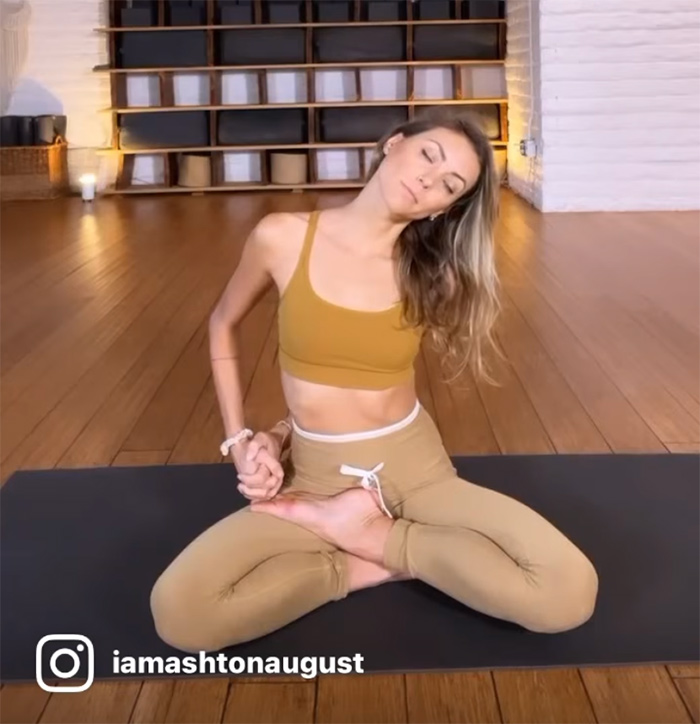
1. The Lateral Cervical Release
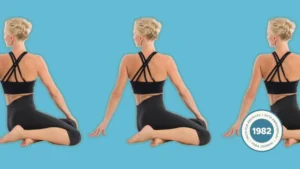
The neck and side-body stretch serves as an foundational exercise. By allowing the ear to gravitate toward the shoulder while simultaneously anchoring the opposite arm, the practitioner facilitates a passive stretch of the upper trapezius. This action is critical because the trapezius muscle is the primary site of stress-induced tension. Clinical analysis indicates that this stretch, when performed with controlled, diaphragmatic breathing, helps "reset" the muscle spindle length, providing immediate mechanical relief.
2. Gravity-Assisted Thoracic Extension
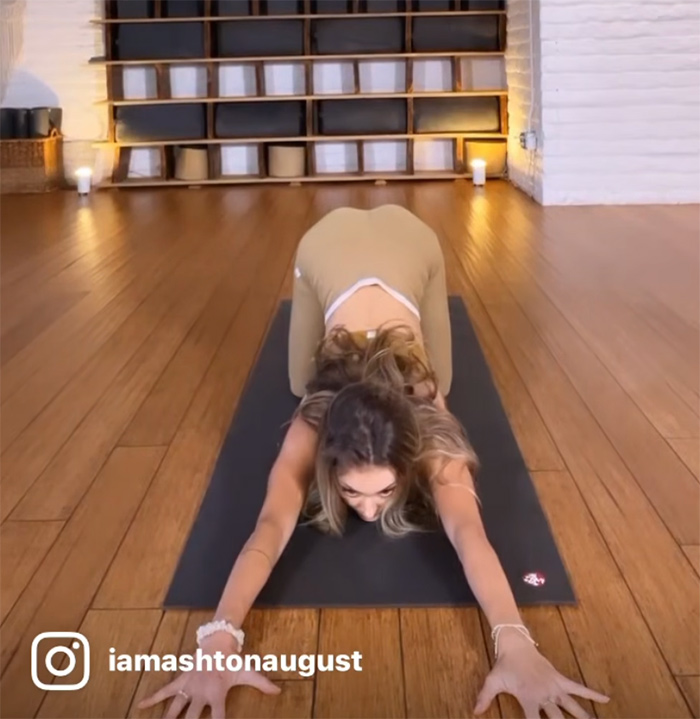
The "Puppy Pose," characterized by an extended reach of the arms while keeping the hips stacked above the knees, is a specialized movement designed to address the mid-back. By introducing a chin tuck, the practitioner creates a posterior chain stretch that counters the forward-head position. This pose is particularly valuable for individuals who suffer from "rounded shoulders," a posture where the pectoral muscles have tightened to the point of pulling the shoulders inward, restricting blood flow and nerve conduction to the distal limbs.
3. Rotational Mobilization
Seal Pose with shoulder dips represents a more advanced form of movement that targets the thoracic spine—the part of the spine that is most often immobilized by desk work. By alternating shoulder drops toward the mat, the practitioner encourages rotational mobility. This movement is significant because, in the absence of rotation, the cervical spine often overcompensates, leading to localized neck pain. Improving thoracic range of motion essentially offloads the neck, distributing physical stress more evenly across the entire upper torso.
Long-Term Implications and Preventative Care
The long-term management of neck and shoulder health requires a transition from reactive treatment to proactive prevention. A 2022 review on musculoskeletal health in the workplace highlighted that workers who engage in "micro-breaks"—short, one-to-two-minute periods of intentional movement every hour—reported a 35% reduction in chronic pain symptoms compared to those who remained stationary throughout the workday.
Consistency remains the most vital factor in these outcomes. Neuroplasticity—the brain’s ability to reorganize itself—is central to this process. By repeatedly practicing correct posture and movement patterns, the neuromuscular system begins to "re-learn" how to hold the body in space, reducing the default setting of slumping or tension-holding.
Expert Perspectives and Safety Considerations
While yoga is an effective tool, medical professionals caution that it is not a panacea. Dr. Sarah Jenkins, a specialist in musculoskeletal rehabilitation, emphasizes the importance of diagnostic clarity. "Yoga is excellent for tension-based discomfort, but it is not a substitute for diagnostic imaging if a patient is experiencing radiating pain, numbness, or tingling in the arms," Jenkins notes. "These are signs of potential nerve impingement or disc pathology, which require professional medical oversight."
For the average individual, the strategy for long-term health should be holistic:
- Ergonomics: Ensuring monitors are at eye level to prevent downward neck flexion.
- Hydration: Maintaining adequate water intake to support the hydration of intervertebral discs.
- Mindfulness: Integrating breathing exercises during high-stress periods to prevent the unconscious lifting of the shoulders.
The Path Forward
The integration of yoga and mindful movement into a daily routine offers a sustainable pathway to reversing the damage caused by modern lifestyle factors. By prioritizing the health of the neck and shoulders through targeted stretches and awareness, individuals can mitigate the risk of chronic pain, improve their range of motion, and foster a more resilient physical state.
As the modern workforce continues to evolve, the necessity for physical literacy—the ability to identify and correct one’s own postural habits—will only increase. Whether through structured online tutorials or individual self-care sessions, the data confirms that small, frequent movements are the most effective intervention against the sedentary nature of contemporary life. The ultimate goal is not just the immediate relief of symptoms, but the establishment of a sustainable physical foundation that supports long-term comfort and mobility in an increasingly digital world.