Finding Joy Through Adaptive Movement: How Chair Yoga is Transforming Inclusive Wellness Paradigms

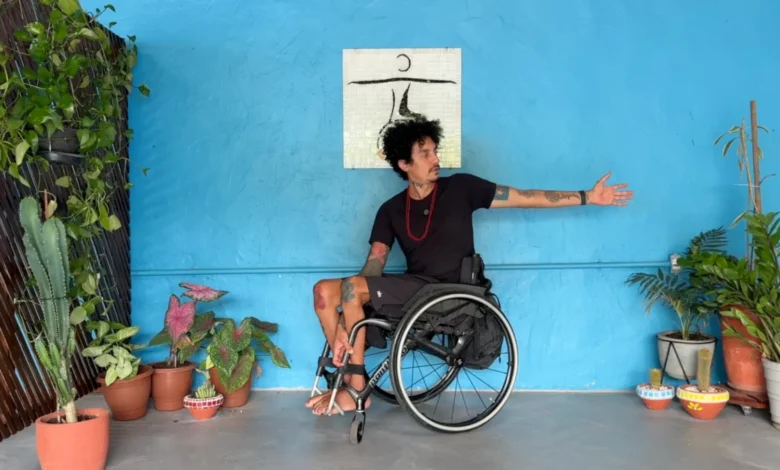
The concept of joy is frequently mischaracterized in contemporary wellness culture as an elusive emotional peak dependent entirely on favorable external circumstances, physical capability, and the absence of hardship. However, a growing movement within adaptive wellness and therapeutic bodywork challenges this conventional narrative. Practitioners, physical therapists, and adaptive yoga instructors are increasingly reframing joy not as a transient reward for success, but as an intrinsic state of presence that can coexist with profound physical trauma, chronic pain, and grief. This evolving perspective is gaining visibility through specialized adaptive practices, such as 20-minute seated chair yoga sequences designed specifically for individuals with mobility impairments, paralysis, and diverse physical needs.
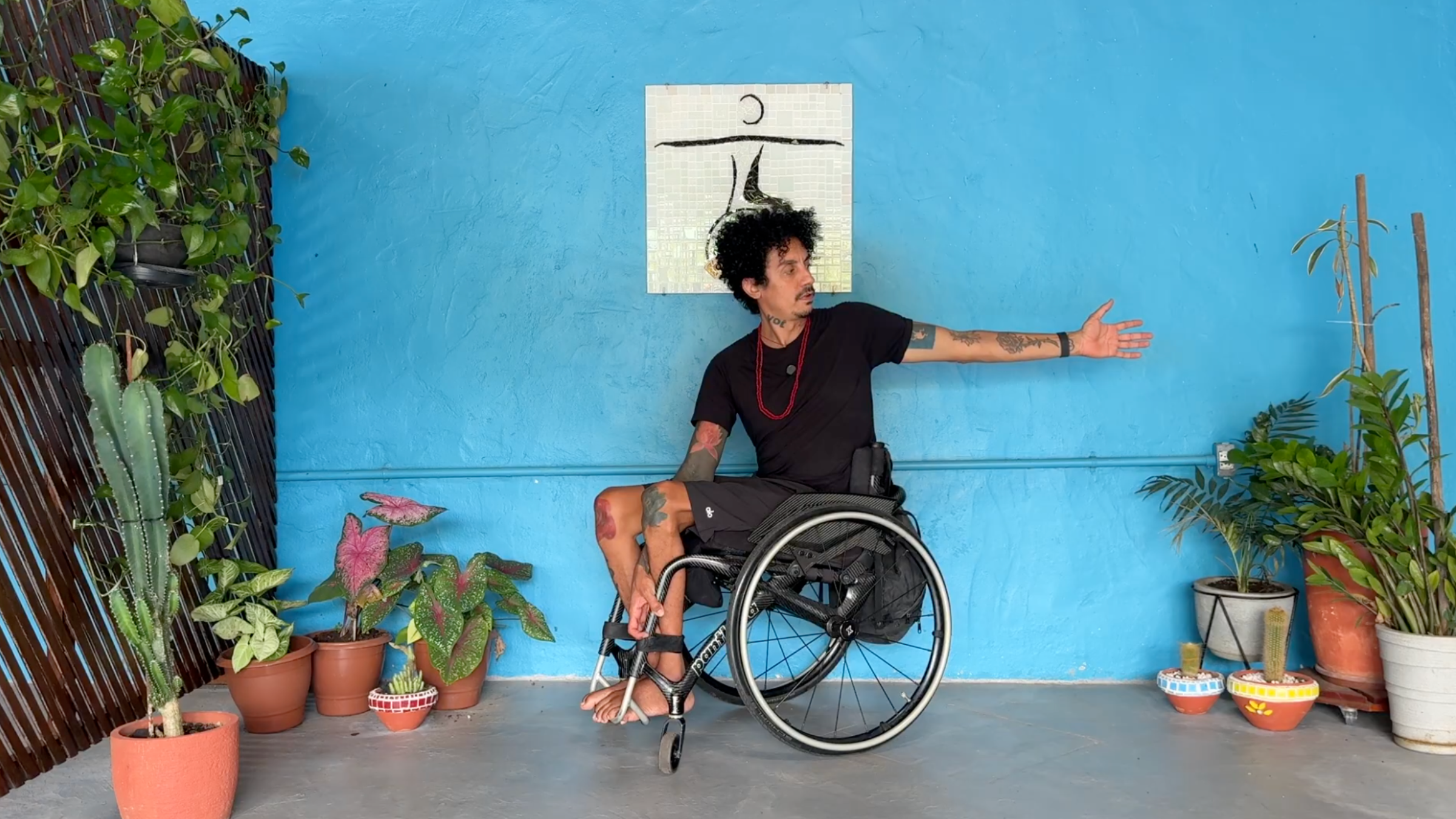
The integration of adaptive methodologies into mainstream mind-body practices marks a significant shift in how fitness, rehabilitation, and mental health intersect. Rather than demanding physical perfection or the complete erasure of sorrow, modern adaptive yoga emphasizes inclusivity, neuro-somatic regulation, and the coexistence of opposing emotional states.
Background Context and the Evolution of Adaptive Yoga
For decades, the commercial yoga industry predominantly catered to able-bodied practitioners, often emphasizing advanced physical postures—known as asanas—that required uncompromised balance, joint flexibility, and full-body motor control. This exclusionary framework inadvertently alienated millions of individuals living with permanent disabilities, age-related mobility decline, or neurological conditions such as spinal cord injuries.
The paradigm began to shift significantly in the early 21st century as clinical research highlighted the profound neurological benefits of mindful movement, breathwork (pranayama), and somatic awareness for individuals undergoing physical rehabilitation. Neurological studies consistently demonstrate that conscious breathing techniques and gentle somatic engagement stimulate the vagus nerve, effectively downregulating the sympathetic nervous system and reducing cortisol levels. For individuals managing chronic pain or the psychological aftermath of traumatic injuries, these physiological mechanisms are crucial.
Within yogic philosophy, the concept of ananda—frequently translated as deep, unshakeable bliss—has historically been viewed as a baseline state residing beneath the fluctuating circumstances of daily life. Adaptive yoga pioneers have operationalized this philosophy, proving that deep physical postures are entirely secondary to internal presence. By modifying traditional sequences for seated practitioners, instructors have created accessible pathways for individuals with conditions ranging from mild arthritis to complete paraplegia to experience the mental and physical benefits of yoga.
Chronology and Structured Practice of Adaptive Seated Yoga
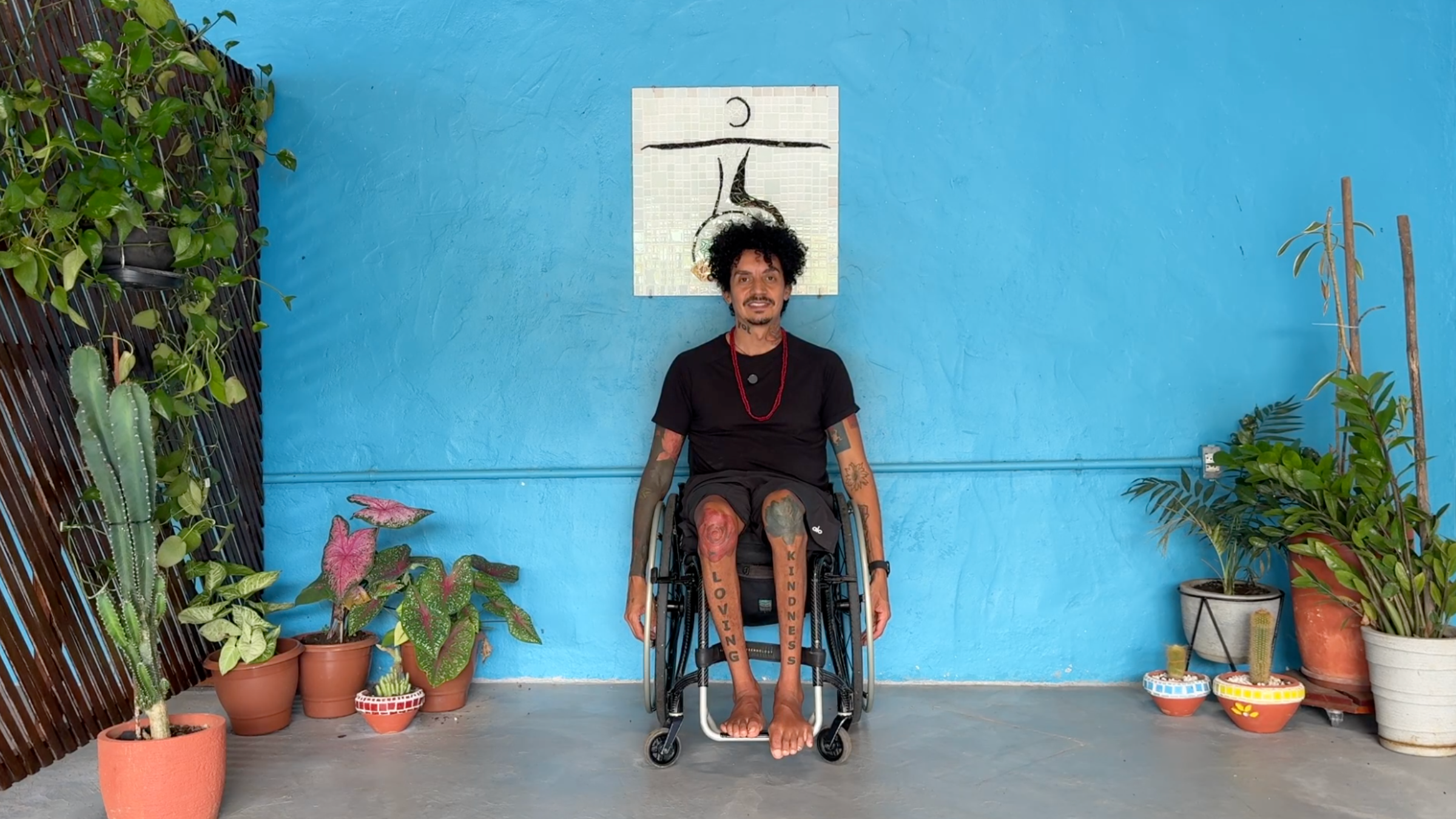
To understand the practical application of adaptive wellness, one must examine the structured methodology of a typical 20-minute chair yoga session. Designed to be accessible regardless of a participant’s physical range of motion, these sessions follow a deliberate, scientifically backed sequence aimed at nervous system regulation and gentle joint mobilization.
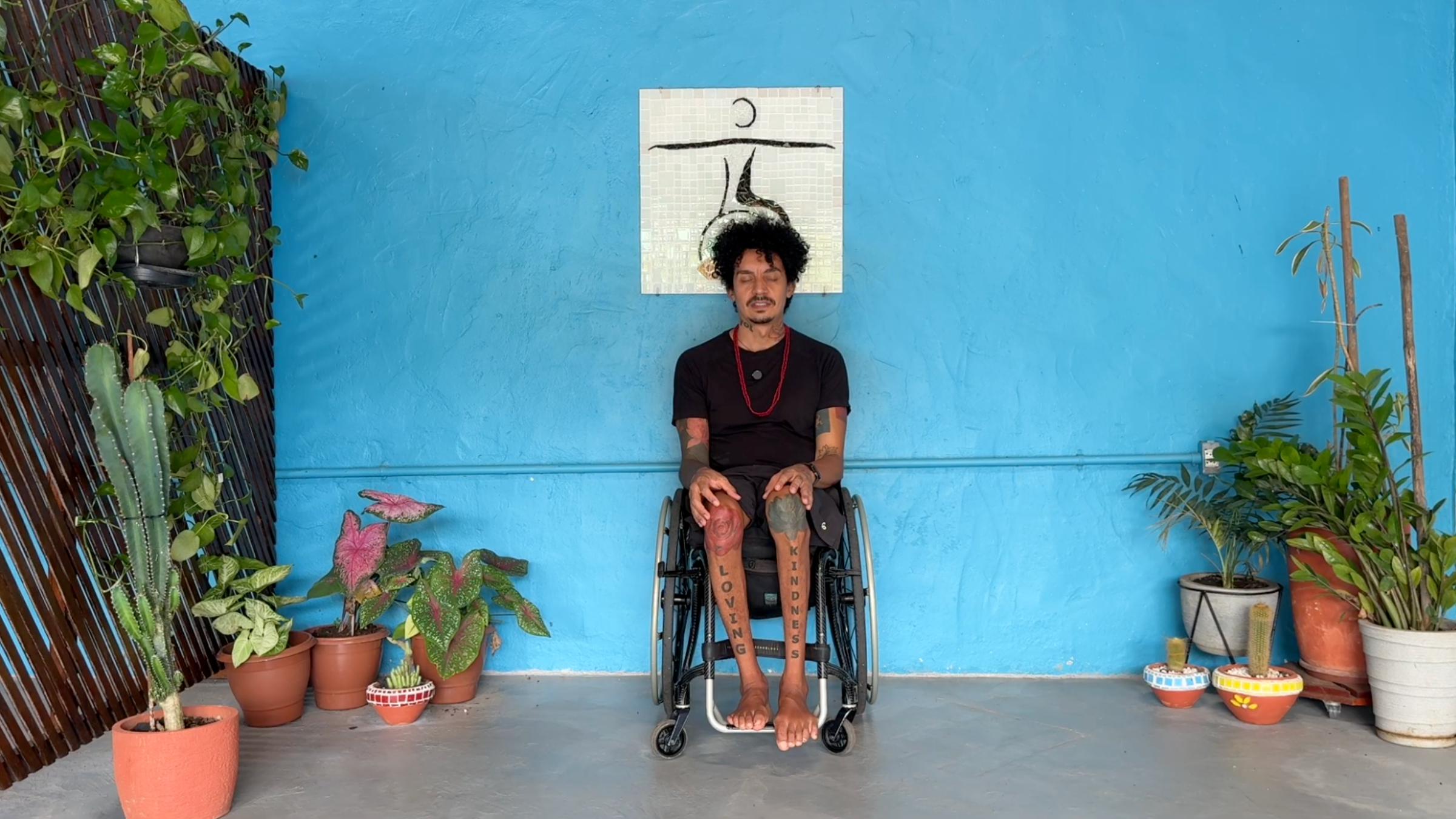
The practice typically commences with centering and breath awareness. Participants are encouraged to find a stable posture in a wheelchair or supportive chair, grounding through their sitting bones while softening the shoulders and facial muscles. Crucially, adaptive instructors emphasize visualization; if a participant cannot physically execute a movement due to paralysis or severe pain, mental visualization of the movement activates corresponding motor cortex pathways in the brain, yielding measurable neurological benefits.
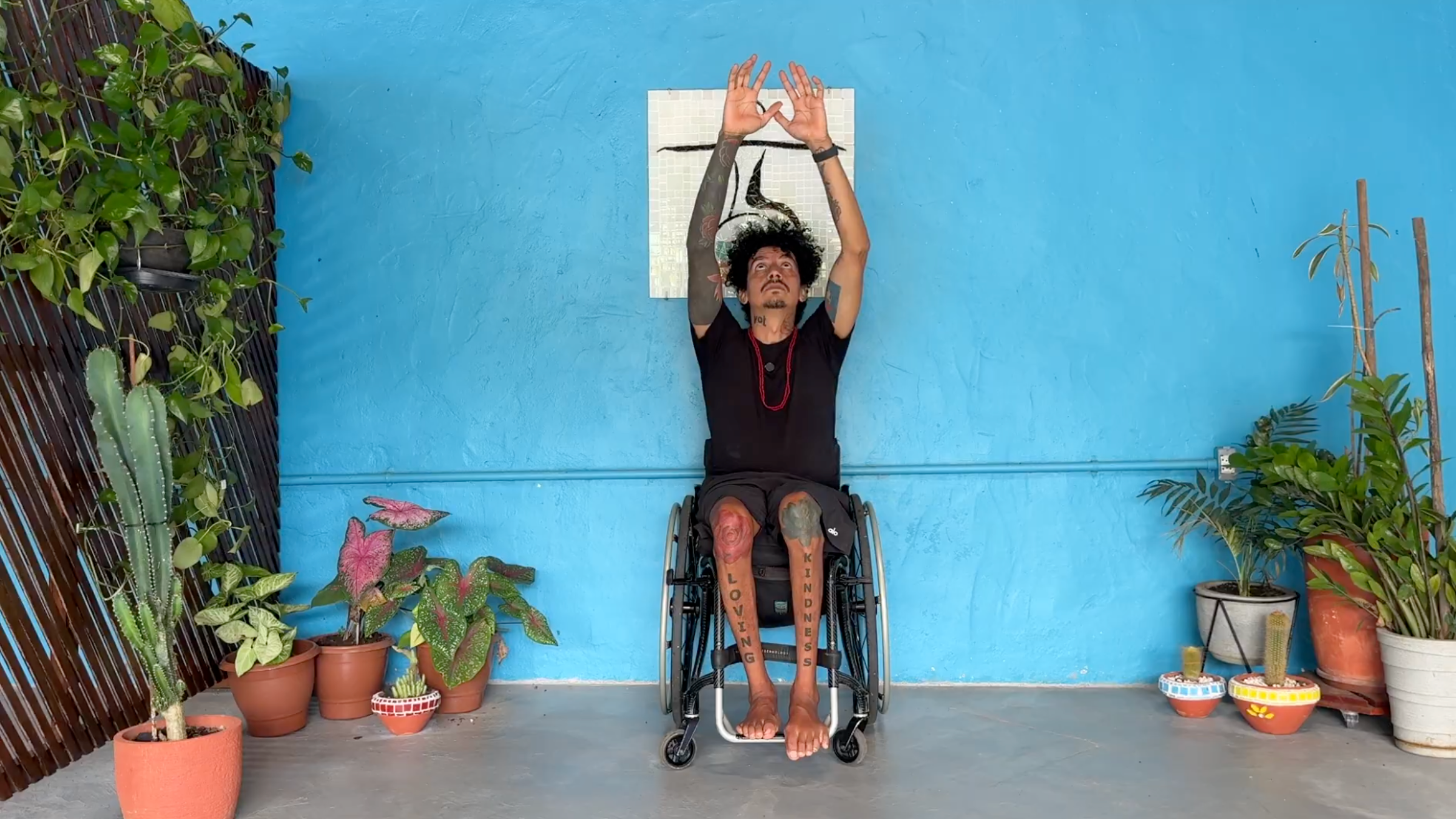
Following the centering phase, practitioners transition through a series of modified movements:
- Mountain Pose (Tadasana): Adapted for the seated position, this posture focuses on elongating the spine, lifting the sternum, and establishing a stable center of gravity.
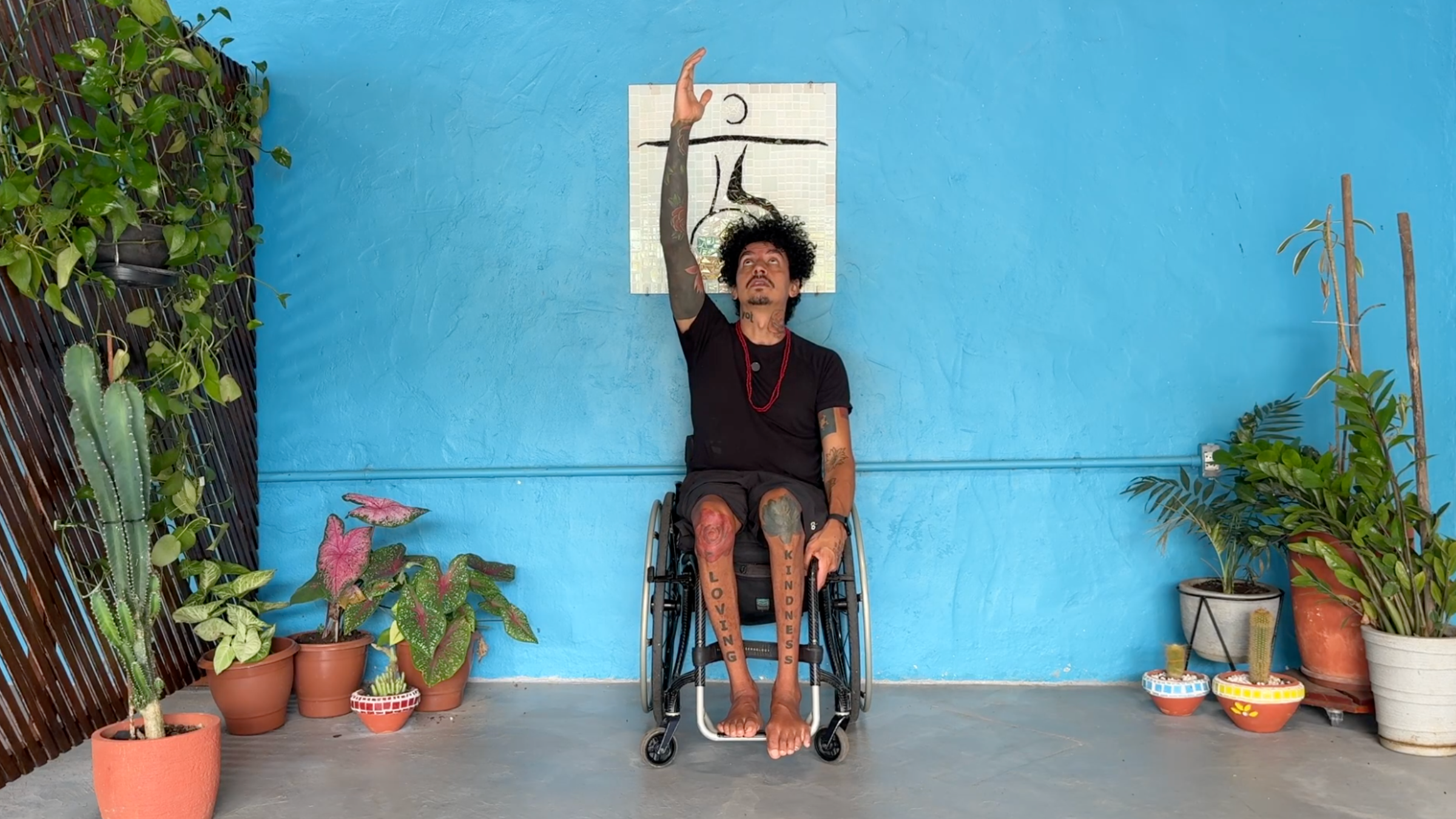
- Sun Breaths: Participants synchronize slow, deliberate arm movements with extended exhalations through pursed lips. This specific breathing pattern prolongs the exhalation phase, which directly stimulates the parasympathetic nervous system.
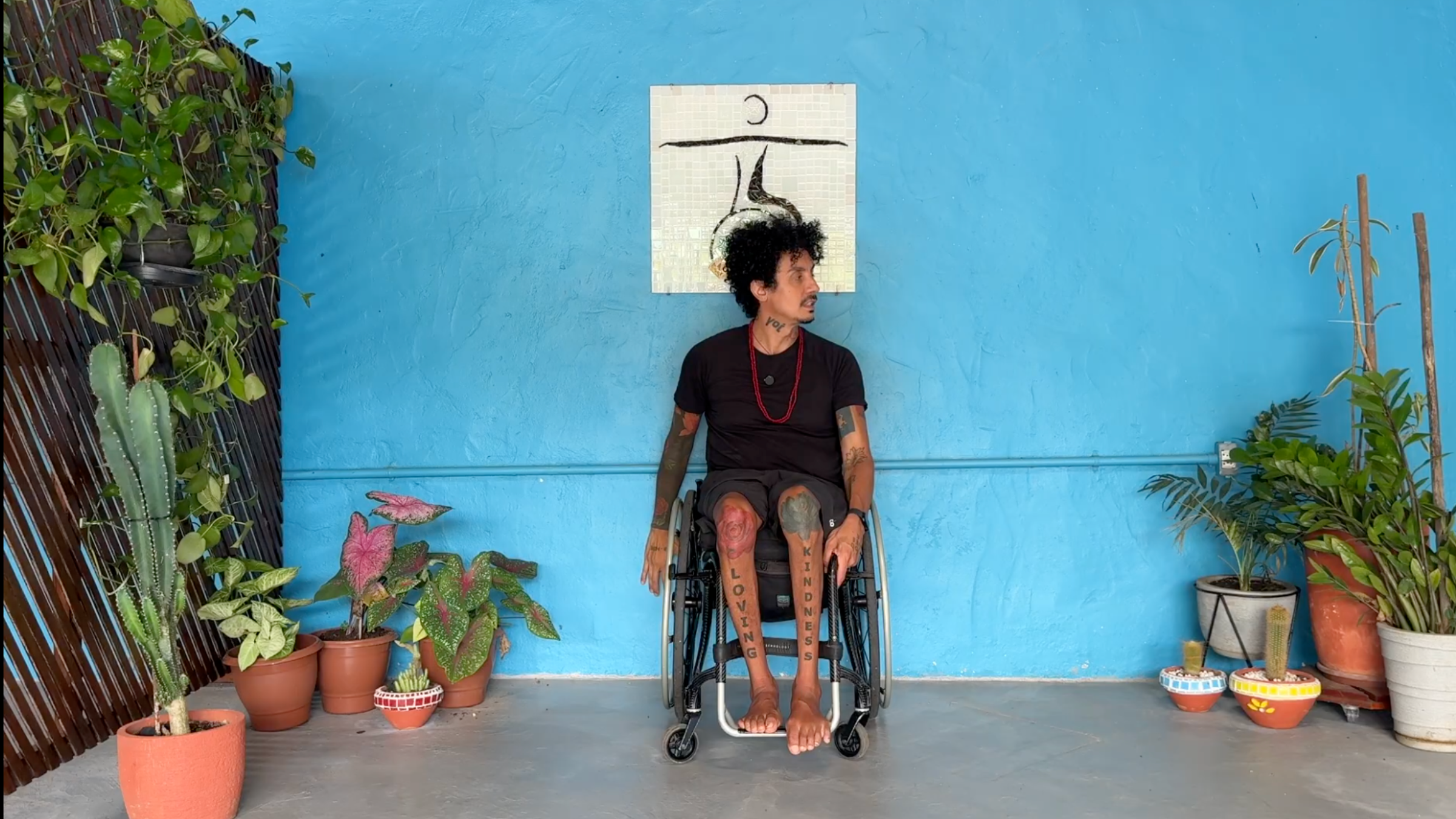
- Neck and Shoulder Stretches: Gentle lateral stretches and controlled circular rotations alleviate muscular tension stored in the upper body, an area particularly prone to stiffness among wheelchair users.
- Seated Twists and Spinal Flexion: Moving the spine through its full range of motion—including modified cat-cow stretches and gentle twists—enhances intervertebral circulation and joint lubrication without placing undue stress on the body.
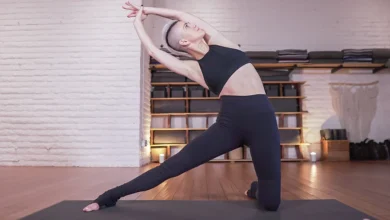
- Lateral Side Bends: Participants execute modified side bends, utilizing support from the chair frame or opposite knee to maintain balance and safely stretch the intercostal muscles.
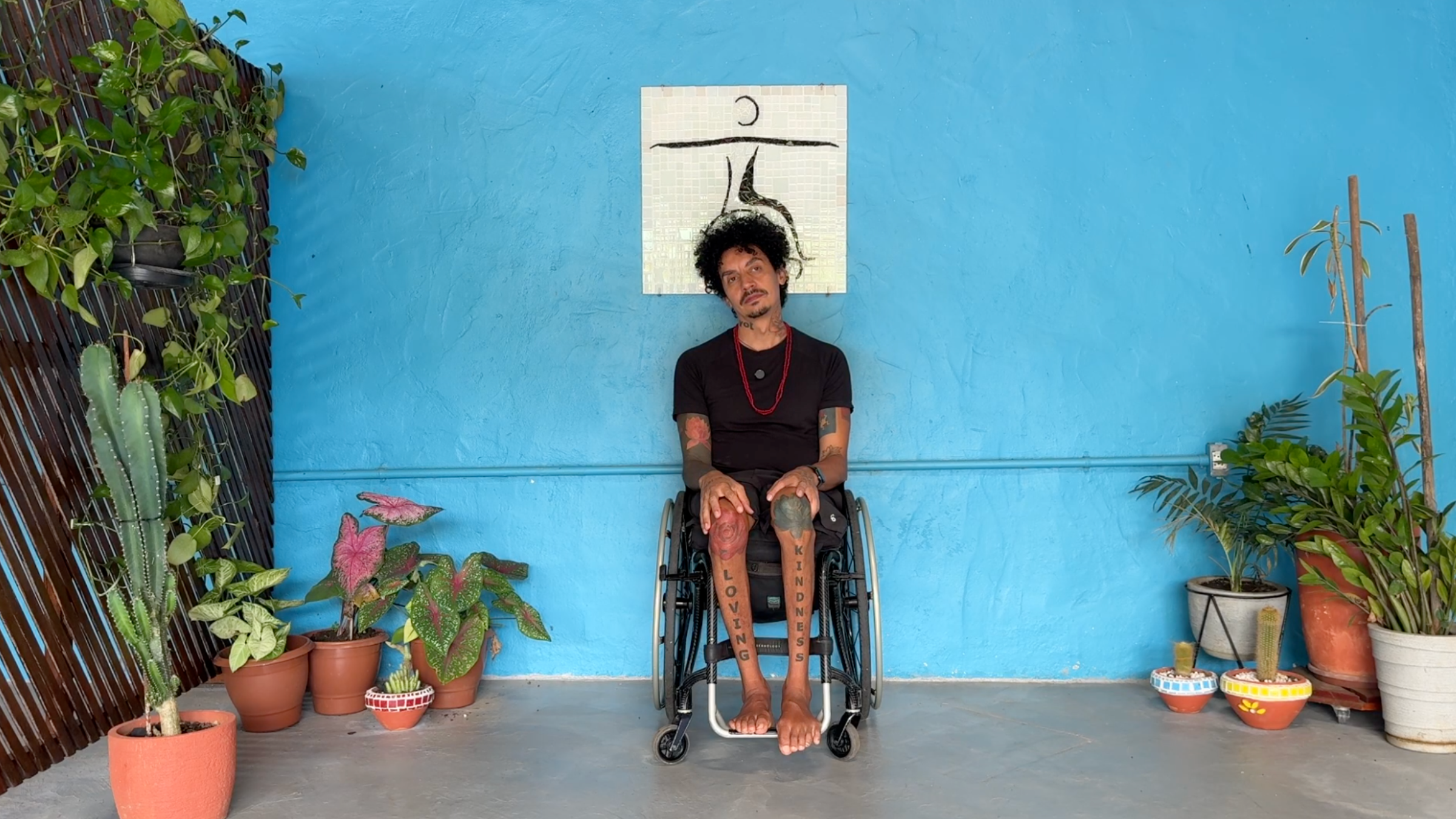
The session concludes with a return to seated meditation, encouraging practitioners to anchor their awareness in a sensory memory of joy—such as the scent of rain or the warmth of sunlight—reinforcing the neurological connection between mindfulness and emotional resilience.
Supporting Data and Therapeutic Implications
The push toward inclusive wellness is supported by mounting data concerning the intersection of mental health and physical disability. According to data from the Centers for Disease Control and Prevention (CDC), approximately 61 million adults in the United States live with a disability, with mobility impairment being the most common type. Studies published in rehabilitation psychology journals indicate that individuals with mobility disabilities experience significantly higher rates of anxiety, depression, and social isolation compared to the general population.
Interventions that combine mindfulness with gentle, adaptive physical movement have demonstrated measurable efficacy in mitigating these mental health challenges. A clinical evaluation of adaptive mind-body programs reported a 30% average reduction in perceived stress levels among participants with spinal cord injuries following an eight-week structured chair yoga intervention. Furthermore, participants reported significant improvements in body appreciation and emotional regulation, underscoring the psychological value of somatic inclusivity.
Medical professionals and physical therapists have increasingly endorsed these practices as complementary modalities in post-rehabilitation care. While physical therapy focuses primarily on functional recovery and muscular strength, adaptive yoga addresses the holistic intersection of emotional grief, identity transformation, and autonomic nervous system regulation.
Broader Impact on the Wellness Industry
The mainstreaming of adaptive chair yoga reflects a broader cultural reckoning within the health and fitness sector. Historically, wellness marketing has relied heavily on aesthetic perfectionism and physical achievement. However, the rise of disability-led advocacy and inclusive instruction is forcing fitness brands, studio owners, and digital platforms to reevaluate their accessibility standards.
Industry analysts note a marked increase in demand for inclusive fitness programming, digital adaptive classes, and certified instructor training focused on neurodiversity and physical disabilities. Major health platforms are expanding their curriculum to include chair-based modalities, recognizing that an aging global population and a diverse demographic of wellness consumers require adaptable options.
Ultimately, the integration of adaptive practices like chair yoga challenges societal assumptions about strength and vulnerability. By demonstrating that profound emotional states like joy and gratitude do not require physical perfection or the absence of suffering, these practices offer a resilient framework for human well-being—one that accommodates the full spectrum of the human experience.