How to Relieve Neck and Shoulder Tension Through Evidence-Based Yoga and Movement

The modern workplace has fundamentally altered human physical alignment, leading to a global rise in musculoskeletal discomfort centered in the cervical spine and the trapezius muscles. As sedentary roles become the norm, millions of adults report chronic tightness, reduced range of motion, and tension-induced headaches. This phenomenon, frequently categorized by medical professionals as "tech neck" or "upper cross syndrome," stems from the sustained forward projection of the head and the prolonged rounding of the shoulders. With the average human head weighing approximately 10 to 12 pounds, even a minor deviation from neutral spinal alignment can increase the load on the cervical vertebrae by up to 50 pounds, resulting in significant physiological strain.
The Anatomy and Origins of Chronic Tension
The human musculoskeletal system is designed for varied movement, not the static, repetitive postures required by contemporary office environments. Over the past two decades, the transition toward digitized workflows and mobile device reliance has accelerated the incidence of upper-body dysfunction. A 2022 survey conducted by the International Journal of Environmental Research and Public Health noted that approximately 60% of office-based employees experience some form of neck or shoulder discomfort on a weekly basis.

The mechanism behind this discomfort is often cumulative. When a person sits at a desk for extended periods, the pectoral muscles—located at the front of the chest—tend to shorten and tighten. Simultaneously, the muscles of the upper back, specifically the rhomboids and the middle and lower trapezius, become chronically overstretched and weak. This muscular imbalance pulls the shoulders forward and causes the head to drift ahead of the center of gravity, placing immense pressure on the cervical discs and soft tissues. Beyond structural factors, the physiological response to stress—often manifested as the unconscious elevation of the shoulders—further exacerbates the issue by keeping the trapezius muscles in a state of constant, non-productive contraction.
The Role of Mindful Movement in Musculoskeletal Health
Physical therapists and orthopedic specialists increasingly acknowledge the efficacy of targeted, low-impact movement in mitigating these effects. While medical intervention is necessary for acute injuries, for the vast majority of office-related tension, controlled stretching and mobility exercises provide a functional solution. Yoga, when practiced with an emphasis on structural alignment and breath control, serves as a mechanism to break the cycle of static strain.
By engaging in systematic stretching, individuals can facilitate "myofascial release"—the process of lengthening the connective tissues surrounding the muscles. Furthermore, the integration of deep, diaphragmatic breathing during these movements helps downregulate the sympathetic nervous system. This transition from a "fight or flight" state to a parasympathetic "rest and digest" state is critical for reducing the involuntary muscle bracing that contributes to chronic pain.

Targeted Techniques for Tension Reduction
For those seeking to alleviate immediate discomfort, specific movements target the lateral, posterior, and thoracic regions of the body. These techniques are grounded in biomechanical principles designed to counteract the forward-leaning posture common in modern life.
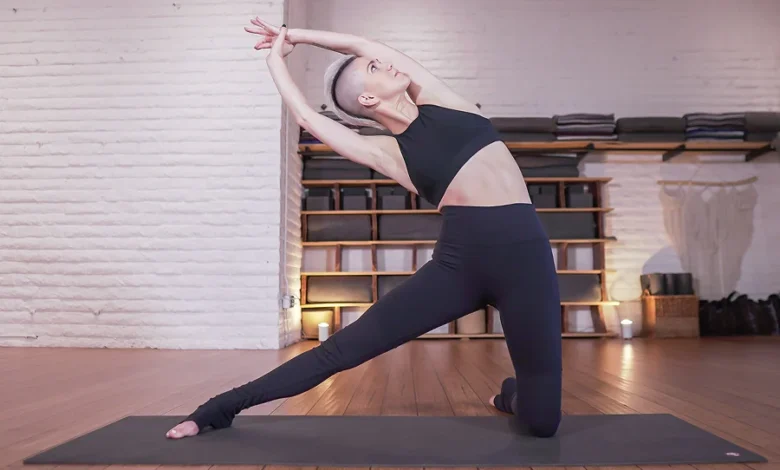
- Lateral Cervical Release: This involves a gentle, controlled lateral flexion of the neck, often accompanied by active depression of the opposite shoulder. By anchoring the shoulder, the stretch effectively targets the sternocleidomastoid and the upper trapezius, the two muscle groups most often implicated in tension-related headaches.
- Thoracic Extension (Puppy Pose): This movement prioritizes the opening of the thoracic spine. By maintaining hip stability while extending the arms forward, practitioners can stretch the latissimus dorsi and pectoralis minor. This is vital for those who spend hours with rounded shoulders, as it reintroduces a range of motion that has been lost through disuse.
- Rotational Mobilization: Exercises that involve rotational movement of the thoracic spine, such as modified seal poses or "thread the needle" variations, address the stiffness between the shoulder blades. Improving mobility in this region is essential for spinal health, as the thoracic spine is intended to be a primary site of rotation, protecting the more fragile cervical and lumbar segments from excessive torque.
The Chronology of Recovery and Maintenance
The process of alleviating chronic tension is not instantaneous; it requires a structured approach to behavioral change.
- Immediate Phase: Within the first few days of implementing a daily five-to-ten-minute stretching routine, individuals often report a reduction in acute muscle soreness and a decrease in the intensity of tension-related headaches.
- Intermediate Phase: Over two to four weeks, the body begins to adapt to improved posture. With consistent practice, the muscles of the chest begin to lengthen, allowing the shoulders to rest in a more neutral, retracted position.
- Long-Term Phase: After three months of consistent movement, many users report a significant shift in their baseline physical comfort. The body becomes more resilient to the stresses of the workday, and the onset of tension is delayed or prevented entirely through improved ergonomic awareness.
Expert Perspectives and Clinical Implications
Medical professionals emphasize that while movement is therapeutic, it should be approached with clinical awareness. Dr. Elena Vance, a specialist in physical medicine and rehabilitation, notes that "the goal of movement-based intervention is not just to stretch, but to retrain the brain to recognize when it is holding tension." She advises that patients must monitor their range of motion and stop immediately if they experience sharp, radiating, or neurological symptoms, which could indicate a nerve impingement or disc issue rather than simple muscle tightness.

The broader implications of this health movement are significant. As organizations recognize that employee health directly correlates to productivity and retention, many are incorporating "desk yoga" or mandatory movement breaks into the corporate culture. The cost-benefit analysis of such programs is increasingly favorable, as reducing the prevalence of repetitive strain injuries lowers healthcare utilization rates and increases overall workplace engagement.
Building a Sustainable Routine
To ensure lasting relief, the consistency of the practice outweighs the intensity. A fifteen-minute session performed five days a week is statistically more effective for long-term health than a single, hour-long session once a week. Incorporating these movements into a daily rhythm—perhaps during a lunch break or as a transition between tasks—allows the body to "reset" before tension can manifest as chronic pain.
In summary, while the demands of modern technology and desk-based work are unlikely to disappear, the physiological consequences of these habits are manageable. Through a combination of anatomical knowledge, consistent application of targeted stretches, and a focus on maintaining neutral posture, individuals can effectively mitigate the effects of modern sedentary life. The path to relief is found in the daily commitment to movement, enabling the body to maintain its structural integrity despite the pressures of a digital-first world. Patients should remain mindful of their physical limitations and consult with qualified healthcare providers to ensure that their chosen routine is appropriate for their specific physiological needs. By prioritizing movement, the narrative of constant neck and shoulder discomfort can be replaced by one of mobility, comfort, and enhanced physical well-being.