New Clinical Trial Reveals THC-Based Medication Significantly Reduces Severe PTSD-Related Nightmares and Restores Restful Sleep

Post-traumatic stress disorder remains one of the most complex and treatment-resistant psychiatric conditions affecting modern populations. Among its most debilitating and psychologically taxing symptoms are recurring, vivid nightmares that trap sufferers in an endless loop of their worst traumas. For decades, clinicians have struggled to find effective pharmaceutical interventions specifically tailored to alleviate these nocturnal disturbances. However, a landmark clinical trial conducted by researchers at Charité – Universitätsmedizin Berlin has offered a profound glimmer of hope. Published in the prestigious journal Nature Medicine, the study demonstrates that a prescription drug containing tetrahydrocannabinol (THC)—the primary psychoactive compound found in cannabis—can dramatically reduce, and in some cases completely eradicate, trauma-induced nightmares.
The implications of this research extend far beyond the immediate findings, touching on the evolving landscape of cannabinoid medicine, the neurobiology of sleep, and the urgent clinical need for targeted psychiatric therapies. By isolating and targeting the physiological mechanisms governing dream activity and emotional processing during rapid eye movement (REM) sleep, scientists may have unlocked a powerful new tool to combat one of the most stubborn manifestations of trauma.
The Neurobiological Crisis of PTSD Nightmares
To understand the significance of the Charité study, one must first examine the profound toll that post-traumatic stress disorder takes on the human brain. PTSD is a psychiatric condition that can develop after an individual experiences or witnesses a catastrophic event, such as military combat, severe physical violence, natural disasters, or major accidents. While many people process such terrifying events over time and eventually recover, individuals with PTSD find themselves trapped in a state of neurological dysregulation.
In a healthy brain, traumatic memories are eventually processed, contextualized, and filed away into long-term memory structures, losing much of their immediate emotional charge. For PTSD sufferers, this neural filing system malfunctions. Traumatic memories remain hyper-accessible, encoded in a raw, overwhelming format that can resurface involuntarily without conscious trigger. This intrusion occurs both during waking hours—manifesting as flashbacks, severe anxiety, and hyper-vigilance—and during sleep, when the defenses of the conscious mind are lowered.
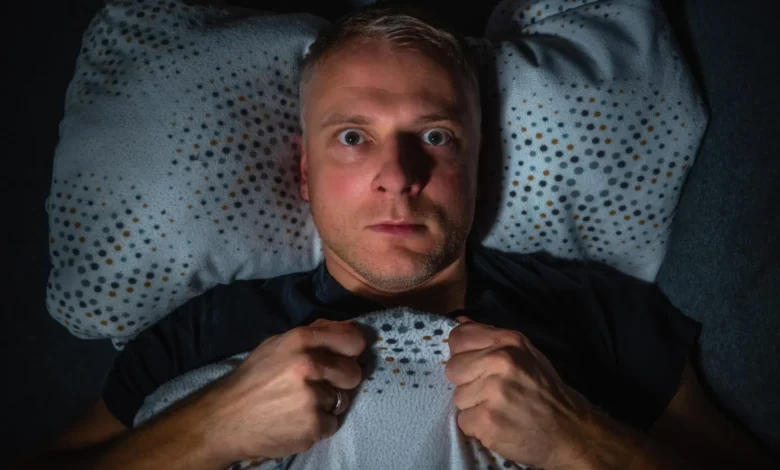
During the night, individuals with PTSD frequently experience vivid, terrifying replays of their trauma. These episodes are not ordinary bad dreams; they are visceral, sensory-rich reenactments that jolt the sleeper awake in a state of absolute panic. The physiological consequences are severe. Chronic sleep deprivation becomes a standard reality, compounding anxiety, impairing cognitive function, and heightening suicide risk. Furthermore, the anticipation of these nocturnal terrors often instills a profound psychological dread of going to bed, creating a vicious cycle of insomnia, exhaustion, and psychological deterioration.
Traditional pharmacological interventions have historically offered limited relief. While antidepressants, particularly selective serotonin reuptake inhibitors (SSRIs), and certain blood pressure medications—such as prazosin—are routinely prescribed to manage general PTSD symptoms, their efficacy against trauma-related nightmares is inconsistent at best. In Germany, as in many other jurisdictions, there has long been a conspicuous absence of any medication officially approved specifically for the treatment of trauma-related nightmares. Consequently, clinicians have been forced to rely on off-label prescriptions and behavioral therapies, leaving a vast population of trauma survivors underserved.
The Endocannabinoid System and the Science of THC
Faced with these therapeutic limitations, a team of researchers led by Prof. Stefan Röpke, who studies trauma-related disorders at the Department of Psychiatry and Neurosciences on the Benjamin Franklin Campus of Charité, turned their focus toward the human endocannabinoid system. This intricate cell-signaling network plays a critical role in regulating a vast array of physiological and cognitive processes, including mood, appetite, pain sensation, memory, and, crucially, sleep and emotional processing.
The endocannabinoid system utilizes endogenous cannabinoid receptors spread throughout the central and peripheral nervous systems. THC, the principal active compound in cannabis, interacts directly with these receptors, mimicking or modulating the effects of the body’s natural signaling molecules.
Prof. Röpke and his colleagues hypothesized that introducing exogenous THC could help stabilize the neural pathways responsible for processing emotional memories during sleep. "There is evidence suggesting that during REM sleep—the intense dream phases in which the brain processes experiences and regulates emotions—THC reduces dream activity and thereby alleviates nocturnal stress responses," Röpke explained. By dampening the hyperactive signaling associated with traumatic dream states, THC theoretically acts as a biological brake on the brain’s nocturnal trauma loops.
Chronology and Trial Methodology: The Gold Standard in Testing
The path to this clinical trial was paved by shifting legal and medical frameworks regarding cannabis derivatives. In Germany, access to medical cannabis underwent a major transformation following the enactment of the "Cannabis for medical purposes" legislation in 2017. This law significantly broadened the legal framework for the medical and scientific utilization of plant-derived and synthetic cannabinoids, allowing researchers to explore therapeutic applications with greater regulatory clarity.
To test the efficacy of THC on PTSD nightmares, Röpke’s team designed a rigorous, randomized, double-blind, placebo-controlled trial—widely regarded as the gold standard of clinical research. The study enrolled more than 170 participants who suffered from diagnosed post-terror stress disorder and experienced frequent, debilitating nightmares.
Over a ten-week period, the participants were administered either Dronabinol—a pharmaceutical-grade prescription drug containing THC derived directly from the cannabis plant and administered in liquid drop form—or a cannabis-flavored placebo designed to be identical in taste, appearance, and packaging. To maintain the integrity of the study, neither the patients nor the administering healthcare professionals knew who was receiving the active medication and who was receiving the inert substance. Participants ingested their assigned drops each evening before retiring to bed, allowing the compound to take effect during nocturnal sleep cycles.
Supporting Data and Clinical Outcomes
At the conclusion of the ten-week trial period, the data revealed a statistically significant divergence between the two cohorts. Nightmare severity, measured on a standardized clinical scale ranging from zero to eight, plummeted far more dramatically in the Dronabinol group than in the placebo group.
Specifically, participants taking Dronabinol experienced an average drop in nightmare burden of 3.7 points. In contrast, the placebo group registered an average decrease of 2.2 points. While a numerical drop may seem abstract, the real-world implications for the patients were profound and immediately noticeable in their daily lives.
The qualitative findings highlighted by Prof. Röpke further underscore the treatment’s impact: "More than a third of the patients treated with Dronabinol reported that they no longer experienced any nightmares after ten weeks. Another 21 percent reported that their nightmare burden had been at least halved. And about five out of six patients in the dronabinol group felt their health had markedly improved."
This means that over 50 percent of trial participants experienced a clinically meaningful response, with more than 35 percent achieving total remission of their trauma-related nightmares. For individuals who had spent years or decades waking up in terror, the restoration of peaceful, dreamless sleep represented a life-altering recovery of basic human functioning.
Safety Profile, Side Effects, and Broader Implications
An essential priority for the research team was evaluating the safety and tolerability of chronic THC administration in a vulnerable psychiatric population. Concerns regarding chemical dependency, cognitive impairment, and psychological destabilization often accompany the medical use of cannabinoids.
Interestingly, the study revealed that Dronabinol acted with a high degree of specificity. The cannabinoid targeted nightmares and sleep disturbances effectively, but the researchers could not conclusively demonstrate that it reduced the overall global severity of post-traumatic stress disorder or accompanying symptoms like depression. In short, while it did not cure PTSD as an all-encompassing diagnosis, it successfully dismantled one of its most destructive and exhausting symptoms.
Regarding adverse events, the safety data proved highly reassuring. No severe adverse reactions were reported throughout the ten-week duration. Mild to moderate side effects—such as transient dizziness, mild headaches, and an increase in appetite—occurred more frequently among those receiving Dronabinol than the placebo group, but these effects were well-tolerated and did not prompt widespread dropouts from the study. Furthermore, when participants ceased taking their evening doses at the conclusion of the trial, researchers observed no physical withdrawal symptoms or signs of chemical dependency.
Future Outlook and Expert Consensus
The success of the Charité trial opens a promising new chapter in trauma therapeutics, yet researchers emphasize that caution and further investigation are required before widespread clinical adoption can occur.
Future clinical trials are already being planned to examine whether the safety and efficacy of Dronabinol are maintained over longer treatment periods extending beyond ten weeks. Additionally, scientists aim to determine whether patients develop a physiological tolerance to the drug over time, which could diminish its long-term effectiveness.
The collaborative nature of the research underscores its scientific rigor. Initiated and led by Charité, the study also incorporated scientists from the Psychiatric University Clinic of Charité at St. Hedwig Hospital, the University Medical Center Hamburg-Eppendorf, and the Central Institute for Mental Health in Mannheim, with financial and logistical support from the pharmaceutical company Bionorica SE.
As the medical community digests these findings, the message for trauma survivors is one of cautious optimism. By leveraging our growing understanding of the endocannabinoid system, modern medicine is steadily dismantling the barriers that keep trauma victims trapped in their past. For millions suffering in the quiet agony of nocturnal PTSD, relief may finally be on the horizon.
Related posts: