Navigating the Holiday Season: A Comprehensive 7-Day Healthy Meal Plan for Balanced Nutrition and Budget-Conscious Cooking


The approach of the holiday season often brings a familiar tension between festive indulgence and the desire to maintain health and wellness goals. As families across the country prepare to gather for Thanksgiving and the subsequent rush of holiday shopping, maintaining a balanced routine can present a significant challenge. To assist individuals and families in navigating this demanding time of year without sacrificing nutrition or financial stability, structured weekly meal planning has emerged as an essential tool for household management.
The Role of Meal Planning in Modern Household Management
In recent years, fluctuating grocery prices and demanding daily schedules have forced many households to reevaluate their food consumption habits. Strategic meal planning serves as a practical countermeasure against rising food costs, impulse dining, and excessive food waste. By establishing a clear menu and a corresponding, organized shopping list ahead of time, consumers can streamline their weekly grocery trips, minimize unnecessary expenditures, and ensure that wholesome meals are readily available.
Nutritionists and culinary experts consistently advocate for structured eating guides, particularly during high-stress holiday periods. Structured plans help mitigate the fatigue associated with daily decision-making regarding food, allowing individuals to focus on family, professional responsibilities, and seasonal festivities. Furthermore, utilizing comprehensive shopping lists prevents the purchase of redundant items, directly translating to measurable savings at the checkout counter.
Structuring Nutritional Goals During Festive Periods
The implementation of a flexible, seven-day nutritional blueprint provides a reliable foundation for balanced eating while accommodating the unpredictable nature of holiday schedules. Rather than imposing rigid dietary restrictions, modern nutritional frameworks emphasize flexibility, ensuring that individuals consume adequate daily energy—typically calibrated around a baseline of 1,500 calories for adult women, though individual requirements vary based on age, metabolism, and physical activity levels.
This adaptable approach leaves ample room for personal preferences, hydration beverages, occasional treats, and seasonal celebrations. By integrating macro-nutrient tracking and established dietary guidelines, such as those aligned with Weight Watchers points systems, individuals can monitor their nutritional intake effortlessly. The inclusion of diverse meal components—ranging from high-protein breakfasts to fiber-rich lunches and vegetable-forward dinners—supports sustained energy levels throughout busy weeks.
Daily Nutritional Breakdown and Menu Architecture
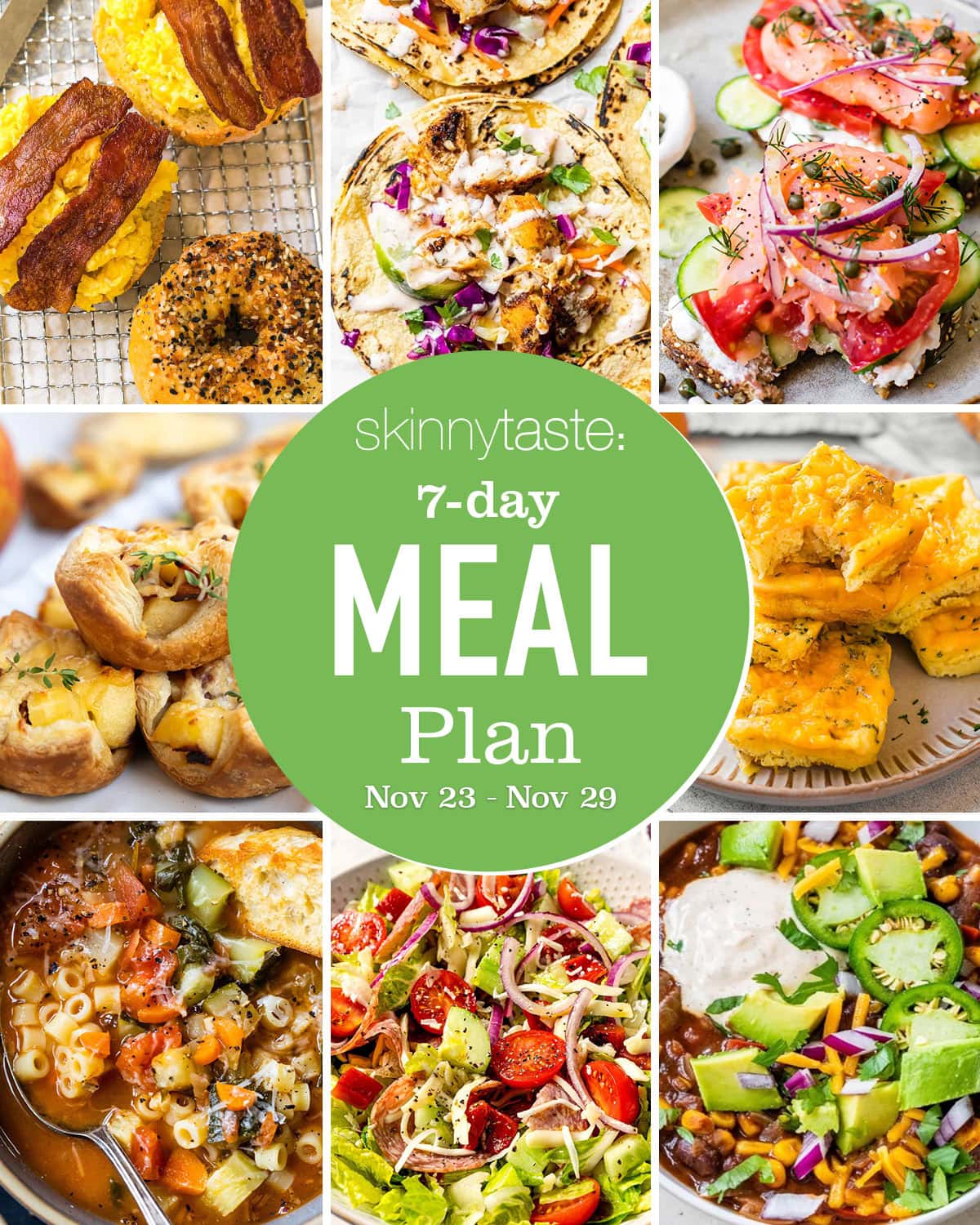
A well-designed weekly menu balances preparation efficiency with culinary variety, frequently utilizing batch cooking and strategic leftover integration to save time. The schedule for the week of November 23 through November 29 illustrates this methodology through a carefully curated sequence of meals tailored for both single-serving efficiency and family-style gatherings.
Monday: Establishing a Balanced Baseline
The week commences with a focus on quick preparation and nutrient density. Breakfast features savory Potato Cheddar Chive Bakes, providing a satisfying start to the day. Lunch transitions to a Spicy Canned Salmon Rice Bowl, offering essential omega-3 fatty acids and lean protein. The evening meal introduces an Easy Black Bean Vegetarian Chili garnished with spiced yogurt, two tablespoons of shredded cheddar, and a measured portion of avocado, establishing a fiber-rich foundation for the week.
Tuesday: Strategic Leftover Integration
Efficiency becomes paramount on Tuesday, utilizing the previous night’s culinary efforts. Breakfast repeats the Potato Cheddar Chive Bakes, while lunch features a direct serving of the leftover Black Bean Vegetarian Chili. Dinner shifts toward a lighter coastal profile with Healthy Cod Fish Tacos served alongside Cilantro Lime Cauliflower Rice, maintaining a balanced caloric profile while diversifying protein sources.
Wednesday: Mid-Week Variety and Preparation
As the workweek progresses toward the holiday, Wednesday maintains routine with the established breakfast bake and chili leftovers for lunch. The evening meal introduces a Sheet Pan Chicken Scarpariello, combining lean poultry with vibrant bell peppers and savory seasonings in a single-pan format designed to minimize post-cooking cleanup.
Thursday: Thanksgiving Observance and Holiday Feasts
Thursday’s menu accommodates the traditional Thanksgiving celebration while incorporating mindful preparation techniques. Breakfast remains consistent with the potato and chive bakes. To sustain energy during morning holiday preparations and Black Friday shopping reconnaissance, lunch features an array of lighter finger foods, including Puff Pastry Apple and Bacon Bites, Bloody Mary Deviled Eggs, Spinach Artichoke Crostini, and an Autumn Whipped Ricotta Dip paired with multigrain pita chips.
The centerpiece evening meal revolves around a Dry Brine Turkey, accompanied by traditional yet health-conscious sides such as Sausage Stuffing, a three-ingredient Cranberry Sauce, and a Lightened-Up Green Bean Casserole. This menu demonstrates that traditional holiday comfort foods can be successfully adapted to align with health-conscious parameters without sacrificing flavor.

Friday: Post-Holiday Recovery and Smart Utilization
The day following Thanksgiving often involves repurposing holiday bounty. Breakfast features Smoked Salmon Toast for a protein-packed start. Lunch consists of a crisp, refreshing Italian Chopped Salad prepared as a half-recipe to suit individual portions. Dinner cleverly transforms holiday remains into a comforting Leftover Turkey Casserole served alongside a fresh Arugula Salad, effectively preventing food waste while introducing a novel flavor profile.
Saturday: Weekend Balance and Dining Out
Saturday morning introduces a Leftover Turkey and Sweet Potato Frittata, utilizing remaining ingredients from the festive week. Lunch transitions to a hearty Minestrone Soup paired with a moderate portion of multigrain baguette. Saturday evening provides flexibility with a planned dinner out, allowing individuals to enjoy social dining without the constraints of home food preparation.
Sunday: Culminating the Weekly Cycle
The final day of the weekly cycle begins with a High-Protein Egg Bagel featuring whipped cream cheese, lox, red onion rings, and fresh tomato slices. Lunch utilizes the remaining Minestrone Soup and multigrain baguette. The week concludes with a flavorful Slow Cooker Korean Beef served over a controlled portion of brown rice and complemented by Easy Garlic Broccolini, providing a savory and satisfying close to the seven-day rotation.
Economic Implications and Budgetary Adaptations
The integration of structured meal planning into household routines carries significant economic implications, particularly amid broader inflationary pressures affecting the food supply chain. Consumer spending data indicates that food-at-home costs have required households to adopt increasingly resourceful purchasing habits.
Meal planning directly addresses these financial challenges through several mechanisms:
- Targeted Purchasing: Compiling a precise grocery list prevents impulse buying and ensures that every purchased ingredient serves a specific culinary purpose.
- Waste Reduction: By intentionally incorporating leftovers into subsequent meals, households drastically reduce the volume of edible food discarded weekly.
- Reduced Dining Out: Having pre-planned, appealing meals at home diminishes the reliance on costly restaurant meals and food delivery services.
Industry analysts note that consumers who consistently utilize meal planners report noticeable reductions in their weekly grocery expenditures. Furthermore, the systematic use of pantry staples and cross-utilization of fresh produce across multiple recipes maximizes the return on investment for every grocery dollar spent.
Community Engagement and Digital Resource Integration
The evolution of modern meal planning extends beyond individual kitchen management into digital communities and shared resources. Platforms dedicated to healthy cooking frequently foster online communities where participants share recipe modifications, photographs of completed dishes, and practical preparation tips. This peer-to-peer engagement provides continuous motivation and accountability for individuals pursuing personal health and wellness objectives.
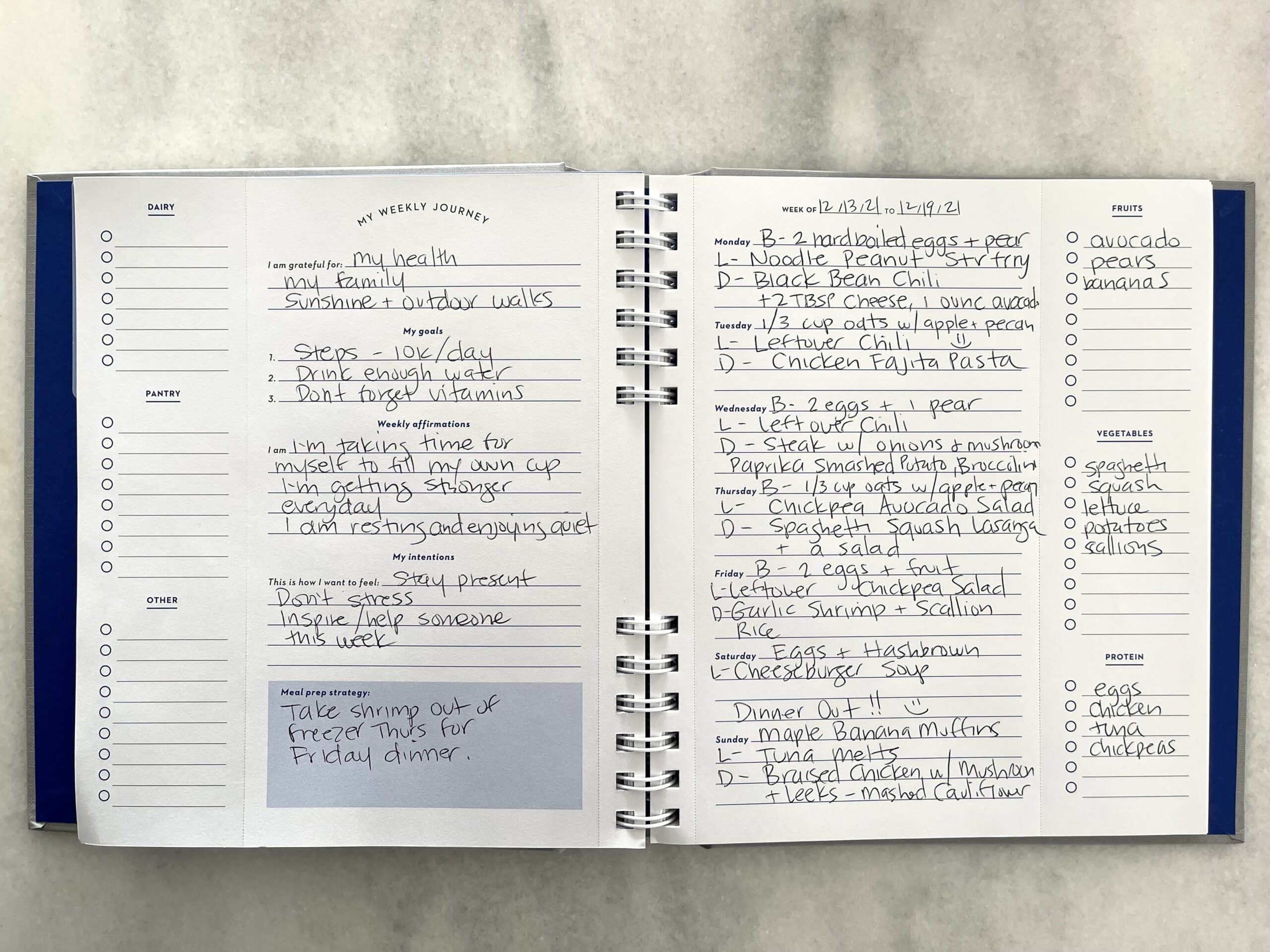
Additionally, the availability of specialized physical tools, such as dedicated weekly meal planners featuring spiral-bound formats, detachable grocery lists, and goal-setting sections, reflects a growing consumer demand for tactile organizational aids. These tools reinforce the psychological benefits of planning, helping individuals align their nutritional habits with broader lifestyle intentions.
Ultimately, balancing holiday festivities with nutritional mindfulness requires a deliberate, structured approach. By leveraging adaptable meal plans, strategic shopping lists, and resource-conscious cooking methods, households can successfully navigate the busiest seasons of the year while supporting their long-term health and financial well-being.