Blueberry Bran Muffins Offer a Healthier, Nutrient-Dense Twist on a Classic Breakfast Staple

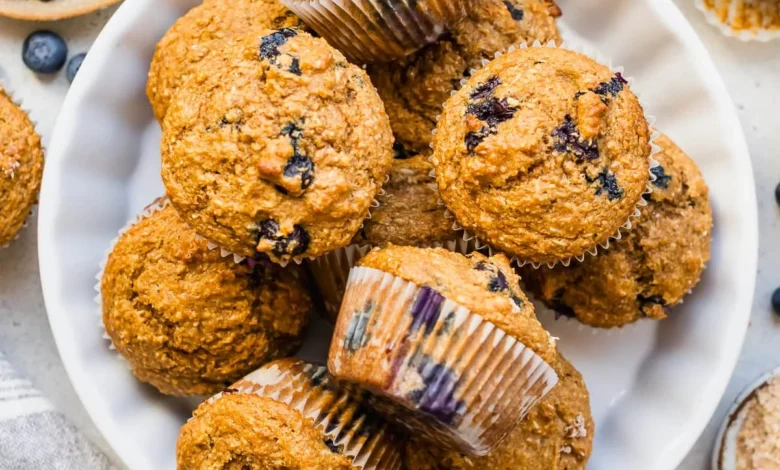
The modern consumer landscape is undergoing a significant shift toward healthier, nutrient-dense breakfast options, driven by a growing public health focus on dietary fiber, reduced sugar intake, and wholesome ingredients. Amid this culinary evolution, traditional baked goods are being reimagined to meet contemporary nutritional standards without sacrificing flavor or texture. A prime example of this trend is the resurgence of the classic blueberry bran muffin, transformed through clever recipe engineering into a low-fat, high-fiber morning meal. This refined approach to baking demonstrates how comfort foods can be successfully adapted for health-conscious lifestyles, balancing indulgence with nutritional integrity.
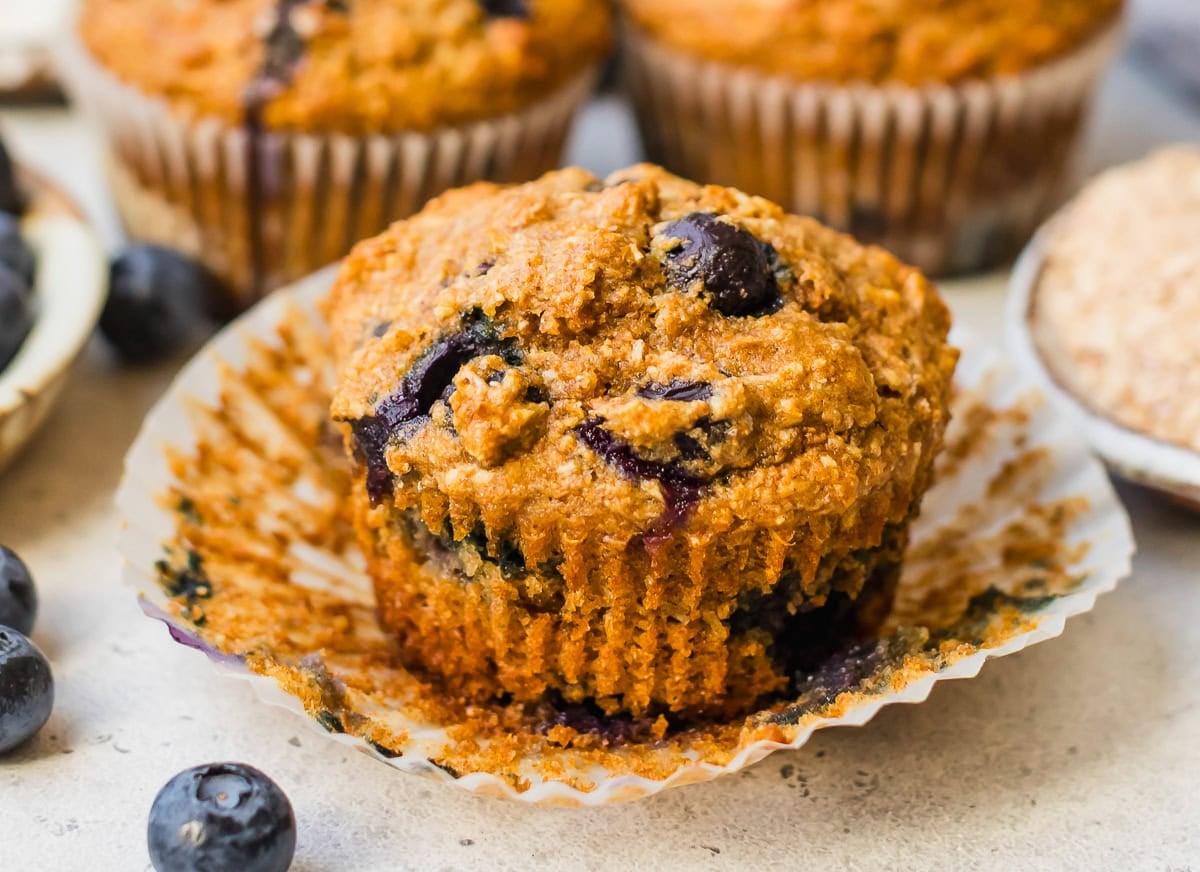
Background and Culinary Evolution
Bran muffins have long held a nostalgic place in culinary history, frequently associated with neighborhood diners, traditional bakeries, and wholesome home-style breakfasts. Historically valued for their high fiber content and digestive benefits, traditional commercial bran muffins often suffered from a reputation of being dry, dense, and overly reliant on heavy oils and refined sugars to maintain palatability. Over recent decades, as dietary guidelines began emphasizing whole grains and the reduction of saturated fats, home cooks and culinary professionals alike sought ways to revitalize the genre.
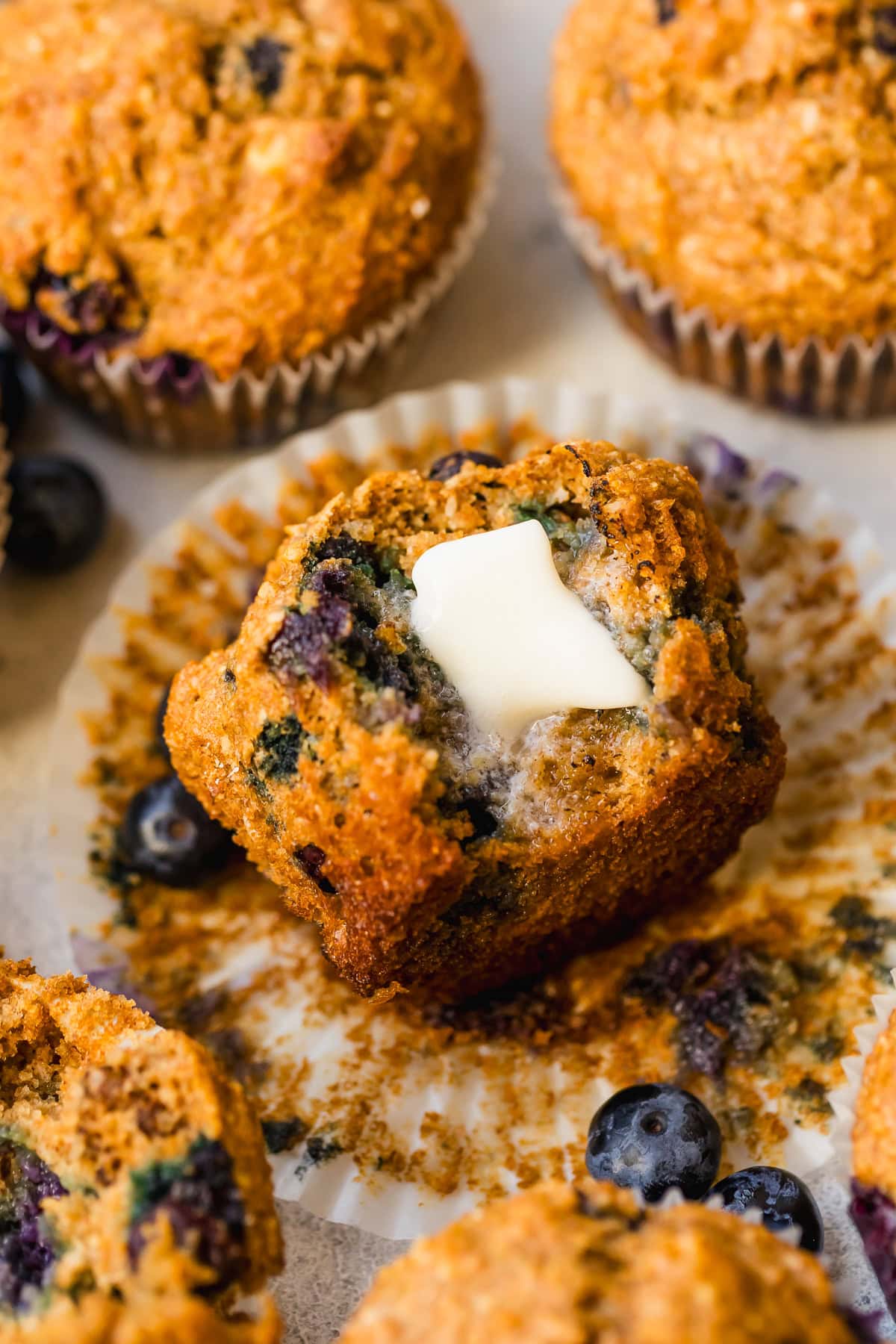
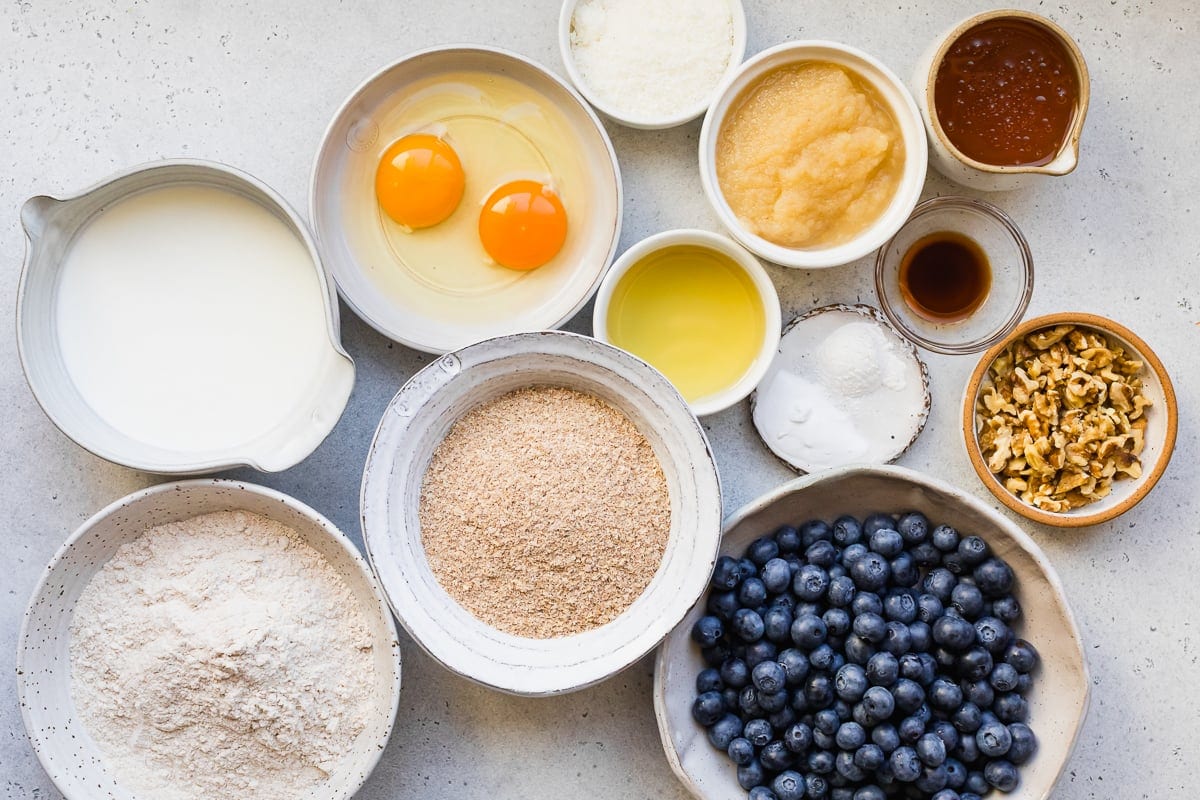
The introduction of natural sweeteners like honey, moisture-rich fruit purees such as applesauce, and texture enhancers like coconut flakes represents a major milestone in this culinary evolution. By replacing substantial quantities of traditional cooking fats with unsweetened applesauce, modern adaptations drastically reduce the caloric density and saturated fat content of the baked goods while preserving a remarkably moist crumb. Fresh blueberries and aromatic elements are then incorporated to elevate the flavor profile, bridging the gap between health consciousness and traditional comfort food.
Nutritional Profile and Ingredient Mechanics

Understanding the success of these modern blueberry bran muffins requires an examination of their nutritional architecture and ingredient functionality. Standardized dietary metrics for a single serving of these refined muffins reveal a carefully balanced composition designed to support sustained energy levels throughout the morning. Each individual muffin—weighing in at approximately 143 kilocalories—delivers 25.5 grams of carbohydrates, 3 grams of high-quality protein, and an impressive 3 grams of dietary fiber, which aids in digestion and promotes a prolonged sense of fullness.
The fat content is notably controlled, restricted to just 4.5 grams per serving, with a minimal saturated fat contribution of 2.5 grams. Furthermore, the sodium content is kept to a moderate 155.5 milligrams, and cholesterol remains low at 23.5 milligrams. The strategic inclusion of natural sugars, totaling roughly 13 grams per serving, is primarily derived from nutrient-dense sources such as fresh fruit and honey, avoiding the blood sugar spikes typically associated with heavily processed, refined white sugars.
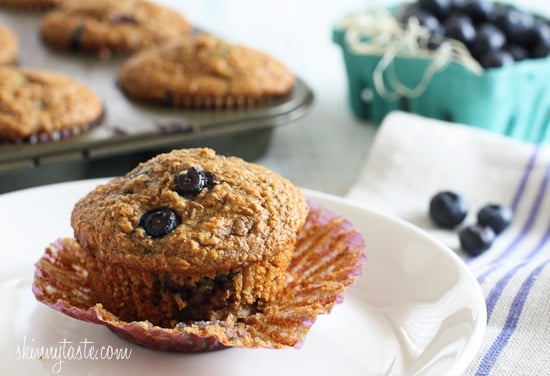
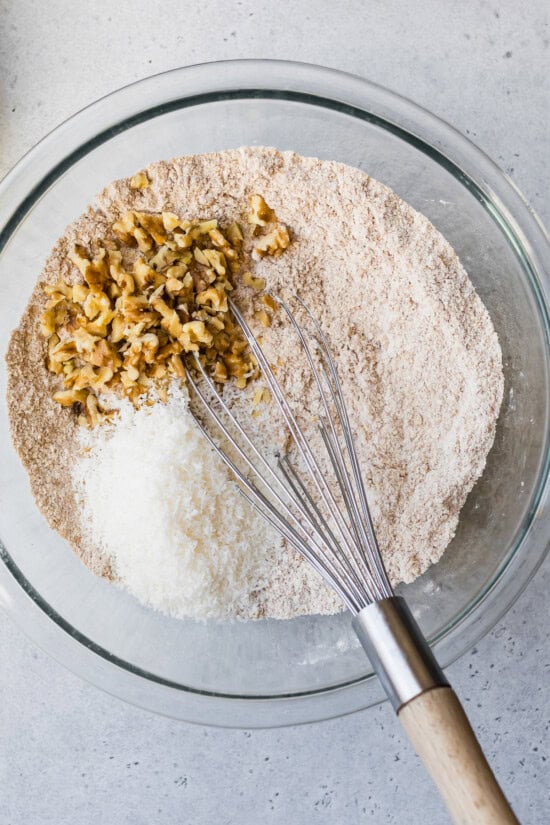
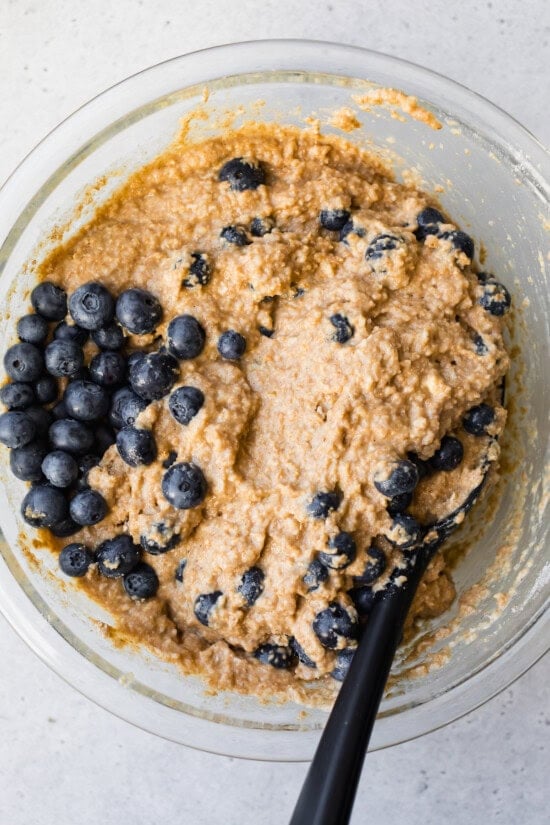
The structural integrity of the muffin relies on a precise balance of dry ingredients—such as wheat bran and whole grains—and wet components, including eggs, milk or dairy alternatives, and the aforementioned applesauce. Wheat bran provides the essential insoluble fiber necessary for optimal gastrointestinal health, while fresh blueberries introduce powerful antioxidants, vitamins C and K, and natural moisture that bursts during the baking process.
Chronology of Modern Meal Prep and Baking Trends

The integration of health-focused baked goods into weekly routines aligns closely with broader cultural shifts toward organized meal preparation and home economics. In the early 2010s, the rise of digital food journalism and recipe-sharing platforms accelerated the dissemination of modified traditional recipes. Home cooks increasingly demanded dishes that could be prepared efficiently during the weekend and preserved for consumption throughout a busy work week.
During the mid-2010s, culinary experts began emphasizing batch cooking, freezing techniques, and versatile recipe scaling—such as creating half-batches for smaller households. The blueberry bran muffin became a cornerstone of this movement due to its exceptional freezer stability. When stored in airtight containers, baked bran muffins can be frozen for weeks and seamlessly restored to a freshly baked state by splitting them and applying gentle heat on a griddle or skillet. This chronological development transformed the muffin from a perishable, single-day bakery purchase into a scalable, long-term dietary staple.
Expert Commentary and Culinary Philosophy
Culinary authorities and food developers consistently emphasize that successful healthy baking hinges on moisture retention rather than excessive fat addition. When discussing the formulation of lighter bran muffins, culinary experts note that substituting fat with fruit purees—such as applesauce—is a scientifically proven method for maintaining a tender crumb without adding unnecessary lipids.
Furthermore, culinary historians point out that the ritual of splitting, toasting, and garnishing bran muffins with minimal spreads like butter or fruit preserves connects modern consumers to historical diner cultures. This practice enhances the sensory experience, proving that nutritional modifications do not necessitate a compromise on culinary pleasure. By balancing fiber-rich grains with vibrant fruit flavors, professional developers continue to reshape public perceptions of what constitutes a satisfying breakfast.
Broader Impact and Dietary Implications
The growing popularity of fiber-rich, reduced-fat breakfast pastries carries significant implications for public health and the commercial food sector. As nutritional literacy improves, consumers increasingly scrutinize packaged and bakery foods for hidden fats and refined sugars. Recipes that successfully integrate whole grains and natural sweeteners offer a viable blueprint for both home kitchens and commercial bakeries aiming to combat lifestyle-related health concerns such as obesity, cardiovascular disease, and type 2 diabetes.
Moreover, the versatility of these recipes supports sustainable eating habits by utilizing seasonal produce like fresh blueberries and pantry staples that minimize food waste. As the culinary industry looks toward the future, the continued refinement of classic recipes like the blueberry bran muffin demonstrates that traditional comfort foods can successfully adapt to meet the sophisticated nutritional demands of the twenty-first-century consumer.