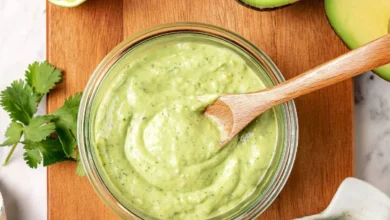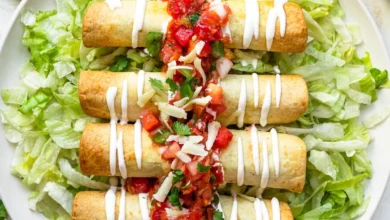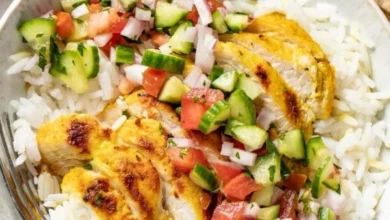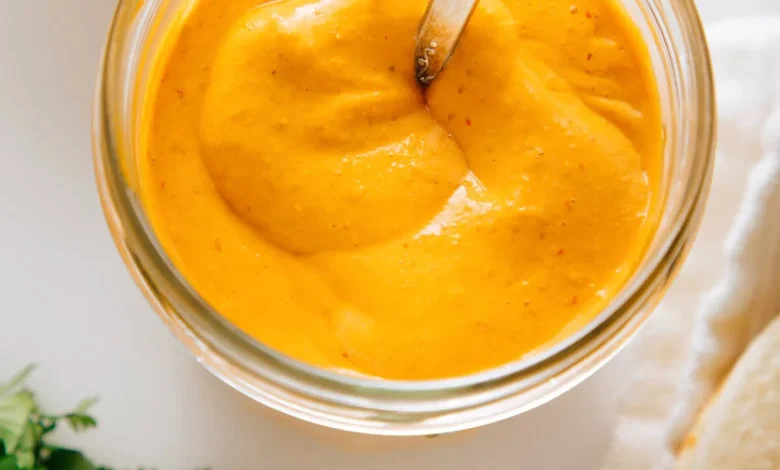
The culinary landscape has seen a significant shift toward component-based dining, where the quality of secondary elements—specifically condiments—often dictates the success of a meal. Among the most versatile and highly regarded additions to modern kitchens is the creamy chipotle sauce. This condiment, defined by its balance of smoky depth and acidic brightness, has transcended its traditional origins to become a staple in home kitchens and professional catering services alike. By leveraging the specific chemical properties of chipotles in adobo and balancing them against a dairy-based fat matrix, home cooks can replicate a restaurant-quality finish that enhances everything from street tacos to vegetarian grain bowls.
Historical Context and Culinary Evolution
Chipotle peppers, which are essentially ripe jalapeños that have undergone a rigorous smoking and drying process, have been a cornerstone of Mexican cuisine for centuries. The process of smoking the peppers, historically done to preserve the harvest, imbues the flesh with a complex capsaicin profile and a distinct wood-smoke aroma. When these dried peppers are rehydrated in adobo—a pungent, savory sauce typically comprised of vinegar, garlic, tomato paste, and various herbs—the resulting ingredient becomes a shelf-stable powerhouse.
In recent years, the integration of these peppers into cream-based sauces has moved from regional Mexican tradition to a mainstream global trend. Culinary analysts suggest this rise in popularity is linked to the "fast-casual" dining revolution of the early 2010s, where customized burrito bowls and taco assemblies necessitated a sauce that could withstand high-heat environments while providing a cooling, creamy contrast to the inherent heat of the proteins and salsas.
Chemical Composition and Preparation Methodology
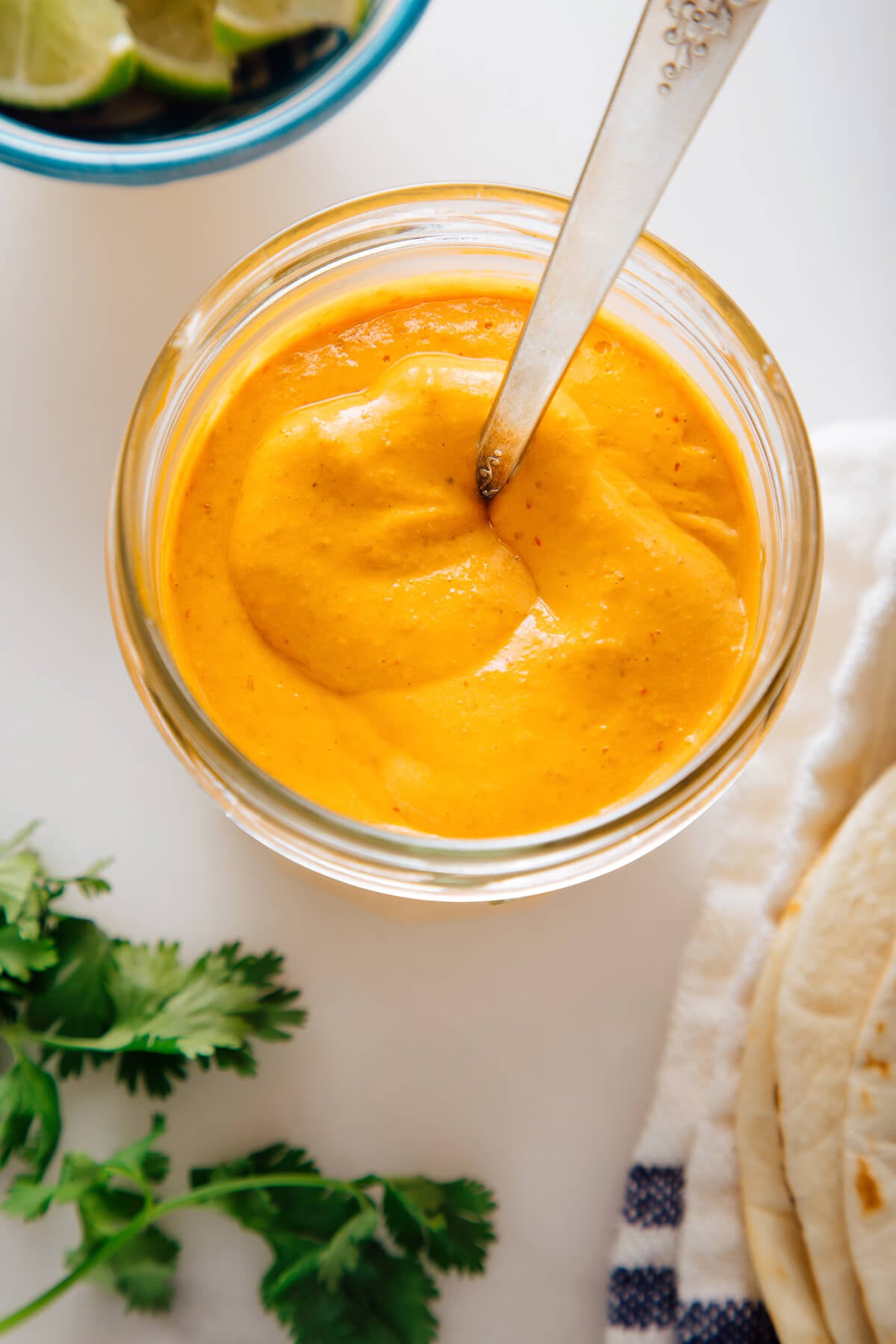
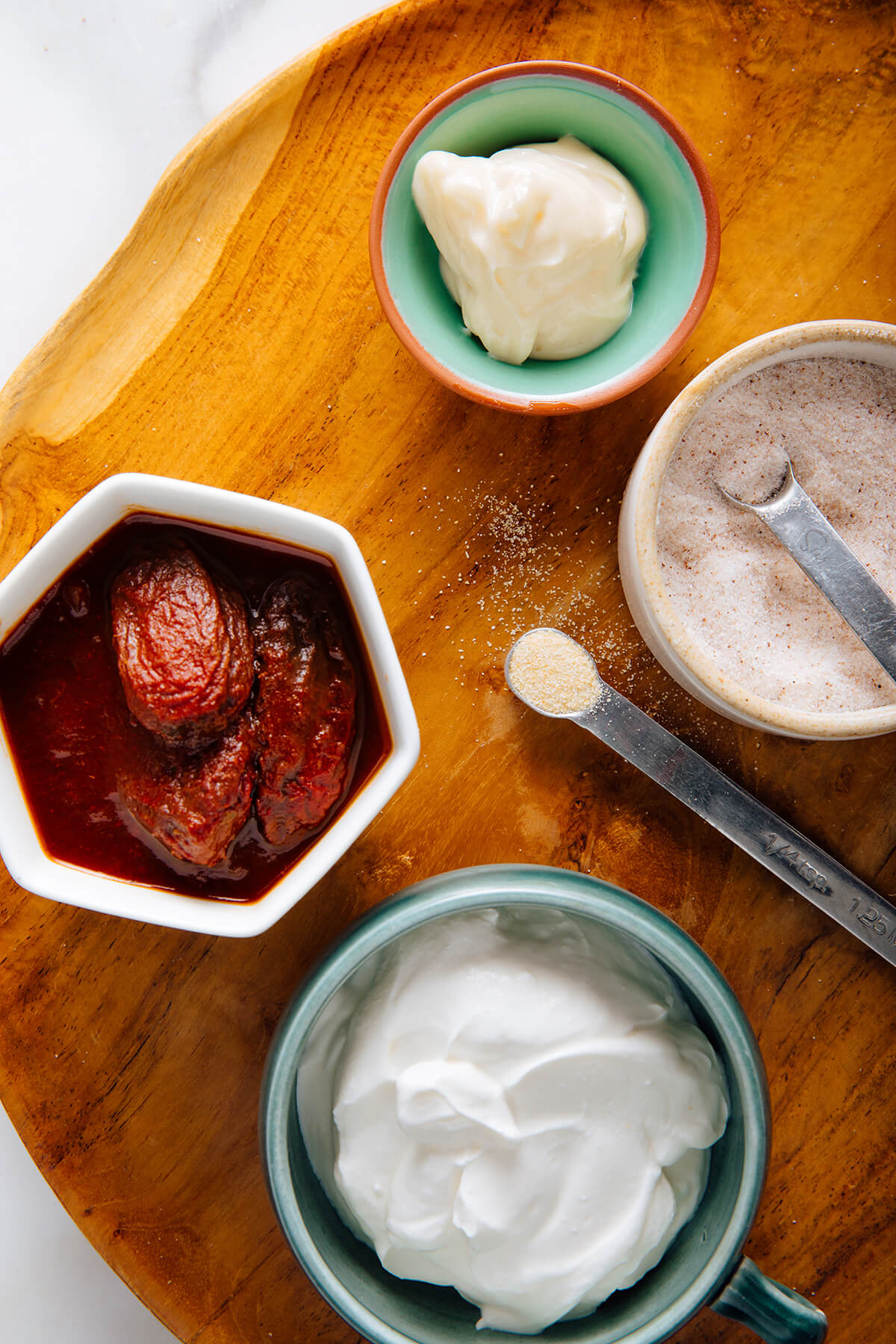
From a technical standpoint, the preparation of an effective chipotle sauce relies on the emulsion of fat and acid. The base, typically composed of sour cream or Greek yogurt, provides the protein structure and a lactic acid tang that helps neutralize the sharp, lingering heat of the capsaicin found in the chipotle.
The inclusion of mayonnaise is not merely a textural choice; it serves as an essential stabilizer. The egg yolk and oil emulsion within the mayonnaise prevents the sauce from breaking or separating when drizzled over warm, moisture-heavy ingredients like freshly grilled vegetables or proteins.
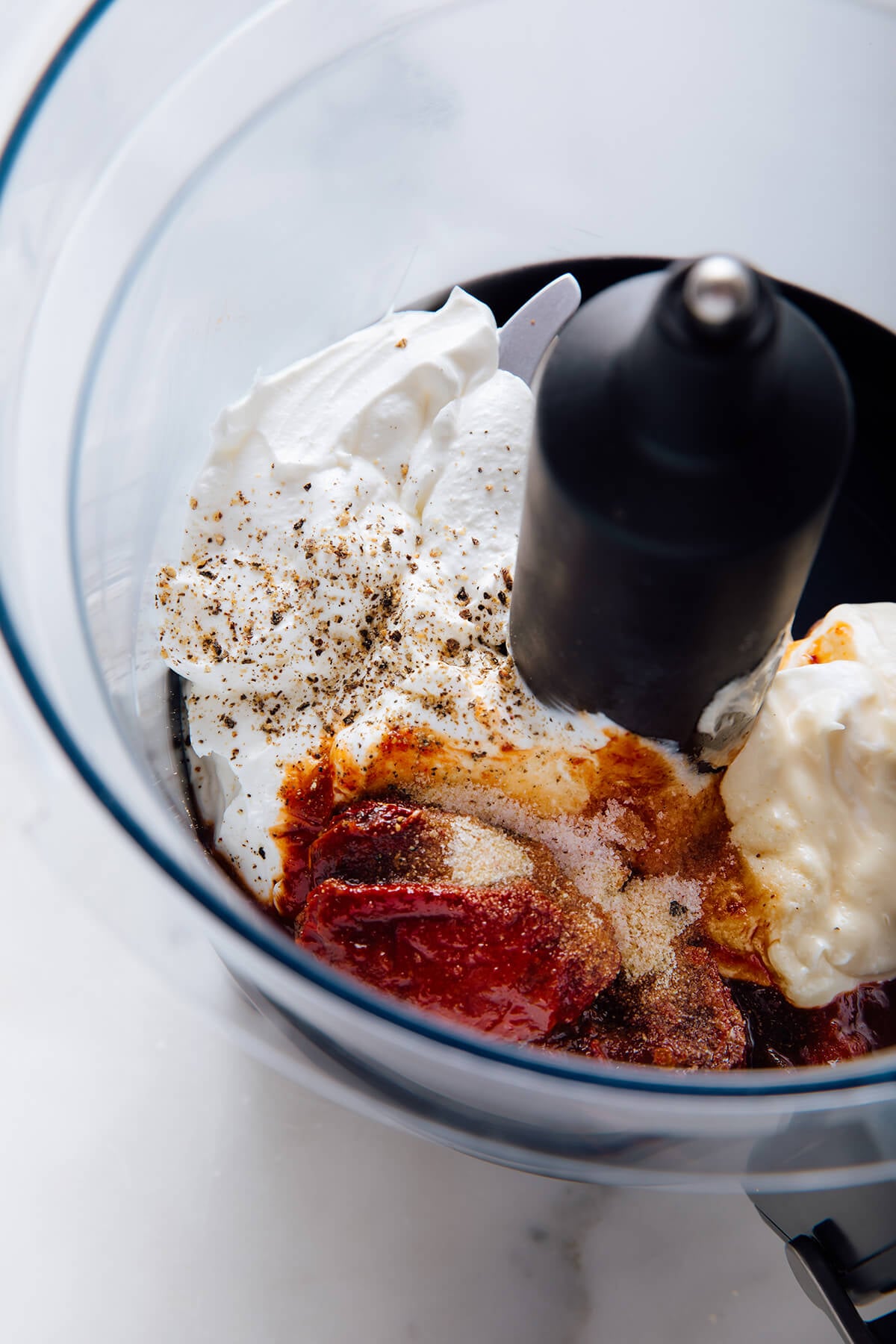
To achieve a consistent, professional-grade sauce, the following methodological steps are recommended:
- Base Selection: Utilizing a full-fat sour cream or a high-protein Greek yogurt ensures the viscosity is thick enough to coat, rather than soak into, the primary dish.
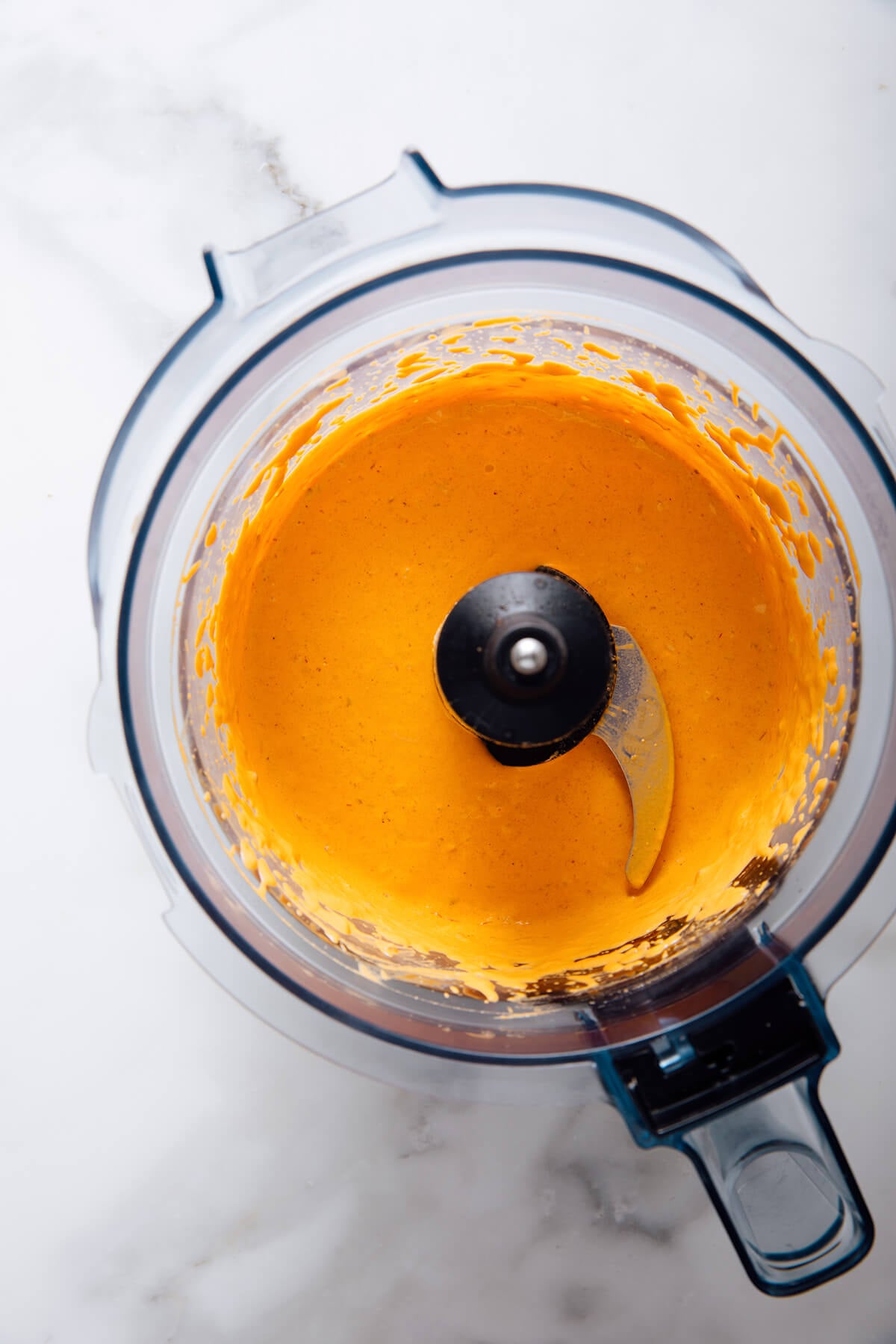
- Peper Integration: The chipotle pepper must be fully incorporated. While manual chopping is possible, the use of a high-speed food processor or immersion blender is statistically more likely to result in a uniform, streak-free color and flavor distribution.
- Graduated Seasoning: Given the variance in heat levels between different brands of canned chipotles in adobo, it is standard industry practice to calibrate the spice level by starting with a conservative amount of the pepper, tasting the baseline, and adjusting upward.
Supporting Data on Ingredient Sourcing
Market data from the specialty food sector indicates that canned chipotles in adobo are among the most searched and frequently purchased "pantry-essential" international ingredients in North America. Unlike fresh produce, which has a limited shelf life, the canned format provides a consistent flavor profile that remains stable for several weeks once opened, provided it is transferred to an airtight glass container.
For those concerned with food waste, industry experts suggest a secondary storage method: freezing the contents of the can in flat, portion-controlled silicone molds or freezer-safe bags. This allows for the retrieval of specific quantities—often measured in teaspoons—without the need to defrost the entire container. This practice not only preserves the integrity of the sauce’s flavor but also aligns with modern consumer efforts to minimize household food waste.
Dietary Implications and Versatility
The versatility of this sauce is supported by its adaptability to various dietary requirements. By swapping traditional sour cream for plant-based alternatives or omitting the mayonnaise in favor of a thinner, yogurt-only base, the sauce can be modified to fit vegan or dairy-free protocols without significantly compromising the flavor profile.
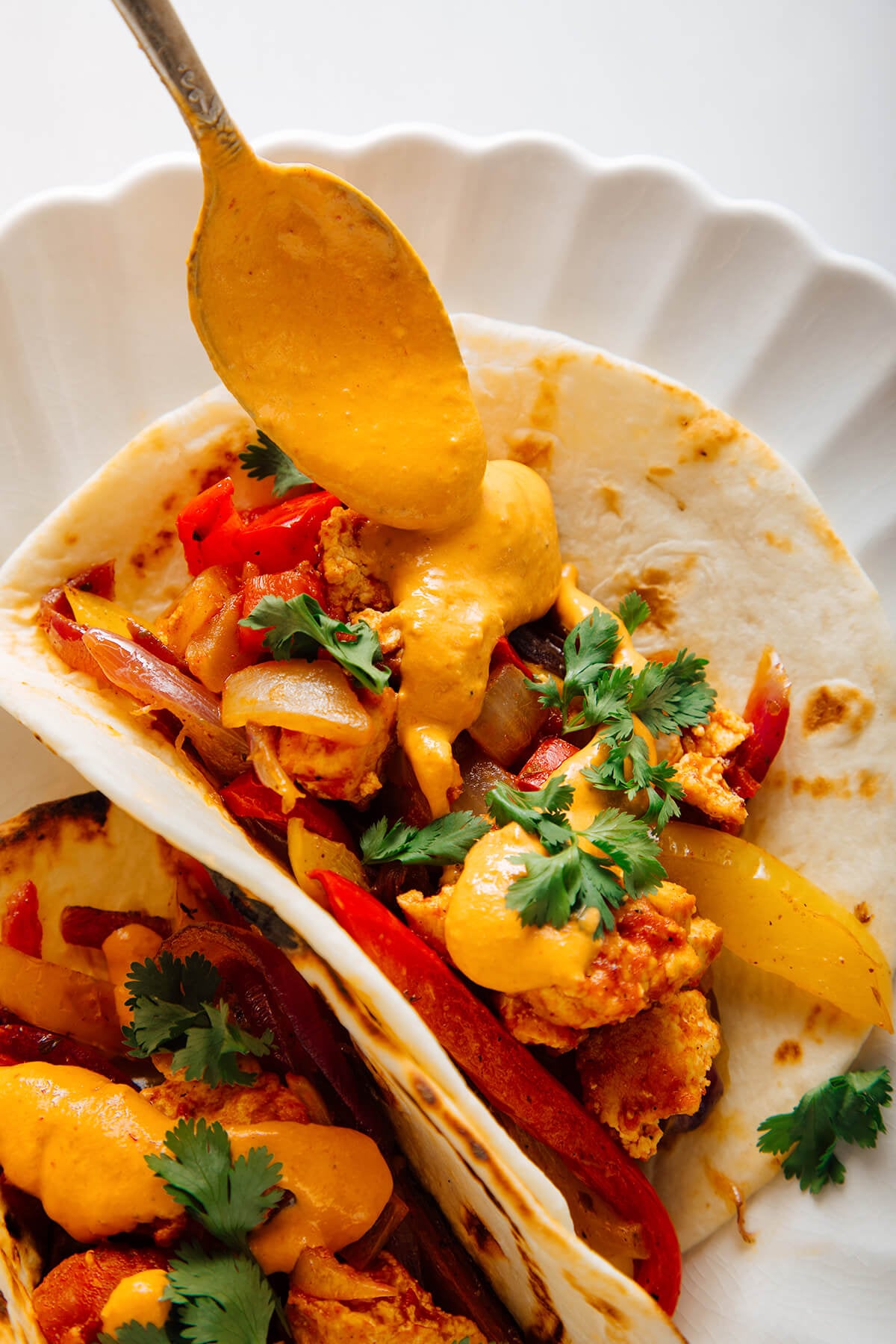
From a nutritional perspective, the sauce provides a modest caloric density. However, when used as a condiment rather than a primary caloric source, it offers a high-impact flavor profile that encourages the consumption of nutrient-dense vegetables. The addition of dried garlic granules or fresh aromatics serves to deepen the flavor, reducing the need for excess salt, which is often a point of concern in pre-packaged, store-bought sauces.
Professional Recommendations and Storage Guidelines
In professional kitchen environments, the shelf-life of a dairy-based sauce is strictly monitored. For home preparation, the following guidelines ensure safety and quality:
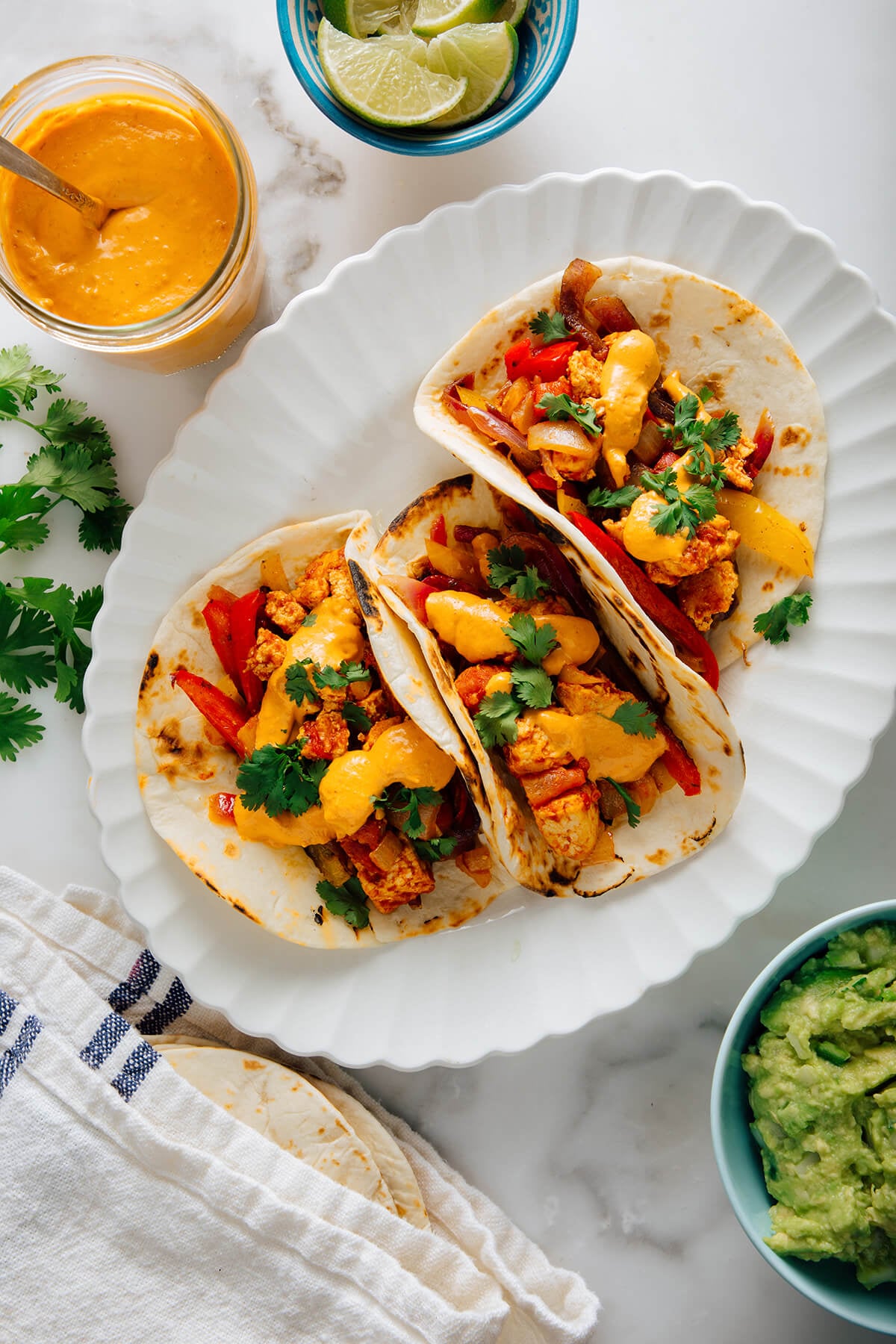
- Refrigeration: The sauce should be kept at a temperature below 40°F (4°C). Because of the dairy content, the sauce is generally considered to be at its peak quality for up to five to seven days.
- Storage Containers: Glass storage is preferred over plastic to prevent the absorption of the potent chipotle oils, which can leave residual odors in porous materials.
- Consistency Control: If the sauce thickens too much during refrigeration, a small amount of lime juice or water can be whisked in to return it to a drizzling consistency without diluting the flavor.
Broader Culinary Impact
The widespread adoption of this sauce signifies a broader shift toward "do-it-yourself" gastronomy. Consumers are increasingly interested in understanding the origin of their ingredients—such as the smoking process of the jalapeño—and the chemistry behind how a dish is constructed. By mastering the preparation of a staple sauce, the home cook is empowered to elevate basic, pantry-friendly ingredients into a cohesive, high-quality meal.
As the industry continues to prioritize transparency and ingredient quality, the move away from heavily processed, shelf-stable condiments toward fresh, house-made versions of classics like chipotle sauce reflects a commitment to both flavor and health. Whether utilized as a dipping element for appetizers or as the final flourish on a complex main course, this sauce serves as a testament to the fact that complex, bold, and restaurant-quality results are highly accessible with the right technique and understanding of core flavor components.

The integration of such a sauce into the weekly cooking rotation provides a reliable, repeatable, and highly customizable solution for those looking to enhance their culinary repertoire with minimal effort but maximum impact. As culinary trends continue to evolve, the fundamental principles of balancing heat, acid, and fat will remain the primary pillars of success for any aspiring home chef.