Free 7-Day High-Protein Meal Plan Features Detailed Macro Tracking and Grocery Lists for Fall 2026

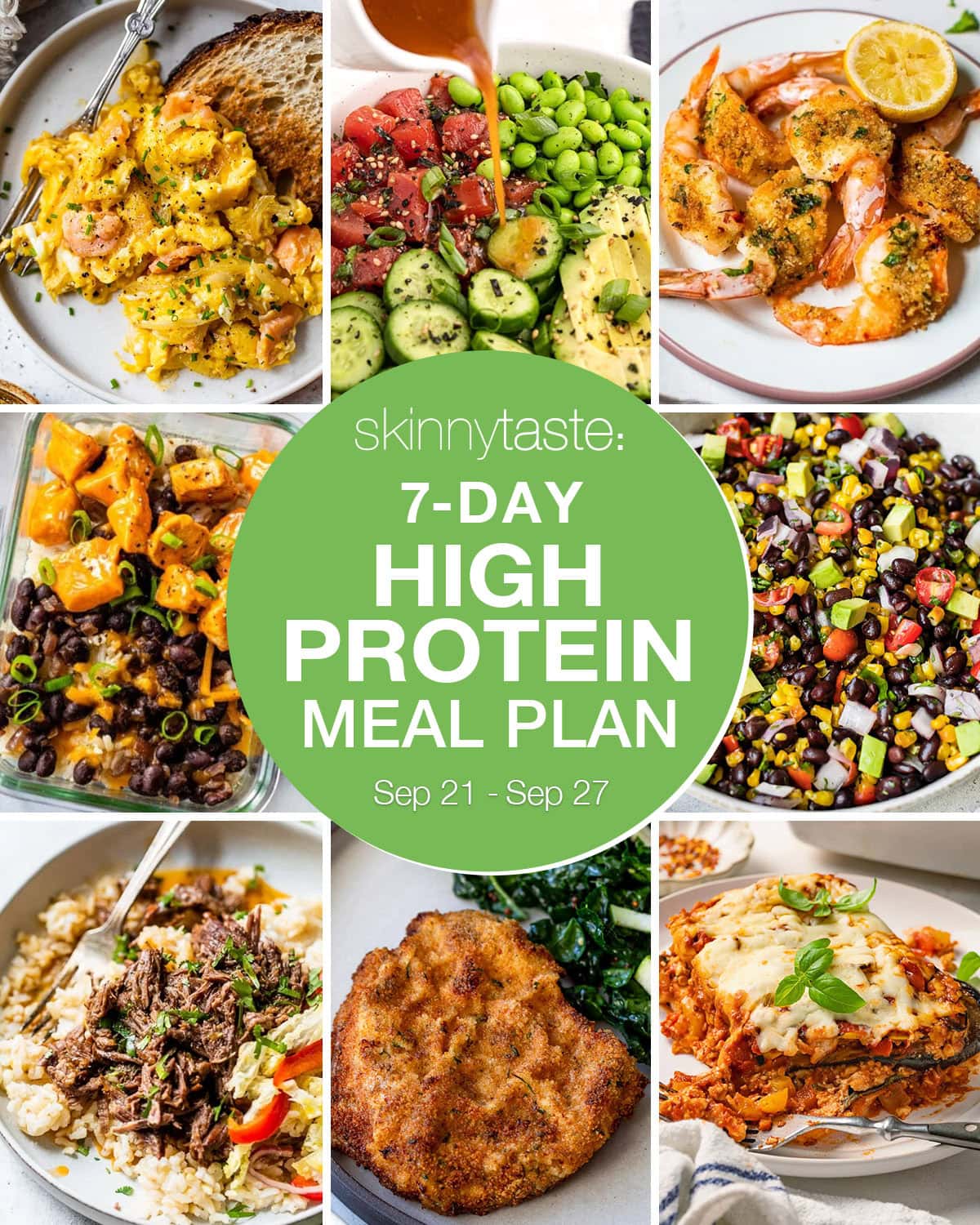
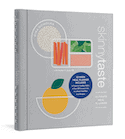
As summer transitions into fall, the culinary focus for health-conscious consumers routinely shifts toward warming, comforting dishes that support specific fitness and nutritional goals. In response to this seasonal demand, popular wellness platform Skinnytaste has released a comprehensive, free seven-day high-protein meal plan designed to streamline weekly food preparation. The newly published schedule, covering the week of September 21 through September 27, 2026, incorporates breakfast, lunch, and dinner concepts tailored for macro-tracking and Weight Watchers point systems, alongside a full grocery shopping list.
The initiative arrives as public interest in high-protein diets continues to surge, driven by mounting nutritional research linking increased protein intake to improved muscle retention, enhanced satiety, and better metabolic health. By structuring daily menus to deliver consistent protein distribution, the plan aims to assist individuals struggling to meet their daily nutritional targets without sacrificing dietary satisfaction.
Understanding the High-Protein Framework
The philosophy behind the September 2026 meal plan centers on distributing protein intake evenly across daily meals to maximize muscle protein synthesis and maintain stable blood sugar levels. According to nutritional guidelines highlighted in the plan, individuals targeting roughly 120 grams of protein daily should aim for approximately 30 grams per primary meal, supplemented by 10 to 30 grams through strategic snacking.
Nutrition experts note that adequate protein consumption plays a critical role in weight management by triggering satiety hormones such as peptide YY and GLP-1, which naturally reduce cravings for sugary or high-fat processed foods. However, health professionals consistently advise that dietary adjustments—particularly those significantly increasing macronutrient ratios—should be tailored to individual health profiles. While high-protein diets offer substantial benefits for active individuals and those pursuing muscle hypertrophy, people with pre-existing conditions such as chronic kidney disease, liver dysfunction, gout, or specific metabolic disorders are advised to consult a physician or registered dietitian before making drastic nutritional changes.
Seasonal Adaptation and Menu Chronology
The transition from warm-weather salads to cooler-season comfort foods heavily influences the September 21–27 meal plan. The curation emphasizes hearty, protein-dense options utilizing slow cookers and sheet pans to accommodate busy autumn schedules. Traditional favorites like Colombian Chicken Sancocho and Beef Barley Soup illustrate how comfort foods can be successfully adapted to meet contemporary nutritional standards.

The structured seven-day itinerary is organized to balance preparation effort, caloric intake, and macro-nutritional goals:
- Monday, September 21: The week commences with a Breakfast Quesadilla, followed by Buffalo Chicken Rice Bowls for lunch. Dinner features a nutrient-dense Ratatouille Lasagna paired with a Vegan Caesar Salad, yielding a total of approximately 1,369 calories and 128.5 grams of protein.
- Tuesday, September 22: Tuesday introduces Peach Pie Cottage Cheese Bowls for breakfast, repeating the Buffalo Chicken Rice Bowls for lunch, and transitioning to Instant Pot Braised Beef served with corn tortillas, avocado, and a Southwestern Black Bean Salad for dinner (1,269 calories, 123.5 grams of protein).
- Wednesday, September 23: Mid-week utilizes efficient meal-prepping strategies, featuring leftover Instant Pot Braised Beef paired with Cilantro Lime Cauliflower Rice and leftover black bean salad, preceded by cottage cheese breakfast bowls (1,303 calories, 122.5 grams of protein).
- Thursday, September 24: Breakfast features another Quesadilla rotation, paired with repeat buffalo chicken lunch bowls, and concludes with a dinner of Pork Milanese accompanied by a kale and apple slaw and roasted sweet potatoes (1,368 calories, 120.5 grams of protein).
- Friday, September 25: The workweek wraps up with a Strawberry Banana Smoothie for breakfast, a half-portion of Tuna Poke Salad for lunch, and a light yet protein-rich Sheet Pan Shrimp Oreganata served alongside zucchini and tomato orzo (1,296 calories, 128 grams of protein).
- Saturday, September 26: Weekend pacing adjusts with Lox and Eggs with onions, whole-grain toast, and mixed berries, followed by an Italian Sub Broccoli Salad for lunch, leaving dinner open for dining out (840 recorded calories, 48.5 grams of protein).
- Sunday, September 27: The weekly cycle concludes with Zucchini Oats ("Zoats") for breakfast, a Thai-inspired chicken salad for lunch, and a robust dinner of Spicy Whole Wheat Linguine with Sausage and Roasted Red Peppers, complemented by a raw shredded Brussels sprouts salad (1,345 calories, 122.5 grams of protein).
Weight Watchers Integration and Tracking Updates
Navigating commercial weight-management programs alongside macro-tracking can present administrative hurdles for consumers. Addressing recent changes to the Weight Watchers (WW) points system—which notably introduced new zero-point staple foods such as oatmeal—platform organizers have worked to bridge the gap between legacy recipes and current algorithms.
While manual updates to older recipe archives are ongoing, creators have integrated active compatibility links. Every recipe featured on the platform connects directly to the official WW recipe builder via mobile interfaces, automatically recalculating accurate point values based on the latest program standards. Furthermore, meal plan designers emphasize that the provided caloric figures (generally anchored near a 1,500-calorie baseline intended as a flexible guide for women) include ample margin for personal adjustments, allowing users to incorporate beverages, additional fruits, snacks, or occasional treats according to their unique energy expenditures and metabolic requirements.
Broader Nutritional Implications and Industry Trends
The release of structured, macro-transparent meal plans reflects a broader consumer shift toward personalized nutrition and kitchen efficiency. As inflation and busy modern lifestyles place a premium on time management, curated grocery lists and pre-planned weekly menus have evolved from niche blogging content into mainstream wellness tools.
By removing the cognitive fatigue associated with daily meal decision-making, such initiatives encourage adherence to long-term health objectives. Nutrition researchers frequently observe that structured meal planning correlates positively with higher diet quality, reduced household food waste, and better macro-nutrient compliance. As the wellness community continues to embrace high-protein paradigms into the autumn of 2026, standardized guides like the Skinnytaste framework provide a practical blueprint for consumers navigating the intersection of culinary comfort and physiological wellness.